menu

Water Stains on Ceiling or Walls in Phoenix – Expert Diagnosis Stops the Damage Before It Spreads

Peak Plumbing Phoenix uses thermal imaging and pressure testing to find the exact leak source behind water stains on ceiling or walls, preventing mold growth and structural damage in Phoenix homes.

Slider Image 1
Slider Image 2
Slider Image 3
Slider Image 4
Slider Image 5
Slider Image 7
Slider Image 8
Slider Image 9
Slider Image 10
Slider Image 11

What Those Brown Spots on Your Ceiling Really Mean

That yellow water mark spreading across your ceiling is not going away on its own. You have water pooling somewhere above it, and every day you wait, the damage grows.

Phoenix sits in the Salt River Valley, and despite our desert reputation, monsoon storms dump inches of rain in minutes. That sudden water volume overwhelms aging plumbing systems and creates pressure spikes that crack supply lines. Add in our hard water, which corrodes copper pipes and causes pinhole leaks, and you get a perfect storm for ceiling discoloration from leak damage.

Those brown spots on ceiling surfaces are the visible symptom. The real problem is hidden behind your drywall. Water follows gravity and framing, so a leak in your second-floor bathroom could show up as damp patches on walls two rooms away. The moisture stains on drywall you see today started days or weeks ago. By the time you notice it, you likely have saturated insulation, compromised framing, and the beginning stages of mold colonization.

Phoenix's low humidity means water evaporates quickly from surfaces, which tricks homeowners into thinking the problem dried out. It did not. The moisture is still trapped in your wall cavity, continuing to damage wood and drywall from the inside out. Those yellow water marks are your early warning system. Ignore them and you are looking at structural repairs that could run into thousands of dollars.

The clock is ticking. That stain will spread, the drywall will sag, and the hidden damage will compound.

What Those Brown Spots on Your Ceiling Really Mean
How We Find the Leak You Cannot See

How We Find the Leak You Cannot See

Most plumbers guess. They cut holes in your ceiling, hope they are in the right spot, and bill you for the drywall repair. Peak Plumbing Phoenix does not work that way.

We start with a thermal imaging camera. Water changes the temperature of building materials, and our FLIR camera detects those temperature differences through drywall. We can see the moisture migration path without cutting a single hole. This tells us if the leak is active or if you are seeing residual staining from an old problem that already dried out.

Next, we run a pressure test on your supply lines. We isolate sections of your plumbing system, pressurize them above normal operating pressure, and monitor for pressure drops. A drop means a leak. This test pinpoints the problem to a specific branch line, so we know exactly where to access your plumbing without tearing apart half your ceiling.

For slab leaks, we use acoustic leak detection. Water escaping under pressure makes a distinct sound. Our ground microphones pick up that frequency and triangulate the leak location to within inches. This matters in Phoenix, where many homes are built on post-tension slabs. Cutting into a post-tension cable can compromise your entire foundation. We mark all utilities and tension cables before we touch a jackhammer.

Once we locate the leak, we access it through the most minimally invasive path. That might mean cutting a small access panel in a closet instead of tearing out your kitchen ceiling. We fix the leak, pressure test the repair, and confirm it holds before we leave. No guesswork. No unnecessary demolition.

What Happens When You Call About Ceiling Stains

Water Stains on Ceiling or Walls in Phoenix – Expert Diagnosis Stops the Damage Before It Spreads
01

Emergency Leak Assessment

We arrive within hours and immediately determine if water is still flowing. If the leak is active, we shut off the supply line to stop further damage. We photograph the staining, measure moisture levels in surrounding materials with a pin meter, and map the wet zone. This data drives our diagnostic plan and gives you a clear picture of the damage scope before we start invasive testing.
02

Leak Source Isolation

Using thermal imaging and pressure testing, we trace the water back to its origin point. We check supply lines, drain lines, and fixture connections. In two-story homes, we inspect the bathroom or kitchen directly above the stain. We also check your roof penetrations and HVAC drain lines, which can cause identical staining but require different fixes. Our goal is certainty, not assumptions.
03

Repair and Verification

We repair the leak using code-compliant methods, whether that means re-piping a section of copper, replacing a valve cartridge, or re-sealing a shower pan. After the fix, we run another pressure test to confirm the repair holds under load. We document the final moisture readings so you have proof the area is drying properly. You get photos of the before, during, and after for your insurance claim if needed.

Why Phoenix Homeowners Call Peak Plumbing Phoenix First

Phoenix plumbing is not like plumbing in wetter climates. Our water comes from the Colorado River and local wells, both heavy with calcium carbonate and magnesium. That mineral content creates scale buildup inside your pipes, narrowing the diameter and increasing pressure. Higher pressure means more stress on joints and fittings. Over time, that stress causes failures at the weakest points, usually at elbows and tee connections.

Peak Plumbing Phoenix knows how Phoenix water behaves. We know that homes built in the 1980s and 1990s often used thin-wall copper that cannot handle the pressure spikes from our municipal water system. We know that PEX repiping is often the smarter long-term fix compared to patching old copper. We also know that insurance companies in Phoenix want documentation, and we provide the photos and test results they need to process your claim without fighting you.

We also understand Phoenix building codes. The city requires pressure-reducing valves on homes with supply pressure above 80 PSI. If you are getting repeat leaks, high pressure is likely the root cause, and patching leaks without addressing pressure is just setting you up for the next failure. We test your supply pressure and recommend a PRV if you need one. That is not an upsell. That is proper diagnostics.

You also get transparency. We explain what we find, show you the damage on camera, and give you options. If the fix is a simple valve replacement, we tell you that. If you need a section of repiping, we explain why and what happens if you skip it. No scare tactics. No inflated estimates. Just honest assessments from plumbers who have seen thousands of Phoenix homes and know what works.

What to Expect When We Diagnose Your Water Stains

Same-Day Response for Active Leaks

If water is actively dripping or pooling, we treat it as an emergency. You will have a technician on-site within a few hours, not days. We carry diagnostic tools on every truck, so we start testing immediately. For non-urgent staining where the leak appears inactive, we schedule within 24 hours. Speed matters because moisture spreads fast in wall cavities, and mold can begin colonizing within 48 hours of water exposure. The faster we diagnose, the less secondary damage you face.

Thorough Multi-Point Inspection

We do not just look at the stain. We inspect the plumbing above it, the roof penetrations, the HVAC drain lines, and the building envelope. Water intrusion can come from multiple sources, and misdiagnosing a roof leak as a plumbing leak costs you time and money. Our inspection includes moisture mapping with calibrated meters, thermal scanning to detect temperature anomalies, and pressure testing on suspected lines. You get a written diagnostic report that explains what we found, where the water is coming from, and what it will take to fix it.

Permanent Fix, Not a Patch

When we repair a leak, we use materials and methods that will outlast the rest of your plumbing system. That means no shark-bite fittings on hidden lines, no compression fittings that can loosen over time, and no shortcuts. We solder copper joints, crimp PEX connections with proper expansion tools, and pressure test every repair to 150 PSI before we close up the wall. You also get documentation of the repair with photos, so if you sell your home, you can show the buyer that the issue was professionally resolved.

Post-Repair Moisture Monitoring

Fixing the leak is step one. Making sure your home dries properly is step two. We take moisture readings before and after the repair and provide you with target drying benchmarks. If your drywall is heavily saturated, we recommend a restoration company to set up dehumidifiers and air movers. If the moisture is minimal, we give you a timeline for natural drying and schedule a follow-up moisture check. This prevents mold growth and ensures your insurance claim is properly documented if you need to involve your carrier.

Frequently Asked Questions

You Have Questions,
We Have Answers

Why is there a water stain on my ceiling but no leak? +

Water stains can appear without active leaks for several reasons. Condensation from Phoenix's monsoon season humidity hitting cold AC ducts causes dripping. Old, dried-up leaks that stopped but left mineral deposits behind create persistent stains. Roof penetrations like vents or skylights may leak during rare rain events, then dry out completely in our desert heat. Attic moisture from poor ventilation can condense on ceiling drywall overnight when temperatures drop. Check your attic insulation, inspect HVAC ducts for sweating, and look for roof damage after storms. The stain proves water contacted that spot at some point.

How to tell if water is leaking behind a wall? +

Look for these warning signs. Paint bubbling, peeling, or discoloration on walls signals trapped moisture. Musty odors near baseboards or outlets indicate hidden water accumulation. Warped, soft, or spongy drywall when pressed means saturation. Water meter tests reveal hidden leaks: turn off all fixtures, check the meter, wait two hours, and recheck for movement. Listen for running water sounds inside walls when fixtures are off. Phoenix's hard water leaves chalky mineral deposits where leaks evaporate. Check for unexplained increases in your water bill. Dark staining near baseboards or ceiling corners shows wicking moisture.

When to be concerned about water spots on a ceiling? +

Address water spots immediately if they grow, darken, or multiply. Concern escalates if you see sagging drywall, which means structural saturation and collapse risk. Brown or yellow rings indicate active or recent leaking requiring urgent attention. Spots appearing after monsoon storms suggest roof or flashing failure. If spots feel damp or soft when touched, water is currently present. Multiple spots in a line suggest pipe leaks. Single spots near bathrooms or kitchens point to fixture or supply line failure. In Phoenix's dry climate, persistent moisture means a significant ongoing leak that won't self-resolve.

Why am I getting wet spots on my ceiling? +

Wet spots mean active water intrusion happening now. Common causes include leaking supply lines in the floor above, failed toilet wax rings, shower pan leaks, or compromised drain pipes. AC condensate line clogs force water to back up and overflow, common during Phoenix's brutal cooling season when systems run nonstop. Roof leaks from damaged shingles, cracked flashing, or clogged scuppers appear after monsoon rains. Refrigerant line condensation from improperly insulated AC lines drips onto ceilings. Upstairs washing machine supply hoses or water heater failures cause sudden wet spots. Stop using suspected fixtures and call a plumber immediately.

How to find source of water stain on ceiling? +

Start at the stain and work upward. Water flows downhill and spreads laterally through drywall before showing. Access the attic or floor above to trace moisture. Look directly above the stain first, then expand your search radius. Check all plumbing fixtures, supply lines, and drain pipes in that zone. Inspect roof penetrations like vents, chimneys, and skylights. Phoenix homes with flat or low-slope roofs need scupper and drain checks. Use a moisture meter to map wet areas inside walls. Infrared cameras detect temperature differences from moisture. Sometimes the source sits several feet away from the visible stain.

Do water stains always mean mold? +

Water stains do not guarantee mold, but they create ideal conditions. Mold needs moisture, oxygen, and organic material like drywall paper. Phoenix's low humidity slows mold growth compared to humid climates, but enclosed wall cavities trap moisture. Mold can start within 24 to 48 hours if materials stay wet. Dried stains from old leaks may have no active mold. However, hidden mold often grows inside walls where you cannot see it. Musty odors, respiratory symptoms, or visible black spotting around stains signal mold presence. Professional testing confirms mold type and extent before remediation begins.

How do plumbers determine behind the wall leaks? +

Licensed plumbers use specialized detection methods. Moisture meters measure saturation levels in drywall and wood framing. Infrared thermal cameras show temperature variations caused by water evaporation. Acoustic leak detection uses sensitive microphones to hear water escaping under pressure inside walls. Pressure testing isolates sections of plumbing to pinpoint failure zones. Borescope cameras inspect inside walls through small access holes. For slab leaks common in Phoenix's shifting clay soil, electronic line tracing and ground-penetrating radar map pipe locations. Experienced plumbers correlate visible damage patterns with typical failure points in older copper or galvanized systems. Diagnosis accuracy saves demolition costs.

Does homeowners insurance cover water leaks in walls? +

Coverage depends on the cause and your policy terms. Sudden, accidental pipe bursts are typically covered, including resulting wall and ceiling damage. Gradual leaks from poor maintenance, wear, or neglect get denied. Homeowners insurance excludes foundation issues, which matter in Phoenix where soil movement stresses pipes. Your policy may cover water damage repairs but exclude the actual pipe replacement. Damage from appliance failures like water heaters often qualifies. Always file claims promptly. Monsoon roof leak damage requires active wind or hail, not just age-related deterioration. Review your declarations page and call your agent before starting repairs.

How long does it take for a water leak to cause mold? +

Mold can colonize within 24 to 48 hours once materials become saturated. Phoenix's dry climate slows surface mold but does not prevent growth inside enclosed, damp wall cavities. Porous materials like drywall, insulation, and wood absorb water quickly. Mold spores exist everywhere and activate when moisture appears. Warm temperatures accelerate growth, problematic since Phoenix homes stay warm year-round. Hidden leaks behind walls create persistent moisture that feeds colonies for weeks undetected. Visible mold on ceilings suggests the leak existed for days minimum. Fast response limits spread. Dry affected areas within 48 hours to prevent establishment.

Who should I call for a water stain in my ceiling? +

Call a licensed plumber first to diagnose and stop the water source. Plumbers identify pipe leaks, fixture failures, and supply line problems causing ceiling stains. If the source involves roofing after monsoon storms, contact a roofing contractor for flashing, shingle, or penetration repairs. HVAC technicians handle AC condensate line clogs or refrigerant line condensation. Once the leak stops, water damage restoration companies dry affected areas and prevent mold. For Phoenix homeowners, fast action matters because monsoon season humidity shortens your response window. Document everything with photos for insurance claims before repairs begin. Address the source immediately to prevent structural damage.

Why Phoenix Hard Water Makes Leak Detection Critical

Phoenix water measures between 12 and 18 grains per gallon of hardness, which classifies it as very hard. That mineral content deposits inside your pipes as scale, creating rough interior surfaces that increase friction and pressure. Over time, the scale buildup reduces pipe diameter, forcing your water heater and pressure regulator to work harder. The increased pressure stresses joints, and eventually, something gives. When a pinhole leak forms, the escaping water follows the path of least resistance, often traveling along framing members before soaking through drywall and appearing as ceiling discoloration from leak damage.

Peak Plumbing Phoenix has been diagnosing water stains in Phoenix homes for years, and we understand how the local water chemistry interacts with different pipe materials. We know which neighborhoods have higher mineral content, which subdivisions used inferior copper during construction booms, and which areas experience higher supply pressure from the municipal system. That local knowledge means faster diagnostics and more accurate repairs. When you call a plumber who knows Phoenix plumbing systems, you get solutions that account for the specific challenges your home faces, not generic fixes that fail in six months.

Plumbing Services in The Phoenix Area

We proudly serve residential and commercial customers throughout the Phoenix area. Whether you're located in the city center, suburbs, or surrounding communities, our team is ready to help with fast, reliable plumbing solutions. Use the map below to locate us, or reach out for directions and service area confirmation. At Peak Plumbing, we make it easy for you to access professional plumbing services wherever you are in the region.

Address:
Peak Plumbing Phoenix, 4041 E Thomas Rd, Phoenix, AZ, 85018

Additional Services We Offer

Our news updates

Latest Articles & News from The Blogs

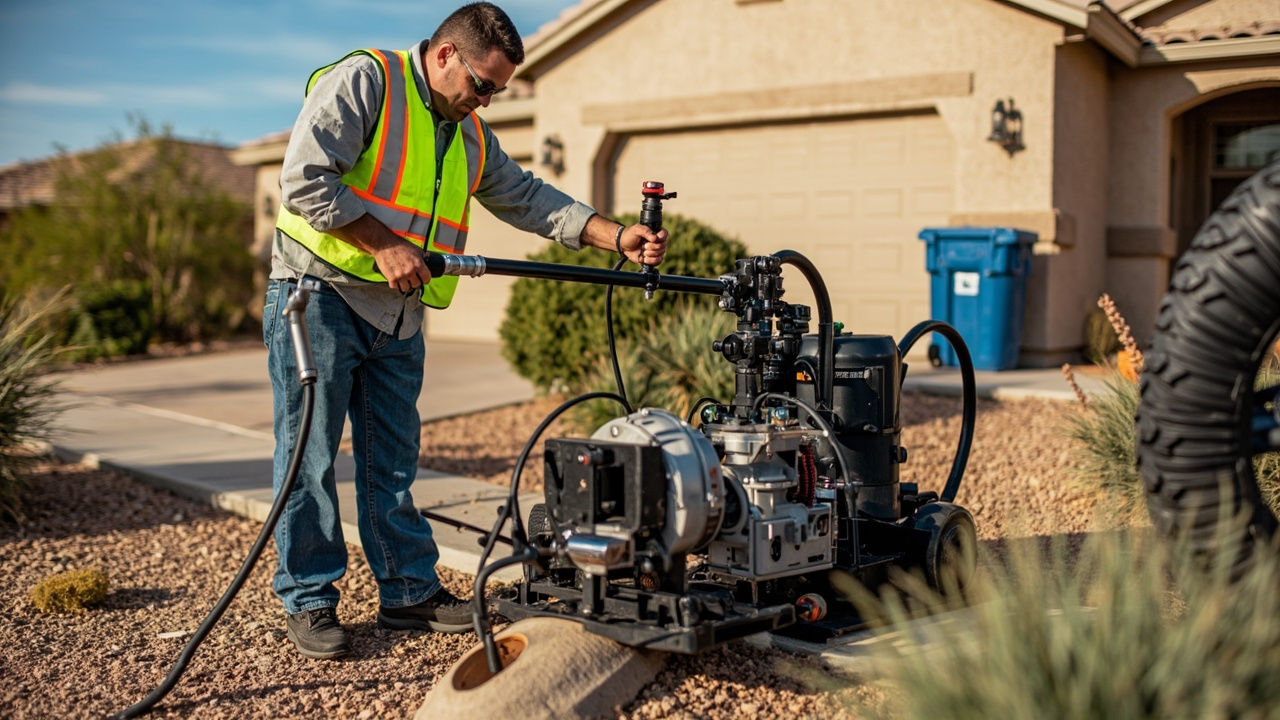
How to Fix Underground Water Main Leaks in Peoria Without Wrecking Your YardA water main leak under your Peoria property…

How to Fix Underground Water Main Leaks in Peoria Without Wrecking Your Yard

How to Fix Underground Water Main Leaks in Peoria Without Wrecking Your YardA water main leak under your Peoria property…

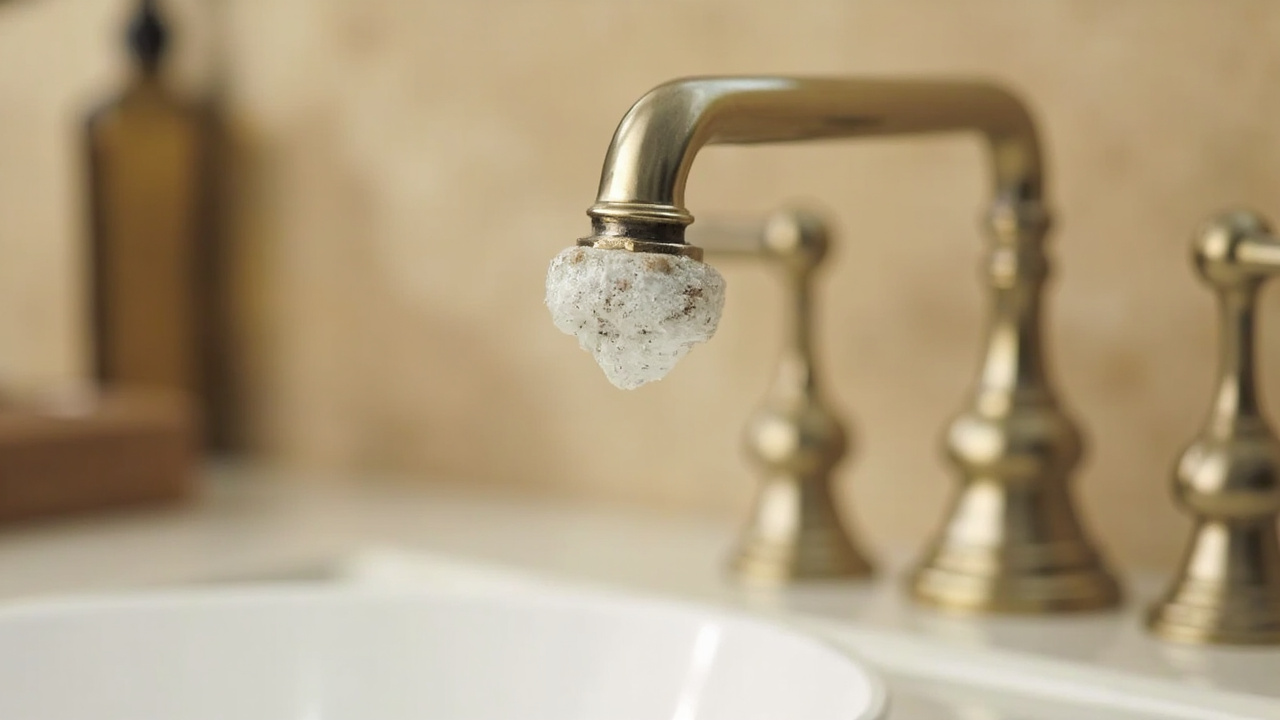
Removing Stubborn Calcium Buildup from Your High End Ocotillo Bathroom Fixtures

Living in the Ocotillo area of Chandler means you likely enjoy a custom home with high end bathroom fixtures. These…

What Every Coronado Historic District Homeowner Should Know Before a Sewer Camera Inspection

Living in the Coronado Historic District offers a unique connection to the architectural heritage of Phoenix. Your home likely features…

Contact Us

That water stain will not fix itself. Call Peak Plumbing Phoenix at (623) 288-0099 right now for same-day leak detection. We find the source, stop the damage, and give you a permanent fix that actually lasts.