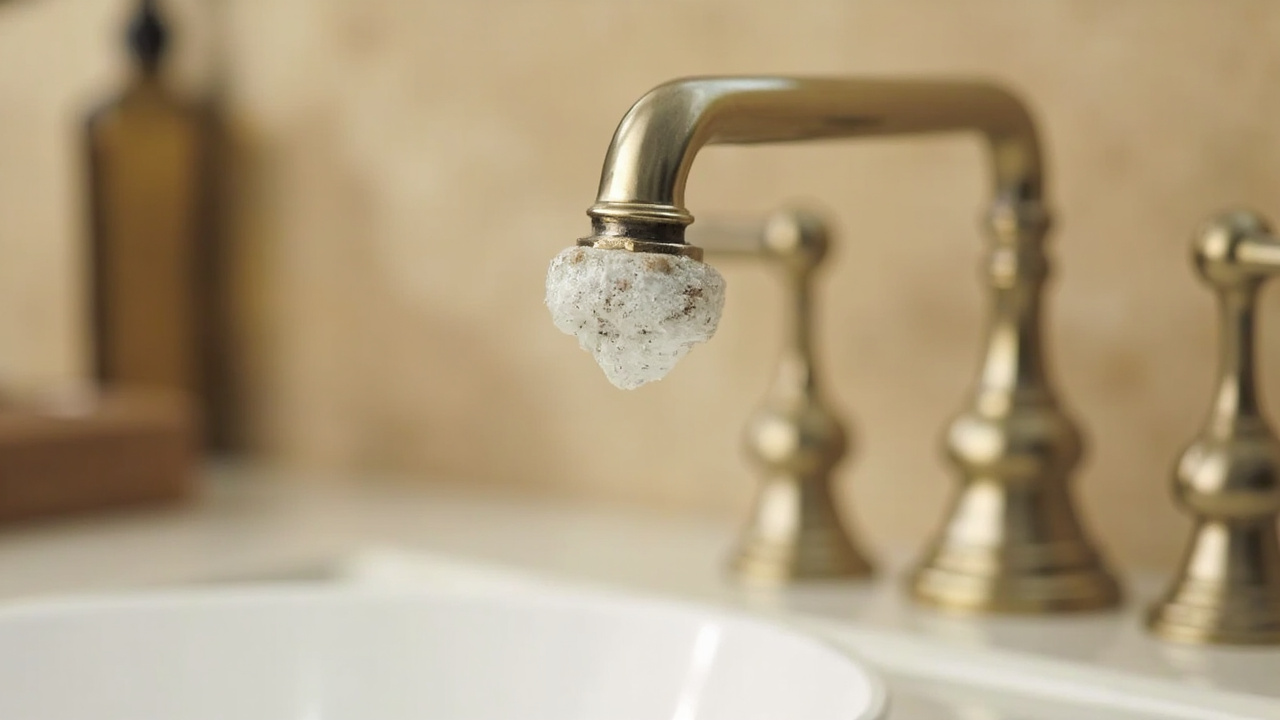
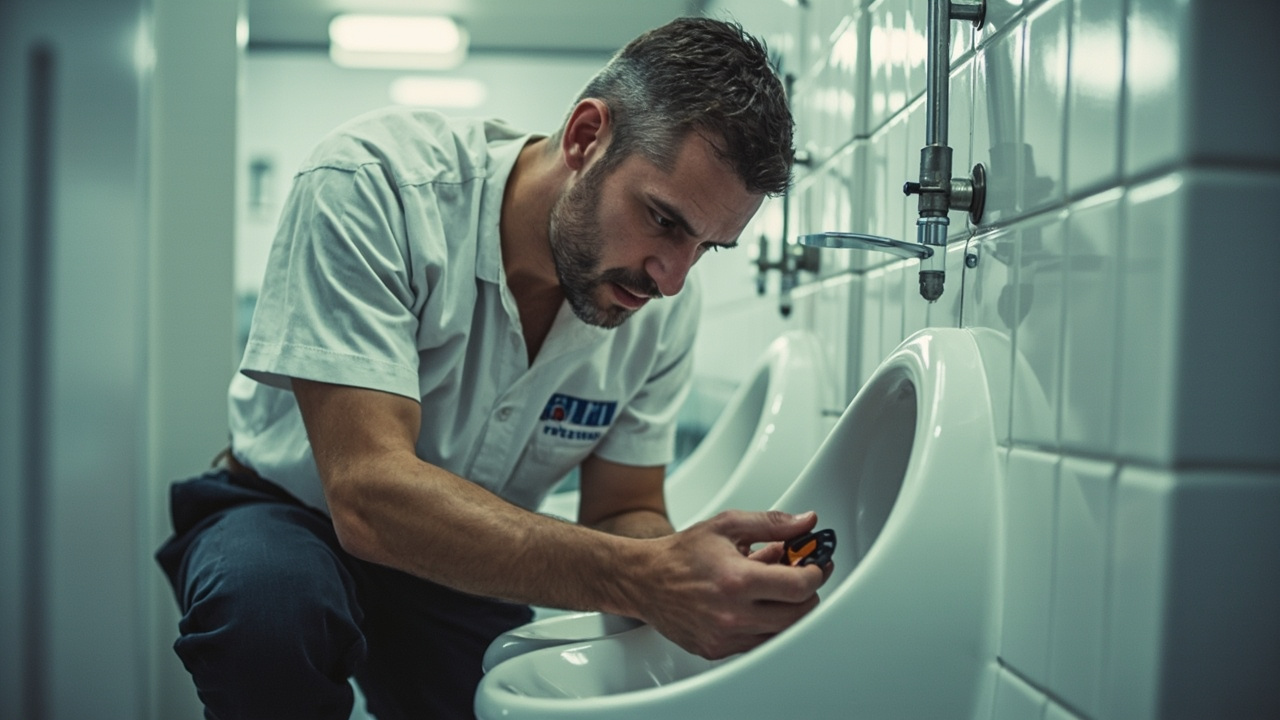
Phoenix municipal water contains 12 to 18 grains of hardness per gallon, nearly triple the national average. This mineral concentration deposits calcium carbonate and magnesium scale inside commercial flush valves, clogging relief ports and degrading diaphragm elasticity. Over 18 to 24 months, these deposits restrict water flow, increase flush cycle time, and eventually cause valve seizure. Commercial properties near treatment plants in Deer Valley and South Phoenix experience even higher mineral loads. Without scheduled commercial urinal maintenance and flushometer cleaning, replacement intervals drop from five years to 24 months.
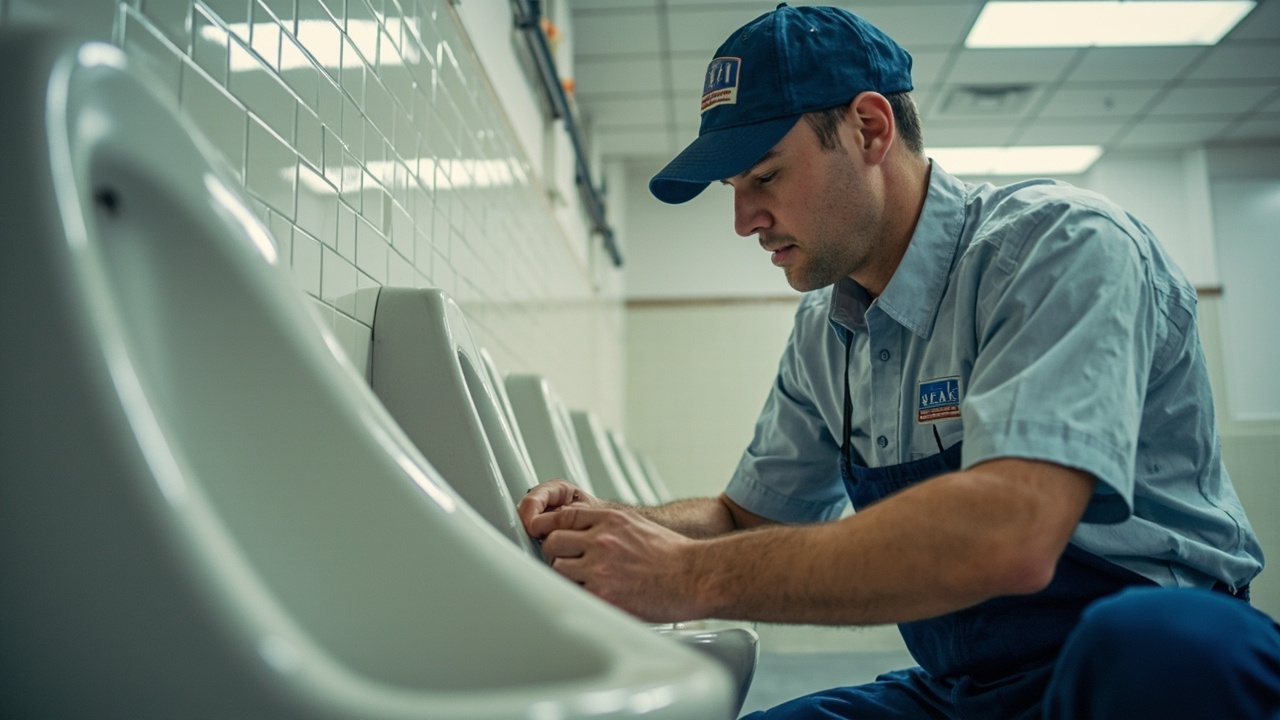
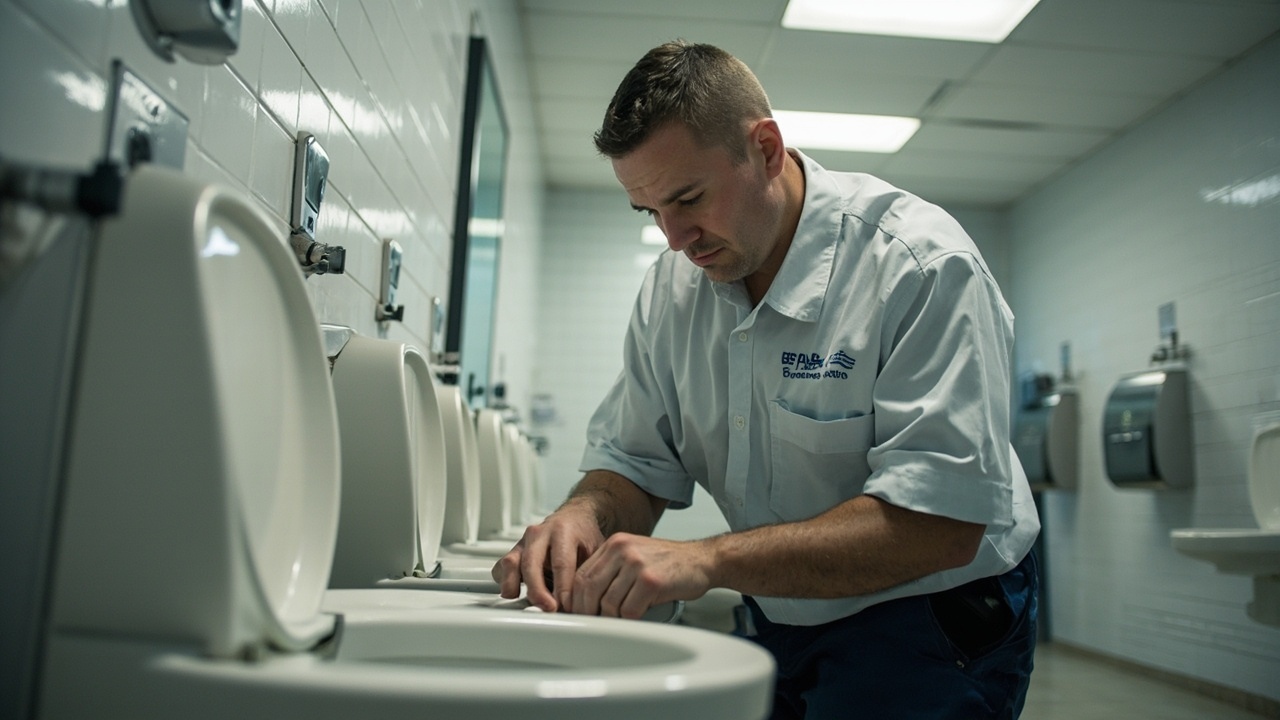
Peak Plumbing Phoenix has serviced commercial properties across the Valley since our founding, from office complexes in Tempe to retail centers in Scottsdale. Our technicians understand how Phoenix building construction timelines correlate with plumbing system specifications. Properties built between 1985 and 1995 typically use brass flushometer bodies that resist corrosion better than the chrome-plated zamak alloys common in newer construction. Knowing these material differences allows us to predict failure modes and carry the correct replacement components. We work directly with property managers and facility directors who need reliable service partners familiar with local code enforcement patterns and inspection protocols.