menu

Plumbing Inspection Checklist Phoenix | Prevent Costly Failures Before They Happen

Get a complete plumbing inspection checklist built for Phoenix homes, covering fixtures, drains, water heaters, and shutoff valves to catch problems early and extend system lifespan.

Slider Image 1
Slider Image 2
Slider Image 3
Slider Image 4
Slider Image 5
Slider Image 7
Slider Image 8
Slider Image 9
Slider Image 10
Slider Image 11

Why Phoenix Homes Need Regular Plumbing System Inspections

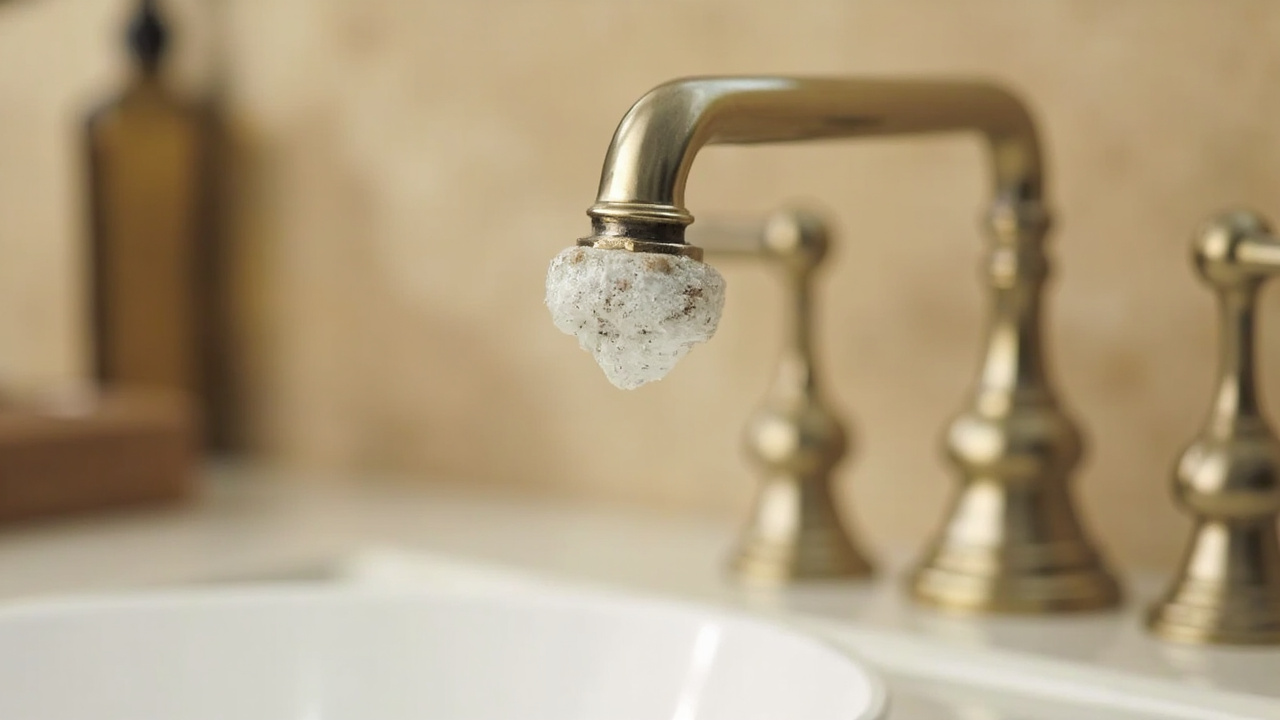
Phoenix's hard water and extreme heat put unique stress on residential plumbing systems. Calcium and magnesium deposits accumulate faster here than in most cities, clogging aerators, reducing water pressure, and shortening fixture lifespans. Summer temperatures that push past 115 degrees expand copper supply lines, loosening soldered joints over time. Winter nights occasionally dip below freezing, and one unprotected exterior hose bibb can rupture in hours.

A home plumbing inspection list helps you stay ahead of these local challenges. Most Phoenix homeowners wait until a slab leak floods their kitchen or a water heater fails completely. By then, you are looking at emergency service calls, drywall demolition, and water damage mitigation. A preventative plumbing maintenance checklist shifts the approach from reactive to strategic.

The residential plumbing checkup list covers critical failure points: shutoff valve function, supply line corrosion, drain flow rates, pressure regulation, and backflow prevention. These are not theoretical concerns. Phoenix Municipal Code requires backflow assemblies on irrigation systems, and hard water scale clogs pressure-reducing valves faster than homeowners expect. A plumbing system inspection guide tailored to the Valley addresses the problems you actually face, not generic issues that apply to wetter, cooler climates. Skipping routine checks invites expensive surprises. Catching a slow drip under a sink today prevents a $4,000 slab leak repair next month.

Why Phoenix Homes Need Regular Plumbing System Inspections
What a Comprehensive Plumbing Maintenance Checklist Includes

What a Comprehensive Plumbing Maintenance Checklist Includes

A plumbing maintenance checklist breaks down into five zones: water supply, drainage, fixtures, water heating, and shutoff infrastructure. Each zone has specific inspection points that reveal wear patterns before failure occurs.

Water supply inspection starts at the meter and pressure regulator. Phoenix delivers water at 80 to 100 psi in many neighborhoods. Without a functioning pressure-reducing valve, that force hammers fixtures and appliances, shortening their service life. You check for leaks at the PRV, test downstream pressure with a gauge, and verify the expansion tank holds adequate air charge. Hard water scale builds up inside the PRV diaphragm, and you need to catch that before it fails completely.

Drainage inspection includes checking every P-trap for leaks, running water through floor drains to verify trap seals, and testing vent stack terminations on the roof. Phoenix homes built on post-tension slab foundations hide drain lines in concrete. A slow leak under the slab can go unnoticed for months until flooring warps or you see a spike in your water bill.

Fixture inspection covers faucet cartridges, toilet fill valves, shutoff angle stops, and supply line condition. Braided stainless supply lines degrade after eight to ten years, and the rubber interior breaks down faster in Phoenix heat. Angle stops corrode and seize, making future repairs harder. You test each one for smooth operation and visible corrosion.

Water heater inspection includes checking the temperature and pressure relief valve, inspecting the anode rod, flushing sediment, and testing the drain valve. Phoenix's hard water accelerates sediment buildup, reducing efficiency and causing premature tank failure.

How to Use Your Home Plumbing Inspection List

Plumbing Inspection Checklist Phoenix | Prevent Costly Failures Before They Happen
01

Document Baseline Conditions

Start by mapping shutoff valve locations and testing each one for smooth operation. Quarter-turn ball valves should move without force. Gate valves need multiple turns and tend to seize if not exercised annually. Record installation dates for fixtures, water heaters, and supply lines. Phoenix homes older than 15 years often have original galvanized steel drain fittings under slab, and knowing your home's plumbing age helps prioritize inspection frequency.
02

Perform Systematic Zone Checks

Work through each zone methodically. Under sinks, check for moisture stains on cabinet floors and wall backing. In bathrooms, remove aerators and inspect for sediment buildup. Test toilet fill valves for proper shutoff and check flapper seals for deterioration. Run water through rarely used fixtures like guest bathroom showers to maintain trap seals and identify hidden leaks. Look for water stains on ceilings below bathrooms, which signal active leaks in drain lines or supply tubes.
03

Schedule Professional Follow-Up

Use your residential plumbing checkup list to identify issues that need licensed attention. Slab leaks require electronic detection equipment. Water heater anode rod replacement needs specific tools and knowledge of dielectric unions. Pressure regulator replacement involves shutting down the main supply and understanding Phoenix water pressure zones. A plumbing system inspection guide helps you separate simple maintenance from work that needs a licensed contractor. Peak Plumbing Phoenix can verify your findings and handle repairs beyond DIY scope.

Why Local Expertise Matters for Phoenix Plumbing Inspections

Generic plumbing checklists do not account for Phoenix-specific conditions. National guidelines assume moderate water hardness, stable ground conditions, and temperate climates. None of those apply here.

Phoenix sits on caliche hardpan and expansive clay soils. When monsoon rains saturate the ground, clay expands and shifts post-tension slab foundations. That movement stresses drain lines cast into concrete, creating hairline cracks that grow into full leaks. A local plumber knows to look for foundation settlement patterns and correlate them with plumbing failure zones.

Hard water in Phoenix measures 12 to 18 grains per gallon depending on your water source. That level of calcium carbonate wreaks havoc on tankless water heaters, pressure regulators, and fixture cartridges. A plumbing maintenance checklist for Phoenix includes descaling intervals and component replacement schedules that match local water chemistry.

Building codes in Phoenix require expansion tanks on closed water systems, earthquake strapping on water heaters in certain zones, and specific backflow prevention on irrigation systems. A home plumbing inspection list needs to verify code compliance, especially if you plan to sell your home. Buyers request plumbing inspections, and non-compliant installations become negotiating points or deal-breakers.

Peak Plumbing Phoenix understands the intersection of local geology, water quality, building codes, and climate stress. We have inspected thousands of Valley homes and know the common failure points in different neighborhoods. Ahwatukee homes have different water pressure issues than Scottsdale properties. North Phoenix sees more freeze damage on exterior fixtures than Tempe. That local knowledge makes the difference between a surface-level checklist and a meaningful preventative plumbing maintenance strategy.

What to Expect from a Professional Plumbing System Inspection

Inspection Timeframe and Scheduling

A thorough residential plumbing inspection takes two to three hours for a typical single-family home. That includes accessing crawl spaces, attics, and roof vents. Larger homes with multiple water heaters or complex irrigation systems need additional time. Peak Plumbing Phoenix schedules inspections during business hours when you can walk through findings with the technician. You get real-time explanations of problem areas and recommended repairs. Scheduling is flexible, and we accommodate work schedules without charging premium rates for daytime service.

Detailed Assessment Process

The inspection follows a systematic plumbing system inspection guide covering supply, drainage, fixtures, water heating, and code compliance. We use infrared cameras to detect hidden leaks in walls and under slabs. Pressure testing reveals supply line integrity without destructive access. Drain cameras inspect line condition in older homes where cast iron or galvanized steel may be deteriorating. You receive a written report with photos documenting each finding, prioritized by urgency. Critical issues like active leaks get flagged for immediate attention. Maintenance items like aging supply lines get scheduled for future replacement.

Comprehensive Written Report

Your inspection report becomes a maintenance roadmap. It lists every fixture, valve, and component with condition ratings. You get clear recommendations for immediate repairs, near-term replacements, and long-term upgrades. The report includes photos of problem areas so you understand exactly what needs attention. If you are buying or selling a home, the report provides documentation for negotiations or disclosure requirements. For existing homeowners, it creates a prioritized maintenance schedule that prevents emergency failures and extends the life of your plumbing system.

Ongoing Maintenance Planning

A single inspection starts the process, but plumbing maintenance works best on a schedule. We recommend annual inspections for homes older than 10 years and biennial checks for newer construction. Phoenix water quality changes over time as the city adjusts source water blends, and maintenance intervals need to adapt. Peak Plumbing Phoenix offers maintenance agreements that include scheduled inspections, priority service, and discounted repair rates. You get reminders when your next checkup is due, and we track your system's history to identify developing patterns before they become expensive problems.

Frequently Asked Questions

You Have Questions,
We Have Answers

What does a plumbing inspection consist of? +

A plumbing inspection examines your entire water supply and drainage system for leaks, corrosion, and code violations. Inspectors check water heaters, shut-off valves, supply lines, drain traps, vents, and fixtures. In Phoenix, inspectors pay close attention to hard water buildup from mineral-heavy municipal water, which damages pipes and fixtures faster. They also examine slab foundation plumbing for leaks, as shifting desert soil creates stress on buried lines. The inspection includes testing water pressure, checking for cross-connections, and identifying outdated materials like polybutylene or galvanized steel that fail prematurely in Arizona's climate.

What are the 5 main items you should inspect for at a drain detail? +

At a drain detail, inspect the trap for proper seal and corrosion, the drain flange for secure mounting and leaks, the tailpiece connection for tightness, the vent connection for blockages, and the pipe slope for adequate drainage. Phoenix homes face unique challenges with sediment buildup from hard water and mineral deposits that restrict flow. Check for standing water that signals improper pitch or partial clogs. Look for signs of frequent backups, which indicate venting problems common in older Phoenix properties. Verify the trap maintains water seal, as Arizona's dry climate can evaporate trap water and allow sewer gas entry.

What should be included in the inspection checklist? +

Your plumbing inspection checklist should cover water supply lines, drain and vent systems, water heater condition, fixture operation, shut-off valve function, and leak detection. Include exterior components like hose bibs, irrigation connections, and pool plumbing if applicable. For Phoenix homes, add hard water scale assessment, evaporative cooler plumbing if present, and foundation leak detection. Check water pressure, test all drains for proper flow, examine exposed pipes for corrosion, and verify proper vent termination above the roofline. Document the age and condition of major components, note any code violations, and identify safety hazards like improper gas connections or cross-contamination risks.

What are 5 very important things that are inspected in a home inspection? +

Critical home inspection items include the roof condition, foundation integrity, electrical system safety, HVAC functionality, and plumbing system performance. In Phoenix, inspectors focus heavily on HVAC since air conditioning is essential for livability in summer heat exceeding 115 degrees. Foundation inspections check for settling cracks from expansive clay soil. Plumbing inspections look for slab leaks common in desert foundations. Roof inspections assess tile integrity and monsoon damage. Electrical panels get scrutiny for adequate amperage to handle cooling loads. These five systems represent the highest repair costs and directly impact home safety and comfort in Arizona's extreme climate.

What is the biggest red flag in a home inspection? +

Active water intrusion is the biggest red flag in home inspections. Whether from roof leaks, foundation cracks, or plumbing failures, water damage creates mold growth, structural rot, and electrical hazards. In Phoenix, slab leaks signal foundation plumbing failure that requires jackhammering concrete and extensive repairs. Signs include warm spots on floors, unexplained water bills, or foundation cracks with moisture. Monsoon season reveals roof vulnerabilities when tile displacement allows water entry. Active leaks indicate immediate problems requiring costly intervention, while most other inspection findings represent deferred maintenance you can address over time. Water damage only worsens and spreads.

How much does it cost to have a plumbing inspection? +

Plumbing inspections in Phoenix typically cost between 150 and 400 dollars, depending on home size and scope. A basic visual inspection runs lower, while comprehensive assessments with camera inspections of sewer lines or leak detection services cost more. Older homes with galvanized pipes or polybutylene require more extensive evaluation. Homes on concrete slabs may need specialized leak detection equipment. The investment prevents expensive surprises after purchase. Many Phoenix buyers request focused inspections for specific concerns like hard water damage or irrigation system functionality. Pre-listing inspections help sellers address problems before negotiations. Get quotes from licensed plumbers familiar with Phoenix building codes.

What would make a house fail a home inspection? +

Homes fail inspections due to safety hazards like faulty wiring, gas leaks, structural defects, or major system failures. Plumbing failures include sewer line collapse, active slab leaks, or non-functional water heaters. In Phoenix, common failure points are outdated evaporative cooler plumbing, corroded galvanized pipes, and foundation settling that breaks drain lines. Cross-connections between potable water and irrigation systems violate code. Lack of proper venting creates sewer gas hazards. While most inspection findings are negotiable repairs, active safety threats or imminent system failures can halt transactions. Sellers must address life safety issues before closing. Failed inspections protect buyers from inheriting expensive emergency repairs.

How much does a drain inspection cost? +

Drain inspections in Phoenix range from 100 to 300 dollars for camera inspections of individual lines. Whole-house sewer line camera inspections cost 200 to 500 dollars. Basic visual inspections during routine service visits may cost less. Camera inspections identify root intrusion, pipe corrosion, bellied sections with standing water, and complete blockages. Phoenix homes built before 1980 often have cast iron drains that corrode from the inside out, requiring camera verification of remaining pipe life. Inspections before buying a home reveal hidden problems in underground lines. The cost is minimal compared to excavation and replacement expenses for failed sewer lines beneath concrete slabs.

What is a 7 point inspection? +

A seven-point inspection typically refers to vehicle safety checks, not plumbing systems. In plumbing contexts, comprehensive inspections cover more than seven components. A thorough plumbing evaluation examines water supply, drainage, vents, fixtures, water heating, gas lines, and exterior components. Some Phoenix inspectors use point systems to categorize findings by severity. For home buyers, understand that plumbing inspections should be comprehensive, not limited to arbitrary checkpoint numbers. Ask specifically what the inspector will examine. Verify they check slab foundation plumbing, water heater condition, shut-off valve operation, fixture function, drain flow, vent termination, and leak detection. Comprehensive beats arbitrary point counts.

What does a full inspection include? +

A full plumbing inspection examines every accessible component of your water supply and drainage systems. Inspectors check supply line condition, water pressure, shut-off valves, drain flow rates, vent termination, fixture operation, water heater safety, gas connections if applicable, and leak detection throughout. In Phoenix, comprehensive inspections include hard water scale assessment, foundation plumbing evaluation for slab leaks, irrigation system checks, pool equipment plumbing if present, and evaporative cooler connections in older homes. Inspectors test all faucets and toilets, examine exposed pipes for corrosion, verify proper drain slopes, and identify code violations. Full inspections provide complete documentation of plumbing system condition and remaining service life.

How Phoenix Hard Water Accelerates Plumbing System Wear

Phoenix water hardness ranges from 12 to 18 grains per gallon depending on whether your supply comes from the Salt River Project, Central Arizona Project, or groundwater wells. That mineral content leaves calcium carbonate deposits on every surface water touches. Aerators clog within months. Pressure-reducing valves lose calibration as scale builds on diaphragms. Water heater elements encrust with sediment, reducing efficiency by 30 percent or more. A plumbing inspection checklist for Phoenix homes needs to account for accelerated wear patterns that do not occur in softer water regions. You cannot use the same maintenance intervals recommended for Portland or Seattle.

Peak Plumbing Phoenix has serviced Valley homes since the local plumbing codes were written around post-tension slab construction and hard water management. We understand how Phoenix Municipal Code intersects with residential plumbing checkup needs, and we know which neighborhoods see higher failure rates for specific components. Our preventative plumbing maintenance checklist reflects real-world Phoenix conditions, not theoretical national standards. When you need a home plumbing inspection list that actually protects your investment, you need a team that knows the difference between textbook plumbing and Phoenix plumbing.
Plumbing Services in The Phoenix Area

We proudly serve residential and commercial customers throughout the Phoenix area. Whether you're located in the city center, suburbs, or surrounding communities, our team is ready to help with fast, reliable plumbing solutions. Use the map below to locate us, or reach out for directions and service area confirmation. At Peak Plumbing, we make it easy for you to access professional plumbing services wherever you are in the region.

Address:
Peak Plumbing Phoenix, 4041 E Thomas Rd, Phoenix, AZ, 85018

Additional Services We Offer

Our news updates

Latest Articles & News from The Blogs

How to Fix Underground Water Main Leaks in Peoria Without Wrecking Your YardA water main leak under your Peoria property…

How to Fix Underground Water Main Leaks in Peoria Without Wrecking Your Yard

How to Fix Underground Water Main Leaks in Peoria Without Wrecking Your YardA water main leak under your Peoria property…

Removing Stubborn Calcium Buildup from Your High End Ocotillo Bathroom Fixtures

Living in the Ocotillo area of Chandler means you likely enjoy a custom home with high end bathroom fixtures. These…

What Every Coronado Historic District Homeowner Should Know Before a Sewer Camera Inspection

Living in the Coronado Historic District offers a unique connection to the architectural heritage of Phoenix. Your home likely features…

Contact Us

Stop guessing about your plumbing system's condition. Call Peak Plumbing Phoenix at (623) 288-0099 to schedule a comprehensive inspection. You will get a detailed report, clear recommendations, and a maintenance plan built for Phoenix water and climate.