menu

Understanding Backflow Testing in Phoenix – Protect Your Water Supply from Cross-Contamination Risks

Learn how backflow prevention assembly testing safeguards Phoenix drinking water from contamination, why annual backflow certification matters, and what device testing procedures protect your family and property.

Slider Image 1
Slider Image 2
Slider Image 3
Slider Image 4
Slider Image 5
Slider Image 7
Slider Image 8
Slider Image 9
Slider Image 10
Slider Image 11

Why Phoenix Water Systems Demand Strict Backflow Prevention

Phoenix's aging water infrastructure and extreme temperature swings create unique backflow risks. When water pressure drops during high-demand summer months or pipe bursts, contaminated water can reverse flow into your clean supply. This backward movement allows fertilizers, chemicals, or sewage to enter drinking water.

The city requires backflow prevention assembly testing for commercial properties, irrigation systems, and fire suppression lines. Phoenix builds on caliche-heavy soil that shifts with temperature changes, stressing plumbing connections. These shifts can crack backflow preventers or damage pressure vacuum breakers.

Annual backflow certification exists because these devices fail silently. You cannot see, smell, or taste contamination until someone gets sick. The check valves and air gaps inside backflow preventers wear out from sediment buildup, especially in Phoenix where high mineral content accelerates corrosion.

Water backflow testing requirements stem from documented contamination events. The city tracks incidents where backflow caused illness or violated Safe Drinking Water Act standards. A failed backflow device in one building can contaminate entire water mains serving multiple properties.

Phoenix municipal codes mandate testing within ten days of installation and annually thereafter. The city's Water Services Department cross-references property records with testing compliance data. Missing your backflow preventer inspection triggers code violations and potential water service disconnection.

The desert climate intensifies testing urgency. UV exposure degrades plastic components in outdoor assemblies. Extreme heat cycles expand and contract metal parts, breaking seals that prevent reverse flow. These environmental stresses make Phoenix backflow devices fail faster than those in temperate climates.

Why Phoenix Water Systems Demand Strict Backflow Prevention
How Backflow Testing Actually Works

How Backflow Testing Actually Works

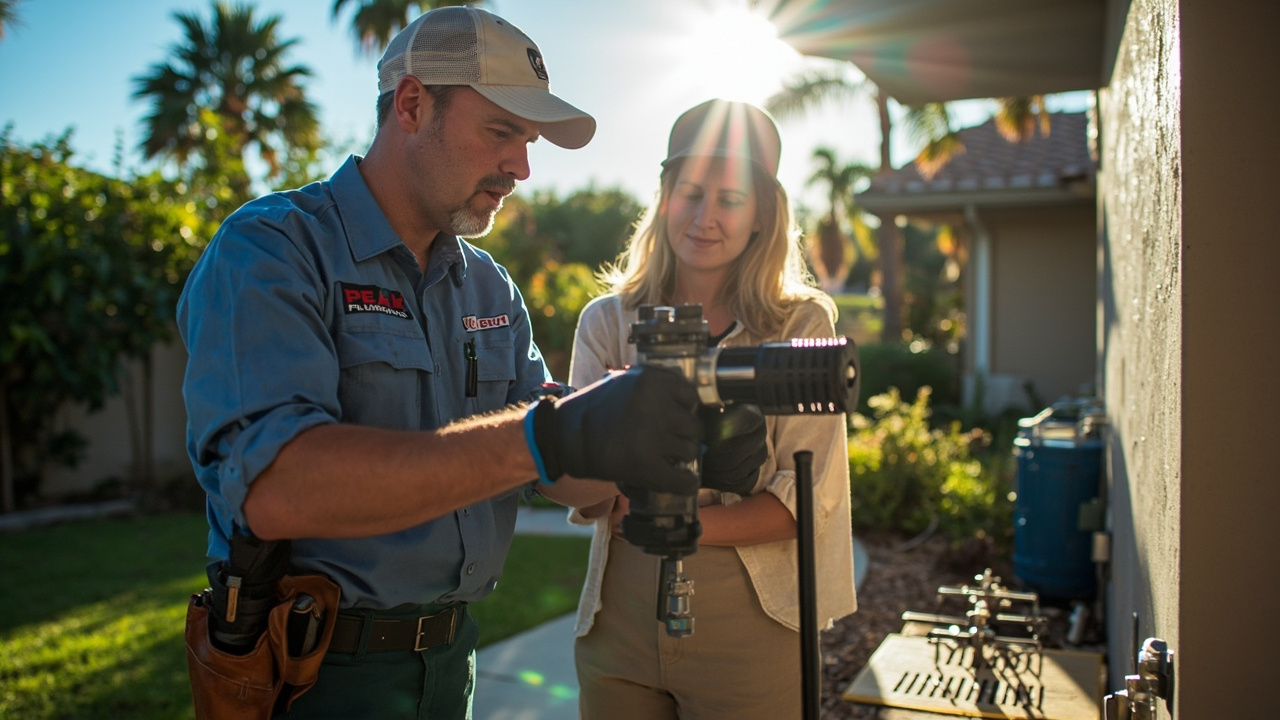
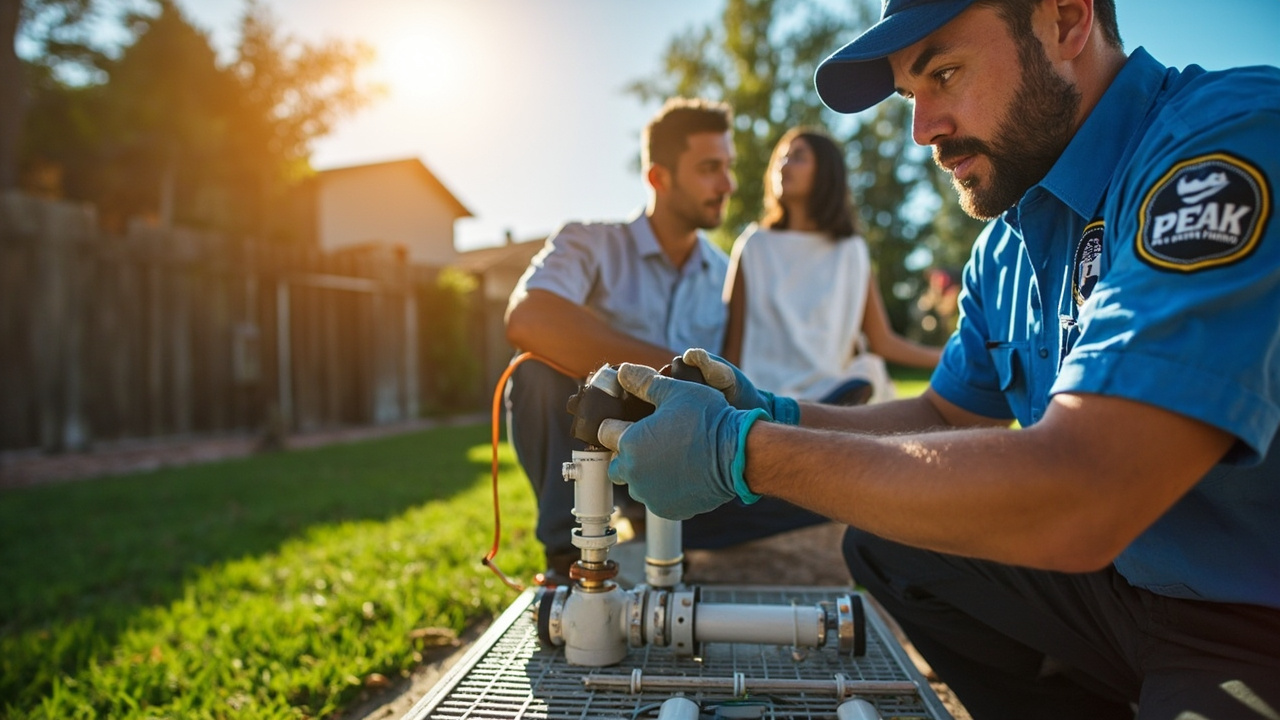
Backflow device testing procedures follow strict protocols that measure pressure differentials and valve function. Technicians isolate the backflow assembly, attach calibrated test equipment to designated test ports, and create controlled pressure conditions that simulate backflow scenarios.

The testing measures whether check valves close completely under reverse pressure and if relief valves open at proper thresholds. For reduced pressure zone assemblies, technicians verify the differential pressure relief valve opens when the pressure between check valves drops below acceptable levels. This three-part test sequence confirms the device prevents contaminated water from entering the potable supply.

Pressure vacuum breakers require different procedures. Technicians check the air inlet valve opens when pressure drops and verify the check valve seats properly. Double check valve assemblies need both check valves tested independently to confirm each creates a barrier against reverse flow.

Phoenix testing standards require equipment calibrated within the past year. Test gauges must measure accurately to 0.1 PSI because backflow preventers operate on precise pressure differentials. A gauge reading 0.3 PSI off can pass a failing device or fail a working one.

The tester documents baseline readings, applies test pressure, records valve operation points, and notes any repairs needed. Failed assemblies must be repaired or replaced before retesting. The city requires specific forms filed within five days of testing showing pass/fail status.

Peak Plumbing Phoenix uses certified testers trained in Phoenix municipal codes. We test reduced pressure assemblies, double check valves, pressure vacuum breakers, and atmospheric vacuum breakers. Our calibrated equipment meets Arizona Department of Water Resources specifications, ensuring accurate results that satisfy city compliance requirements.

What Happens During Your Backflow Test

Understanding Backflow Testing in Phoenix – Protect Your Water Supply from Cross-Contamination Risks
01

Device Location and Isolation

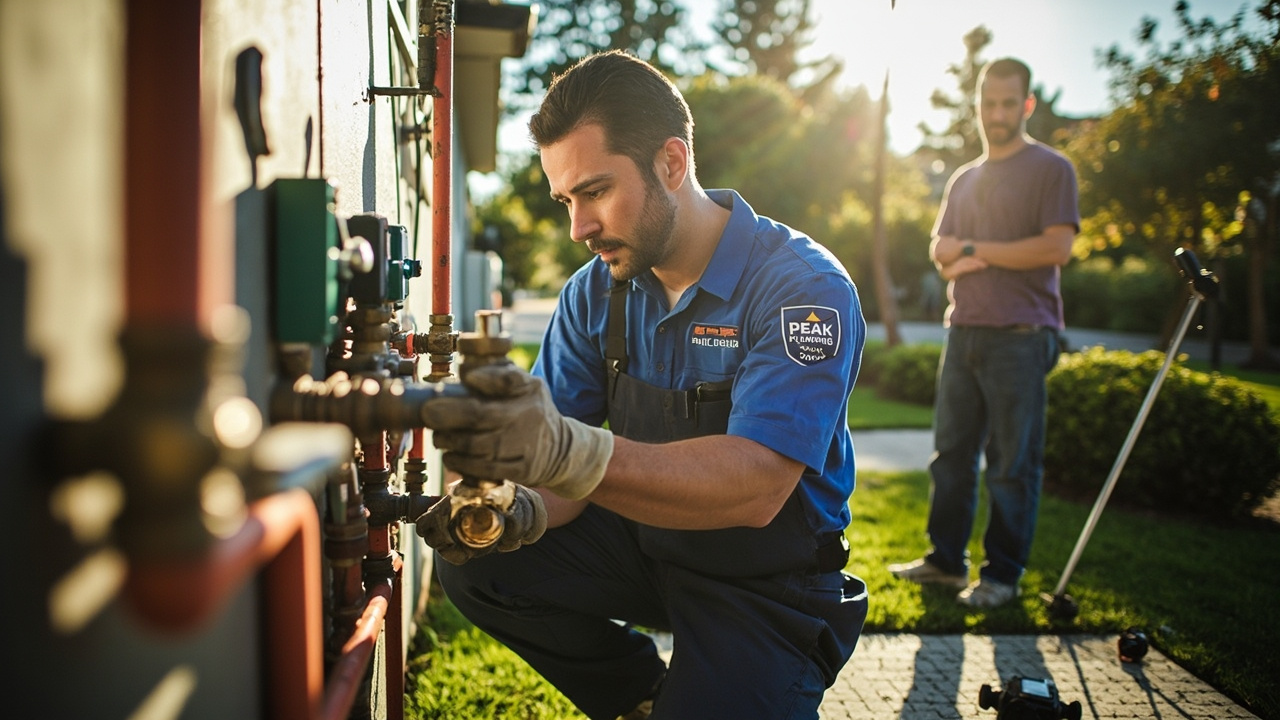
The technician identifies your backflow assembly type and location, verifies the serial number against city records, and isolates the device from your water system. This requires shutting off upstream and downstream valves to create a controlled testing environment. You maintain water service during testing through bypass configurations or scheduled shutoffs during low-usage periods.
02

Pressure Testing and Valve Function

Calibrated test gauges attach to the assembly's test cocks. The technician creates specific pressure conditions that force check valves and relief valves to operate. Each component must perform within tight tolerances. Reduced pressure assemblies undergo differential pressure tests, check valve tightness tests, and relief valve opening point measurements. Any reading outside specifications triggers a failure.
03

Documentation and Compliance Filing

Test results transfer to Phoenix Water Services Department forms documenting pass or fail status, assembly serial numbers, and any repairs performed. Peak Plumbing Phoenix submits these reports directly to the city, ensuring your compliance record updates correctly. You receive copies showing test readings and the next due date for annual recertification, keeping you ahead of code enforcement notices.

Why Phoenix Property Owners Choose Peak Plumbing Phoenix for Backflow Testing

Phoenix backflow testing demands familiarity with city-specific reporting systems and Water Services Department procedures. Peak Plumbing Phoenix maintains direct relationships with municipal inspectors who review our submitted test reports. We understand which forms apply to commercial versus residential properties and how Phoenix's database tracks compliance differently than surrounding cities.

Our technicians carry state-certified backflow tester credentials recognized by Phoenix, Scottsdale, Tempe, and Maricopa County jurisdictions. This certification requires passing rigorous examinations on hydraulic principles, cross-connection control, and testing methodologies. Recertification every three years ensures we stay current with evolving standards.

We stock replacement parts for assemblies common in Phoenix construction. Watts, Wilkins, Febco, and Ames backflow preventers dominate local installations. When testing reveals worn check valve seats or damaged relief valves, we complete repairs immediately rather than scheduling return visits. This prevents extended compliance violations that trigger city fines.

Phoenix's hard water creates unique maintenance challenges. Mineral deposits jam relief valves and coat check valve seating surfaces. Our testing protocols account for these local conditions. We flush assemblies before testing to remove sediment that causes false failures and recommend replacement schedules based on Phoenix water chemistry rather than generic manufacturer timelines.

The city's online compliance portal shows real-time testing status for properties. We verify portal updates after filing reports to catch administrative errors before they become enforcement issues. Property managers appreciate this extra step because it prevents surprise violation notices during tenant lease renewals or property sales.

Peak Plumbing Phoenix schedules testing during your preferred hours, minimizing business disruption for commercial clients. We coordinate with property managers to access backflow assemblies in locked mechanical rooms or rooftop installations. Our mobile testing equipment allows on-site service without transporting devices to off-site facilities.

What to Expect from Professional Backflow Testing

Testing Timeline and Scheduling

Most backflow tests take 20 to 40 minutes per assembly depending on device type and accessibility. Reduced pressure assemblies require more test points than simple check valves. We schedule appointments within your operational windows to avoid disrupting business hours or peak water usage times. Commercial properties with multiple assemblies may need several hours for complete testing. Phoenix requires annual testing, and we send reminders 30 days before your due date to prevent lapses in compliance. Emergency testing for new installations or repairs happens within 48 hours to meet city deadlines for service activation.

Initial Assessment and Pre-Testing Inspection

Before connecting test equipment, technicians visually inspect the assembly for obvious damage, corrosion, or leaks. We verify the device matches city records and confirm test cocks function properly. This pre-testing phase identifies issues that would invalidate test results, like missing air gaps or improperly installed assemblies. Phoenix code requires backflow devices installed in specific orientations with adequate clearance for testing and maintenance. We document non-compliant installations and explain correction requirements. The inspection also reveals whether previous repairs used approved replacement parts, as non-certified components void testing certifications.

Test Results and Pass/Fail Determination

You receive immediate pass or fail notification after testing completes. Passing assemblies generate completed test forms showing all measurements within specifications. Failed devices get detailed reports explaining which components malfunctioned and what repairs are needed. Peak Plumbing Phoenix provides repair estimates on-site for failed assemblies. If you approve repairs, we complete the work and retest the same day when parts are available. This single-visit approach saves you from scheduling multiple appointments and extends compliance deadlines. All test documentation includes photographs of gauge readings and assembly conditions for your records.

Compliance Filing and Future Maintenance

Peak Plumbing Phoenix files test results with Phoenix Water Services Department within 48 hours of testing. We track filing confirmations to ensure your property record updates correctly in city systems. You receive copies of submitted forms and the next testing due date. We maintain testing history for your property, simplifying future service calls and helping diagnose recurring issues. Annual testing schedules enroll you in automatic reminder systems that contact you before compliance deadlines. This proactive tracking prevents the fines and water shutoff notices that result from missed testing dates.

Frequently Asked Questions

You Have Questions,
We Have Answers

How does backflow testing work? +

A certified plumber uses a test kit to measure pressure differentials across your backflow preventer's internal valves. The technician attaches gauges to test ports on the device, then opens and closes specific valves to simulate backflow conditions. Each check valve and relief valve gets tested to confirm it holds pressure correctly and prevents reverse water flow. The entire process takes 15 to 30 minutes. Phoenix requires annual testing because extreme heat and mineral-heavy water accelerate wear on internal components. After testing, you receive documentation showing pass or fail status, which you submit to the city for compliance records.

Can I do backflow testing myself? +

No. Arizona law requires a certified backflow tester to perform annual inspections. You need specialized gauge equipment calibrated annually and training on proper testing procedures for different backflow preventer models. Attempting testing yourself violates Phoenix municipal code and your results will not satisfy compliance requirements. The city only accepts test reports from certified professionals who carry liability insurance. Testing also involves identifying failed components and understanding repair procedures. Without certification, you risk contaminating your property's water supply or the public system. Hire a licensed plumber with current backflow certification to handle testing and keep your property compliant.

What are the basics of backflow preventer? +

A backflow preventer is a valve assembly that stops contaminated water from reversing direction and entering your clean water supply. It contains check valves that allow water to flow one direction only, plus a relief valve that opens if pressure builds incorrectly. Phoenix requires these devices on irrigation systems, fire sprinklers, commercial kitchens, and any connection where non-potable water could mix with drinking water. The preventer sits between your water meter and the potential contamination source. Common types include pressure vacuum breakers, double check valves, and reduced pressure zone assemblies. Each design handles different hazard levels and installation requirements.

Do all plumbers do backflow testing? +

No. Backflow testing requires separate certification beyond a standard plumbing license. Many licensed plumbers choose not to pursue backflow certification because it involves additional training, annual recertification, and investing in specialized test equipment. In Phoenix, you need a plumber who holds current Arizona backflow tester certification issued through approved training programs. These professionals understand cross-connection control regulations and can submit compliant test reports to the city. When scheduling testing, always confirm your plumber carries active backflow certification. Some companies send dedicated backflow specialists rather than general service plumbers to handle annual inspections and repairs.

Is backflow testing hard? +

Testing requires precision but follows a systematic procedure once you understand the process. The physical testing takes 15 to 30 minutes using calibrated gauges. The difficulty lies in interpreting results correctly, identifying why a device fails, and understanding repair options. Phoenix's hard water and temperature extremes create unique failure patterns you learn through experience. Certification courses teach you valve operation, pressure dynamics, and regulatory compliance. You must recertify annually and keep test equipment calibrated. For property owners, the process is simple: schedule a certified tester annually and submit the paperwork. Let professionals handle the technical work and compliance documentation.

What happens if you fail a backflow test? +

You must repair or replace the backflow preventer immediately and schedule a retest. Phoenix does not allow failed devices to remain in service. Common failures include worn check valves, debris blocking seats, or relief valves that do not open at correct pressure. Your tester identifies which components failed and can often repair the device on site by replacing internal parts. After repairs, the technician retests to confirm proper operation. You then receive passing documentation to submit to the city. Ignoring a failed test puts you out of compliance and risks water contamination. Address failures quickly to avoid violations and protect water quality.

Is backflow testing really necessary? +

Yes. Backflow events contaminate drinking water with chemicals, bacteria, sewage, or irrigation runoff. Phoenix mandates annual testing because backflow preventers fail over time due to mineral buildup, worn seals, and extreme heat cycling. A failed device can go unnoticed until contamination occurs. Testing verifies your preventer still protects both your property and the public water system. Cross-connection incidents have caused serious illness outbreaks in other cities. Arizona law requires testing on irrigation systems, fire protection, and commercial properties with potential contamination sources. Testing is your legal obligation and practical protection against health hazards and liability.

How many questions are on the backflow test? +

This question refers to backflow tester certification exams, not device testing. Arizona certification exams typically include 50 to 100 multiple choice questions covering hydraulics, cross-connection theory, device assembly, testing procedures, and state regulations. You must score 70 percent or higher to pass. The exam tests your understanding of different backflow preventer types, pressure dynamics, repair procedures, and documentation requirements. Certification courses run two to four days and include hands-on training before the written test. Once certified, you must recertify annually through continuing education. Property owners do not take this exam. Only professionals seeking certification to perform testing need to pass.

How much to charge to test a backflow? +

Testing costs vary based on device type, accessibility, and property location in Phoenix. Expect to pay between $75 and $150 for standard residential backflow testing on a single device. Commercial properties with multiple assemblies or difficult access points cost more. Reduced pressure zone assemblies take longer to test than simple pressure vacuum breakers, affecting pricing. Costs include the technician's certification, calibrated equipment, liability insurance, travel time, and documentation filing. Emergency or same-day testing commands premium rates. Repair costs are separate if your device fails. Get quotes from certified testers in your area for accurate pricing specific to your property needs.

What are the four types of backflow preventers? +

The four main types are atmospheric vacuum breakers, pressure vacuum breakers, double check valve assemblies, and reduced pressure zone assemblies. Atmospheric vacuum breakers are simple, non-testable devices for low-hazard applications like hose bibs. Pressure vacuum breakers protect irrigation systems and require annual testing. Double check valves suit moderate hazard situations where toxics are not present. Reduced pressure zone assemblies provide maximum protection for high-hazard applications like fire systems or chemical injection. Phoenix determines which type you need based on your water use and contamination risk. Each design has specific installation requirements, testing procedures, and allowable applications under Arizona plumbing code.

How Phoenix Water Pressure Fluctuations Increase Backflow Risks

Phoenix experiences significant water pressure variations during summer when citywide demand spikes. The Salt River Project and city municipal systems struggle to maintain consistent pressure during 115-degree days when residential and commercial usage peaks simultaneously. These pressure drops create vacuum conditions in supply lines that pull contaminated water backward through unprotected cross-connections. Backflow prevention assembly testing verifies your devices activate properly during these low-pressure events. The Valley's rapid growth compounds this issue as new developments stress aging infrastructure built for smaller populations. Annual backflow certification ensures your assemblies adapt to changing pressure conditions in Phoenix's expanding water network.

Phoenix Water Services Department maintains strict backflow testing requirements because the city's water supply serves over 1.6 million residents through interconnected distribution systems. Contamination at one property can spread through shared mains affecting entire neighborhoods. Peak Plumbing Phoenix works directly with city inspectors who audit testing compliance during commercial building inspections and residential permit reviews. Our familiarity with Phoenix-specific reporting procedures ensures your test documentation meets municipal standards without rejection or resubmission delays. We understand how Phoenix's cross-connection control program differs from state baseline requirements, providing testing that satisfies local ordinances rather than generic industry standards.

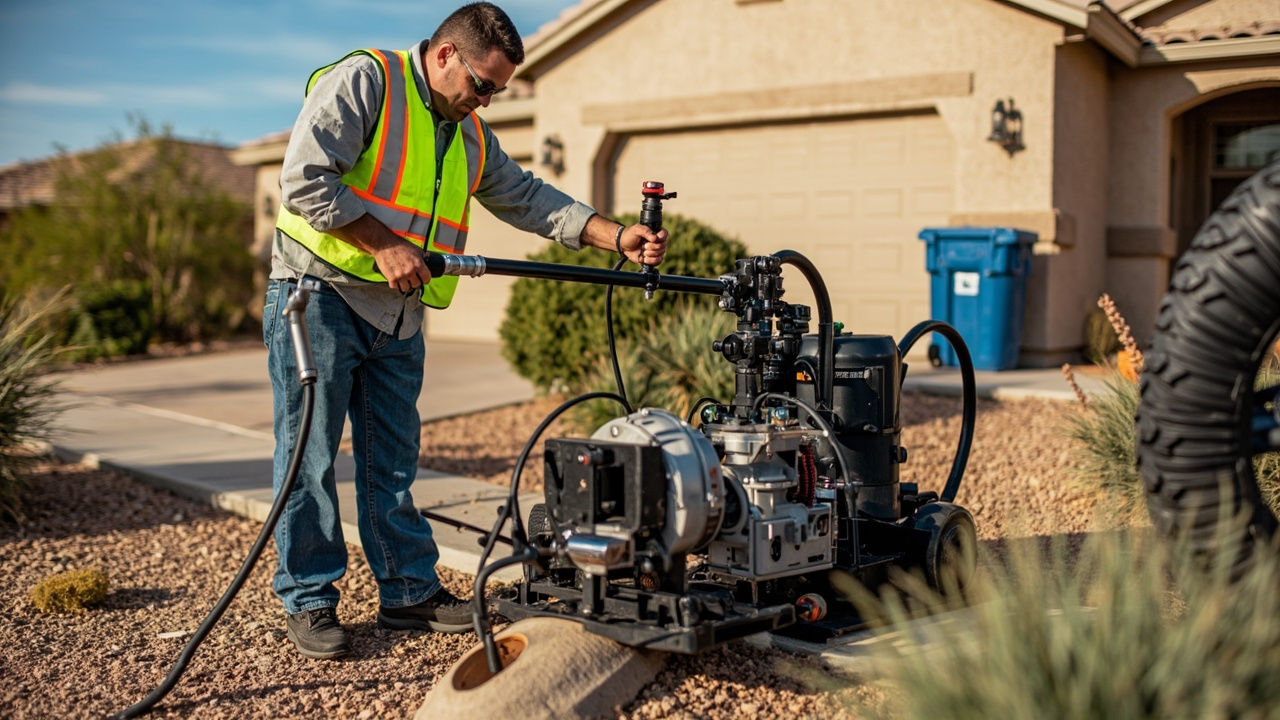
Plumbing Services in The Phoenix Area

We proudly serve residential and commercial customers throughout the Phoenix area. Whether you're located in the city center, suburbs, or surrounding communities, our team is ready to help with fast, reliable plumbing solutions. Use the map below to locate us, or reach out for directions and service area confirmation. At Peak Plumbing, we make it easy for you to access professional plumbing services wherever you are in the region.

Address:
Peak Plumbing Phoenix, 4041 E Thomas Rd, Phoenix, AZ, 85018

Additional Services We Offer

Our news updates

Latest Articles & News from The Blogs

How to Fix Underground Water Main Leaks in Peoria Without Wrecking Your YardA water main leak under your Peoria property…

How to Fix Underground Water Main Leaks in Peoria Without Wrecking Your Yard

How to Fix Underground Water Main Leaks in Peoria Without Wrecking Your YardA water main leak under your Peoria property…

Removing Stubborn Calcium Buildup from Your High End Ocotillo Bathroom Fixtures

Living in the Ocotillo area of Chandler means you likely enjoy a custom home with high end bathroom fixtures. These…

What Every Coronado Historic District Homeowner Should Know Before a Sewer Camera Inspection

Living in the Coronado Historic District offers a unique connection to the architectural heritage of Phoenix. Your home likely features…

Contact Us

Avoid city violations and protect your water supply. Peak Plumbing Phoenix handles testing, repairs, and compliance filing in one visit. Call (623) 288-0099 now to book your backflow prevention assembly testing and maintain uninterrupted water service.