menu

Medical & Dental Gas Plumbing in Phoenix – Certified Installation That Keeps Your Facility Compliant and Operational

Peak Plumbing Phoenix delivers code-compliant medical gas pipeline services for hospitals, surgical centers, dental offices, and healthcare facilities across the Phoenix metro, minimizing downtime and ensuring patient safety through precision installation and certified med gas expertise.

Slider Image 1
Slider Image 2
Slider Image 3
Slider Image 4
Slider Image 5
Slider Image 7
Slider Image 8
Slider Image 9
Slider Image 10
Slider Image 11

Why Medical Gas Systems Demand Specialized Expertise in Phoenix Healthcare Facilities

Medical and dental gas piping systems are not standard plumbing. They are life-support infrastructure. A single leak in an oxygen line or cross-connection in nitrous oxide piping can compromise patient safety, trigger regulatory shutdowns, and expose your facility to liability.

Phoenix's booming healthcare sector, from the Banner Health network to standalone surgical centers in Arcadia and Deer Valley, relies on certified med gas installation services that meet NFPA 99 standards and Arizona Department of Health Services regulations. The valley's extreme heat places additional stress on copper medical gas pipeline services, accelerating oxidation and joint degradation if installations are not executed with precision brazing techniques and proper pressure testing protocols.

Dental gas piping for nitrous oxide systems requires dedicated ventilation planning due to Phoenix's high ambient temperatures, which can concentrate gas in poorly ventilated operatory spaces. Medical facilities in Scottsdale, Tempe, and central Phoenix face strict inspection cycles. A failed inspection means delayed openings, lost revenue, and reputational damage.

You need certified med gas plumbers who understand the difference between Type K and Type L copper tubing, who can properly size manifold systems for peak demand, and who document every weld and pressure test for regulatory audits. Generic plumbing contractors lack the specialized training and certification to touch medical gas systems. The risk is too high. The stakes are patient lives.

Why Medical Gas Systems Demand Specialized Expertise in Phoenix Healthcare Facilities
How Peak Plumbing Phoenix Engineers Code-Compliant Medical Gas Infrastructure

How Peak Plumbing Phoenix Engineers Code-Compliant Medical Gas Infrastructure

We approach every medical gas piping system as a precision-engineered life-support network. Our certified med gas plumbers hold ASSE 6010 Medical Gas Installer certifications and complete ongoing training in NFPA 99 updates, Arizona state amendments, and manufacturer-specific protocols for medical gas equipment.

Our process begins with load calculations. We analyze your facility's peak simultaneous demand across all zones, factoring in surgical suites, recovery bays, and emergency departments. This determines proper pipe sizing, manifold capacity, and alarm system integration. Undersized systems cause pressure drops during critical procedures. Oversized systems waste capital and complicate future modifications.

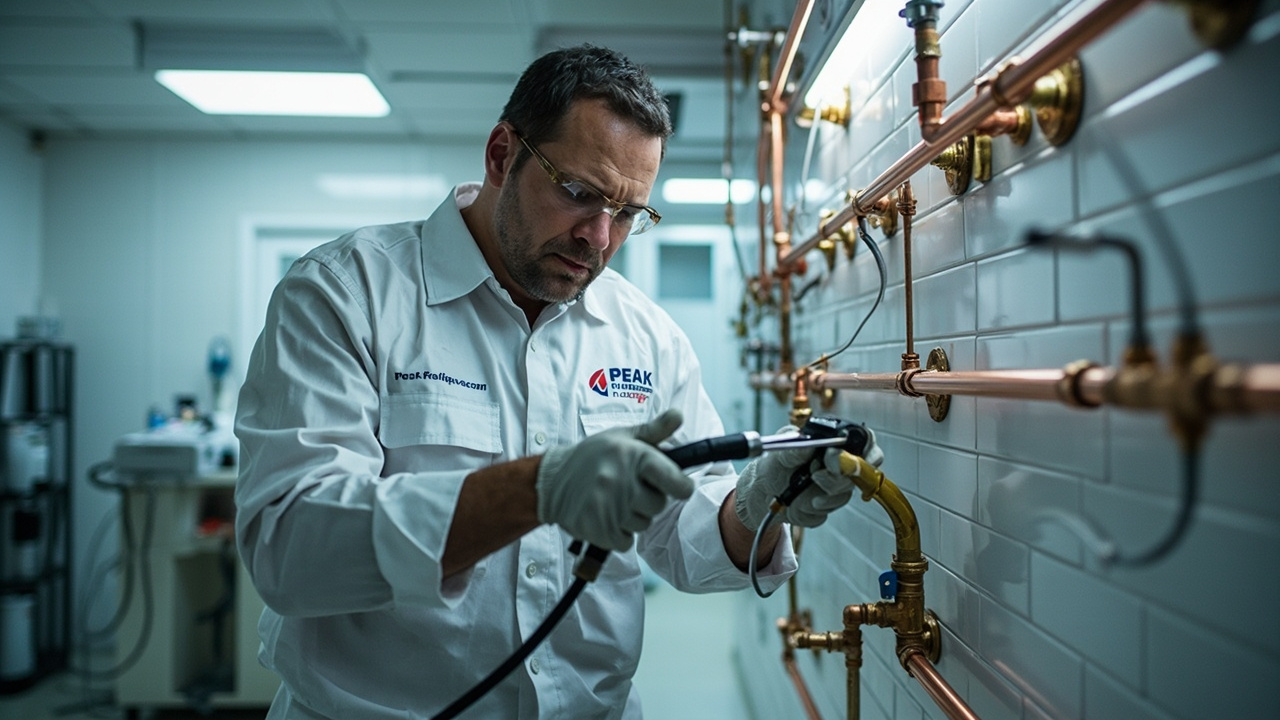
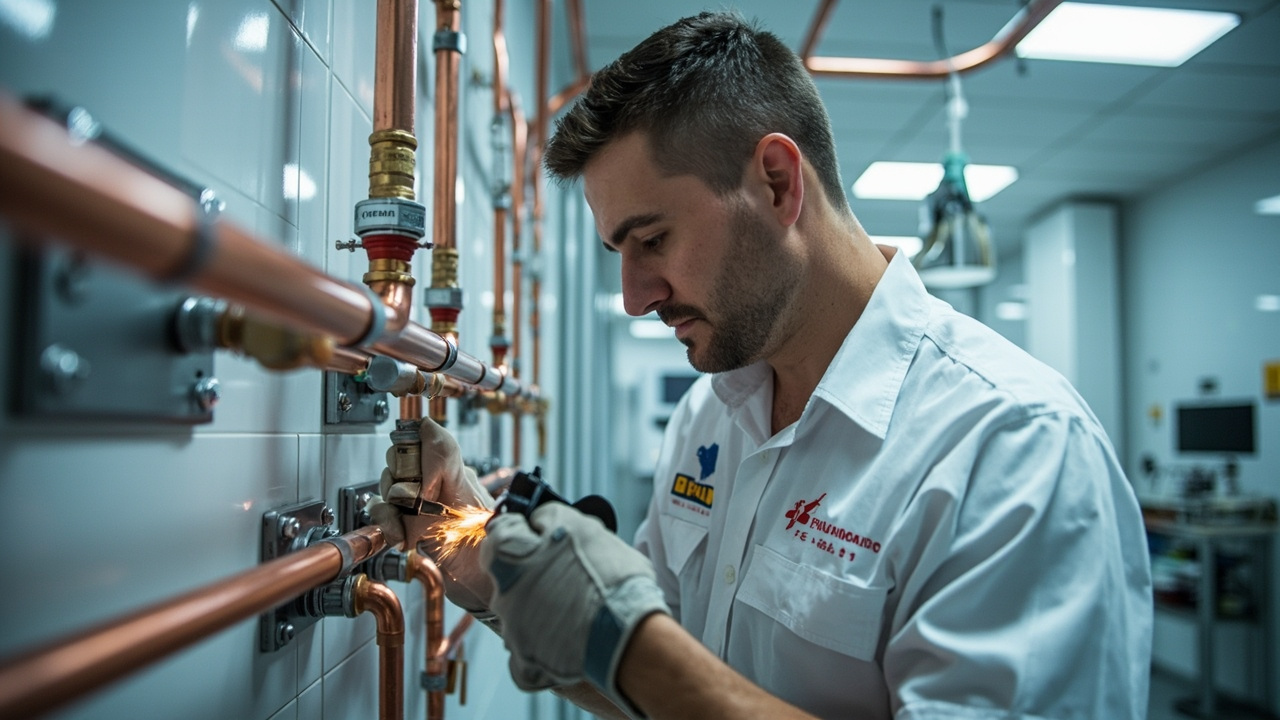
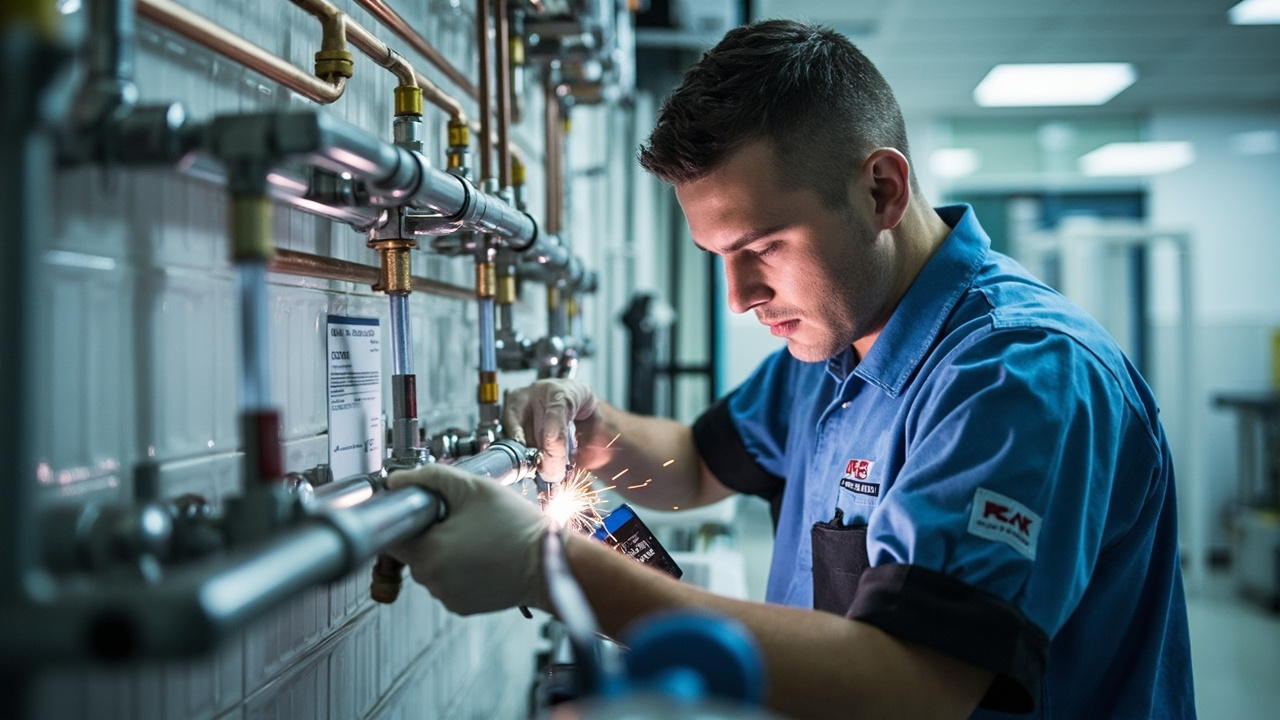
We use only cleaned and capped medical-grade copper tubing, stored in controlled environments to prevent contamination. Brazing is performed with nitrogen purging to eliminate interior oxidation, a non-negotiable step that generic plumbers often skip. Every joint is visually inspected and pressure tested at 150 percent of operating pressure for 24 hours.

Zone valve boxes are strategically located per NFPA 99 egress requirements, with clear signage and tamper-evident seals. We integrate medical gas alarm panels with your building management system, ensuring real-time monitoring of pressure drops, cross-connections, and supply depletion.

Documentation is exhaustive. You receive a complete as-built drawing package, material certifications, brazer qualifications, and a detailed test report log. This documentation is your defense during Joint Commission surveys and state inspections. We do not hand you a system and disappear. We hand you a fully auditable, code-compliant installation that passes inspection the first time.

What Happens During a Medical Gas System Installation

Medical & Dental Gas Plumbing in Phoenix – Certified Installation That Keeps Your Facility Compliant and Operational
01

Facility Assessment and Design

We conduct a detailed site survey to map existing infrastructure, identify load requirements, and assess space constraints for manifold rooms and zone valve placement. Our team reviews architectural plans, coordinates with mechanical and electrical contractors, and designs a medical gas pipeline layout that meets NFPA 99 spacing requirements while accommodating future expansion. You receive stamped engineering drawings before any pipe is cut.
02

Precision Installation and Testing

Certified med gas plumbers install cleaned copper tubing using nitrogen-purged brazing techniques, eliminating oxidation that contaminates gas pathways. Every section undergoes a standing pressure test, followed by a cross-connection test using helium trace gas detection. We verify proper labeling, color-coding, and alarm functionality. All work is photographed and logged. No shortcuts. No assumptions. Only verifiable compliance with medical gas installation standards.
03

Verification and Final Documentation

Before your facility goes live, we conduct a final verification protocol with a third-party inspector, testing gas purity, pressure consistency, and alarm response. You receive a bound documentation package including as-built drawings, material certifications, test reports, and maintenance guidelines. We coordinate with state inspectors to ensure smooth approval. Your system is operational, compliant, and audit-ready from day one. No delays. No surprises.

Why Phoenix Healthcare Facilities Trust Peak Plumbing for Medical Gas Systems

Medical gas work is not a side service we dabble in. It is a core competency. Our plumbers carry active ASSE 6010 certifications and participate in annual recertification training, keeping pace with evolving NFPA 99 standards and Arizona regulatory amendments.

We understand the Phoenix healthcare landscape. We have worked with facilities in the Camelback Corridor, near Phoenix Children's Hospital, and throughout the East Valley. We know which inspectors cover which jurisdictions. We know the common pitfalls that delay approvals, such as improper zone valve placement in facilities near the Maricopa Medical Center or inadequate ventilation design in dental offices in Glendale's historic districts.

Our relationships with local suppliers ensure we source medical-grade materials without lead times that stall your project. We coordinate with general contractors, architects, and equipment vendors to keep your build on schedule. A delayed gas system installation delays your certificate of occupancy. We do not let that happen.

Peak Plumbing Phoenix carries the liability coverage and bonding required for healthcare construction projects. We submit to background checks and comply with facility credentialing requirements. You are not bringing an unknown contractor into a sterile environment. You are bringing a vetted, certified team that understands the stakes.

When a hospital expansion in Scottsdale or a dental office buildout in Ahwatukee needs medical gas pipeline services, they call us because we deliver systems that pass inspection the first time. No callbacks. No excuses. Just compliant, operational infrastructure that keeps your facility running and your patients safe.

What to Expect When You Partner with Peak Plumbing Phoenix

Project Timeline and Coordination

Medical gas installations are scheduled around your construction milestones and occupancy deadlines. We provide a detailed project timeline during the design phase, coordinating with general contractors to sequence rough-in, pressure testing, and final connections. Typical installations for a multi-room dental office take two to three weeks from rough-in to final inspection. Larger surgical center projects require four to six weeks, depending on scope and complexity. We communicate progress daily and flag potential delays before they impact your schedule. Your certificate of occupancy depends on our work. We treat that deadline as non-negotiable.

Engineering Review and Code Compliance

Before installation begins, our team reviews your architectural and mechanical plans to identify conflicts and ensure compliance with NFPA 99, International Mechanical Code, and Arizona state amendments. We verify that manifold rooms meet ventilation and access requirements, that zone valves are positioned per egress codes, and that alarm panels integrate with your building management system. If your design has gaps, we identify them early. We submit stamped engineering drawings for permit approval, reducing back-and-forth with plan reviewers. You get a system designed right the first time, not a retrofit after the drywall is up.

Inspection-Ready Documentation

Regulatory audits and Joint Commission surveys demand exhaustive documentation. We deliver a complete record package including as-built drawings with precise measurements, material certifications proving medical-grade copper and fittings, brazer qualification cards, pressure test logs with time-stamped data, and cross-connection test reports using helium trace gas analysis. Every document is organized, indexed, and ready for auditor review. We also provide digital backups and training for your facilities team on system operation, alarm response, and routine maintenance checks. You are not just getting a functional system. You are getting a defensible, audit-proof installation.

Ongoing Support and System Modifications

Medical gas systems evolve as your facility expands. Adding a new operatory or converting a storage room into a procedure space requires recalculating load, extending piping, and retesting the entire zone. Peak Plumbing Phoenix provides ongoing support for system modifications, pressure testing after renovations, and emergency response if an alarm triggers or a zone valve fails. We maintain records of your original installation, making future modifications faster and more accurate. When you need to add capacity or troubleshoot a pressure drop, you call a team that already knows your system inside and out.

Frequently Asked Questions

You Have Questions,
We Have Answers

What is medical gas plumbing? +

Medical gas plumbing is a specialized system that delivers medical gases, oxygen, nitrous oxide, and vacuum to patient care areas in hospitals, clinics, and dental offices. These systems require copper piping, specialized fittings, and strict compliance with NFPA 99 standards. Unlike standard plumbing, medical gas systems demand clean-room assembly techniques, pressure testing, and documentation to prevent contamination. Phoenix facilities must maintain these systems to ensure patient safety and meet Arizona Department of Health Services regulations. Installation requires licensed contractors trained in medical gas protocols, not general plumbers.

What type of pipe is used for medical gas? +

Medical gas systems use Type K or Type L copper pipe, which is degreased, cleaned, and capped at the factory to prevent contamination. Brazed connections use nitrogen purging to eliminate oxidation during installation. The copper must meet ASTM B819 standards for medical gas applications. Stainless steel is sometimes used in large facilities. Phoenix hospitals cannot use standard hardware store copper because it contains oils and particulates that compromise patient safety. Every joint requires documentation and pressure testing. The piping color-codes indicate gas type, with green for oxygen and blue for medical air.

What is gas plumbing called? +

Gas plumbing is called fuel gas piping when referring to natural gas or propane for heating and cooking. Medical gas plumbing is a separate discipline governed by NFPA 99 and healthcare facility codes. In commercial settings, technicians distinguish between fuel gas work and medical gas work because the certifications, materials, and code requirements differ completely. Phoenix contractors must hold separate licenses for medical gas installation. The terminology matters for liability, insurance, and regulatory compliance. When facilities request gas piping, clarify whether they need fuel gas or medical gas systems.

What is a med gas certification? +

A medical gas certification verifies that a technician or contractor meets ASSE 6010 standards for installing, maintaining, or testing medical gas systems. ASSE 6030 covers maintenance personnel. These certifications require classroom training, hands-on testing, and recertification every three years. Phoenix medical facilities cannot legally use uncertified installers for medical gas work. The certification proves competency in brazing techniques, pressure testing, NFPA 99 compliance, and documentation requirements. Hospitals verify certification before allowing contractors onsite. The credential protects patients by ensuring installers understand contamination control and emergency shut-off protocols.

What is the highest paid type of plumber? +

Medical gas plumbers typically earn the highest wages among plumbing specialties, with hourly rates 30 to 50 percent above residential plumbers. The specialized training, liability, and regulatory complexity command premium pricing. Phoenix medical facilities pay more because downtime risks patient care and JCAHO compliance. Industrial plumbers working on process piping and pipefitters in power plants also earn top wages. The work requires ASSE certifications, strict quality control, and after-hours emergency response. Medical gas installers stay busy in Phoenix due to expanding healthcare infrastructure and aging hospital systems requiring retrofits.

What qualifications do you need to work with gas? +

Gas work requires a contractor license specific to your state, with separate endorsements for fuel gas and medical gas. Arizona demands a C-37 Plumbing Contractor license for fuel gas installation. Medical gas work requires ASSE 6010 Professional certification plus facility-specific training. Phoenix contractors must carry liability insurance, submit to background checks for hospital access, and complete OSHA safety training. Brazing certification and pressure testing competency are mandatory. Technicians need clean driving records for facility credentialing. Medical gas installers also complete infection control training before accessing patient care areas.

What is considered a medical gas? +

Medical gases include oxygen, nitrous oxide, medical air, nitrogen, carbon dioxide, and vacuum systems used in patient treatment. Oxygen supports breathing, nitrous oxide provides sedation, and medical air powers surgical tools. Vacuum systems remove fluids during procedures. Each gas requires separate piping with color-coded lines and specific pressure ranges. Phoenix dental offices primarily use nitrous oxide and compressed air, while hospitals need full multi-gas systems. NFPA 99 classifies these as Category 1 systems requiring the highest safety standards. Facilities monitor gas purity and pressure continuously to prevent contamination.

Can schedule 40 PVC be used for gas? +

Schedule 40 PVC cannot be used for any gas application, medical or fuel. Medical gas requires Type K or L copper meeting ASTM B819 standards. Fuel gas uses black steel, CSST, or approved PE piping underground. PVC lacks the strength, fire resistance, and purity required for gas service. Phoenix building codes prohibit PVC for gas under any circumstance. Using PVC for gas creates explosion risks, violates NFPA codes, and voids facility insurance. Inspectors red-tag PVC gas installations immediately. Only approved metallic piping materials meet safety and regulatory requirements.

Which type of pipe cannot be used for a gas? +

Galvanized steel cannot be used for medical gas because zinc flakes contaminate the gas stream and damage patient lungs. PVC, CPVC, and PEX are prohibited for any gas application. Aluminum reacts with oxygen under pressure. Phoenix medical facilities must use degreased copper or stainless steel only. Fuel gas systems prohibit copper because natural gas condensate causes corrosion. Cast iron and ductile iron are banned for gas service. Even brass fittings require specific approvals. Code compliance protects facilities from liability and maintains accreditation. Inspectors verify materials against approved lists before installation.

What is a gas plumber called? +

A gas plumber is often called a pipefitter when working on fuel gas distribution systems in commercial buildings. Medical gas installers are medical gas technicians or medical gas specialists because the work differs completely from standard plumbing. In Phoenix, contractors distinguish between gas fitters handling natural gas and certified medical gas installers working on healthcare systems. The terminology signals expertise and licensing. Facilities request medical gas contractors, not plumbers, for hospital work. The distinction matters for insurance, permitting, and regulatory compliance under Arizona contractor licensing boards.

Why Phoenix's Healthcare Growth Demands Specialized Medical Gas Expertise

Phoenix is one of the fastest-growing healthcare markets in the Southwest. New surgical centers, dental offices, and specialty clinics are opening across Scottsdale, Gilbert, and the West Valley. This growth creates demand for certified med gas installation services that meet stringent NFPA 99 and Arizona Department of Health Services standards. The valley's extreme heat, with summer temperatures exceeding 115 degrees, accelerates copper oxidation and stresses improperly brazed joints in medical gas pipeline systems. Facilities that cut corners with uncertified plumbers face failed inspections, costly rework, and delayed openings. Phoenix's regulatory environment is unforgiving. Your medical gas piping system must be right the first time.

Peak Plumbing Phoenix has built relationships with healthcare facilities across the Phoenix metro, from the Camelback Corridor to Chandler's medical district. We understand local permitting processes, inspection schedules, and the specific concerns of Maricopa County health inspectors. Our certified med gas plumbers carry ASSE 6010 credentials and maintain active continuing education in updated NFPA standards and state code amendments. When a hospital expansion or dental office buildout needs dental gas piping or oxygen manifold installation, choosing a local team with proven healthcare experience reduces risk, ensures compliance, and keeps your project on schedule. We are not learning on your job. We are applying years of Phoenix-specific medical gas expertise.

Plumbing Services in The Phoenix Area

We proudly serve residential and commercial customers throughout the Phoenix area. Whether you're located in the city center, suburbs, or surrounding communities, our team is ready to help with fast, reliable plumbing solutions. Use the map below to locate us, or reach out for directions and service area confirmation. At Peak Plumbing, we make it easy for you to access professional plumbing services wherever you are in the region.

Address:
Peak Plumbing Phoenix, 4041 E Thomas Rd, Phoenix, AZ, 85018

Additional Services We Offer

Our news updates

Latest Articles & News from The Blogs

Living in the Biltmore area comes with certain expectations of quality and preservation. Many homes in this historic Phoenix pocket…

Trenchless Sewer Pipe Repair Options for Biltmore Estate Homes

Living in the Biltmore area comes with certain expectations of quality and preservation. Many homes in this historic Phoenix pocket…

How to Fix Underground Water Main Leaks in Peoria Without Wrecking Your Yard

How to Fix Underground Water Main Leaks in Peoria Without Wrecking Your YardA water main leak under your Peoria property…

Removing Stubborn Calcium Buildup from Your High End Ocotillo Bathroom Fixtures

Living in the Ocotillo area of Chandler means you likely enjoy a custom home with high end bathroom fixtures. These…

Contact Us

Your facility's safety and compliance depend on certified medical gas installation. Call Peak Plumbing Phoenix at (623) 288-0099 to schedule an engineering consultation. We deliver audit-ready systems that meet NFPA 99 standards and keep your Phoenix healthcare facility operational.