menu

How to Prevent Frozen Pipes in Phoenix – Protect Your Home Before Desert Winters Strike

Learn proven frozen pipe prevention tips from Phoenix plumbing experts who understand how to winterize plumbing pipes in the Valley's unique desert climate, where rapid temperature swings create freeze risks homeowners often overlook.

Slider Image 1
Slider Image 2
Slider Image 3
Slider Image 4
Slider Image 5
Slider Image 7
Slider Image 8
Slider Image 9
Slider Image 10
Slider Image 11

Why Phoenix Homeowners Face Unexpected Freeze Damage

You might think frozen pipes only affect homes in Minnesota or Colorado. That assumption costs Phoenix homeowners thousands in burst pipe damage every winter.

The Valley's desert climate creates a false sense of security. Most Phoenix nights stay mild, but when Arctic air masses push south, temperatures can plunge into the low 20s. Your plumbing system was not built for these extremes. Builders in Phoenix rarely insulate exterior walls or pipe runs the way they do in consistently cold climates. Your pipes sit exposed in attics with minimal insulation, run through unheated crawl spaces, or snake along north-facing exterior walls that never see direct sunlight.

The real danger comes from the speed of the temperature drop. A 70-degree afternoon can turn into a 25-degree morning in less than 12 hours. Your pipes do not have time to acclimate. Water sitting in those lines freezes, expands, and cracks copper or PEX piping before you realize what is happening.

Stopping pipes from freezing in Phoenix requires a different approach than traditional winterizing methods. You face infrequent but severe cold snaps rather than sustained freezing conditions. The homes in North Phoenix neighborhoods near Desert Ridge or Anthem sit at higher elevations where temperatures drop faster. Properties in Ahwatukee or South Mountain areas with older construction often have exposed piping in attic spaces that turn into ice boxes when cold fronts arrive.

Protecting pipes from freezing means understanding which parts of your system are vulnerable. The hose bibs on your north wall. The washing machine supply lines in your garage. The pool equipment plumbing sitting in an unheated enclosure. These are the failure points that flood homes when the next freeze warning hits Maricopa County.

Why Phoenix Homeowners Face Unexpected Freeze Damage
Effective Winterizing Strategies for Desert Plumbing Systems

Effective Winterizing Strategies for Desert Plumbing Systems

Keeping water pipes from freezing in Phoenix starts with identifying your exposure points. Walk your property and locate every pipe that sits in an unconditioned space. Attics are the primary concern. Most Phoenix homes have copper or PEX supply lines running through attic spaces to feed second-floor fixtures or cross from one side of the house to the other. These lines sit in 120-degree heat all summer and 25-degree cold during winter nights. That temperature swing stresses the material even before ice formation becomes a factor.

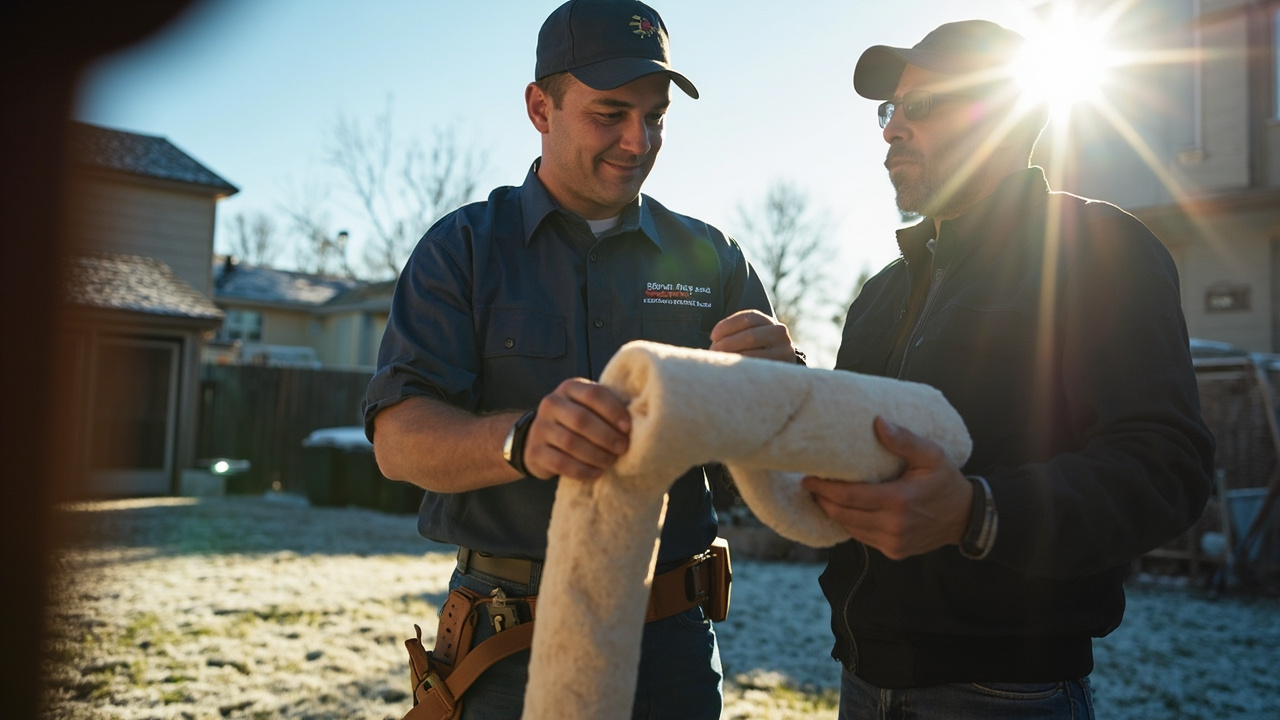
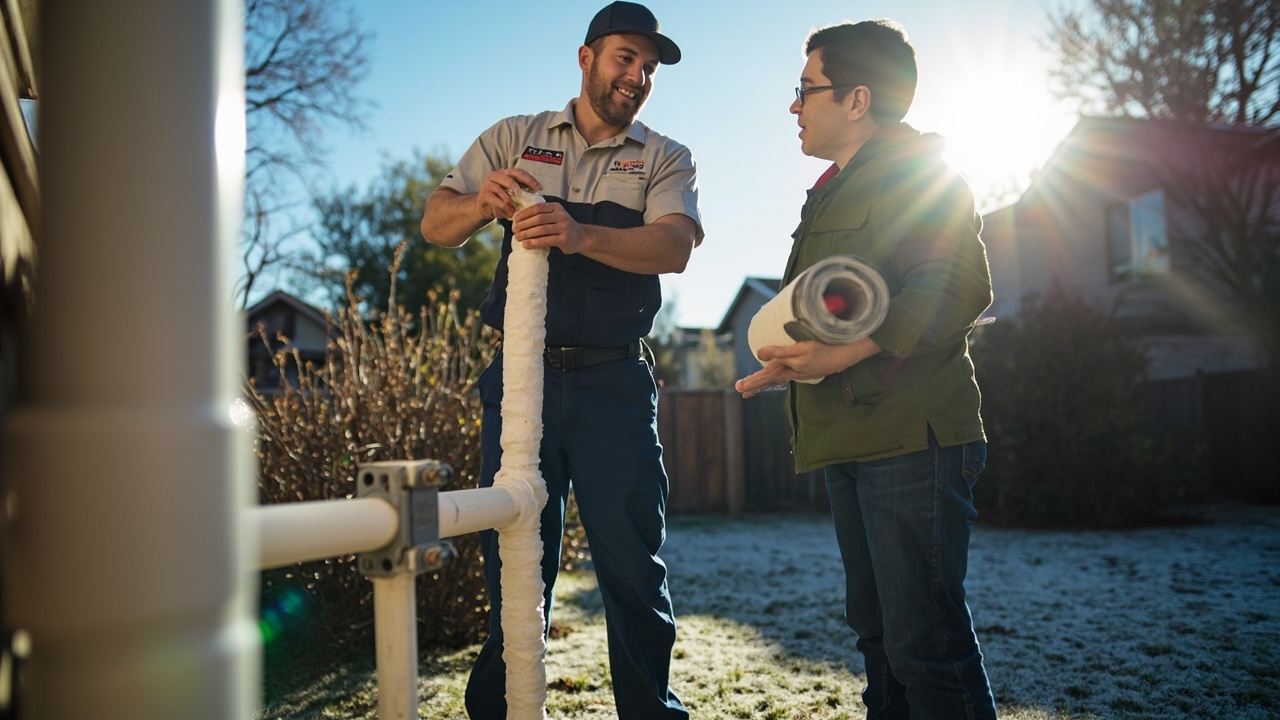
Pipe insulation is your first defense. Foam pipe sleeves work for accessible runs, but you need closed-cell foam rated for outdoor use. The cheap stuff from big box stores degrades in attic heat. Wrap every inch of exposed piping, especially the first six feet of pipe coming off your water heater. Cold water lines freeze faster than hot lines because they lack residual heat from recent use.

Exterior hose bibs need vacuum breakers or frost-free sillcocks. Standard hose bibs have the valve seat right at the exterior wall, where cold air hits the metal directly. Frost-free models move the valve seat 12 inches inside the wall, into conditioned space. If you cannot replace the fixture, install an insulated bib cover and disconnect all hoses. Water trapped in an attached hose will freeze back into the pipe and crack the valve body.

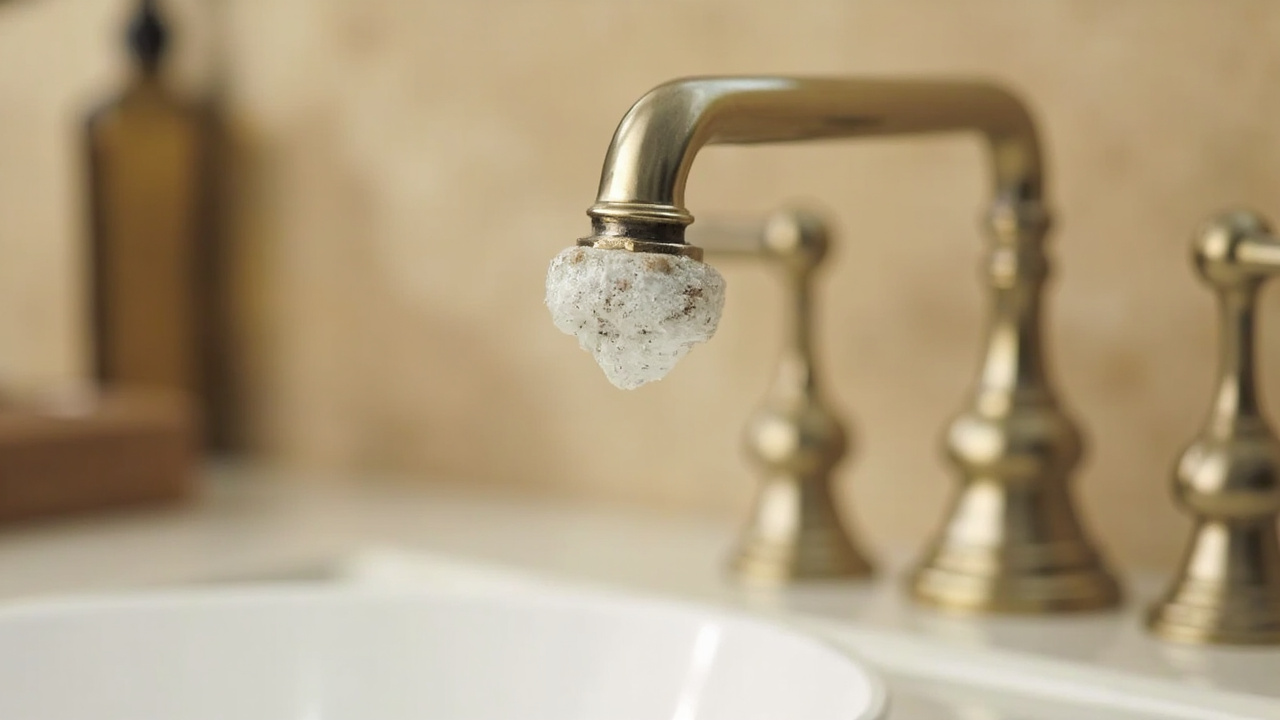
Cabinet doors under sinks on exterior walls should stay open during freeze warnings. That allows warm air from your home to circulate around the supply lines. Let faucets drip when temperatures drop below 28 degrees. Moving water resists freezing. You only need a pencil-thin stream. The cost of the extra water is nothing compared to flood damage from a burst pipe.

Pool equipment and irrigation systems need complete drainage. Any water left in pumps, filters, or above-ground piping will freeze and crack housings. The backflow preventers on your irrigation main are especially vulnerable because they sit above ground with metal components that conduct cold efficiently.

Your Freeze Protection Action Plan

How to Prevent Frozen Pipes in Phoenix – Protect Your Home Before Desert Winters Strike
01

Insulate Vulnerable Lines

Start with your attic. Identify every water line running through unconditioned space. Use foam pipe insulation rated for extreme temperatures. Pay attention to the pipe joints and elbows, where cracks most often occur. Secure the insulation with UV-resistant zip ties. Check your garage and any exterior walls on the north side of your home. These areas lose heat faster than south-facing walls that get winter sun. The investment in proper insulation pays for itself the first time a freeze warning gets issued.
02

Prepare Exterior Fixtures

Disconnect all garden hoses and drain them completely. Install insulated covers on every hose bib. If you have an outdoor kitchen or bar area, shut off the dedicated water line and drain it through the lowest point. Pool equipment needs winterization even in Phoenix. Drain the pump, filter, and heater. Leave drain plugs out so any residual water can escape. Your irrigation backflow preventer should get wrapped in insulation or have a dedicated insulated cover. This single component causes more freeze damage claims than any other exterior plumbing fixture.
03

Monitor and React

Set up weather alerts on your phone for freeze warnings in Maricopa County. When temperatures are forecast to drop below 28 degrees, open cabinet doors under sinks on exterior walls. Let faucets drip in bathrooms or kitchens on outside walls. Check your attic temperature if accessible. If it drops below 35 degrees, you need better insulation or supplemental heat. Keep your thermostat at 55 degrees minimum if you travel during winter. A cold house invites frozen pipes. Know where your main water shutoff is located and how to operate it.

Why Phoenix Expertise Matters for Freeze Prevention

National plumbing advice does not translate to Phoenix conditions. Articles written for Chicago or Boston assume your pipes are already insulated and your home was built for cold weather. That is not your reality.

Phoenix homes were engineered for heat management, not cold protection. Your attic ventilation system is designed to evacuate hot air in summer. That same ventilation pulls in freezing air during winter cold snaps. The building codes in Maricopa County do not require the same pipe protection standards you would find in northern states. Builders use the minimum insulation necessary to pass inspection, which means your pipes sit more exposed than you realize.

Peak Plumbing Phoenix has repaired freeze damage in every Phoenix neighborhood from Arcadia to Surprise. We know which subdivisions have the worst attic insulation. We know which builders used exterior pipe runs that never should have been approved. We know that homes built before 1990 in Scottsdale often have galvanized pipes in attics that crack at the threads when ice forms.

The plumbers who work year-round in Phoenix understand the specific failure points in desert construction. We have seen what happens when a home in Desert Ridge loses heat during a power outage on a 20-degree night. We have replaced the shattered copper lines in Ahwatukee homes where pipes run through vented attics with zero insulation. We know that the fancy smart home systems in new Chandler construction do not prevent frozen pipes if the builder ran supply lines along exterior walls without proper protection.

Local knowledge means faster diagnosis and better prevention. We do not waste time checking things that are not relevant to Phoenix construction. We focus on the actual vulnerabilities in your specific home. When you call Peak Plumbing Phoenix about winterizing plumbing pipes, you get technicians who have seen every variation of freeze damage this climate can produce.

What You Get When You Winterize With Peak Plumbing Phoenix

Same-Day Prevention Service

When the National Weather Service issues a freeze warning for Phoenix, you do not have days to prepare. You have hours. Peak Plumbing Phoenix offers same-day winterization service when cold snaps approach. We prioritize prevention calls because stopping a frozen pipe is faster and cheaper than repairing the flood damage. Our trucks carry pipe insulation, heat tape, and frost-free sillcocks in stock. We do not need to order parts or schedule a return visit. One trip handles your freeze protection needs. Call before noon and we can typically arrive the same day during winter months when freeze risk is highest.

Whole-Home Vulnerability Assessment

We walk your entire property to identify freeze risk points you might miss. Attic inspections reveal uninsulated pipe runs. Exterior surveys find hose bibs without protection. We check your pool equipment, irrigation backflow preventers, and any outdoor plumbing fixtures. You get a written report listing every vulnerable point and the recommended protection method. We explain which areas need immediate attention and which can wait. The assessment includes temperature monitoring in your attic space if accessible. If your attic drops below 40 degrees on a mild night, your pipes will freeze when a real cold snap arrives. We give you the facts you need to make informed decisions about protecting your home.

Professional-Grade Materials and Installation

The foam pipe insulation we install is rated for Phoenix temperature extremes. It will not degrade in 130-degree attic heat or crack in 20-degree cold. Our heat tape installations include thermostatic controls that activate only when temperatures drop below 38 degrees. You do not waste electricity running heat tape when it is 50 degrees at night. Frost-free sillcock replacements get installed with proper slope to ensure complete drainage. We use PEX piping for any repairs or re-routes because it handles freeze-thaw cycles better than rigid copper. Every installation meets current Phoenix building codes. You get protection that works when you need it most.

Pre-Winter System Checks

Schedule a fall prevention inspection before the first cold front arrives. We verify that last year's winterization is still intact and effective. Insulation can shift or degrade. Hose bib covers get lost or damaged. We test your exterior shutoff valves to confirm they actually stop water flow. A valve that has not been operated in five years might be seized open. We check for pinhole leaks in attic piping that could turn into full ruptures under freeze stress. The inspection takes 45 minutes and gives you confidence that your home is ready when temperatures drop. We offer seasonal reminders so you never forget to prepare before winter hits.

Frequently Asked Questions

You Have Questions,
We Have Answers

How do I stop my pipes from freezing? +

Insulate exposed pipes in unheated areas like crawl spaces, attics, and exterior walls. Use foam pipe sleeves or fiberglass wrap on vulnerable copper and PVC lines. Disconnect outdoor hoses and shut off exterior hose bibs before winter. Seal cracks and gaps near plumbing with caulk or foam to block cold air. Keep cabinet doors open under sinks to allow warm air circulation. If temperatures drop near freezing, let faucets drip slightly. Phoenix homes built on slab foundations often have exposed pipes in attics or north-facing exterior walls, making insulation critical during rare winter cold snaps.

At what temperature will pipes freeze? +

Pipes freeze when water inside reaches 32 degrees Fahrenheit. However, pipe damage typically occurs when outdoor temperatures drop to 20 degrees or below for several hours. Copper pipes freeze faster than PVC. Exposed pipes in unheated spaces freeze first. Phoenix rarely sees sustained freezing temperatures, but overnight lows in December and January occasionally dip into the high 20s in north Phoenix and Scottsdale. Pipes in attics, crawl spaces, and against north-facing exterior walls face the highest risk. Wind chill and insulation quality also affect freezing speed.

At what temperature should you let your faucets drip? +

Let faucets drip when outdoor temperatures fall below 28 degrees, especially if freezing conditions persist overnight. Phoenix homeowners should monitor forecasts during winter cold fronts. Dripping faucets relieve pressure buildup and keep water moving, which prevents freezing. Focus on faucets connected to exposed pipes in attics, exterior walls, or unheated garages. You need only a pencil-thin stream, not a heavy flow. This precaution matters most for homes in north Phoenix, Anthem, and Cave Creek, where elevation and desert temperature swings create brief but damaging freeze conditions.

How much water do you need to run to keep pipes from freezing? +

A slow, steady drip is enough. You need approximately five drips per minute, creating a pencil-thin stream. This small flow keeps water moving through pipes and relieves pressure if ice forms. Running water does not prevent freezing entirely, but it reduces the risk of burst pipes by allowing expansion space. Focus dripping on faucets farthest from your water heater or connected to exposed plumbing. In Phoenix, this precaution applies primarily to homes with attic supply lines or pipes against exterior north walls during rare overnight freezes in December through February.

Do you run both hot and cold water to keep pipes from freezing? +

Run cold water only. Cold water pipes freeze first because hot water lines benefit from residual heat. Cold supply lines in attics and exterior walls face the highest risk in Phoenix homes. Running hot water wastes energy and provides minimal freeze protection since the pipe sections before the water heater remain vulnerable. If you have a mixing valve or single-handle faucet, open it to the cold side. Focus your dripping strategy on bathrooms and kitchens with plumbing on exterior walls or in unconditioned attic spaces common in Phoenix-area construction.

Do ping pong balls keep water from freezing? +

No. Ping pong balls do not prevent pipe freezing. This myth suggests floating balls disrupt ice formation in pools or tanks, but it does not apply to pressurized plumbing systems. Water inside pipes freezes from the outside in, and small plastic balls cannot stop this process. Proper insulation, heat tape, and allowing faucets to drip are proven methods. Phoenix homeowners waste time with gimmicks when simple pipe wrapping and air sealing work better. Focus on protecting exposed copper and PVC lines in attics and exterior walls, not unproven tricks that provide zero freeze protection.

How Phoenix Temperature Swings Make Freeze Prevention Critical

Phoenix does not get prolonged freezing conditions like northern climates. What makes freeze damage so common here is the speed and severity of temperature drops when Arctic air pushes into the Valley. A typical winter day might hit 68 degrees, then plunge to 24 degrees by 4 a.m. Your pipes go from room temperature to freezing in six hours. The thermal mass in your walls and attic has no time to moderate the temperature. Exposed pipes freeze solid while you sleep. The Valley's low humidity makes radiative cooling more efficient. Clear winter nights allow ground-level temperatures to drop faster than cloudy conditions would. The combination of rapid cooling and minimal pipe insulation creates the perfect conditions for burst pipes. Areas like North Scottsdale and Anthem at higher elevations face even greater risk because cold air sinks and pools in those locations.

Peak Plumbing Phoenix has protected homes across the Valley for years. We understand the construction methods used in different Phoenix neighborhoods and which developments have the greatest freeze vulnerability. Our technicians live in Phoenix and monitor the same weather forecasts you do. When freeze warnings get issued, we are already mobilizing to help customers winterize before the cold arrives. We maintain relationships with local building inspectors and stay current on any code updates related to freeze protection. That local expertise means you get advice tailored to your specific home and neighborhood, not generic suggestions from a national plumbing chain. Choosing a Phoenix plumbing company that understands desert freeze risks is the difference between prevention and paying for emergency repairs.
Plumbing Services in The Phoenix Area

We proudly serve residential and commercial customers throughout the Phoenix area. Whether you're located in the city center, suburbs, or surrounding communities, our team is ready to help with fast, reliable plumbing solutions. Use the map below to locate us, or reach out for directions and service area confirmation. At Peak Plumbing, we make it easy for you to access professional plumbing services wherever you are in the region.

Address:
Peak Plumbing Phoenix, 4041 E Thomas Rd, Phoenix, AZ, 85018

Additional Services We Offer

Our news updates

Latest Articles & News from The Blogs

How to Fix Underground Water Main Leaks in Peoria Without Wrecking Your YardA water main leak under your Peoria property…

How to Fix Underground Water Main Leaks in Peoria Without Wrecking Your Yard

How to Fix Underground Water Main Leaks in Peoria Without Wrecking Your YardA water main leak under your Peoria property…

Removing Stubborn Calcium Buildup from Your High End Ocotillo Bathroom Fixtures

Living in the Ocotillo area of Chandler means you likely enjoy a custom home with high end bathroom fixtures. These…

What Every Coronado Historic District Homeowner Should Know Before a Sewer Camera Inspection

Living in the Coronado Historic District offers a unique connection to the architectural heritage of Phoenix. Your home likely features…

Contact Us

Do not wait for a freeze warning to take action. Call Peak Plumbing Phoenix at (623) 288-0099 now to schedule your winterization inspection. We will identify every vulnerable pipe in your home and install the protection you need before temperatures drop.