menu

PEX vs. Copper Piping Guide in Phoenix – Which Material Survives the Desert Heat Best?

Choosing Between PEX and Copper Plumbing in Phoenix Means Understanding How Extreme Temperature Swings, Hard Water, and UV Exposure Impact Long-Term Performance and Cost

Slider Image 1
Slider Image 2
Slider Image 3
Slider Image 4
Slider Image 5
Slider Image 7
Slider Image 8
Slider Image 9
Slider Image 10
Slider Image 11

Why Phoenix Homeowners Need to Understand the PEX vs Copper Comparison Before Repiping

Phoenix puts unique demands on residential plumbing systems. Summer temperatures routinely push 115 degrees. Your attic can hit 150. Underground soil temperatures fluctuate wildly between seasons. The municipal water supply carries significant mineral content, with total dissolved solids averaging 300-400 parts per million in many neighborhoods.

These conditions directly impact the difference between PEX and copper pipes in ways that matter to your wallet and your home's long-term value.

Copper piping has served Phoenix homes for decades, but the cross-linked polyethylene vs copper tubing debate intensifies when you factor in our climate. Copper expands and contracts with temperature changes. In Phoenix attics, this thermal cycling can stress joints and fittings, eventually leading to pinhole leaks. The hard water accelerates internal corrosion, creating the green oxidation stains you see on older fixtures.

PEX piping vs copper plumbing represents a different set of trade-offs. PEX resists corrosion completely and expands without joint stress. It handles freeze events better than copper, which matters during rare cold snaps when exposed pipes in uninsulated spaces can burst. However, PEX degrades under direct UV exposure, which complicates exterior installations.

The copper vs PEX plumbing pros and cons shift based on your specific application. Whole-house repiping, adding a casita, converting a garage, or upgrading from galvanized steel all require different material strategies.

You need accurate information about both options before committing to a material that will serve your home for 30 to 50 years. The wrong choice creates expensive problems down the line.

Why Phoenix Homeowners Need to Understand the PEX vs Copper Comparison Before Repiping
How We Evaluate PEX vs Copper for Your Specific Phoenix Property

How We Evaluate PEX vs Copper for Your Specific Phoenix Property

Peak Plumbing Phoenix does not push one material over the other. We assess your home's plumbing configuration, water pressure, usage patterns, and exposure conditions first.

Our technicians inspect your existing supply lines to determine pipe diameter, current flow rates, and where pressure drops occur. We test static and dynamic water pressure at multiple fixtures. We check your water heater location and whether you run a recirculation pump. We look at attic conditions, crawl space access, and exterior hose bibs.

This diagnostic phase reveals whether PEX or copper better serves your property. For example, homes built in the 1970s and 1980s often have 1/2-inch copper throughout, which restricts flow to modern high-efficiency fixtures. Upgrading to 3/4-inch PEX trunk lines with 1/2-inch branches improves pressure and volume. Conversely, if you have an older home with original copper that still flows well, targeted repairs with copper maintain system integrity without introducing dissimilar metals that can cause galvanic corrosion.

We measure run lengths and count fittings because PEX allows continuous runs from manifold to fixture with zero joints in between. Copper requires soldered elbows and tees at every direction change. Fewer joints means fewer leak points.

We also evaluate your water chemistry. Phoenix water varies by neighborhood. Some areas see higher chlorine levels, which can degrade certain PEX formulations over time. We specify PEX-A, PEX-B, or PEX-C based on your local supply characteristics and the expansion method best suited to Arizona installations.

Material selection happens after data collection, not before.

What Happens When You Request a PEX vs Copper Consultation

PEX vs. Copper Piping Guide in Phoenix – Which Material Survives the Desert Heat Best?
01

Property Assessment

We walk your property and document your current plumbing layout. This includes measuring water pressure at multiple fixtures, checking for existing leaks or corrosion, inspecting pipe accessibility, and identifying code compliance issues. We photograph problem areas and note whether your home has single-slab, raised foundation, or crawl space construction because access drives material choice and labor costs.
02

Material Comparison Report

You receive a written comparison that breaks down PEX vs copper for your specific home. We detail installation complexity, material costs, expected lifespan under Phoenix conditions, and how each option integrates with your existing system. We explain trade-offs clearly so you understand what you gain and what you give up with each material. No sales pressure, just data you can use to decide.
03

Recommendation and Estimate

We provide a firm quote for both options if applicable, or explain why one material clearly outperforms the other for your situation. You see line-item costs for materials, labor, permits, and wall patching. We answer your questions about warranties, installation timelines, and how the work impacts your daily routine. You walk away with a clear path forward.

Why Peak Plumbing Phoenix Knows the Local Factors That Impact Your Material Choice

We have repiped hundreds of homes across Phoenix, from historic neighborhoods near Encanto Park to newer developments in Ahwatukee Foothills. We understand how the Valley's building styles and code requirements shape material decisions.

Phoenix building codes require specific installation methods for both PEX and copper. PEX must be secured at specific intervals and cannot run through certain wall cavities without protection. Copper requires expansion loops in long runs to accommodate thermal movement. Inspectors know the difference between compliant and shortcut work.

We also understand the reality of Phoenix home construction. Many homes built from the 1960s through the 1990s have minimal attic insulation and no radiant barriers. This creates extreme heat exposure for supply lines. We route PEX runs to minimize attic exposure and insulate hot water lines to prevent standby heat loss. We know which brands of PEX fittings hold up best under sustained high temperatures.

The local soil conditions matter too. Phoenix sits on caliche and decomposed granite in many areas, which shifts during monsoon season and settles over time. Underground copper lines can stress at joints when soil moves. PEX flexibility absorbs this movement without breaking.

We also work with the local water utility specifications. Phoenix water requires specific flux when soldering copper to prevent joint failure. The chloramine used for disinfection impacts PEX oxidation resistance over decades. These details separate contractors who know the area from those who follow generic installation practices.

You want a plumber who has solved the same problems in homes just like yours.

What to Expect When You Choose Between PEX and Copper Piping

Timeline for Consultation and Decision

The initial consultation takes 45 to 90 minutes depending on home size and complexity. We schedule these during business hours when we can test multiple fixtures simultaneously. You receive the written comparison report within 48 hours. Most homeowners make a material decision within a week once they understand the trade-offs. If you move forward with repiping, we schedule the work based on crew availability, typically within two to three weeks for standard residential projects.

How We Test and Document Your Current System

We use calibrated pressure gauges to measure static pressure at your water meter and dynamic pressure at fixtures throughout the home. We run multiple fixtures simultaneously to check for pressure drops. We inspect visible piping for corrosion, calcification, and joint integrity. We document everything with photos and measurements. If you have ongoing leak issues or water quality concerns, we can arrange water chemistry testing through a local lab to identify specific mineral content and contaminant levels that impact material selection.

Quality of Installation and Materials

Peak Plumbing Phoenix uses Type L copper for all installations, which offers thicker walls and better corrosion resistance than Type M. For PEX, we specify brands with documented UV resistance and NSF 61 certification for drinking water safety. We install expansion-style PEX fittings that do not reduce internal diameter, maintaining full flow. Our technicians are trained in proper soldering techniques for copper and expansion tool calibration for PEX. Every installation passes city inspection on the first attempt.

Ongoing Performance and Maintenance

Both PEX and copper systems require minimal maintenance when installed correctly. We recommend annual water heater flushing to manage sediment buildup, which protects your supply lines regardless of material. Copper benefits from periodic inspection at joints for signs of corrosion. PEX requires protection from UV exposure if routed through unconditioned spaces. We provide written maintenance guidelines specific to your installation. If issues develop, we maintain detailed records of your system layout for faster troubleshooting.

Frequently Asked Questions

You Have Questions,
We Have Answers

Do plumbers prefer PEX or copper? +

Most plumbers today prefer PEX for residential work because it installs faster and costs less. PEX is flexible, needs fewer fittings, and resists Phoenix's hard water better than copper. You can snake it through walls without cutting drywall. Copper still gets used for exposed lines, gas lines, and when homeowners want that traditional look. In Phoenix's intense heat, PEX also handles thermal expansion better than rigid copper. Commercial projects often still specify copper for durability and fire ratings. Your plumber will recommend the right material based on your specific application and local code requirements.

Why don't insurance companies like PEX plumbing? +

Some insurance carriers worry about PEX because early versions failed in the 1980s, and they operate on outdated risk models. Modern PEX, cross-linked polyethylene, meets strict ASTM standards and has been approved nationwide since the 1990s. A few insurers still charge higher premiums or require additional inspections for PEX homes. In Phoenix, most major carriers now accept PEX without penalty. If your insurer balks, get documentation showing your PEX is certified and installed to code. Many homeowners switch insurers rather than pay inflated rates for baseless concerns about a proven product.

What is the downside of PEX pipe? +

PEX cannot be used outdoors in Phoenix because UV rays degrade the plastic within months. You need copper or CPVC for exterior hose bibs and exposed runs. PEX also cannot be installed in direct sunlight, even in attics, without protective sleeving. Rodents can chew through PEX, though this is rare in residential slabs. Some people dislike the plastic taste in new PEX installations, which fades after flushing. PEX requires special tools and fittings, so repairs are harder for DIYers. Despite these limits, PEX remains the go-to choice for most Phoenix repiping jobs.

Why don't we use copper plumbing anymore? +

Copper costs three to four times more than PEX and takes longer to install. Labor is expensive, and copper requires soldering every joint, which adds hours to a repipe. Phoenix's hard water causes pinhole leaks in copper pipes after 15 to 20 years, forcing expensive replacements. Supply chain issues and copper theft also drive prices up. Builders switched to PEX to cut costs and speed up construction. Copper still gets used for short runs, gas lines, and high-end custom homes. For most residential plumbing, PEX delivers equal performance at a fraction of the price and installation time.

Do new homes use PEX or copper? +

Nearly all new homes in Phoenix use PEX for supply lines. Builders switched because PEX cuts material and labor costs dramatically while meeting code. You will still see copper used for water heater connections, exterior hose bibs, and sometimes the main line from the meter. Some custom luxury builds specify copper throughout for aesthetics and resale value. Mobile home parks and older subdivisions still have copper, but any home built after 2010 likely has PEX behind the walls. Both materials work well in Phoenix. The choice comes down to budget, installation speed, and personal preference.

What is the lawsuit against PEX pipe? +

A class action lawsuit targeted defective SharkBite fittings, not PEX pipe itself. Some brass push-to-connect fittings failed prematurely, causing leaks and water damage. The lawsuit alleged manufacturing defects in specific batches. PEX tubing remains safe and code-compliant when installed correctly with quality fittings. Another lawsuit involved early PEX-B pipe from the 1980s that cracked, but modern PEX-A and PEX-B meet strict standards. In Phoenix, licensed plumbers use approved fittings and certified PEX. If you have concerns about your system, get a pressure test and inspection. Quality installation matters more than the material.

Why don't plumbers like PEX? +

Some old-school plumbers distrust PEX because they trained on copper and resist change. Others dislike the proprietary fittings and tools each PEX brand requires, which adds costs. A few worry about long-term durability since PEX only has 30 years of field data versus copper's century-long track record. In Phoenix, most licensed plumbers install PEX daily without complaint. The material works well in our climate, resists corrosion from hard water, and cuts job time in half. Plumbers who refuse PEX are losing work to competitors who embrace modern materials and pass savings to customers.

What is the lifespan of PEX plumbing? +

PEX is rated for 50 years under normal conditions, though real-world data only goes back 30 years since widespread adoption. In Phoenix, PEX holds up well because it resists corrosion from hard water and handles ground shifting better than rigid copper. Heat exposure in attics can shorten lifespan, so proper installation with insulation matters. Copper lasts 50 to 70 years but often develops pinhole leaks sooner in Phoenix due to water chemistry. Both materials can outlast their ratings with good water quality and correct installation. Your plumbing will likely need replacement when fittings fail, not the pipe itself.

Is there anything better than PEX? +

CPVC and copper are alternatives, but each has tradeoffs. CPVC costs less than copper but more than PEX, and it becomes brittle in Phoenix heat. Copper lasts longer and handles fire exposure better but costs significantly more and corrodes in hard water. Stainless steel corrugated tubing works for specific applications but is expensive. For whole-house repiping in Phoenix, PEX-A offers the best combination of cost, durability, and installation speed. No material is perfect. Your choice depends on budget, application, and whether you prioritize upfront cost or long-term performance. A licensed plumber can assess your specific needs.

When should you not use PEX? +

Never use PEX outdoors, in direct sunlight, or for gas lines. Phoenix attics get scorching hot, so PEX needs proper sleeving or insulation if run through unconditioned spaces. Do not use PEX where building codes require copper, like some commercial applications or recirculation loops in older jurisdictions. Avoid PEX if your water heater exceeds 180 degrees, as extreme heat degrades the plastic. Some homeowners choose copper for aesthetic reasons on exposed lines under sinks. Always check local code and get permits. A licensed Phoenix plumber knows when PEX fits and when to switch materials.

How Phoenix's Alkaline Water and Summer Heat Impact the PEX vs Copper Decision

Phoenix municipal water typically runs between 7.5 and 8.5 pH, making it moderately alkaline. This chemistry accelerates copper corrosion over time, particularly in hot water lines where elevated temperatures speed chemical reactions. You see this as blue-green staining around fixtures and eventual pinhole leaks in pipe walls. PEX eliminates this corrosion issue completely because plastic does not react with alkaline water. However, sustained temperatures above 140 degrees can degrade PEX over years, which matters if your water heater is set high or if supply lines run through unconditioned attic spaces where summer temperatures exceed safe limits for standard PEX formulations.

Phoenix plumbing contractors must understand the International Residential Code as adopted by the city, which includes specific provisions for PEX installation methods, support spacing, and penetration protection. We stay current on local amendments and inspection requirements. Our crews work throughout the Valley, from Deer Valley in the north to South Mountain neighborhoods, and we understand the variations in construction styles and existing plumbing configurations across different decades of development. Choosing a contractor familiar with Phoenix building practices means your installation meets code requirements and performs reliably under local conditions.

Plumbing Services in The Phoenix Area

We proudly serve residential and commercial customers throughout the Phoenix area. Whether you're located in the city center, suburbs, or surrounding communities, our team is ready to help with fast, reliable plumbing solutions. Use the map below to locate us, or reach out for directions and service area confirmation. At Peak Plumbing, we make it easy for you to access professional plumbing services wherever you are in the region.

Address:
Peak Plumbing Phoenix, 4041 E Thomas Rd, Phoenix, AZ, 85018

Additional Services We Offer

Our news updates

Latest Articles & News from The Blogs

How to Fix Underground Water Main Leaks in Peoria Without Wrecking Your YardA water main leak under your Peoria property…

How to Fix Underground Water Main Leaks in Peoria Without Wrecking Your Yard

How to Fix Underground Water Main Leaks in Peoria Without Wrecking Your YardA water main leak under your Peoria property…

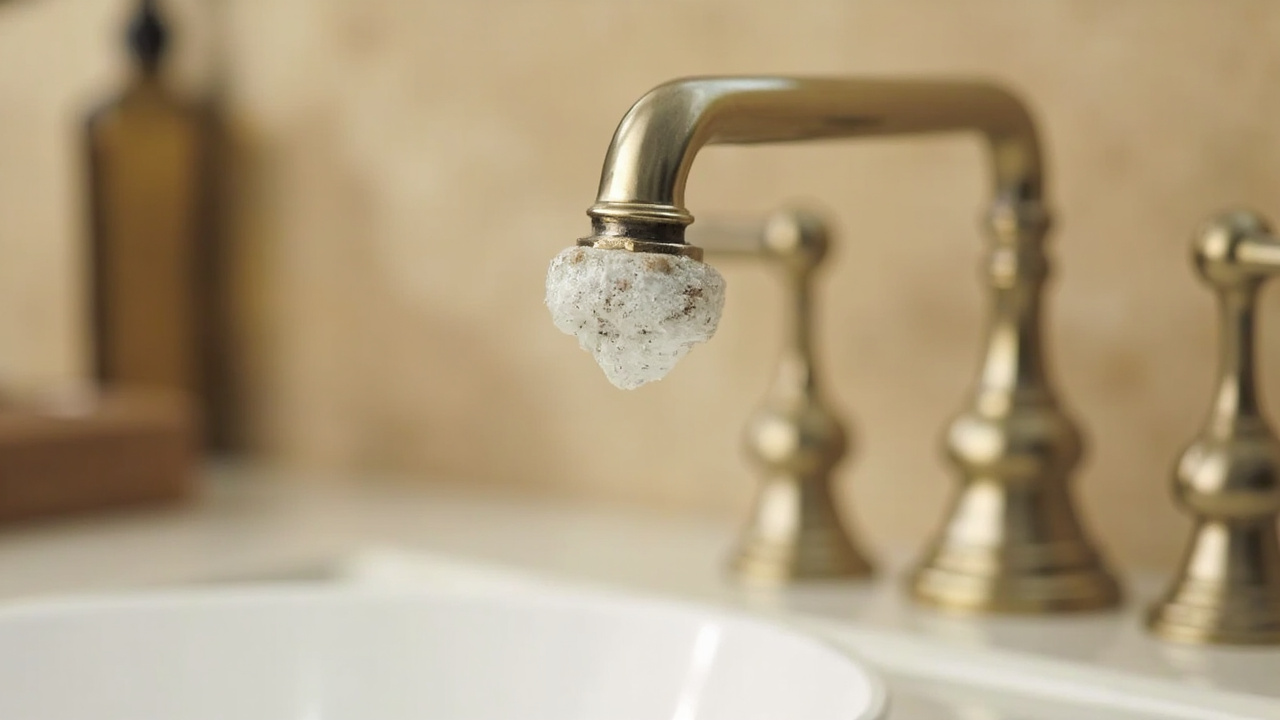
Removing Stubborn Calcium Buildup from Your High End Ocotillo Bathroom Fixtures

Living in the Ocotillo area of Chandler means you likely enjoy a custom home with high end bathroom fixtures. These…

What Every Coronado Historic District Homeowner Should Know Before a Sewer Camera Inspection

Living in the Coronado Historic District offers a unique connection to the architectural heritage of Phoenix. Your home likely features…

Contact Us

Stop guessing which material fits your situation. Call Peak Plumbing Phoenix at (623) 288-0099 to schedule a property assessment. We will evaluate your home, test your water pressure, and provide a written comparison that shows you exactly what each option delivers.