
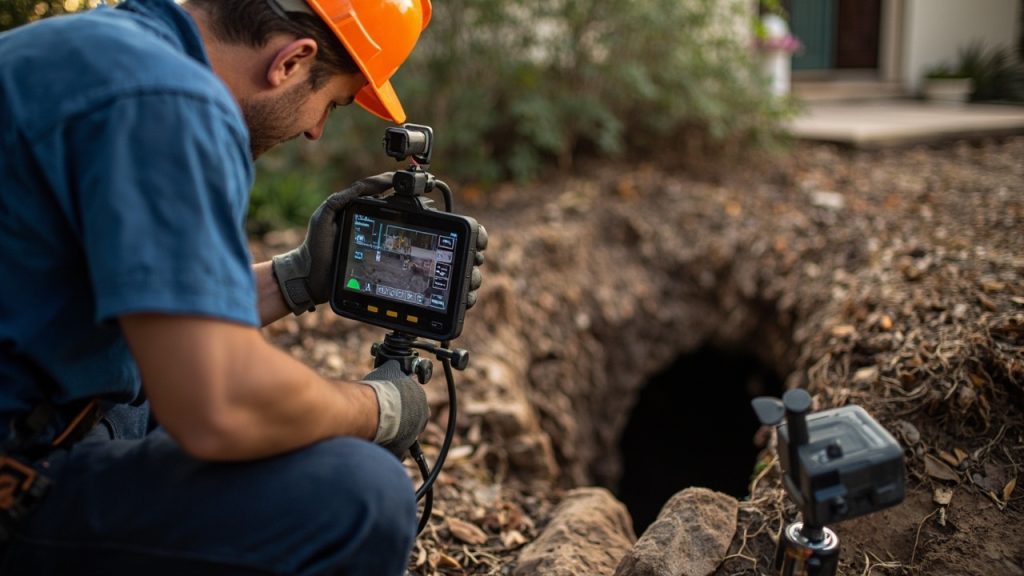
Living in the Coronado Historic District offers a unique connection to the architectural heritage of Phoenix. Your home likely features stunning bungalow or ranch styling that defines this neighborhood. While the aesthetic appeal remains timeless, the underground infrastructure often tells a different story. As we move through 2026, many sewer systems in this area are reaching the end of their functional lifespan. A sewer camera inspection is the most effective way to identify hidden issues without disturbing your historic landscaping or porch.
Phoenix homeowners face specific challenges due to the environment of the Sonoran Desert. The ground here contains high levels of caliche, which is a natural cement like soil layer. This hard earth makes traditional digging expensive and difficult. If your sewer line begins to fail, the shifting desert soil can cause significant structural stress on older pipes. Understanding what a technician looks for during a video scope helps you make informed decisions about your property maintenance.
Why Coronado Sewer Lines Require Specialized Knowledge
Plumbing systems in historic districts differ significantly from those in newer developments like North Scottsdale or the East Valley. Most homes built between the 1920s and 1940s utilized materials that are now considered obsolete or prone to specific failure modes. When a plumber arrives for an inspection, they must account for the narrow lot lines and shared utility easements common in central Phoenix. These factors influence how we access the main line and what we expect to find once the camera is inside the pipe.
One major concern for residents in this area is the presence of mature vegetation. The large trees that provide shade in Coronado also possess aggressive root systems. Roots from Palo Verde or Mesquite trees naturally seek out moisture and nutrients. They find their way into small cracks or loose joints in older sewer lines. Once inside, they grow rapidly, causing blockages and eventually breaking the pipe walls. A camera inspection identifies these root intrusions before they lead to a complete sewage backup in your home.
The city of Phoenix maintains strict standards for historic preservation. Any work performed on your property should respect the integrity of the district. This is why non destructive diagnostic tools are so valuable. Instead of excavating your front yard to find a leak, we use high definition cameras to pinpoint the exact location of the problem. This precision ensures that any necessary repairs stay localized and minimally invasive.
Common Pipe Materials in Phoenix Historic Districts
Identifying the material of your sewer line is the first step of any inspection. Depending on the exact year your home was built or last renovated, you may have one of several different pipe types. Each material reacts differently to the Phoenix heat and soil conditions. The following table outlines the materials commonly encountered during inspections in the Coronado area during 2026.
| Pipe Material | Common Era | Primary Risk Factor in 2026 | Expected Condition |
|---|---|---|---|
| Cast Iron | 1920s to 1960s | Internal scaling and bottom rot | Rough interior, likely narrowing |
| Vitrified Clay | 1920s to 1950s | Root intrusion at the joints | Sections shifting or cracking |
| Orangeburg | 1940s to 1950s | Structural collapse and flattening | Critical failure likely |
| PVC Plastic | 1970s to Present | Improper installation or shifting | Generally smooth and clear |
Cast iron was the standard for many decades. While durable, it eventually suffers from tuberculation, which is the buildup of rust and minerals on the inside of the pipe. This creates a jagged surface that catches debris and leads to frequent clogs. In more severe cases, the bottom of the pipe can corrode away completely, allowing waste to leak into the soil under your foundation. This often mimics the symptoms of a slab leak in Tempe homes where soil movement is also a factor.
Orangeburg pipe is perhaps the most problematic material found in Phoenix. Made of wood pulp and tar, it was never intended to last this long. Most Orangeburg lines in the valley have already failed or are currently collapsing under the weight of the earth. If our camera reveals Orangeburg material, immediate replacement is usually the only viable path forward to prevent a total system failure.
The Impact of Sonoran Desert Soil on Aging Infrastructure
The geography of the Phoenix basin plays a significant role in how sewer lines age. Our soil is often alkaline and highly corrosive to metallic pipes. This accelerate the thinning of cast iron walls. Furthermore, the extreme temperature fluctuations in the desert cause the ground to expand and contract. While we do not have traditional freeze thaw cycles, the heat can dry out the soil to a point where it shifts significantly, putting pressure on rigid clay pipes.
When the soil shifts, it can cause a belly in the line. A belly is a sunken section of pipe where water and solids collect because the pipe no longer has a consistent downward slope. A camera inspection is the only way to visualize a belly accurately. Without a camera, a plumber might simply snake the line and clear a clog, unaware that the standing water will cause another backup within weeks. Understanding these environmental factors is crucial for anyone managing a property in Maricopa County.
Homeowners should also consider the impact of hard water on their plumbing systems. The high mineral content in Phoenix water can lead to scale buildup even in the sewer laterals. Residents who have invested in water softeners in Chandler or other suburbs often see less scale in their interior pipes, but the main sewer line remains vulnerable to external environmental factors and the age of the installation.

What Your Sewer Camera Technician Looks For
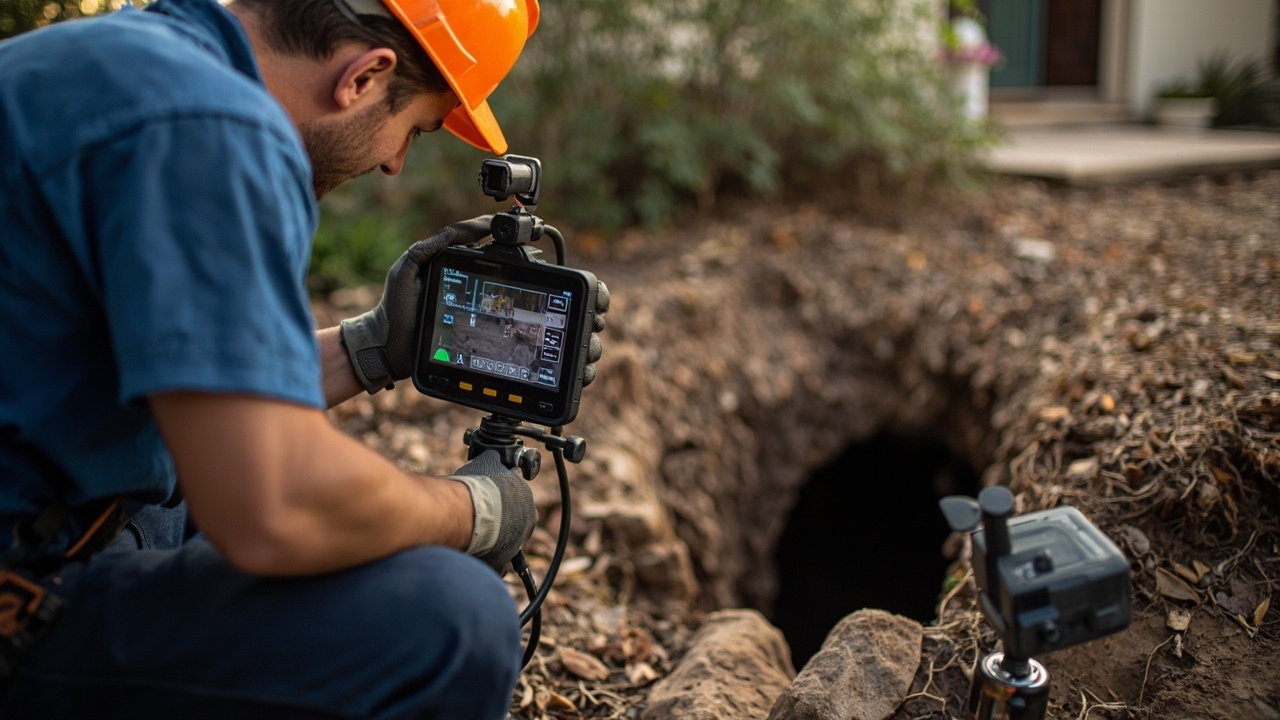
A professional inspection involves more than just looking at a screen. We use the NASSCO standards to grade the condition of your pipes. This standardized coding system ensures that the observations are objective and accurate. During the process, the technician navigates the camera from an access point, typically a cleanout located in your yard or on the side of the house. If your historic home lacks a modern cleanout, we may need to remove a toilet or access the line from a roof vent.
Key observations during the inspection include.
- Offset Joints. This happens when two sections of pipe no longer line up perfectly, often due to soil movement.
- Root Intrusion. The technician will identify where roots are entering and how much of the pipe diameter they occupy.
- Cracks and Fractures. Even hairline cracks can allow sewage to seep out and attract more roots.
- Channel Erosion. In cast iron pipes, this is the wearing away of the bottom of the pipe.
- Debris Accumulation. Identifying if the blockage is caused by grease, foreign objects, or structural failure.
The camera provides a real time view of the interior, allowing us to measure the exact distance from the access point to the problem area. This precision is vital if you need to plan for repairs. Knowing that a break is exactly fifteen feet from your foundation allows for a targeted fix rather than guessing where to dig. For properties with severe blockages, we often recommend hydro jetting in Mesa style cleaning to clear the line before the final inspection to ensure a clear view of the pipe walls.
Preparing Your Property for an Inspection
You can take several steps to ensure the inspection goes smoothly. First, locate your sewer cleanout. In Coronado, these are sometimes buried under landscaping or hidden behind bushes near the front of the house. If you cannot find one, do not worry. Experienced plumbers can usually find an alternative access point. Clear any clutter or debris away from the area to give the technician room to work with their equipment.
It is also helpful to have a history of your recent plumbing issues ready. If you have experienced recurring backups, knowing the frequency and location of those clogs helps the technician focus their search. If you are in the middle of a plumbing crisis, you might need an emergency plumber in Scottsdale or central Phoenix to stabilize the situation before a detailed camera diagnostic can be performed.
After the inspection, you should receive a digital copy of the footage and a detailed report. This documentation is valuable for your records and is often required if you are in the process of buying or selling a home. In 2026, most real estate transactions in historic Phoenix neighborhoods include a sewer scope as a standard part of the due diligence process. Having a clear report can speed up the closing process and provide peace of mind to all parties involved.
Deciding Between Maintenance and Replacement
Not every problem found during a camera inspection requires a full pipe replacement. Many issues can be managed with regular maintenance or trenchless repair methods. For example, if the camera reveals minor root growth but the pipe structure is sound, a professional cleaning and chemical treatment may be enough to keep the line flowing for several more years. However, if the pipe shows signs of collapse or significant thinning, a more permanent solution is necessary.
| Issue Severity | Typical Recommendation | Estimated Work Time | Longevity of Fix |
|---|---|---|---|
| Minor Roots | Mechanical cleaning or hydro jetting | 2 to 4 hours | 1 to 2 years |
| Moderate Offsets | Pipe lining (CIPP) | 1 to 2 days | 50 plus years |
| Structural Collapse | Pipe bursting or excavation | 2 to 3 days | 50 plus years |
| Heavy Scale | Descaling and cleaning | 4 to 6 hours | 3 to 5 years |
Trenchless technology has changed how we handle historic properties. Methods like Cured In Place Pipe (CIPP) lining allow us to create a new pipe inside your old one without digging a trench through your yard. This is particularly beneficial in Coronado, where preserving the original curb appeal and mature trees is a priority. For homeowners looking to modernize other parts of their system, such as switching to tankless water heaters in Gilbert or Phoenix, ensuring the main waste line is functional is a critical first step.
Understanding the Cost Factors of Phoenix Sewer Scopes
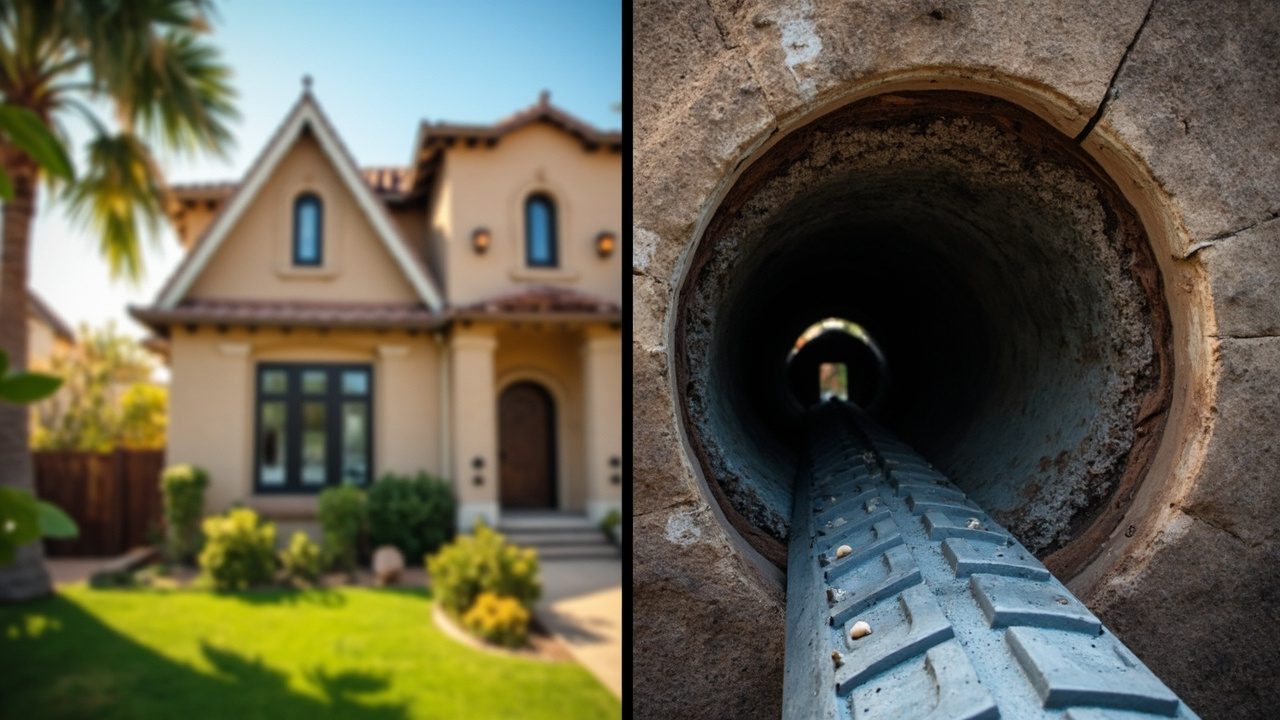
Several factors influence the cost of a sewer camera inspection in 2026. The length of the line is a primary consideration. Most residential laterals in Phoenix are between forty and eighty feet long, but some properties with alley access may have longer runs. The ease of access also plays a role. If a technician can use an existing outdoor cleanout, the process is faster and more affordable than if they have to pull a toilet or work from the roof.
The technology used also impacts the price. High definition cameras with locating capabilities provide more information than basic models. While the initial cost of a high quality inspection may be slightly higher, the accuracy saves money in the long run by preventing unnecessary digging. You should also verify if the company provides a written report and a video link as part of their service. These assets are essential for insurance claims or historic preservation documentation.
For more information on preserving the integrity of your property, you can consult the City of Phoenix Historic Preservation office. They provide resources on maintaining older homes while adhering to local codes. Managing a historic home requires a proactive approach to maintenance. By scheduling a sewer camera inspection, you are taking a vital step toward protecting your investment and ensuring your Coronado home remains a functional piece of Phoenix history for decades to come.
If you suspect your sewer line is struggling or if you have not had an inspection in the last few years, now is the time to act. Modern diagnostic tools provide clarity and help you avoid the stress of an unexpected plumbing emergency. Contact a local expert who understands the unique needs of the Coronado Historic District to schedule your professional sewer camera inspection today.