menu

Sediment Buildup in Pipes in Phoenix – Expert Diagnosis and Permanent Solutions for Hard Water Damage

Phoenix homeowners struggle with sediment buildup in pipes caused by mineral-heavy groundwater. Our diagnostic approach identifies calcium deposits, limescale, and pipe calcification before they cause catastrophic failures or complete blockages.

Slider Image 1
Slider Image 2
Slider Image 3
Slider Image 4
Slider Image 5
Slider Image 7
Slider Image 8
Slider Image 9
Slider Image 10
Slider Image 11

Why Phoenix Water Destroys Your Plumbing Faster Than Most Cities

Phoenix groundwater contains some of the highest concentrations of dissolved minerals in the Southwest. The Colorado River and local aquifer sources deliver water loaded with calcium, magnesium, and silica. This creates a perfect storm for sediment buildup in pipes throughout the Valley.

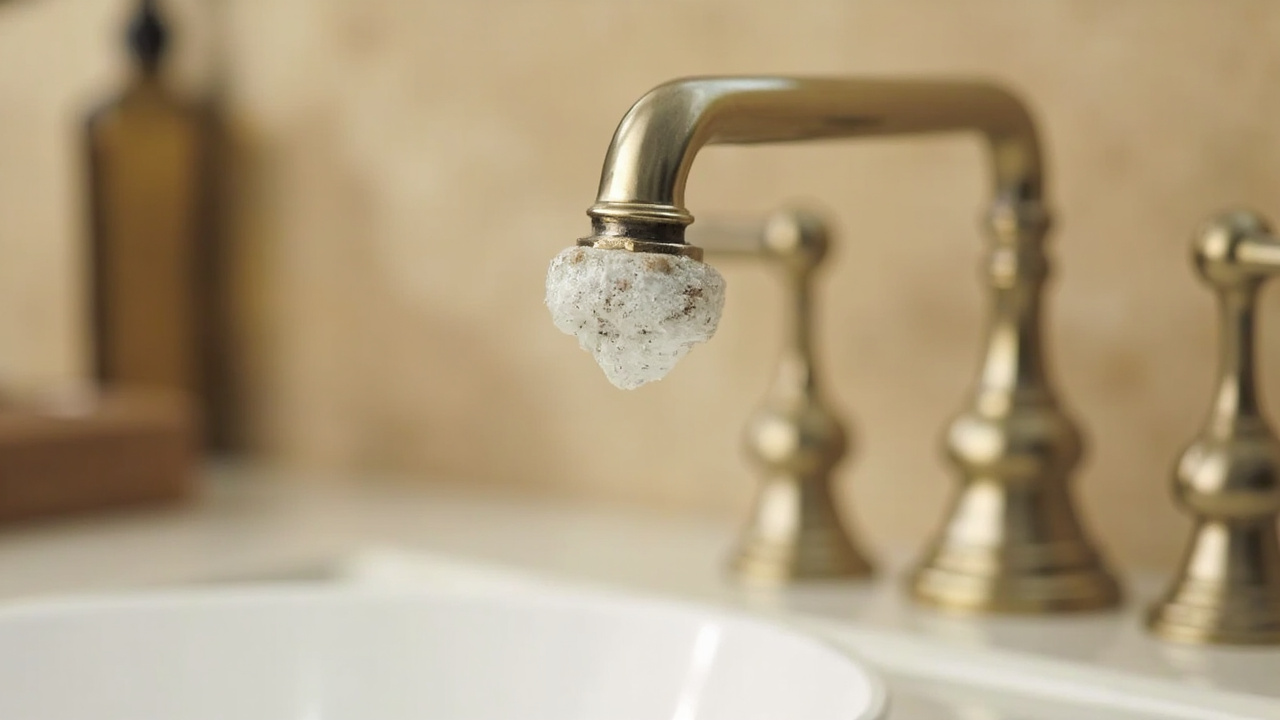
You notice the warning signs first at your water heater. That rumbling sound means mineral deposits in water pipes have begun forming a thick crust on heating elements. Your shower pressure drops because limescale accumulation in plumbing has narrowed the internal diameter of your supply lines. Faucets develop white crust. Appliances fail early.

The Phoenix metro area sits on caliche-rich soil, which adds calcium carbonate to already hard water. When this water heats up in your pipes, the minerals precipitate out and bond to pipe interiors. Hard water pipe scaling happens faster here than in most U.S. cities. A home built in 2010 can show significant pipe calcification problems by 2020.

Most homeowners ignore the early signs until a pipe bursts or a water heater floods the garage. By then, calcium buildup in water lines has reduced flow capacity by 40 to 60 percent. The fix becomes more invasive and more expensive.

The sediment does not distribute evenly. It concentrates at bends, joints, and where hot water sits idle. Your kitchen and bathroom lines take the worst beating because you use hot water most frequently in those locations.

Why Phoenix Water Destroys Your Plumbing Faster Than Most Cities
How We Clear Sediment and Restore Full Flow Capacity

How We Clear Sediment and Restore Full Flow Capacity

Peak Plumbing Phoenix starts with a camera inspection to map exactly where sediment has accumulated. We thread a high-resolution inspection camera through your lines to identify calcification zones, measure remaining pipe diameter, and assess whether the pipe material itself has degraded.

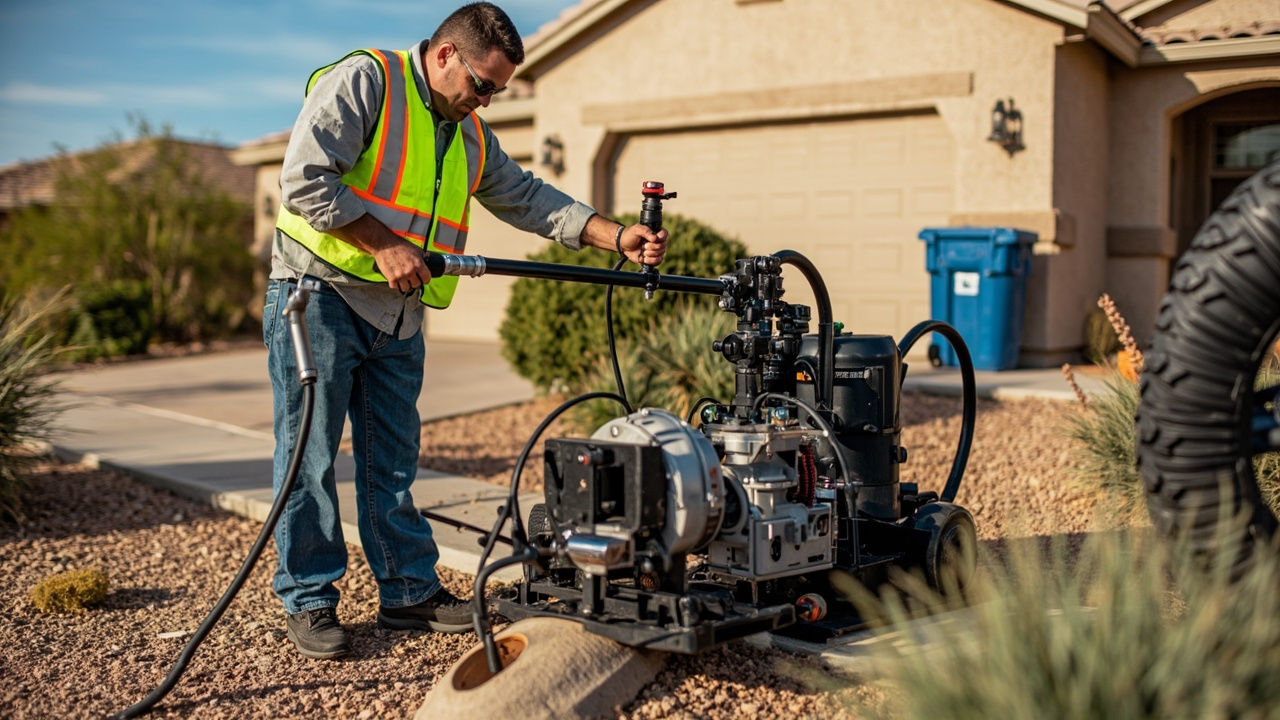
For copper lines with moderate buildup, we use hydro-jetting equipment calibrated specifically for descaling. This pressurized water system breaks apart mineral deposits in water pipes without damaging the copper underneath. We adjust pressure based on pipe age and condition. Older homes with thin-walled copper require lower PSI to prevent perforation.

If the inspection reveals advanced pipe calcification problems where the internal diameter has shrunk by more than 50 percent, we recommend targeted repiping. We replace only the affected sections rather than the entire system. This approach saves you money and limits drywall damage.

For homes with galvanized steel pipes, descaling rarely makes financial sense. The rough interior of galvanized pipe accelerates limescale accumulation in plumbing, and the pipe material itself corrodes from the inside out. We typically recommend replacing galvanized sections with PEX or copper.

After clearing the lines, we test your water hardness at multiple fixtures. Phoenix water averages 12 to 18 grains per gallon, which qualifies as very hard. We install point-of-entry water softeners to prevent future hard water pipe scaling. The softener removes calcium and magnesium before they enter your plumbing system.

We also flush and descale your water heater tank during the same service visit. Sediment collects at the bottom of the tank and insulates the heating element, forcing it to work harder and fail sooner.

What Happens During Your Sediment Inspection and Removal

Sediment Buildup in Pipes in Phoenix – Expert Diagnosis and Permanent Solutions for Hard Water Damage
01

Camera Diagnostics

We insert a flexible fiber-optic camera into your main supply line and branch lines to visually confirm sediment locations. The camera records footage so you can see the buildup yourself. This eliminates guesswork. We measure pipe diameter at key points to calculate flow restriction percentage and determine whether descaling or replacement makes more sense for your specific situation.
02

Hydro-Jetting or Repiping

For copper pipes with salvageable wall thickness, we run a hydro-jetting nozzle through the line at controlled pressure. The rotating spray head dislodges calcium buildup in water lines and flushes debris through an access point. For pipes with structural compromise or extreme scaling, we cut out the damaged section and install new pipe using compression fittings or soldered joints depending on material type and access.
03

Prevention System Installation

After restoring flow, we install a whole-home water softener or a scale inhibitor system depending on your water chemistry and budget. The softener uses ion exchange to remove hardness minerals before they enter your pipes. We set the regeneration cycle based on your household water usage and local hardness levels to keep your system running efficiently without wasting salt or water.

Why Phoenix Homeowners Choose Local Plumbing Expertise

Phoenix water chemistry differs from Scottsdale, Tempe, and Glendale because each city pulls from different aquifer zones and treatment plants. Peak Plumbing Phoenix knows which neighborhoods deal with the worst mineral content and which pipe materials hold up best in each area.

We understand the specific challenges of older homes in Historic Districts like Encanto-Palmcroft and Willo, where galvanized steel plumbing dominates. These homes require careful repiping plans that respect the architectural integrity while meeting modern code requirements. We work with homeowners to route new lines through closets, attics, and crawl spaces to minimize cosmetic disruption.

Our familiarity with Phoenix building codes means we pull permits correctly and schedule inspections without delays. The 2021 amendments to the International Plumbing Code changed requirements for water heater expansion tanks and pressure-reducing valves. We stay current on these changes so your work passes inspection the first time.

We also know the seasonal patterns. Summer in Phoenix pushes water heaters and supply lines to their limits. Incoming water temperatures can exceed 90 degrees, which means your water heater works harder and sediment forms faster. We recommend scheduling descaling and inspection services in late spring before peak summer demand hits your system.

Our trucks stock parts that fit Phoenix-area plumbing. We carry PEX and copper in the sizes most common to homes built between 1950 and 2020. We keep water softener resin, control valves, and salt delivery systems in inventory. This eliminates the multi-day waits that come from ordering specialty parts.

Trust matters when someone accesses your water supply. We train our technicians on cross-connection prevention and backflow testing to protect your drinking water quality during repairs.

What to Expect When You Schedule Sediment Removal Service

Response Time and Availability

We schedule diagnostic inspections within 24 to 48 hours of your call. If you have a complete blockage or burst pipe from sediment pressure, we dispatch an emergency crew immediately. Camera inspections take 60 to 90 minutes depending on your home size and plumbing layout. Hydro-jetting typically adds another 90 minutes to two hours. If we discover you need repiping during the inspection, we provide a detailed estimate before starting any invasive work. Most single-section repipes complete in four to six hours. Whole-home repipes require two to four days depending on square footage and access limitations.

Diagnostic Process and Reporting

Our camera inspection generates a video file you can review with the technician. We mark time stamps for problem areas and explain what you see on screen. You get a written report that includes pipe material, approximate age, sediment severity at each junction, and our recommendation for descaling versus replacement. We test water pressure at multiple fixtures before and after service to document flow improvement. If your water hardness exceeds 15 grains per gallon, we discuss softener options and provide equipment quotes with projected operating costs.

Quality of Final Outcome

After descaling, you should notice immediate pressure improvement at showers and faucets. Water heater recovery time drops because the heating element contacts water directly instead of heating through a layer of sediment. Your dishwasher and washing machine complete cycles faster. If we installed new pipe sections, they carry a material defect warranty from the manufacturer. Our installation work includes pressure testing to confirm no leaks exist at joints or connections. We leave your walls, floors, and landscaping in the same condition we found them, patching drywall and matching texture when access required cutting.

Maintenance and Prevention Plans

We recommend annual water heater flushing and inspection for Phoenix homes. If you installed a water softener, we check salt levels, clean the brine tank, and verify the regeneration cycle runs correctly. You should test your water hardness every six months using the strips we provide. If hardness creeps above two grains per gallon at your taps, the softener needs adjustment or the resin bed requires replacement. We offer maintenance agreements that include annual camera inspections, water heater flushing, softener service, and priority emergency response. These plans catch problems before they escalate into expensive failures.

Frequently Asked Questions

You Have Questions,
We Have Answers

How much to flush pipes in a house? +

Flushing pipes in a Phoenix home costs between $150 and $500, depending on your plumbing system size and sediment severity. A simple water heater flush runs cheaper than whole-house hydro jetting. Hard water is common across the Valley, which accelerates mineral buildup in supply lines. Most residential jobs take 1-3 hours. The price includes labor, equipment rental, and disposal of flushed sediment. Older homes in historic Phoenix neighborhoods often need more extensive flushing due to galvanized pipes. Get a camera inspection first to identify blockage locations and avoid paying for unnecessary work.

What causes sediment in water pipes? +

Phoenix's hard water is the main culprit. Calcium and magnesium minerals precipitate out and coat pipe interiors. Corroding galvanized pipes release iron particles that settle in low spots. Sand and dirt enter through cracked sewer laterals, especially in areas with shifting caliche soil. Water heaters accumulate sediment faster here because high inlet temperatures accelerate mineral separation. Older municipal water lines can introduce rust particles during pressure fluctuations. If you live near construction sites, debris sometimes enters through backflow during main breaks. Testing your water hardness helps identify the specific minerals causing buildup in your system.

How to get rid of debris in pipes? +

Hydro jetting removes debris using high-pressure water streams up to 4,000 PSI. A plumber inserts a specialized nozzle into your cleanout and blasts away sediment, grease, and roots. For supply lines, flushing at the water heater and individual fixtures clears loose particles. Camera inspection locates debris pockets before treatment. Avoid chemical cleaners, which create toxic sludge in Phoenix's clay soil. Mechanical snaking works for localized clogs but pushes debris further down the line. Whole-house filtration prevents future accumulation. Schedule cleaning before monsoon season when Valley homes experience increased water pressure that dislodges existing buildup.

How do plumbers descale pipes? +

Plumbers use hydro jetting to descale pipes without chemicals. A high-pressure nozzle scrubs calcium, lime, and rust deposits off pipe walls. The process works on cast iron, PVC, and copper lines common in Phoenix homes. For severe scaling in water heaters, technicians drain the tank and use descaling solutions made from food-grade acids. Mechanical descaling tools with rotating chains remove heavy buildup in sewer lines. Camera inspection confirms complete removal. Phoenix's mineral-heavy water requires descaling every 2-4 years in older homes. Preventive water softening reduces future scale formation and extends your plumbing lifespan significantly.

How much does a plumber charge to flush pipes? +

Plumbers in Phoenix charge $150-$300 for basic pipe flushing and $300-$600 for hydro jetting services. Water heater flushing alone runs $80-$150. Prices increase for whole-house systems, multiple stories, or difficult access points. Emergency calls cost more. The rate includes equipment, labor, and sediment disposal. Homes built before 1980 in central Phoenix often need extended service time due to galvanized pipe corrosion. Commercial properties pay higher rates for larger diameter lines. Get quotes from multiple licensed plumbers. Ask about camera inspection add-ons to identify problem areas before committing to extensive flushing work.

Will insurance pay for sewer line replacement? +

Insurance rarely covers sewer line replacement. Most homeowner policies exclude damage from wear, corrosion, or lack of maintenance. If a covered peril like earthquake or vehicle impact breaks your line, you might get reimbursed. Gradual sediment buildup and root intrusion fall under maintenance, not sudden accidents. Some Phoenix residents buy optional sewer line endorsements for $50-$100 yearly. These riders cover sudden breaks but still exclude slow deterioration. Review your declarations page carefully. Document the damage with photos and get a plumber's report stating the cause. File quickly if you suspect coverage applies.

What dissolves sediment in pipes? +

Nothing safely dissolves sediment while pipes remain in use. Commercial descalers use phosphoric or citric acid, but incorrect application damages copper and galvanized lines. Hydro jetting physically removes sediment without chemicals. For water heaters, vinegar soaks work during drain-and-fill maintenance but take hours. Phoenix's calcium carbonate deposits resist most household acids. Enzymatic drain treatments do not affect mineral sediment. Chemical drain cleaners create caustic sludge that hardens in traps. Professional plumbers use food-grade descaling solutions during controlled flushes with proper neutralization. Attempting DIY chemical descaling often worsens blockages and voids equipment warranties. Mechanical removal remains the safest approach.

What are the 4 types of sediment? +

In plumbing systems, the four sediment types are mineral scale, rust particles, sand and silt, and organic matter. Mineral scale comes from Phoenix's calcium and magnesium-rich water. Rust forms when galvanized pipes corrode, common in homes built before 1980. Sand enters through cracked sewer laterals in areas with caliche soil. Organic sediment includes biofilm, grease, and soap residue that accumulates in drain lines. Each type requires different removal methods. Scale needs descaling or hydro jetting. Rust indicates pipe replacement. Sand requires camera inspection to find entry points. Organic buildup responds to enzymatic treatments or mechanical snaking.

What are four signs that your sewer line is broken? +

Four signs indicate a broken sewer line in Phoenix. First, multiple drains back up simultaneously when you flush toilets or run water. Second, you notice soggy patches in your yard even during dry months, often with sewage odor. Third, your home develops persistent drain fly or cockroach infestations near floor drains. Fourth, you see foundation cracks or settling caused by soil erosion underneath. Phoenix's expansive clay soil shifts during temperature changes, stressing old sewer laterals. Tree roots from mesquite and palo verde trees infiltrate cracked pipes. Schedule a camera inspection if you notice these symptoms. Ignoring breaks leads to costly foundation damage.

Why do plumbers say not to use drain cleaner? +

Chemical drain cleaners damage pipes and create hazardous conditions. The caustic formulas generate heat exceeding 200 degrees, which warps PVC joints and corrodes metal pipes common in Phoenix homes. Repeated use thins pipe walls, causing premature failures. The chemicals react with standing water to produce toxic fumes in enclosed spaces. They convert grease clogs into hardened soap deposits that require professional removal. Cleaners rarely clear sediment or root blockages. The sludge created pollutes Phoenix's wastewater treatment systems. Professional plumbers use cameras to diagnose problems and hydro jetting to clear lines without chemical damage or environmental harm.

Why Phoenix Hard Water Creates Faster Pipe Failure Than National Averages

Phoenix ranks in the top 10 percent of U.S. cities for water hardness. The Salt River Project and Central Arizona Project deliver water with 250 to 400 parts per million of dissolved solids. When water temperatures inside your pipes exceed 130 degrees, calcium carbonate precipitates out of solution and bonds aggressively to pipe walls. Homes in Ahwatukee, Arcadia, and North Phoenix show measurable scaling in copper pipes within five years of installation. This accelerated timeline means Phoenix homeowners face sediment problems a decade sooner than homeowners in softer water regions like Seattle or Portland.

Peak Plumbing Phoenix has worked in every Valley neighborhood since our founding. We know which subdivisions installed inferior galvanized plumbing in the 1970s and which builders used quality copper. We understand how the 2023 updates to the Uniform Plumbing Code affect water heater installations and backflow prevention in Phoenix. This local knowledge means we diagnose problems faster and recommend solutions that match your home's specific construction and your neighborhood's water supply characteristics. You get expertise shaped by thousands of Phoenix service calls, not generic advice from a national chain.

Plumbing Services in The Phoenix Area

We proudly serve residential and commercial customers throughout the Phoenix area. Whether you're located in the city center, suburbs, or surrounding communities, our team is ready to help with fast, reliable plumbing solutions. Use the map below to locate us, or reach out for directions and service area confirmation. At Peak Plumbing, we make it easy for you to access professional plumbing services wherever you are in the region.

Address:
Peak Plumbing Phoenix, 4041 E Thomas Rd, Phoenix, AZ, 85018

Additional Services We Offer

Our news updates

Latest Articles & News from The Blogs

How to Fix Underground Water Main Leaks in Peoria Without Wrecking Your YardA water main leak under your Peoria property…

How to Fix Underground Water Main Leaks in Peoria Without Wrecking Your Yard

How to Fix Underground Water Main Leaks in Peoria Without Wrecking Your YardA water main leak under your Peoria property…

Removing Stubborn Calcium Buildup from Your High End Ocotillo Bathroom Fixtures

Living in the Ocotillo area of Chandler means you likely enjoy a custom home with high end bathroom fixtures. These…

What Every Coronado Historic District Homeowner Should Know Before a Sewer Camera Inspection

Living in the Coronado Historic District offers a unique connection to the architectural heritage of Phoenix. Your home likely features…

Contact Us

Sediment does not reverse itself. It accumulates until something breaks. Call Peak Plumbing Phoenix at (623) 288-0099 to schedule a camera inspection and water hardness test. We will show you exactly what is happening inside your pipes and give you a clear plan to fix it.