menu

Preventative Commercial Maintenance in Phoenix | Minimize Downtime and Avoid Unplanned Shutdowns

Scheduled commercial plumbing upkeep protects your Phoenix business from costly emergency repairs, regulatory violations, and operational disruptions that can halt revenue and damage your reputation.

Slider Image 1
Slider Image 2
Slider Image 3
Slider Image 4
Slider Image 5
Slider Image 7
Slider Image 8
Slider Image 9
Slider Image 10
Slider Image 11

Why Phoenix Commercial Properties Need Year-Round Plumbing Maintenance

Phoenix's extreme heat places constant stress on commercial plumbing infrastructure. Water temperatures entering buildings regularly exceed 90 degrees during summer months, accelerating mineral buildup in supply lines and fixtures. The region's notoriously hard water, combined with thermal expansion from triple-digit ambient temperatures, creates scaling issues that reduce water pressure and restrict flow in critical business operations.

Commercial properties in Phoenix face unique challenges that residential systems never encounter. Restaurant grease traps fail faster in high heat. Medical office sterilization systems develop calcium deposits that compromise compliance. Retail centers experience backflow valve failures from pressure fluctuations during peak demand hours. Manufacturing facilities dealing with process water see accelerated corrosion in piping systems.

Without routine commercial plumbing inspections, these issues compound silently until they force unplanned closures. A ruptured supply line floods your facility during business hours. A clogged main drain backs up sewage into customer areas. A failed backflow preventer triggers city code violations and mandatory shutdowns.

Commercial plumbing maintenance plans address these vulnerabilities before they interrupt operations. Preventive commercial plumbing services identify wear patterns specific to Phoenix's climate and water chemistry. Commercial plumbing service agreements ensure consistent oversight of your infrastructure, protecting business continuity and maintaining code compliance year-round.

The cost of reactive repairs always exceeds proactive maintenance. Equipment replacement during an emergency carries premium pricing. Lost revenue during forced closures multiplies the financial impact. Reputation damage from health code violations or customer complaints creates long-term consequences that far exceed any maintenance investment.

Why Phoenix Commercial Properties Need Year-Round Plumbing Maintenance
The Peak Plumbing Phoenix Commercial Maintenance Methodology

The Peak Plumbing Phoenix Commercial Maintenance Methodology

Peak Plumbing Phoenix structures preventive commercial plumbing services around asset protection and regulatory compliance. Our approach focuses on identifying failure points before they escalate into business interruptions.

We begin with comprehensive system mapping. Many commercial properties lack current documentation of their plumbing infrastructure. We create detailed records of all shut-off valves, cleanouts, backflow devices, water heaters, and main supply routing. This documentation proves critical during emergencies and accelerates future service work.

Our routine commercial plumbing inspections follow a risk-based protocol. High-use fixtures receive more frequent evaluation than occasional-use systems. We prioritize components with direct health code implications, like backflow preventers, grease interceptors, and medical gas systems. Each inspection includes pressure testing, flow verification, and thermal imaging to detect hidden leaks or poor insulation.

Water quality testing forms a core component of our commercial plumbing service agreements. Phoenix's water chemistry changes seasonally and varies by neighborhood. We monitor mineral content, pH levels, and chlorine concentrations that affect pipe longevity and fixture performance. This data drives our descaling schedules and informs our recommendations for filtration or treatment systems.

Scheduled commercial plumbing upkeep includes drain line maintenance using hydro-jetting technology. We clear accumulations before they cause backups. We inspect sewer laterals with camera systems to identify root intrusion, bellied sections, or deteriorating pipe materials. For restaurants and food service facilities, we ensure grease traps operate within capacity and comply with city discharge regulations.

Our maintenance plans include thermal expansion tank testing, pressure-reducing valve calibration, and water heater anode rod inspection. These components rarely receive attention until they fail catastrophically. Regular service extends their operational life and prevents the flooding, scalding incidents, or pressure surges that threaten property and liability.

How Our Commercial Maintenance Program Works

Preventative Commercial Maintenance in Phoenix | Minimize Downtime and Avoid Unplanned Shutdowns
01

Initial System Assessment

We conduct a comprehensive baseline evaluation of your entire plumbing infrastructure. Our technicians document all fixtures, measure water pressure at multiple points, inspect accessible piping for corrosion or damage, and review your facility's usage patterns. This assessment identifies immediate concerns and establishes the maintenance schedule your specific operation requires. We provide a detailed report with system mapping and prioritized recommendations.
02

Scheduled Preventive Service

We execute routine inspections and maintenance tasks on your agreed schedule, whether monthly, quarterly, or semi-annually. Each visit includes fixture inspection, drain maintenance, backflow testing, water heater evaluation, and leak detection. We perform minor adjustments and repairs during these visits to prevent escalation. All work is documented with date-stamped photos and maintenance logs that support your compliance requirements and asset management records.
03

Reporting and Compliance Documentation

After each service visit, you receive a comprehensive report detailing all inspections performed, issues discovered, repairs completed, and future recommendations. We maintain compliance records for backflow testing, grease trap pumping, and other regulated components. This documentation supports health inspections, insurance requirements, and tenant lease obligations. You gain complete visibility into your plumbing infrastructure's condition and a clear roadmap for capital planning and budget forecasting.

Why Phoenix Businesses Trust Peak Plumbing Phoenix for Commercial Maintenance

Peak Plumbing Phoenix understands the commercial plumbing demands specific to the Valley's business environment. We service the infrastructure that keeps Phoenix's economy running, from Old Town Scottsdale restaurants to North Phoenix industrial parks.

Our technicians hold commercial plumbing expertise that extends beyond fixture repair. We understand the International Plumbing Code requirements that govern commercial installations. We know Phoenix's municipal codes for backflow prevention, grease interceptor sizing, and water heater venting. We maintain current certification for backflow testing, a regulatory requirement that many generalist plumbers overlook until inspection day arrives.

We structure our commercial plumbing maintenance plans around your operational schedule. We understand that retail centers cannot afford disruptions during peak shopping hours. Restaurants cannot close kitchens during lunch and dinner service. Medical facilities cannot interrupt patient care. We coordinate maintenance during your lowest-impact hours and maintain emergency response capability when the unexpected occurs despite preventive measures.

Our service vehicles carry commercial-grade parts inventory. When we identify a failing component during routine inspection, we often complete the repair immediately rather than scheduling a return visit. This approach minimizes your disruption and prevents the failure from occurring during your busiest periods.

We provide transparent reporting that supports your facility management responsibilities. Property managers receive documentation that satisfies ownership groups and lenders. Tenants receive compliance records that fulfill lease obligations. Business owners gain budget predictability through consistent maintenance rather than crisis spending.

Peak Plumbing Phoenix maintains relationships with the suppliers and manufacturers that support commercial equipment. When a specialized component requires replacement, we leverage these connections to reduce lead times and ensure compatibility. We understand that downtime costs you revenue every hour, and we structure our operations to minimize your exposure.

What Your Commercial Maintenance Plan Includes

Flexible Scheduling Options

We customize maintenance frequency based on your facility type and usage intensity. High-traffic restaurants and medical facilities benefit from monthly service. Office buildings and retail centers typically require quarterly inspections. Light industrial operations often operate on semi-annual schedules. We coordinate all visits during your preferred time windows, including after-hours and weekend availability. Our scheduling system sends advance confirmation and arrival notifications so your staff can prepare access. We maintain the same technician team for your property to ensure continuity and familiarity with your specific infrastructure.

Comprehensive System Inspections

Each maintenance visit includes thorough evaluation of all accessible plumbing components. We test water pressure and temperature at fixtures. We inspect supply lines for corrosion, leaks, or inadequate insulation. We evaluate drain performance and check for slow drainage that indicates developing clogs. We examine water heaters for sediment buildup, failing elements, or defective safety valves. We test backflow preventers and document results for city compliance. We inspect exposed piping in mechanical rooms, crawlspaces, and utility areas. We verify proper operation of pressure-reducing valves and thermal expansion tanks.

Detailed Documentation and Reporting

You receive comprehensive service reports after every maintenance visit. Reports include date-stamped photos of components inspected, measurements recorded, and any issues discovered. We provide clear explanations of findings in plain language, not technical jargon. Priority rankings help you understand which items require immediate attention versus future planning. We maintain digital records of all service history, creating a complete asset management database for your property. This documentation supports compliance audits, insurance claims, tenant disputes, and capital expenditure planning. You gain complete transparency into your plumbing infrastructure's condition and projected lifespan.

Priority Emergency Response

Maintenance plan clients receive priority scheduling when emergency issues arise despite preventive measures. You bypass our standard queue and receive expedited response. Our technicians already know your facility layout and system configuration, eliminating diagnosis delays. We maintain your system documentation and parts specifications, accelerating repair work. Your maintenance history helps us quickly identify whether issues stem from new failures or developing problems we have been monitoring. This familiarity reduces your downtime and controls repair costs. Maintenance plan clients also receive preferred pricing on emergency service calls and after-hours work.

Frequently Asked Questions

You Have Questions,
We Have Answers

What are the 5 types of preventive maintenance? +

The five core types of preventive maintenance are time-based (scheduled at fixed intervals), usage-based (triggered by operating hours or cycles), condition-based (driven by real-time sensor data or inspections), predictive (using analytics to forecast failures), and risk-based (prioritizing high-liability assets). For commercial facilities in Phoenix, condition-based maintenance proves critical during extreme heat months when HVAC systems and cooling towers experience accelerated wear. Time-based programs work well for rooftop units exposed to desert dust and monsoon debris. Your maintenance strategy should combine multiple types based on asset criticality and operational risk.

How much does preventive maintenance cost for commercial HVAC? +

Commercial HVAC preventive maintenance costs vary by system size, complexity, and service frequency. Factors include tonnage capacity, number of zones, equipment accessibility, and refrigerant type. Rooftop units common in Phoenix commercial buildings typically require quarterly service visits due to dust accumulation and thermal cycling stress. Costs scale with building square footage and operational hours. Budget considerations should include filter replacements, refrigerant adjustments, electrical testing, and coil cleaning. Phoenix facilities with extended cooling seasons often require more frequent condenser maintenance than temperate climates. Request detailed proposals that itemize labor, parts allowances, and emergency call provisions to compare value accurately.

What are examples of preventative maintenance? +

Preventative maintenance examples for commercial properties include filter changes, belt inspections, lubrication of moving parts, refrigerant level checks, electrical connection tightening, drain line clearing, thermostat calibration, and airflow measurements. Phoenix-specific tasks include frequent condenser coil cleaning due to dust storms, monsoon-related roof drain inspections, and evaporative cooler descaling in buildings using swamp coolers. Commercial kitchens require grease trap servicing and exhaust hood cleaning. Retail spaces need case lighting checks and walk-in cooler door seal inspections. Warehouses benefit from dock door weatherstripping replacement and overhead door track lubrication to maintain climate control in triple-digit heat.

What is considered commercial maintenance? +

Commercial maintenance encompasses all scheduled upkeep activities for business property systems and equipment. This includes HVAC units, plumbing infrastructure, electrical panels, roofing membranes, parking lot surfaces, irrigation systems, and building automation controls. In Phoenix, commercial maintenance addresses heat-related stress on cooling systems, UV degradation of roofing materials, and thermal expansion issues in concrete and asphalt. The scope covers both interior assets (elevators, fire suppression systems, interior lighting) and exterior elements (storefront glass, signage, landscaping equipment). Commercial maintenance prioritizes business continuity, code compliance, tenant comfort, and asset preservation rather than reactive repairs that create operational disruptions.

What are the 4 P's of maintenance? +

The four P's of maintenance are Preservation (protecting assets from deterioration), Prediction (forecasting failures before they occur), Prevention (stopping breakdowns through scheduled service), and Progression (continuous improvement of maintenance processes). For Phoenix commercial properties, Preservation involves UV-resistant coatings and heat shielding. Prediction uses thermal imaging to detect electrical hot spots before failure. Prevention includes pre-summer HVAC tune-ups before peak cooling demand. Progression means analyzing failure patterns to optimize service intervals. This framework helps facility managers allocate resources efficiently, minimize downtime, extend equipment lifespan, and reduce total cost of ownership across commercial portfolios.

What is the 10% rule of preventive maintenance? +

The 10% rule suggests allocating approximately 10% of equipment replacement cost annually toward preventive maintenance to maximize asset lifespan and avoid premature failure. For a commercial HVAC system, this means budgeting maintenance spending proportional to replacement value. Phoenix operators often adjust this upward due to harsh operating conditions that accelerate wear. Extended cooling seasons, extreme temperature differentials, and dust exposure increase maintenance requirements beyond temperate climate norms. The rule provides a planning benchmark, but actual needs depend on equipment age, usage intensity, manufacturer recommendations, and operational criticality. Under-investment leads to costly emergency repairs and shortened equipment life.

What is the $5000 AC rule? +

The 5000 dollar AC rule refers to IRS regulations allowing businesses to expense (rather than capitalize and depreciate) equipment repairs under certain cost thresholds. This tax treatment applies when repair costs restore equipment to operating condition without substantial upgrades or improvements. The threshold varies by asset value and tax year. For Phoenix commercial properties, understanding this distinction matters when budgeting compressor replacements, coil repairs, or control upgrades. Consult your tax advisor to determine whether specific HVAC expenditures qualify as deductible repairs or must be capitalized. Proper classification impacts cash flow and financial reporting for commercial property owners.

What is the 3 minute rule for AC? +

The three-minute rule for AC requires waiting at least three minutes between compressor shut-off and restart to allow refrigerant pressures to equalize. Immediate restart attempts can damage the compressor due to excessive pressure differential across the piston or scroll. Commercial HVAC controls include time-delay relays to enforce this protection automatically. Phoenix facilities with multiple rooftop units should verify this safeguard exists on each system. Power interruptions during monsoon storms can trigger simultaneous restart attempts across buildings, creating demand spikes and potential compressor damage. Modern building automation systems incorporate proper staging and delay sequences to protect equipment during power restoration events.

How often should a commercial HVAC system be serviced? +

Commercial HVAC systems should receive professional service quarterly at minimum, with monthly checks recommended for critical cooling applications in Phoenix. The extreme heat and extended cooling season from April through October create continuous equipment stress that demands more frequent attention than temperate climates. Rooftop units require pre-summer inspections in March, mid-season checks during peak heat, post-monsoon evaluations in September, and winter functional testing. High-occupancy buildings, restaurants, medical facilities, and data centers need monthly service to maintain performance and prevent business interruption. Service frequency should increase with equipment age, operating hours, and occupant density to ensure reliability.

What qualifies as preventative maintenance? +

Preventative maintenance qualifies as any scheduled inspection, adjustment, cleaning, or component replacement performed before equipment failure occurs. This includes tasks recommended by manufacturers, required by warranty terms, mandated by building codes, or determined necessary through operational experience. Phoenix commercial facilities should classify coil cleaning, filter changes, refrigerant checks, belt replacements, electrical testing, and calibration as preventative work. The defining characteristic is planned scheduling based on time intervals, runtime hours, or condition monitoring rather than response to breakdowns. Proper documentation proves compliance with warranty requirements, satisfies insurance underwriting criteria, and demonstrates due diligence for liability protection.

How Phoenix's Hard Water Accelerates Commercial Plumbing Deterioration

Phoenix municipal water ranks among the hardest in the nation, with mineral content frequently exceeding 300 parts per million. This high concentration of calcium and magnesium creates rapid scaling in commercial water heaters, heat exchangers, and high-volume fixtures. Restaurants experience accelerated deterioration in dishwashing equipment and ice machines. Medical facilities see reduced flow rates in sterilization equipment. Office buildings face premature water heater failure from sediment accumulation. Without scheduled commercial plumbing upkeep that addresses these mineral deposits, equipment lifespan drops significantly and energy costs increase as scaled components work harder to maintain performance.

Peak Plumbing Phoenix has maintained commercial properties across the Valley for years, developing expertise in the specific challenges our water chemistry creates. We understand which fixtures fail fastest in Phoenix conditions and which preventive measures deliver the best return on investment. Our commercial plumbing maintenance plans reflect this local knowledge, focusing maintenance intervals and inspection priorities on the components most vulnerable to our environment. This targeted approach protects your infrastructure more effectively than generic national service programs that do not account for regional water quality variations.
Plumbing Services in The Phoenix Area

We proudly serve residential and commercial customers throughout the Phoenix area. Whether you're located in the city center, suburbs, or surrounding communities, our team is ready to help with fast, reliable plumbing solutions. Use the map below to locate us, or reach out for directions and service area confirmation. At Peak Plumbing, we make it easy for you to access professional plumbing services wherever you are in the region.

Address:
Peak Plumbing Phoenix, 4041 E Thomas Rd, Phoenix, AZ, 85018

Additional Services We Offer

Our news updates

Latest Articles & News from The Blogs

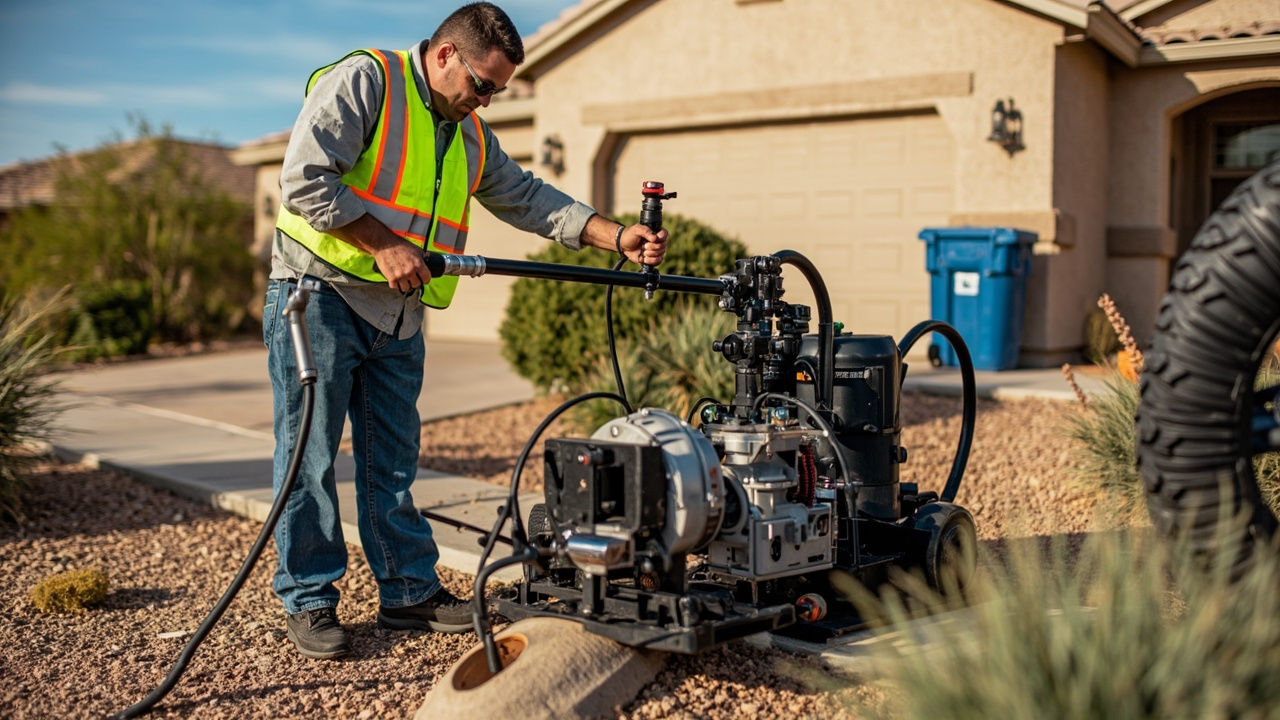
How to Fix Underground Water Main Leaks in Peoria Without Wrecking Your YardA water main leak under your Peoria property…

How to Fix Underground Water Main Leaks in Peoria Without Wrecking Your Yard

How to Fix Underground Water Main Leaks in Peoria Without Wrecking Your YardA water main leak under your Peoria property…

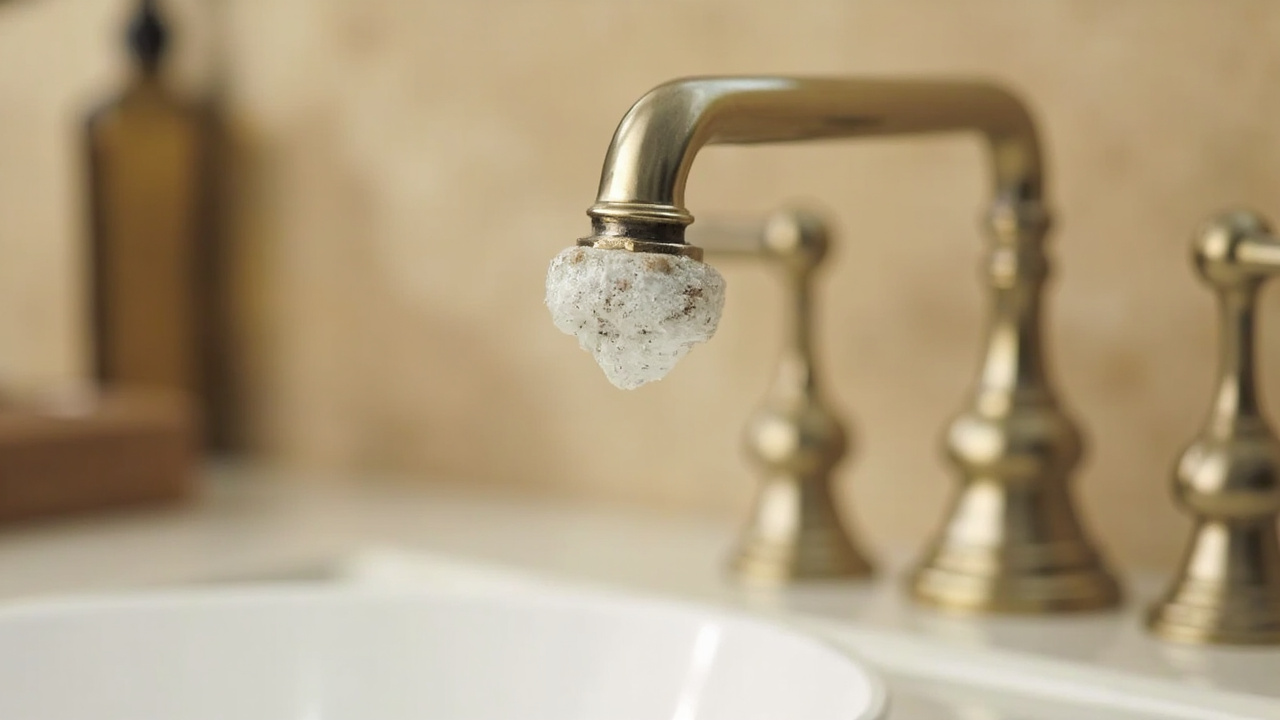
Removing Stubborn Calcium Buildup from Your High End Ocotillo Bathroom Fixtures

Living in the Ocotillo area of Chandler means you likely enjoy a custom home with high end bathroom fixtures. These…

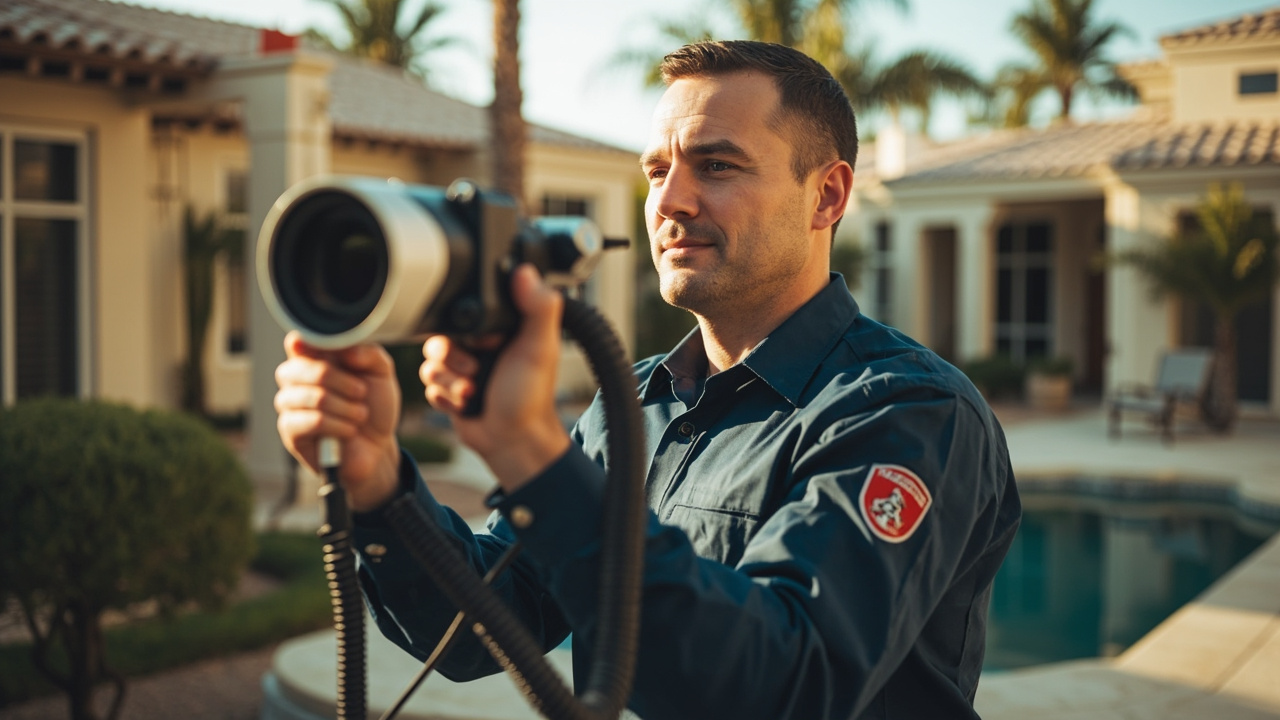
What Every Coronado Historic District Homeowner Should Know Before a Sewer Camera Inspection

Living in the Coronado Historic District offers a unique connection to the architectural heritage of Phoenix. Your home likely features…

Contact Us

Protect your business from preventable plumbing failures. Contact Peak Plumbing Phoenix at (623) 288-0099 to schedule your initial system assessment. We will evaluate your infrastructure, identify vulnerabilities, and recommend a maintenance schedule that fits your operations and budget.