menu

Signs You Need Sewer Repair in Phoenix – Catch Hidden Damage Before It Ruins Your Property

Learn to recognize the warning signs of main sewer line issues before minor problems escalate into costly emergencies that threaten your foundation, landscaping, and health.

Slider Image 1
Slider Image 2
Slider Image 3
Slider Image 4
Slider Image 5
Slider Image 7
Slider Image 8
Slider Image 9
Slider Image 10
Slider Image 11

Phoenix Sewer Lines Face Unique Underground Threats

Your home's main sewer line sits buried beneath Arizona's caliche-laden soil, where extreme heat cycles and prolonged drought conditions create the perfect storm for pipe failure. Phoenix temperatures regularly exceed 110 degrees in summer, causing clay and concrete pipes to expand and contract until they crack. Tree roots from mesquite, palo verde, and citrus trees aggressively seek moisture during our dry months, infiltrating even the smallest pipe joints.

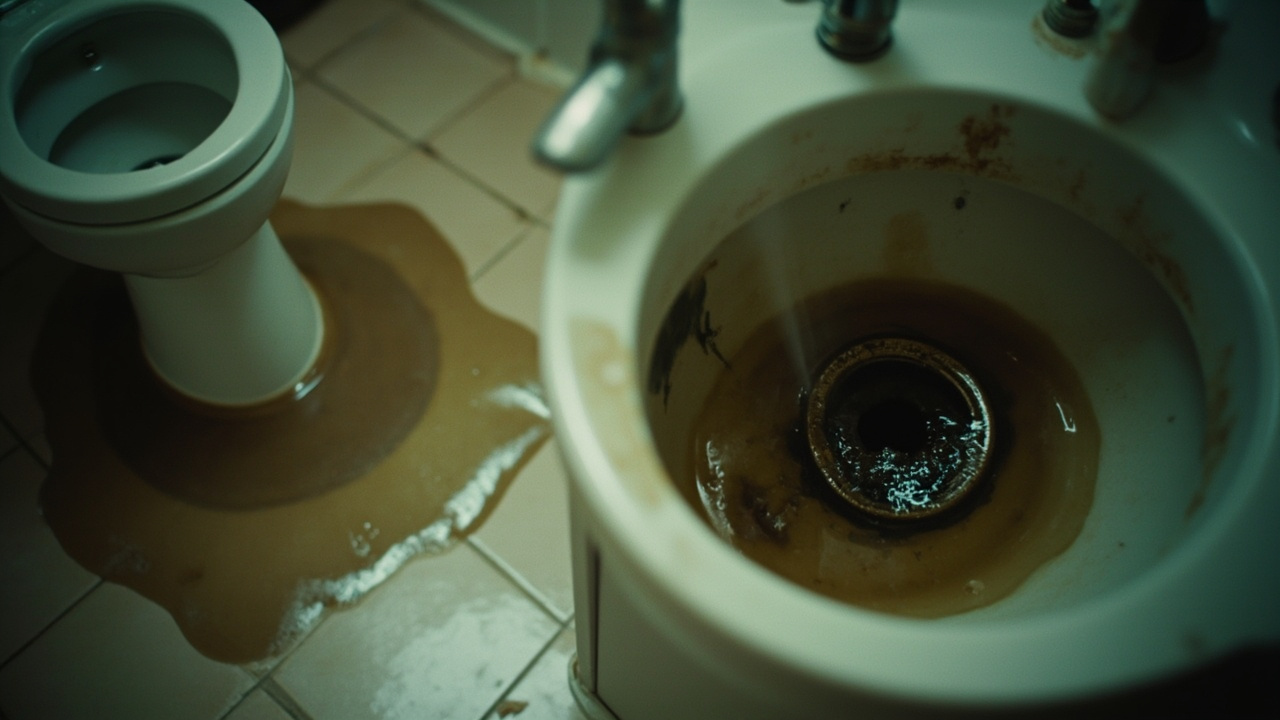
Most homeowners miss the early indicators of sewer line damage because the problems develop slowly underground. You might notice your drains running slower than normal or hear gurgling sounds when you flush the toilet. These symptoms of a broken sewer line signal that something is blocking or restricting flow in your main line.

The real danger lies in what you cannot see. A compromised sewer pipe can leak raw sewage into the soil beneath your foundation, creating voids that lead to settling and cracking. Desert landscaping makes it harder to spot wet patches or unusually green grass that would indicate a leak. By the time you smell sewage or see water pooling in your yard, the damage has often spread beyond the pipe itself.

Phoenix's older neighborhoods built before 1980 still have original clay or Orangeburg pipes that were never designed to handle modern water usage or survive decades of thermal stress. If your home sits in areas like Encanto, Coronado, or Arcadia, you face higher risk simply due to aging infrastructure. Knowing how to tell if your sewer pipe is broken can save you thousands in foundation repairs and prevent raw sewage from contaminating your property.

Phoenix Sewer Lines Face Unique Underground Threats
How We Diagnose Hidden Sewer Line Problems

How We Diagnose Hidden Sewer Line Problems

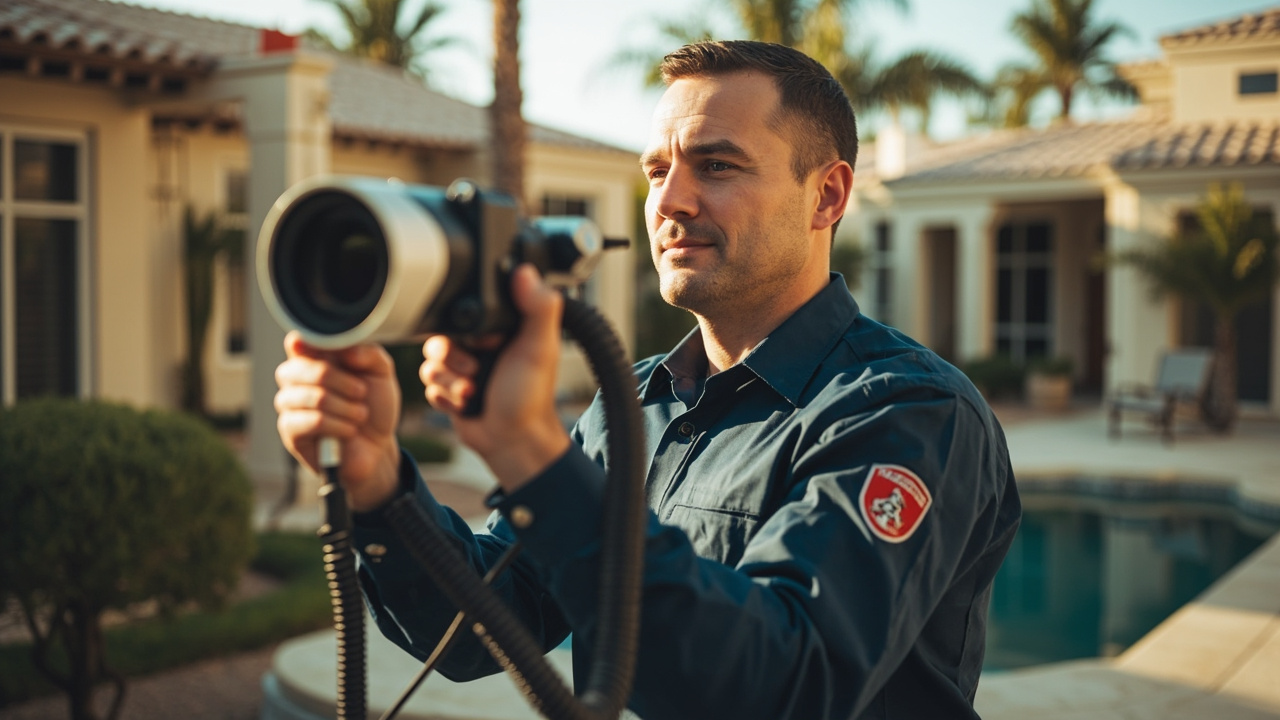
Peak Plumbing Phoenix uses video camera inspection technology to diagnose sewer line failure symptoms without excavating your entire yard. We feed a flexible fiber-optic camera through your cleanout or drain line, giving us real-time footage of the pipe's interior condition. This process reveals cracks, root intrusion, corrosion, bellied sections, and complete collapses that would otherwise remain invisible.

Our technicians look for specific warning signs of main sewer line issues during inspection. Offset joints indicate ground shifting, common in Phoenix due to differential soil settlement during monsoon seasons. We identify scale buildup from hard water that narrows the pipe diameter and causes chronic slow drains. Root masses appear as white tendrils that can completely fill a four-inch line, and we note their entry points to target repairs precisely.

We document everything with timestamped video footage and provide you with a digital copy. This transparency allows you to see exactly what we see, whether it is a small crack that can be patched or a collapsed section requiring replacement. The camera inspection also helps us locate the damaged area within inches, minimizing excavation when repairs become necessary.

After inspection, we perform dye testing to confirm suspected leaks. We introduce colored, non-toxic dye into your system and monitor where it surfaces in your yard or basement. This technique pinpoints active leaks that might not be visible on camera due to soil coverage. For commercial properties or complex residential systems, we use acoustic leak detection equipment that listens for water escaping under pressure. These diagnostic tools eliminate guesswork and ensure we address the actual problem rather than symptoms.

What Happens During Your Sewer Line Assessment

Signs You Need Sewer Repair in Phoenix – Catch Hidden Damage Before It Ruins Your Property
01

Initial System Evaluation

We begin by asking about specific symptoms you have noticed, including drain performance, odors, and any visible wet spots. Our technician locates your main cleanout, typically found near your property line or basement floor, and checks for immediate red flags like sewage backup or standing water. We test multiple fixtures simultaneously to identify whether the problem affects the entire system or isolated branch lines.
02

Camera Inspection Process

We insert a high-resolution camera with LED lighting into your sewer line, navigating through bends and junctions while recording continuous footage. The camera head transmits distance markers so we can map the exact location of any damage relative to your home's foundation. We identify the pipe material, diameter, and current condition throughout its entire run to the municipal connection or septic tank.
03

Diagnosis and Solutions

After completing the inspection, we review the footage with you and explain what we found in clear terms. We provide repair options ranging from trenchless pipe lining for minor cracks to full excavation and replacement for collapsed sections. You receive a detailed written estimate that outlines the scope of work, materials needed, and timeline for completion. We answer your questions and help you understand the urgency level based on what the camera revealed.

Why Phoenix Homeowners Trust Our Sewer Line Expertise

Peak Plumbing Phoenix understands the specific challenges that Arizona's environment creates for underground plumbing. We have diagnosed sewer problems in every Phoenix neighborhood from Ahwatukee to Anthem, and we recognize the patterns that emerge based on soil type, home age, and landscaping choices. Our technicians know that homes near the Arizona Canal often face different issues than properties in Laveen or Deer Valley due to variations in soil composition and water table depth.

We maintain relationships with local building departments and stay current on Phoenix plumbing code requirements. This knowledge matters when permits are needed for excavation or when repairs must meet specific standards for inspection. Many sewer line problems require coordination with the city, especially when damage extends to the lateral line connection at the municipal main. We handle those communications and ensure all work complies with local regulations.

Our investment in diagnostic technology sets us apart from competitors who rely on guesswork or outdated methods. Video camera inspection eliminates the need for exploratory digging that destroys landscaping and driveways. Trenchless repair options allow us to fix many problems through small access points, preserving your xeriscaping and hardscaping. When full excavation becomes necessary, we coordinate with landscape restoration services familiar with desert plants and irrigation systems.

You benefit from our established presence in the Phoenix metro area. We stock parts and materials specifically for the pipe types common in Arizona homes, which means faster repairs without waiting for special orders. Our service vehicles carry equipment designed for caliche excavation, and our crews understand how to work safely around buried utility lines that crisscross Phoenix properties. Local expertise translates to efficient service and repairs that last in our demanding climate.

What to Expect During Sewer Line Service

Rapid Response Timeline

We schedule camera inspections within 24 hours of your call, and same-day service is available for emergencies involving sewage backup. Most diagnostic inspections take 60 to 90 minutes, depending on your system's complexity and the location of the problem. If we discover damage requiring immediate repair, we can often begin work the same day or schedule you within 48 hours. For non-urgent repairs, we provide flexible scheduling that accommodates your availability and minimizes disruption to your daily routine.

Thorough Problem Assessment

Our camera inspection provides a complete view of your sewer line's condition from your home to the connection point. We document all damage, potential weak spots, and contributing factors like root intrusion or soil movement. You receive a comprehensive report that includes still images from the video, measurements of damaged sections, and our professional assessment of urgency. We explain how the problem developed and what you can expect if repairs are delayed. This transparency allows you to make informed decisions about repair timing and budget allocation.

Professional Repair Quality

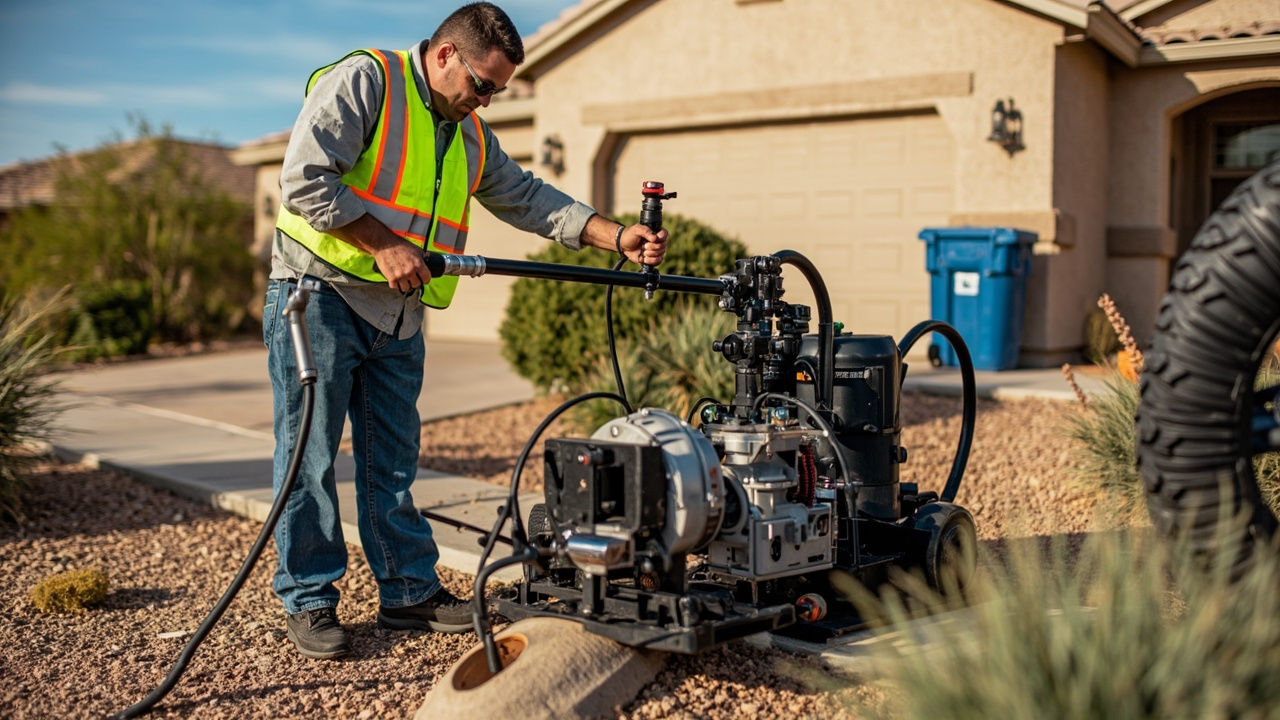
Whether we recommend trenchless lining, spot repair, or complete line replacement, our work meets or exceeds Phoenix plumbing code standards. We use materials rated for Arizona's soil conditions and temperature extremes, including Schedule 40 PVC and ABS pipe that resists UV degradation and thermal stress. Our excavation techniques preserve your property, and we coordinate with landscapers when restoration is needed. Every repair includes pressure testing to confirm the line is watertight before we backfill and restore surface areas.

Post-Repair Support

After completing repairs, we provide maintenance recommendations to extend your sewer line's lifespan. This includes guidance on root treatment if trees were a factor, proper disposal practices to prevent future clogs, and signs to watch for that might indicate new problems. We keep your inspection video on file for future reference and offer periodic camera checks at discounted rates for customers who want ongoing monitoring. Our service records help you maintain property value and provide documentation if you decide to sell your home.

Frequently Asked Questions

You Have Questions,
We Have Answers

What are four signs that your sewer line is broken? +

Four clear signs point to a broken sewer line. First, **multiple drains backing up** at the same time signals a main line issue. Second, **sewage odors** near your foundation or yard indicate a crack or break. Third, **soggy patches or lush grass** in your yard show wastewater leaking underground. Fourth, **foundation cracks or settling** appear when soil shifts from sewer leaks. Phoenix's clay soil expands and contracts with moisture, making foundation damage more noticeable here. If you spot two or more signs, call a plumber for a camera inspection before the damage worsens.

How do you know if you have sewer problems? +

You have sewer problems when **drains gurgle or drain slowly** throughout your home, not just in one fixture. **Sewage backups** in lower-level toilets or showers are red flags. **Foul odors** coming from drains or your yard indicate gases escaping from damaged pipes. You might notice **water pooling** in unexpected places or **sinkholes forming** near the sewer line path. Phoenix homeowners often see **increased pest activity**, especially rodents or insects attracted to breaks. Your **water bill may spike** from leaks you cannot see. These symptoms rarely fix themselves and typically worsen during Phoenix's monsoon season when soil shifts.

Does homeowners insurance cover main sewer line repair? +

Most homeowners insurance policies **do not cover** main sewer line repair because insurers classify it as maintenance, not sudden damage. Standard policies exclude wear and tear, root intrusion, and aging infrastructure. You might get coverage if a **covered peril** like a tree falling directly damages the line. Some insurers offer optional **sewer backup endorsements** for an extra premium, covering cleanup and repairs from backups into your home. In Phoenix, where shifting soil and mature tree roots stress aging sewer lines, this rider makes sense. Review your policy carefully and ask your agent about specific exclusions before problems occur.

How to know if a sewer line needs to be replaced? +

Your sewer line needs replacement when **repeated repairs** stop working or when a camera inspection reveals **extensive deterioration**. Look for **collapsed sections, severe root infiltration**, or **channeling** where the pipe bottom eroded away. Lines older than 40 years in Phoenix often show bellied sections from soil settlement. If the camera shows **widespread cracks, corrosion**, or **material breakdown**, patching becomes pointless. Clay and Orangeburg pipes common in older Phoenix neighborhoods fail faster in our alkaline soil. A qualified plumber will compare repair costs against replacement costs. When repairs exceed 50 percent of replacement price, full replacement makes financial sense.

How much does it cost to fix a collapsed sewer line? +

Repairing a collapsed sewer line depends on depth, location, and access. Traditional excavation involves digging up the pipe, which drives costs higher when your line runs under concrete, landscaping, or structures common in Phoenix properties. Trenchless methods like pipe bursting or slip lining reduce excavation but require specialized equipment. Depth matters because Phoenix sewer lines typically sit 18 to 24 inches deep, though some go deeper. Permits, soil conditions, and line length all affect final price. Get multiple quotes from licensed Phoenix plumbers who perform camera inspections first to accurately diagnose the collapse extent.

What is the average lifespan of a sewer line? +

Sewer line lifespan varies by material. **Cast iron pipes** last 50 to 75 years but corrode in Phoenix's alkaline soil. **Clay pipes**, common in older Phoenix neighborhoods, survive 50 to 60 years before tree roots and ground shifts cause failures. **Orangeburg pipes** from the 1940s to 1970s last only 30 to 50 years and are prone to collapse. Modern **PVC pipes** can last 100 years or more with proper installation. **ABS plastic** handles 50 to 80 years. Phoenix's extreme temperature swings and expansive clay soil stress older materials faster. If your home was built before 1980, consider a camera inspection to assess condition.

How much does it cost to have your sewer line inspection? +

A professional sewer line camera inspection typically runs between affordable and moderate pricing, depending on line length and accessibility. Phoenix plumbers use specialized waterproof cameras on flexible cables to inspect your entire main line from cleanout to city connection. The inspection identifies cracks, blockages, root intrusion, and bellied sections. Most inspections take 30 to 60 minutes and include a video recording you can keep. Some plumbers waive the inspection fee if you proceed with recommended repairs. The inspection pays for itself by preventing unnecessary digging and pinpointing exact problem locations, saving you money on targeted repairs instead of guesswork.

How to tell if your main sewer line is clogged? +

Your main sewer line is clogged when **every drain in your home** backs up or drains slowly, not just one fixture. **Toilets gurgle** when you run sinks or showers because air cannot escape past the blockage. **Water backs up** in the lowest drains first, typically basement floor drains or ground-level showers. You might hear **bubbling sounds** from drains or see **sewage in your cleanout**. In Phoenix, monsoon debris, mature tree roots, and collapsed pipes from soil movement cause most main line clogs. If plunging or snaking individual drains does not help, the blockage sits in your main line and needs professional clearing.

How do plumbers find sewer leaks? +

Plumbers find sewer leaks using **video camera inspections** that travel through your pipes, revealing cracks and breaks in real time. They use **smoke testing**, pumping non-toxic smoke into the line to see where it escapes from the ground. **Dye testing** with colored water traces flow paths to identify leak locations. Some plumbers employ **acoustic listening devices** that detect the sound of water escaping underground. In Phoenix, **ground-penetrating radar** helps locate pipes under concrete without digging. Thermal imaging can spot temperature differences where wastewater saturates soil. These diagnostic tools pinpoint exact leak locations, eliminating guesswork and minimizing excavation damage to your property.

Who is responsible for a broken sewer pipe? +

Responsibility for a broken sewer pipe depends on where the break occurs. Homeowners own and maintain the **lateral line** from their house to the property line or city connection point. The city of Phoenix maintains the **main sewer line** in the street and typically owns the connection at the property line. If the break sits in your lateral, you pay for repairs. If it occurs in the city main, Phoenix handles it. Gray areas exist at connection points. Tree roots from city trees damaging your lateral remain your responsibility in most cases. Check your property survey and contact Phoenix Water Services to clarify the exact demarcation point before starting repairs.

Why Phoenix's Soil Conditions Accelerate Sewer Line Deterioration

Phoenix sits atop layers of caliche, a concrete-hard calcium carbonate deposit that forms naturally in arid climates. This rock-like layer shifts and settles as monsoon rains saturate the soil, then contracts during dry periods when moisture evaporates. Sewer pipes buried through caliche experience constant pressure changes that create stress fractures in clay and concrete materials. The symptoms of a broken sewer line often appear suddenly in Phoenix because small cracks can propagate rapidly once they start. Desert trees compound the problem by sending roots deep into the ground searching for water, and your sewer line represents the most reliable moisture source in a residential landscape. These roots can penetrate pipe joints and expand inside the line, creating blockages that manifest as slow drains and gurgling sounds before complete failure occurs.

Peak Plumbing Phoenix has served the Valley since our founding, building expertise specific to local soil mechanics and pipe performance in extreme heat. We understand how homes in different Phoenix neighborhoods face unique challenges based on their proximity to historical water sources, soil composition variations, and construction era. Our technicians recognize the difference between problems caused by settling versus root intrusion versus manufacturing defects in older pipe materials. This local knowledge means faster diagnosis and more effective repairs tailored to conditions that national chain plumbers might not fully understand. When you choose a company that specializes in Phoenix plumbing systems, you get solutions designed for long-term performance in our specific environment.
Plumbing Services in The Phoenix Area

We proudly serve residential and commercial customers throughout the Phoenix area. Whether you're located in the city center, suburbs, or surrounding communities, our team is ready to help with fast, reliable plumbing solutions. Use the map below to locate us, or reach out for directions and service area confirmation. At Peak Plumbing, we make it easy for you to access professional plumbing services wherever you are in the region.

Address:
Peak Plumbing Phoenix, 4041 E Thomas Rd, Phoenix, AZ, 85018

Additional Services We Offer

Our news updates

Latest Articles & News from The Blogs

How to Fix Underground Water Main Leaks in Peoria Without Wrecking Your YardA water main leak under your Peoria property…

How to Fix Underground Water Main Leaks in Peoria Without Wrecking Your Yard

How to Fix Underground Water Main Leaks in Peoria Without Wrecking Your YardA water main leak under your Peoria property…

Removing Stubborn Calcium Buildup from Your High End Ocotillo Bathroom Fixtures

Living in the Ocotillo area of Chandler means you likely enjoy a custom home with high end bathroom fixtures. These…

What Every Coronado Historic District Homeowner Should Know Before a Sewer Camera Inspection

Living in the Coronado Historic District offers a unique connection to the architectural heritage of Phoenix. Your home likely features…

Contact Us

Call Peak Plumbing Phoenix at (623) 288-0099 to schedule your video camera inspection. We will diagnose the problem accurately and provide honest repair options that fit your budget and timeline. Do not wait for sewage backup to force your hand.