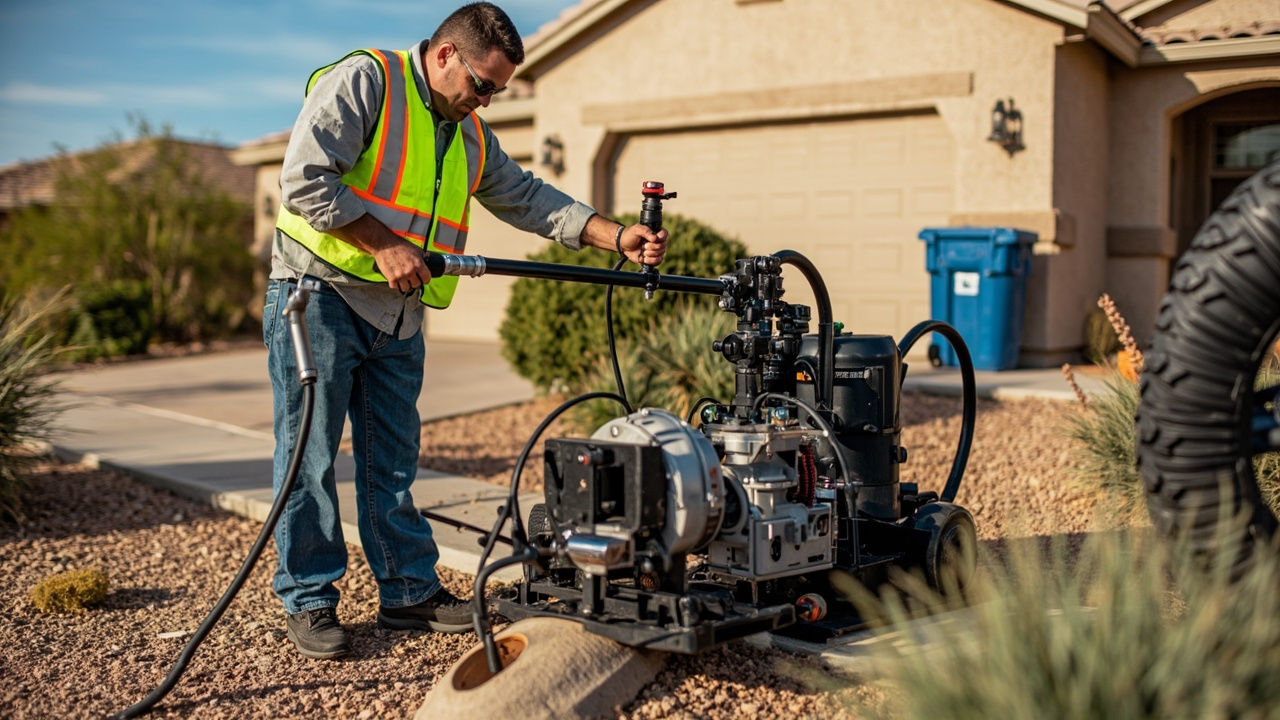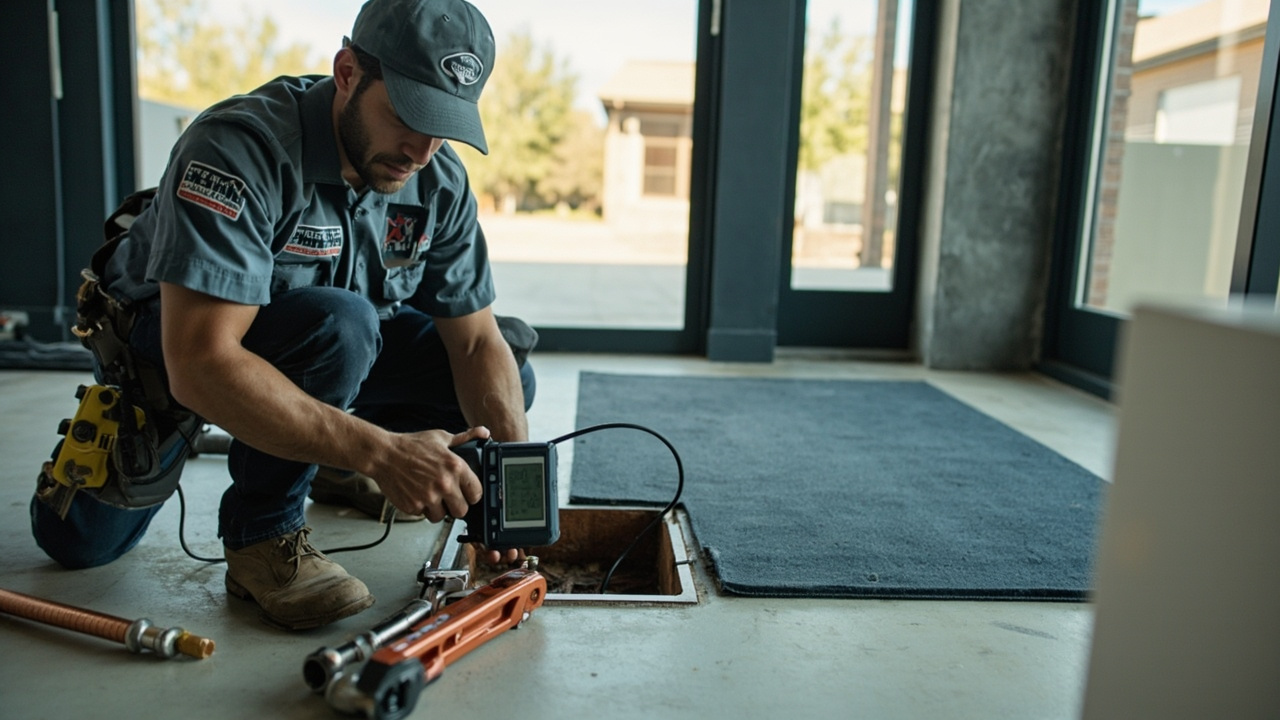

Phoenix foundations sit atop a dense caliche layer, a cement-like hardpan formed by calcium carbonate deposits. This rock-hard stratum lies 18 to 36 inches below most concrete slabs throughout the Valley. When plumbers attempt under slab plumbing repair without local experience, they encounter caliche while excavating for pipe access. Standard jackhammers and excavation tools struggle with this material. Specialized diamond-tipped core drills and hydraulic breakers are required. The caliche layer also affects water migration patterns. Slab leaks do not simply drain away. Water becomes trapped between your concrete and the impermeable caliche, spreading laterally and saturating soil far from the actual leak point. This creates misleading moisture readings during detection and requires experienced interpretation of thermal and acoustic data.
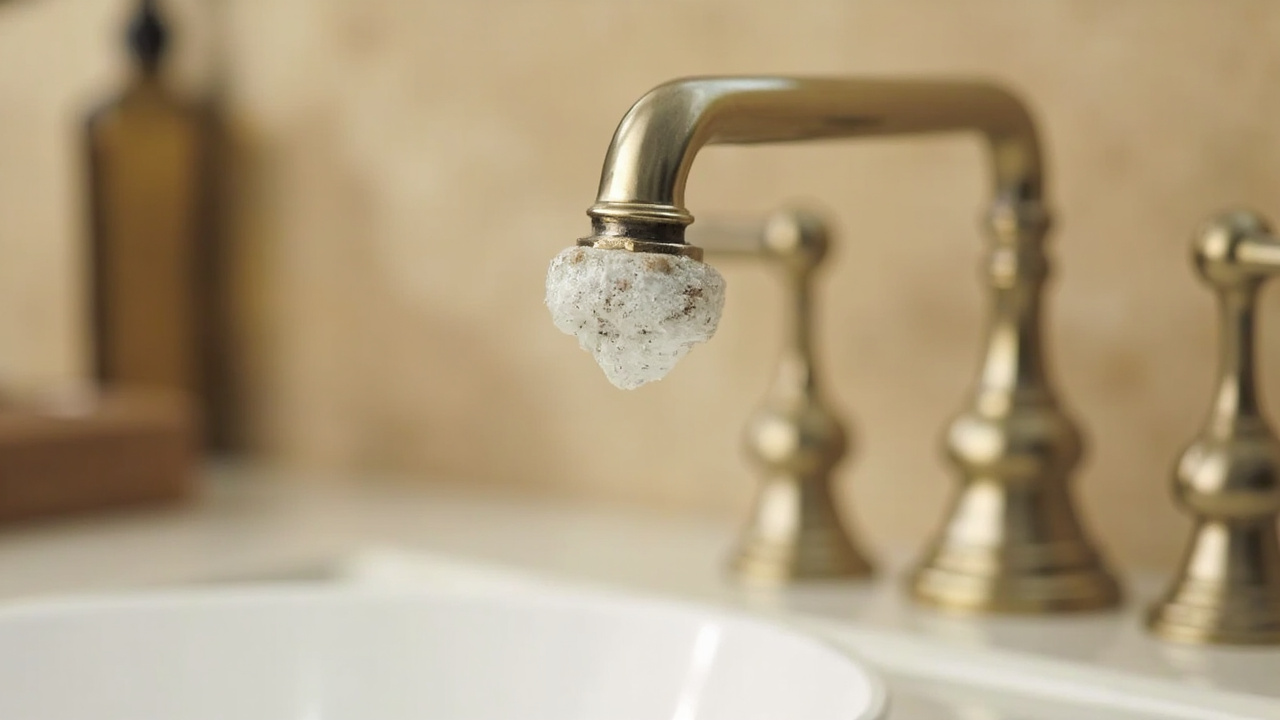
Peak Plumbing Phoenix understands the building practices that define different Phoenix neighborhoods. We know that Arcadia homes from the 1950s often used galvanized supply lines prone to interior scaling. Sun City properties built in the 1960s and 1970s frequently have soft copper without protective sleeves. Ahwatukee developments from the 1980s commonly feature post-tension slab systems that require engineering consultation before cutting concrete. Our familiarity with local construction timelines, materials, and methods allows accurate diagnosis and appropriate repair planning. We maintain relationships with structural engineers who provide same-day plan reviews for post-tension cable systems, eliminating delays in your repair timeline. This local expertise prevents the costly mistakes that out-of-area contractors make when attempting foundation leak detection and repair in Phoenix homes.