menu

Sewer Line Repair & Replacement in Phoenix – Trenchless Solutions That Minimize Excavation & Restore Flow Fast

Peak Plumbing Phoenix specializes in advanced trenchless sewer line repair and complete pipe replacement, reducing yard damage while delivering permanent solutions to collapsed, corroded, and root-invaded main lines throughout the Valley.

Slider Image 1
Slider Image 2
Slider Image 3
Slider Image 4
Slider Image 5
Slider Image 7
Slider Image 8
Slider Image 9
Slider Image 10
Slider Image 11

Phoenix's Shifting Soil and Extreme Heat Create the Perfect Storm for Sewer Line Failure

Phoenix sits on expansive clay soil that swells during monsoon season and contracts during the brutal summer heat. This constant expansion and contraction cycle creates shear stress on underground sewer laterals, causing joints to separate, pipes to crack, and entire sections to collapse. If your home was built before 1985, you likely have Orangeburg pipe or clay tile, both of which deteriorate rapidly in Phoenix's alkaline soil.

Add in invasive tree roots searching for water and aging cast iron that corrodes from the inside out, and you have a recipe for recurring backups, foul odors in your yard, and foundation-threatening water pooling. Most Phoenix homeowners ignore slow drains or gurgling toilets until raw sewage backs up into their shower or kitchen sink. By that point, the damage extends beyond the pipe itself.

Whether you need trenchless sewer line repair to reline a damaged section, complete sewer pipe replacement for a collapsed main, or targeted broken sewer pipe repair to fix a single failure point, the solution depends on accurate diagnosis. Main sewer line repair in Phoenix requires understanding how caliche deposits and soil movement affect pipe integrity. Sewer lateral replacement often becomes necessary when the connection point between your home and the city main has failed due to settling or root intrusion. Waiting only increases the scope of excavation and the risk of contaminating your property.

Phoenix's Shifting Soil and Extreme Heat Create the Perfect Storm for Sewer Line Failure
How We Diagnose and Repair Sewer Lines Without Destroying Your Landscape

How We Diagnose and Repair Sewer Lines Without Destroying Your Landscape

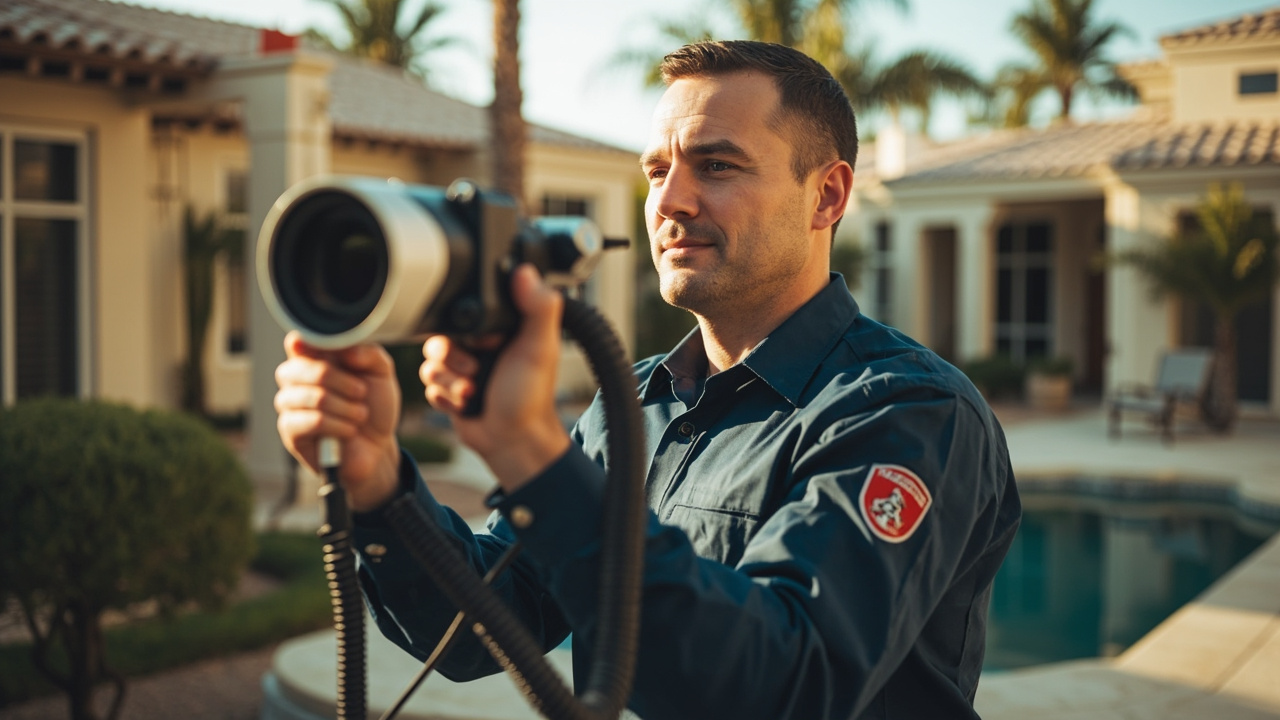
We start every sewer line repair with a video camera inspection. A high-definition sewer camera travels the full length of your main line, transmitting real-time footage to identify cracks, offsets, bellies, root masses, and collapse points. We mark the exact GPS location of each defect and measure the severity. This eliminates guesswork and prevents unnecessary excavation.

For localized damage, we use trenchless sewer line repair methods like cured-in-place pipe lining. We insert a resin-saturated liner into the existing pipe, inflate it to conform to the pipe walls, and cure it with hot water or UV light. The result is a seamless, joint-free pipe within your old pipe, often stronger than the original and rated for 50-plus years. This method requires only two small access points, preserving your driveway, landscaping, and hardscaping.

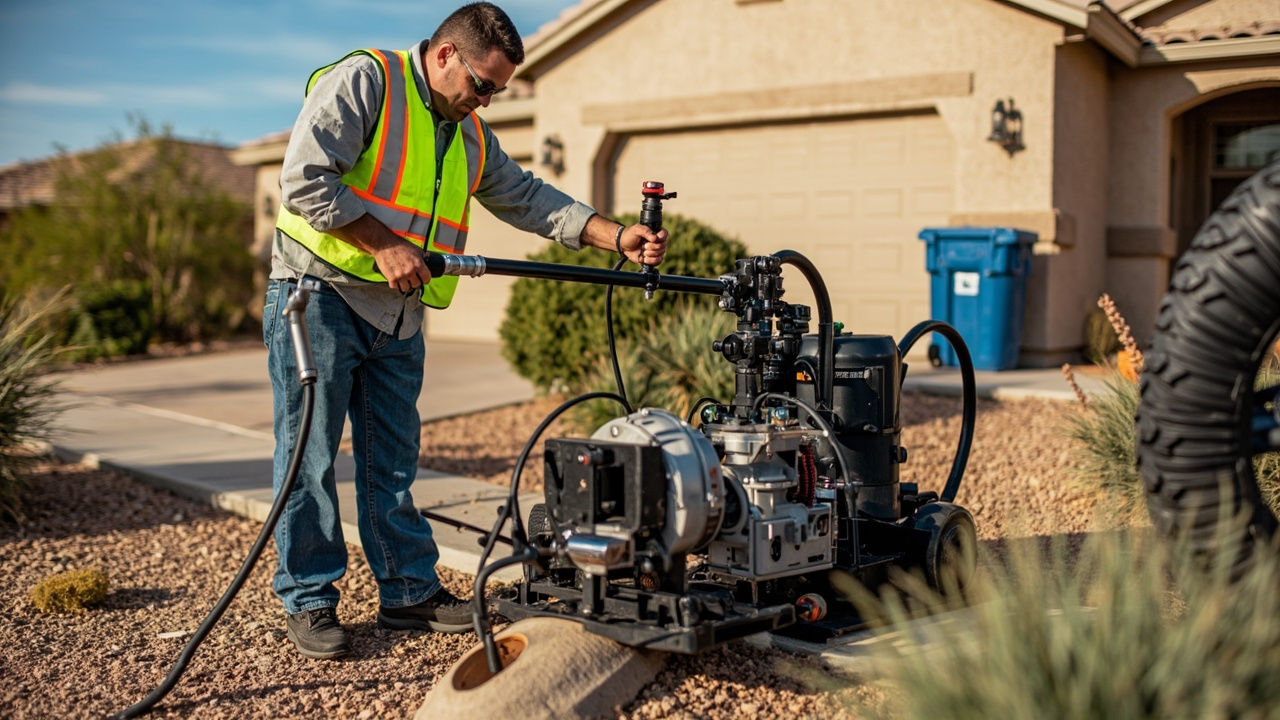
When the pipe is beyond repair due to severe offset, complete collapse, or widespread corrosion, we perform full sewer pipe replacement. We use pipe bursting technology to fracture the old line while simultaneously pulling in new high-density polyethylene pipe. This trenchless method reduces excavation by up to 90 percent compared to traditional dig-and-replace. For situations where trenchless methods are not viable due to pipe depth, proximity to utilities, or severe bellying, we perform targeted excavation using hydro-excavation to expose only the damaged section.

Every main sewer line repair includes pressure testing, final camera verification, and backfill compaction that meets Phoenix building code. We coordinate with the city for any work involving the sewer lateral connection point and pull permits when required.

What Happens During Your Sewer Line Repair

Sewer Line Repair & Replacement in Phoenix – Trenchless Solutions That Minimize Excavation & Restore Flow Fast
01

Camera Inspection and Diagnosis

We feed a waterproof sewer camera through your cleanout to inspect the entire main line from your home to the city connection. The camera records every inch, revealing root intrusion, pipe offset, bellies where water pools, and collapse points. We provide you with a digital copy of the footage and a written report detailing each defect's location and severity. This diagnostic step determines whether trenchless repair, spot excavation, or full replacement is the correct solution.
02

Trenchless Repair or Replacement

For repairable sections, we clean the pipe using hydro-jetting to remove roots, grease, and scale, then install a cured-in-place liner that hardens into a structural pipe. For failed lines, we use pipe bursting to replace the old pipe with new HDPE pipe in a single pull. Both methods require minimal digging, usually just two access points. We complete most residential main sewer line repairs in one day, restoring full drainage without tearing up your property.
03

Testing and Final Verification

After the repair or replacement, we perform a final camera inspection to confirm the pipe is fully sealed, properly aligned, and free of obstructions. We conduct a pressure test or water flow test to verify drainage performance. All excavation points are backfilled with engineered fill and compacted to grade. You receive documentation of the completed work, including before-and-after camera footage, which is useful for future home sales or insurance claims.

Why Phoenix Homeowners Trust Peak Plumbing Phoenix for Sewer Line Work

Sewer line failure is not a cosmetic issue. It is a health hazard and a structural threat. Raw sewage introduces pathogens into your soil, attracts rodents, and can undermine your foundation if water pools near your slab. Choosing a plumber who understands Phoenix-specific challenges makes the difference between a temporary patch and a permanent fix.

We have repaired and replaced sewer lines in every Phoenix neighborhood, from older homes in Encanto with clay tile mains to newer builds in Ahwatukee with PVC that has failed due to improper bedding. We know how Phoenix's caliche layer affects excavation depth and how to navigate the Valley's complex utility corridors without hitting water, gas, or fiber optic lines. We pull permits when required and coordinate inspections with the city to keep your project compliant.

Our camera inspection equipment is commercial-grade, capable of navigating 90-degree bends and providing accurate distance measurements. Our trenchless repair methods are contractor-grade, not homeowner-grade patch kits. We do not subcontract sewer line work. The technician who diagnoses your line is the same technician who performs the repair.

We also understand the financial reality of sewer line replacement. This is not a repair most homeowners budget for. We provide upfront pricing after the camera inspection so you can make an informed decision. We explain all options, from spot repair to full replacement, and we do not upsell services you do not need. If a $1,200 spot repair will solve the problem, we will not sell you a $12,000 replacement.

What You Can Expect From Start to Finish

Speed of Response and Completion

Sewer backups do not wait for business hours. We offer same-day camera inspections for active backups and can often complete trenchless repairs within 24 hours of diagnosis. Most single-section repairs take four to six hours. Full sewer lateral replacements typically require one to two days depending on distance and access. We provide a realistic timeline after the camera inspection and communicate any delays caused by permit approval or utility clearance. If you are experiencing an active backup, we can often clear the blockage temporarily to restore drainage while we plan the permanent repair.

The Inspection and Assessment Process

We do not guess. Every sewer line repair starts with a camera inspection unless the pipe is already exposed. The camera inspection fee applies toward the repair if you proceed with us. We walk you through the footage, explain what you are seeing, and provide a written scope of work. You will know the exact location of the damage, the cause of failure, and the recommended fix. We also locate your property's sewer cleanout. If you do not have one or it is buried, we can install a new access point. You leave the inspection with a full understanding of your sewer line's condition.

The Quality of the Finished Repair

Trenchless pipe lining creates a seamless interior surface that resists root intrusion and corrosion. The cured liner bonds to the host pipe, restoring structural integrity even in cracked or offset sections. Pipe bursting replacement installs fusion-welded HDPE pipe, which has no joints for roots to penetrate and will not corrode. All excavation is backfilled with compacted engineered fill to prevent settling. We restore your yard to grade and can coordinate concrete or landscaping restoration if needed. The repair is designed to outlast the rest of your home's plumbing system.

Aftercare and Maintenance Recommendations

We provide a detailed care guide after every repair. For homes with mature trees, we recommend annual camera inspections to catch root intrusion early. We also offer preventive hydro-jetting to clear grease buildup and minor root growth before it causes a blockage. If your repair involved trenchless lining, the liner itself requires no maintenance, but we still recommend avoiding flushing wipes, grease, or other debris that can cause clogs downstream. We keep your camera inspection footage on file and can provide copies for your records or future buyers.

Frequently Asked Questions

You Have Questions,
We Have Answers

Does homeowners insurance cover main sewer line replacement? +

Most standard homeowners insurance policies do not cover main sewer line replacement. Insurance typically covers sudden, accidental damage like a tree root suddenly rupturing the pipe, but not gradual deterioration or wear and tear. Phoenix homeowners should review their policy carefully. Some insurers offer optional sewer line endorsements or riders for additional coverage. You may also have coverage if the damage resulted from a covered peril like a foundation collapse. Always file a claim and let an adjuster inspect the damage. Keep detailed documentation and photos of the failure.

Why is replacing a sewer line so expensive? +

Sewer line replacement costs are high because of the labor-intensive excavation, permitting, and material requirements. In Phoenix, crews must dig through hard caliche soil and desert landscaping, often 4 to 6 feet deep to reach the main line. You pay for excavation equipment, skilled plumbers, city permits, inspection fees, and pipe materials like PVC or cast iron. Restoring hardscaping, driveways, or irrigation systems adds to the total. The scope of work depends on pipe depth, length, and accessibility. Replacing a full lateral from house to city main can span 50 to 100 feet.

What is the cheapest way to replace a sewer line? +

The cheapest way to replace a sewer line is to choose trenchless methods like pipe bursting or pipe lining when conditions allow. These techniques minimize excavation and reduce restoration costs. In Phoenix, trenchless repair works well in stable soil conditions. You save money on landscape restoration, concrete removal, and labor hours. However, trenchless is not always feasible if the pipe has severe offsets, collapsed sections, or Orangeburg pipe. Getting multiple quotes and addressing problems early prevents emergency pricing. Spot repairs are cheaper than full replacement if only one section is damaged.

How to get insurance to pay for sewer line replacement? +

To get insurance to pay for sewer line replacement, file a claim immediately after discovering the damage. Document everything with photos and video showing the failure and any property damage caused by sewage backups. Request a professional camera inspection report from a licensed plumber to prove the cause and extent of damage. In Phoenix, clearly demonstrate the damage was sudden and accidental, not gradual wear. Provide all invoices, repair estimates, and correspondence. If your claim is denied, ask for a written explanation and consider appealing with additional documentation or hiring a public adjuster.

What is the average lifespan of a sewer line? +

The average lifespan of a sewer line depends on material. Cast iron pipes last 50 to 75 years but corrode over time. Clay pipes last 50 to 60 years but crack under soil shifting. PVC pipes can last over 100 years and are now the standard in Phoenix. Orangeburg pipes, used in mid-century construction, last only 30 to 50 years and collapse easily. Phoenix homeowners with older properties should inspect lines proactively. Extreme heat, soil movement, and tree root intrusion accelerate deterioration. Regular camera inspections after 40 years help catch problems early.

Can a homeowner replace a sewer line? +

A homeowner can technically replace a sewer line, but it is not recommended. Phoenix requires permits, inspections, and adherence to city plumbing codes. You need excavation equipment, pipe-cutting tools, laser levels for proper slope, and knowledge of backflow prevention. Mistakes can cause sewage backups, contamination, or city fines. Homeowners also risk damaging underground utilities like gas, water, or electrical lines. Licensed plumbers carry insurance and guarantees. If you attempt the work yourself and fail inspection, you will pay a professional to fix it anyway. The risk outweighs the savings for most homeowners.

Does replacing a sewer line increase home value? +

Replacing a sewer line can increase home value by removing a significant liability. Buyers in Phoenix are wary of older properties with original cast iron or clay sewer lines. A new PVC lateral signals reduced risk of costly failures and sewage backups. Appraisers may not add direct value, but it removes a negotiating obstacle during inspections. Homes with recent sewer replacements sell faster and with fewer repair requests. Keep all permits, inspection records, and warranties to show buyers. Replacing a failing line is better than disclosing a known defect, which tanks offers.

How to tell if a sewer line is bad? +

You can tell a sewer line is bad if you experience frequent clogs, slow drains throughout the house, gurgling sounds from toilets, or sewage backups in lower fixtures. Foul odors in the yard or near cleanouts indicate leaks. In Phoenix, watch for soggy spots, unusually green grass patches, or foundation settling caused by leaking sewage saturating the soil. Sewage odors inside the home mean a break or blockage. A professional camera inspection confirms the issue by revealing cracks, root intrusion, offsets, or collapsed sections. Early detection prevents sewage floods and expensive emergency repairs.

Who is responsible for a broken sewer pipe? +

Homeowners are responsible for the sewer lateral from the house to the city main connection point, usually at the property line or street. In Phoenix, the city owns and maintains the main sewer line in the street, but you own the lateral. Check your property deed and city ordinances to confirm the division point. If a break occurs on your side, you pay for repairs. If tree roots from a city tree damage your lateral, you may have recourse, but proving liability is difficult. Some cities offer sewer line warranty programs for shared responsibility.

Can you replace a sewer line without digging? +

Yes, you can replace a sewer line without digging using trenchless methods. Pipe lining inserts an epoxy-coated liner inside the existing pipe, creating a new pipe within the old one. Pipe bursting fractures the old pipe while pulling a new pipe into place. Both methods require small access points at each end. Phoenix homeowners save on excavation and landscape restoration costs. Trenchless works best when the existing pipe still has structural integrity and no severe collapses or offsets. Roots must be cleared first. Trenchless is faster and less disruptive than traditional excavation.

How Phoenix's Caliche and Clay Soil Accelerate Sewer Line Deterioration

Phoenix sits on some of the most challenging soil conditions in the Southwest. Expansive clay soil swells during monsoon rains and shrinks during the 120-degree summer heat, creating constant movement that stresses rigid sewer pipes. Beneath the clay lies caliche, a cement-hard layer of calcium carbonate that makes excavation difficult and expensive. Older sewer lines made of Orangeburg fiber pipe or clay tile cannot flex with this movement. Joints separate, pipes crack, and roots exploit every gap. Trenchless sewer line repair and pipe bursting methods allow us to navigate these conditions without removing tons of caliche or destabilizing your foundation.

Phoenix building codes require specific backfill materials and compaction standards for any excavation near a foundation or within a public right-of-way. We pull permits for sewer lateral replacement work that crosses the property line and coordinate inspections with the City of Phoenix. Our familiarity with local utility layouts prevents accidental strikes on water mains, gas lines, and fiber optic cables that run parallel to many sewer lines in older neighborhoods. Choosing a plumber who understands these local factors reduces project risk and ensures the repair meets city standards.
Plumbing Services in The Phoenix Area

We proudly serve residential and commercial customers throughout the Phoenix area. Whether you're located in the city center, suburbs, or surrounding communities, our team is ready to help with fast, reliable plumbing solutions. Use the map below to locate us, or reach out for directions and service area confirmation. At Peak Plumbing, we make it easy for you to access professional plumbing services wherever you are in the region.

Address:
Peak Plumbing Phoenix, 4041 E Thomas Rd, Phoenix, AZ, 85018

Additional Services We Offer

Our news updates

Latest Articles & News from The Blogs

How to Fix Underground Water Main Leaks in Peoria Without Wrecking Your YardA water main leak under your Peoria property…

How to Fix Underground Water Main Leaks in Peoria Without Wrecking Your Yard

How to Fix Underground Water Main Leaks in Peoria Without Wrecking Your YardA water main leak under your Peoria property…

Removing Stubborn Calcium Buildup from Your High End Ocotillo Bathroom Fixtures

Living in the Ocotillo area of Chandler means you likely enjoy a custom home with high end bathroom fixtures. These…

What Every Coronado Historic District Homeowner Should Know Before a Sewer Camera Inspection

Living in the Coronado Historic District offers a unique connection to the architectural heritage of Phoenix. Your home likely features…

Contact Us

Do not wait for a catastrophic failure. Call Peak Plumbing Phoenix at (623) 288-0099 to schedule a camera inspection and get a clear diagnosis of your sewer line's condition. We provide upfront pricing and permanent solutions.