menu

Slow Draining Sinks & Showers in Phoenix | Expert Diagnosis and Permanent Fixes

We identify the root cause of slow running drains, clogged shower drains, and sluggish sink drainage, then provide the right fix the first time so you stop dealing with standing water and recurring blockages.

Slider Image 1
Slider Image 2
Slider Image 3
Slider Image 4
Slider Image 5
Slider Image 7
Slider Image 8
Slider Image 9
Slider Image 10
Slider Image 11

Why Phoenix Homes Battle Constant Drainage Issues

You step into the shower and watch water pool around your ankles. You wait five minutes for the kitchen sink to clear after washing dishes. These are not minor inconveniences. They are warning signs of failing drainage systems.

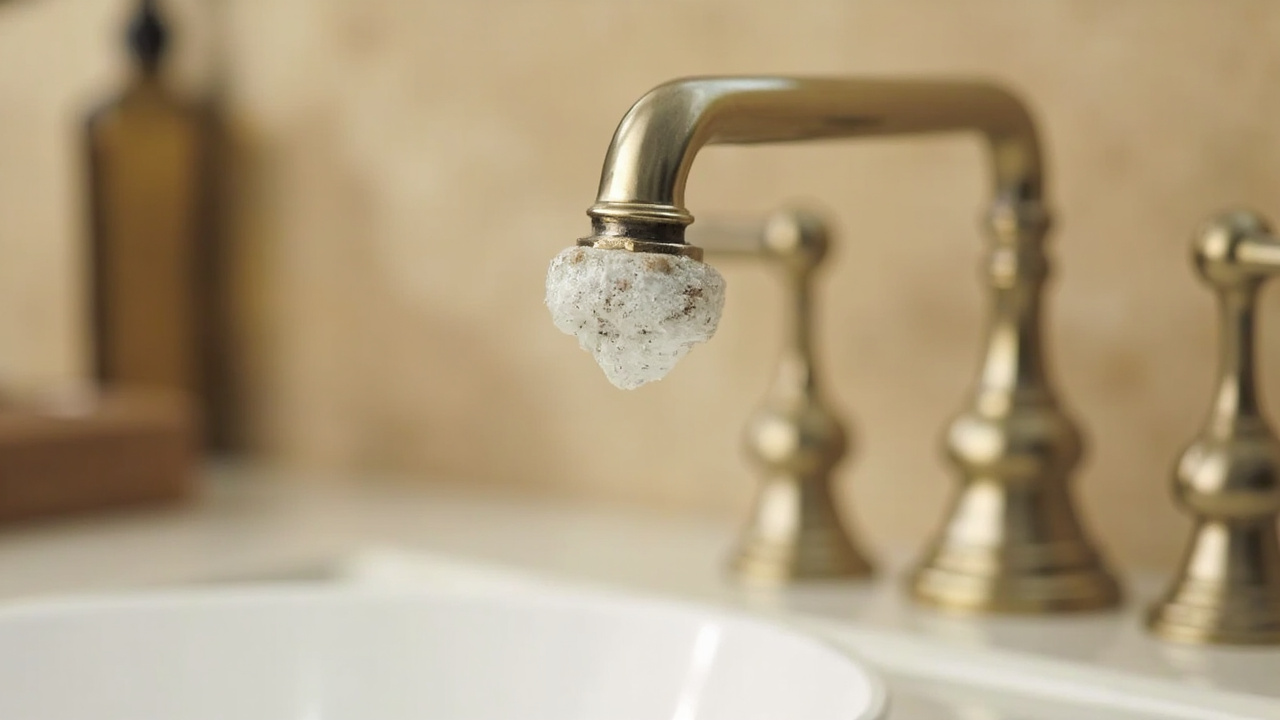
Phoenix's hard water is a major culprit. The mineral content in our municipal water supply leaves calcium and magnesium deposits inside your pipes. Over time, these deposits narrow the interior diameter of your drain lines. What started as a half-inch buildup becomes a serious restriction. The result is standing water in your shower and sluggish sink drainage that gets worse every week.

The desert climate also plays a role. Phoenix homes deal with dust and sediment that washes into drains during our monsoon season. When combined with soap scum, hair, and grease, you get a perfect recipe for blocked bathtub drains and clogged shower drains.

Many homeowners in neighborhoods like Arcadia, Ahwatukee, and North Phoenix attempt to solve the problem with chemical drain cleaners. These products rarely work on mineral buildup. They burn through organic matter but do nothing to address hard water scale. Worse, they corrode older galvanized pipes common in homes built before 1990.

The frustration builds when you realize the problem is not going away. You are not dealing with a simple clog. You are dealing with systemic drainage failure that requires professional assessment and the right tools to fix permanently.

Why Phoenix Homes Battle Constant Drainage Issues
How We Diagnose and Clear Slow Running Drains

How We Diagnose and Clear Slow Running Drains

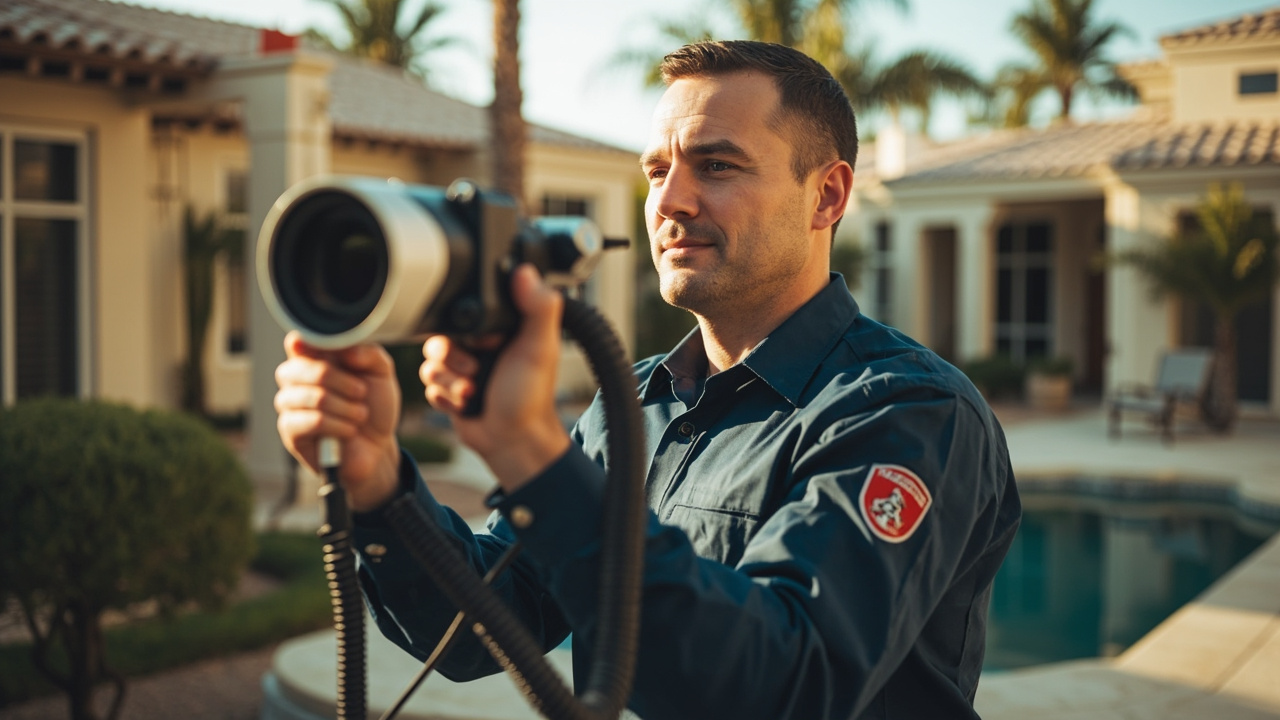
We do not guess. We use a drain camera inspection to see exactly what is happening inside your pipes. This is a flexible fiber-optic camera that travels through your drain line and transmits real-time video. We can identify mineral scale, root intrusion, pipe corrosion, or partial collapses that cause slow drainage.

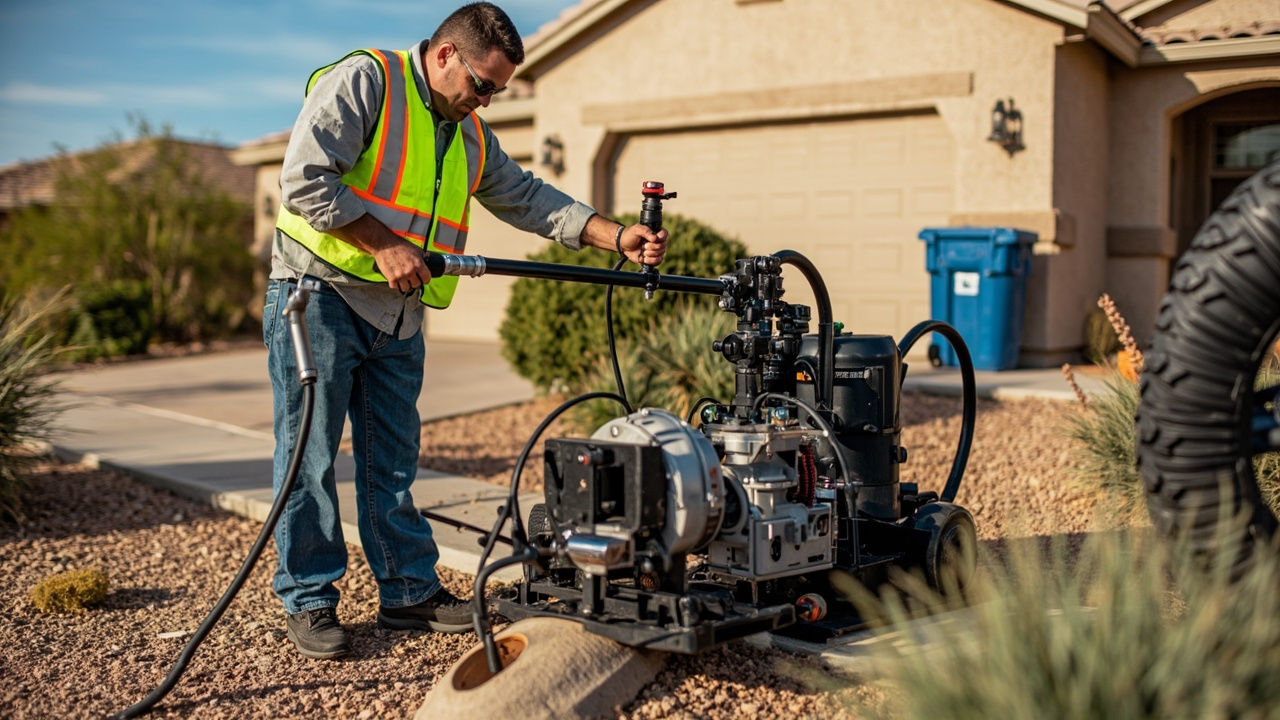
For mineral buildup from hard water, we use hydro-jetting. This is a high-pressure water system that scours the interior walls of your pipes. It removes years of calcium deposits, grease buildup, and soap scum. Unlike a drain snake that punches a hole through a clog, hydro-jetting restores the full diameter of the pipe. The result is drainage that works like new.

If the camera reveals damaged pipes, we provide you with the footage and explain your options. Sometimes a section of galvanized pipe has corroded to the point where it needs replacement. Other times, a bellied pipe has created a low spot where debris collects. We give you the facts so you can make an informed decision.

We also address fixture-specific issues. A clogged shower drain often involves removing the drain assembly to clear hair and soap buildup from the P-trap. A sluggish sink drainage problem in the kitchen usually means dealing with grease accumulation in the horizontal drain line. Each fixture type has common failure points, and we know how to address them without damaging your plumbing.

Peak Plumbing Phoenix techs carry the tools to handle these issues on the first visit. We arrive with cameras, hydro-jetters, and augers. You get a solution today, not a return appointment next week.

What Happens When We Fix Your Drainage Problem

Slow Draining Sinks & Showers in Phoenix | Expert Diagnosis and Permanent Fixes
01

Initial Assessment and Testing

We start by testing each affected fixture to determine the scope of the problem. If multiple drains are slow, the issue is likely in your main drain line. If only one fixture is affected, the blockage is localized. We run water and observe drainage speed, check for gurgling sounds that indicate venting issues, and identify any odors that suggest trapped organic matter. This testing phase tells us where to focus our camera inspection.
02

Camera Inspection and Diagnosis

We insert the camera through the cleanout or directly through the drain. You watch the monitor with us as we navigate your pipes. We point out the exact location and type of obstruction. If we find mineral scale, root intrusion, or pipe damage, you see it in real time. This eliminates guesswork and allows us to recommend the most effective clearing method or repair. The camera footage also serves as documentation if you need to file an insurance claim for pipe damage.
03

Clearing and Flow Verification

After we clear the drain using hydro-jetting or mechanical augering, we run a final camera pass to verify the obstruction is completely removed. Then we test all affected fixtures to confirm proper drainage speed. You should see water disappear immediately with no standing water or slow gurgling. We also check for proper venting and make adjustments if needed. You get visual proof that the problem is solved before we leave your property.

Why Phoenix Homeowners Choose Peak Plumbing Phoenix for Drainage Solutions

We understand Phoenix plumbing systems because we work on them every day. Homes in Maryvale built in the 1960s have different pipe materials than new construction in Verrado. We know which systems are prone to mineral buildup and which ones suffer from improper slope in the drain lines.

Our techs are trained to identify the difference between a symptom and a root cause. A blocked bathtub drain might be hair in the trap, or it could be a venting issue that creates negative pressure in the line. We investigate until we find the real problem. This approach saves you money because we fix it right the first time.

We also respect your property. Drain work can get messy. We use drop cloths, contain water spills, and clean up thoroughly before we leave. You should not have to mop your bathroom floor after we solve your drainage issue.

Phoenix's building codes require proper venting for all drainage systems. We stay current on these requirements. If we discover a code violation during our inspection, we explain the issue and provide options for bringing your system into compliance. This matters if you plan to sell your home or if you are dealing with a permitted renovation.

Peak Plumbing Phoenix carries full liability coverage and workers compensation insurance. If something goes wrong during the repair, you are protected. You are not hiring a handyman with a truck. You are hiring a licensed plumbing contractor with the credentials and insurance to stand behind the work.

We have worked in every Phoenix neighborhood from Desert Ridge to Laveen. We know the soil conditions, the water quality issues, and the common plumbing failures specific to this area. That local knowledge makes us more efficient and more accurate in our diagnoses.

What You Can Expect from Our Drainage Service

Response Time and Availability

We offer same-day service for drainage issues in Phoenix. When you call before noon, we can usually arrive the same day. Slow drains are frustrating, but they rarely constitute an emergency. However, if your main drain line is backing up into your home, we treat that as urgent and prioritize the call. Our scheduling team provides accurate arrival windows and updates you if conditions change. You will not wait all day for a tech to show up. We respect your time and provide realistic expectations from the first phone call.

Diagnostic Process and Transparency

You watch the camera inspection with us. We show you the footage, explain what you are seeing, and answer your questions. If we find multiple issues, we prioritize them by urgency and impact. You get a written estimate before we proceed with any work beyond the inspection. There are no surprise charges. Our pricing is transparent and based on the actual work required. If we recommend hydro-jetting over snaking, we explain why and show you the cost difference. You make the final decision on how to proceed.

Quality of the Repair

We use professional-grade equipment designed for permanent results. Our hydro-jetters operate at 3,000 to 4,000 PSI, which is strong enough to remove years of mineral scale without damaging modern PVC or ABS pipes. If we need to replace a section of pipe, we use materials that meet or exceed current Phoenix building codes. You get a repair that will last for years, not a quick fix that fails in six months. Our goal is to restore your drainage system to full function and keep it that way.

Maintenance Recommendations

After we clear your drains, we provide specific maintenance advice based on what we found. If hard water is the primary issue, we discuss water softener options and explain how they reduce mineral buildup. If grease is clogging your kitchen drain, we explain proper disposal methods. For homes with older galvanized pipes, we recommend periodic camera inspections to monitor corrosion. You get actionable information that helps you avoid future problems. We are not selling you a monthly service plan. We are giving you the knowledge to maintain your system properly.

Frequently Asked Questions

You Have Questions,
We Have Answers

Why is my bathroom sink drain slow but not clogged? +

A partial blockage restricts flow without stopping it completely. Hair, soap scum, and mineral deposits from Phoenix's hard water build up on the pipe walls over time. This narrows the passage and slows drainage. The P-trap under your sink collects debris gradually. Hard water minerals create a rough surface that catches more waste. You might also have a venting issue that prevents air from escaping, which slows the water flow. A slow drain is an early warning sign. Ignoring it leads to a full clog and potential overflow damage.

What is the best solution for a slow draining sink? +

Remove and clean the P-trap under your sink first. Unscrew the trap, clear debris, and reinstall it. If that fails, a drain snake can break up blockages deeper in the line. For persistent slow drains, hydro jetting removes buildup from pipe walls without chemicals. Phoenix's hard water accelerates mineral deposits, so professional cleaning every 18 to 24 months prevents recurring issues. Avoid chemical drain cleaners. They corrode pipes and push the problem deeper. A plumber can camera inspect the line to locate the exact blockage point.

What are the signs of a serious clog? +

Multiple drains backing up at once signals a main line problem. Water pooling around floor drains or toilets gurgling when you run the sink indicates a blockage downstream. Foul sewage odors mean waste is not clearing properly. Slow draining across the house, not just one fixture, points to a serious clog. You might see sewage backing up into the lowest drain, often in a basement or shower. Repeated clogs in the same spot after cleaning suggest deeper pipe damage or root intrusion, common in older Phoenix neighborhoods with mature trees.

Why is my shower drain so slow but no blockage? +

Soap residue and body oils create a film inside shower drains without forming a solid blockage. Hair wraps around this film, catching more debris over time. Phoenix's hard water leaves mineral scale that narrows the pipe diameter. The drain might feel clear when you snake it, but the buildup coats the walls. Venting problems also slow drains without creating a physical clog. Air pressure issues prevent water from flowing freely. A professional inspection can identify if you have a venting defect or if biofilm buildup requires hydro jetting.

Why should you never use baking soda and vinegar to unclog a drain? +

Baking soda and vinegar create a fizzing reaction that looks impressive but lacks the force to clear clogs. The fizz happens at the drain opening, not where the blockage sits deeper in the pipe. This method can worsen problems by pushing debris further down. The chemical reaction is too weak to dissolve hair, grease, or mineral scale. You waste time while the clog worsens. Phoenix's hard water clogs need mechanical removal or professional hydro jetting. Skip the home remedies and use a drain snake or call a plumber for persistent issues.

How to tell if the main sewer line is clogged? +

Multiple fixtures draining slowly at the same time is the clearest sign. Toilets gurgling when you run water elsewhere means air is trapped in the main line. Sewage backing up into floor drains or the lowest fixtures indicates a main line blockage. You might notice foul odors coming from drains throughout the house. Water pooling in your yard or around the cleanout suggests a break or severe clog. Tree roots penetrate older clay sewer lines common in Phoenix. A camera inspection pinpoints the exact location and cause of main line blockages.

What is the strongest thing to unclog a drain? +

A motorized drain snake or auger physically breaks through clogs that chemicals cannot touch. For grease and mineral buildup, hydro jetting uses high-pressure water to scour pipe walls clean. Enzymatic cleaners digest organic waste over time but work slowly. Chemical drain cleaners damage pipes and create toxic fumes. Phoenix's hard water requires mechanical methods, not chemicals. A professional-grade snake reaches further and has more torque than store-bought versions. Hydro jetting is the most thorough solution for recurring clogs, clearing years of buildup in one service.

Should I call a plumber for a slow drain? +

Yes, if a slow drain persists after cleaning the P-trap or using a basic snake. Multiple slow drains signal a deeper issue that requires professional tools. If you notice gurgling sounds, sewage odors, or water backing up, call immediately. Delaying service turns a simple repair into major damage. Phoenix's hard water accelerates buildup, so professional cleaning prevents pipe replacement. A plumber can camera inspect the line to find hidden damage or root intrusion. Fixing a slow drain now costs less than repairing water damage or replacing corroded pipes later.

What are signs of a serious plumbing problem? +

Discolored water, especially brown or rusty tones, indicates pipe corrosion. A sudden drop in water pressure across multiple fixtures suggests a main line leak. Persistent damp spots on walls, ceilings, or floors signal hidden leaks. Higher water bills without increased usage point to a leak somewhere in the system. Sewage odors inside your home mean venting issues or a cracked sewer line. Mold growth near plumbing fixtures indicates chronic moisture problems. Foundation cracks or shifts can result from slab leaks. These issues require immediate professional inspection to prevent structural damage.

What are two things you should never flush down a toilet? +

Flushable wipes do not break down like toilet paper. They clump together and snag on pipe joints, creating blockages. Feminine hygiene products absorb water and expand, lodging in drain lines. Both items cause expensive clogs that require professional removal. Phoenix's older sewer systems struggle with these products. Only human waste and toilet paper belong in toilets. Wipes labeled flushable are a marketing lie. They account for a large percentage of residential sewer backups. Dispose of wipes and hygiene products in the trash to avoid costly plumbing emergencies and potential sewage damage.

How Phoenix's Hard Water Accelerates Drain Clogs and Pipe Buildup

Phoenix's water supply contains 12 to 17 grains per gallon of hardness minerals. That is classified as very hard water. Every time water flows through your pipes, it leaves behind calcium carbonate and magnesium deposits. Over years, these deposits accumulate and narrow your drain lines. This process is invisible until you notice slow drainage. Homes supplied by the Central Arizona Project canal system face even higher mineral concentrations. Combined with soap scum and organic matter, hard water creates stubborn blockages that resist chemical drain cleaners and require mechanical or hydro-jetting removal.

Phoenix's residential plumbing evolved significantly between 1950 and today. Older homes in central Phoenix neighborhoods often have galvanized steel drain lines that are particularly vulnerable to mineral buildup and corrosion. Newer construction uses PVC and ABS, which resist corrosion but still accumulate mineral scale. Peak Plumbing Phoenix understands these system variations because we service homes across every era of Phoenix development. We know which pipe materials respond well to hydro-jetting and which require more delicate clearing methods. That local experience means we solve your drainage problem without causing collateral damage to aging plumbing systems.
Plumbing Services in The Phoenix Area

We proudly serve residential and commercial customers throughout the Phoenix area. Whether you're located in the city center, suburbs, or surrounding communities, our team is ready to help with fast, reliable plumbing solutions. Use the map below to locate us, or reach out for directions and service area confirmation. At Peak Plumbing, we make it easy for you to access professional plumbing services wherever you are in the region.

Address:
Peak Plumbing Phoenix, 4041 E Thomas Rd, Phoenix, AZ, 85018

Additional Services We Offer

Our news updates

Latest Articles & News from The Blogs

How to Fix Underground Water Main Leaks in Peoria Without Wrecking Your YardA water main leak under your Peoria property…

How to Fix Underground Water Main Leaks in Peoria Without Wrecking Your Yard

How to Fix Underground Water Main Leaks in Peoria Without Wrecking Your YardA water main leak under your Peoria property…

Removing Stubborn Calcium Buildup from Your High End Ocotillo Bathroom Fixtures

Living in the Ocotillo area of Chandler means you likely enjoy a custom home with high end bathroom fixtures. These…

What Every Coronado Historic District Homeowner Should Know Before a Sewer Camera Inspection

Living in the Coronado Historic District offers a unique connection to the architectural heritage of Phoenix. Your home likely features…

Contact Us

Stop waiting for water to drain. Call Peak Plumbing Phoenix at (623) 288-0099 for same-day service. We diagnose the problem, show you exactly what is wrong, and fix it right the first time.