menu

Water Heater Maintenance Tips in Phoenix – Protect Your Investment from Hard Water and Desert Heat

Expert-backed preventative water heater maintenance strategies designed specifically for Phoenix's extreme desert conditions, hard water challenges, and thermal cycling stress that shorten tank lifespan and drive up energy costs.

Slider Image 1
Slider Image 2
Slider Image 3
Slider Image 4
Slider Image 5
Slider Image 7
Slider Image 8
Slider Image 9
Slider Image 10
Slider Image 11

Why Phoenix's Desert Environment Demands Strict Water Heater Upkeep

Your water heater works harder in Phoenix than almost anywhere else in the country. The combination of extreme desert heat, aggressive mineral deposits from our hard water supply, and constant thermal cycling creates a perfect storm for premature tank failure and efficiency loss.

Phoenix tap water contains some of the highest mineral concentrations in the Southwest. Calcium and magnesium accumulate inside your tank at an accelerated rate, forming thick sediment layers that insulate the heating element from the water. This sediment buildup forces your system to work longer and hotter to deliver the same temperature, increasing your energy bills by 15 to 25 percent over time.

The desert climate adds another layer of stress. When outdoor temperatures swing from 115 degrees during the day to 85 degrees at night, the water entering your tank experiences dramatic temperature fluctuations. This constant expansion and contraction accelerates corrosion on the tank lining and weakens the anode rod, your primary defense against rust perforation.

Summer months in the Valley bring additional challenges. During peak heat, municipal water entering your home can reach 90 degrees before your heater even fires. This elevated baseline temperature creates longer recovery times and more frequent heating cycles, wearing down components faster than in moderate climates.

Without a consistent water heater care checklist tailored to Phoenix conditions, you're looking at a shortened lifespan of 6 to 8 years instead of the typical 10 to 12. Regular hot water tank maintenance becomes an investment in longevity, not an optional service call.

Why Phoenix's Desert Environment Demands Strict Water Heater Upkeep
The Comprehensive Approach to Hot Water Heater Upkeep

The Comprehensive Approach to Hot Water Heater Upkeep

Effective preventative water heater maintenance goes beyond draining a few gallons once a year. A water heater maintenance schedule built for Phoenix addresses the specific failure points caused by our water chemistry and climate extremes.

The process starts with a complete sediment flush, not just a quick drain valve opening. We connect a flush kit directly to the drain valve and cold water inlet, forcing water through the tank under pressure until it runs completely clear. This removes the compacted sediment layer that settles at the bottom and around the heating elements. For Phoenix water conditions, this procedure should happen every six months, not annually.

Next comes anode rod inspection and replacement. This sacrificial metal rod attracts corrosive elements that would otherwise attack your tank lining. In hard water environments, anode rods deplete 40 percent faster than the manufacturer's projected timeline. We measure the remaining diameter and replace any rod that's worn down to less than half an inch thickness or shows heavy calcium encrustation.

Temperature and pressure relief valve testing ensures your primary safety mechanism functions correctly. We manually lift the valve lever to confirm water discharge, then check for proper reseating. A valve that sticks open wastes water and energy. A valve that sticks closed creates a dangerous pressure vessel.

Heating element inspection on electric units reveals efficiency loss before it becomes a cold shower problem. We measure voltage draw and compare it to the nameplate specifications. Elements covered in scale pull more amperage while delivering less heat. Gas units receive burner assembly cleaning and flame pattern analysis to ensure complete combustion and proper venting.

The expansion tank, often ignored during basic maintenance, requires pressure verification. Phoenix's thermal cycling puts extra stress on these tanks. We check the air pressure and adjust it to match your home's water pressure, preventing premature diaphragm failure and water hammer damage.

How Professional Water Heater Maintenance Works in the Valley

Water Heater Maintenance Tips in Phoenix – Protect Your Investment from Hard Water and Desert Heat
01

System Assessment and Documentation

We begin by recording your water heater's age, manufacturer, capacity, and current condition. This baseline documentation tracks deterioration patterns specific to your unit and helps us predict when components will need replacement. We photograph the installation to identify code violations or venting issues that could affect safety and performance. Temperature readings from the tank surface and discharge water establish efficiency benchmarks for future visits.
02

Component Service and Replacement

With the assessment complete, we execute the full maintenance protocol. The tank receives a pressurized flush until discharge water shows zero sediment. We pull and inspect the anode rod, replacing it if corrosion exceeds 50 percent. Heating elements get descaled or replaced based on electrical testing results. All connections receive a torque check to prevent future leaks. The TPR valve undergoes manual testing and receives replacement if it fails to seal properly after cycling.
03

Performance Verification and Scheduling

After service, we verify the water heater reaches and maintains the correct temperature setpoint. Gas units receive combustion analysis to confirm proper air-fuel mixture and carbon monoxide levels within safe parameters. We provide written documentation of all work performed and component conditions, then schedule your next service based on your water hardness level and usage patterns. High-demand households get a six-month return visit, while standard use homes can extend to eight months between services.

Why Phoenix Homeowners Trust Peak Plumbing Phoenix for Water Heater Care

Water heater maintenance requires understanding the unique challenges facing equipment in the Sonoran Desert. Peak Plumbing Phoenix built its reputation serving neighborhoods from Ahwatukee to Anthem, where we've documented firsthand how Valley water conditions and climate extremes accelerate component wear.

Our technicians carry replacement parts specifically selected for Phoenix installations. Standard anode rods designed for soft water areas fail prematurely here, so we stock magnesium-aluminum alloy rods that withstand our aggressive water chemistry. We keep heavy-duty heating elements rated for hard water service, not the builder-grade components that burn out after three years of sediment exposure.

We also understand Phoenix-specific building codes and installation standards that affect water heater performance. Homes built before 2010 in areas like Arcadia and the Maryvale neighborhoods often have undersized expansion tanks or missing backflow prevention that accelerates tank deterioration. We identify these deficiencies during routine maintenance and provide code-compliant solutions that extend equipment life.

The Valley's explosive growth means thousands of homes contain the same mass-produced water heaters installed by volume builders using the cheapest compliant equipment. These units need aggressive preventative maintenance from year one, not year five when problems become obvious. We've tracked failure patterns across different subdivisions and know which brands and models require enhanced service protocols.

Local expertise matters when your water heater represents a significant investment. A technician from outside the Phoenix metro area follows generic maintenance schedules that don't account for our 400-plus ppm water hardness or 60-degree seasonal temperature swings. That approach leaves money on the table and shortens equipment lifespan.

Peak Plumbing Phoenix maintains detailed service records for every water heater we touch. This historical data reveals patterns invisible during a single visit, helping us predict component failure before it causes a flood or cold shower emergency.

What Professional Water Heater Maintenance Delivers

Service Timeline and Availability

A complete water heater maintenance visit takes 60 to 90 minutes depending on tank size and sediment accumulation. We schedule appointments during your preferred time window and arrive within that block, not a vague four-hour range. Most homeowners schedule maintenance during spring or fall when temperature demands are moderate and scheduling flexibility is highest. Emergency service remains available when you discover a problem that can't wait for a routine appointment. Same-day service slots accommodate urgent situations like a weeping TPR valve or visible corrosion that threatens imminent failure.

Initial Evaluation Process

The assessment phase identifies current problems and predicts future failure points. We test water temperature at multiple fixtures to verify consistent delivery and proper mixing valve function. Visual inspection covers the tank exterior for rust stains, the venting system for proper draft and clearances, and the area surrounding the unit for water damage or code violations. Electrical connections receive voltage testing to confirm proper current delivery. Gas connections undergo leak detection using electronic sensors and bubble solution. We document everything with photos and measurements that become part of your permanent service file, creating a maintenance history that guides future work.

Quality Standards and Results

Professional maintenance delivers measurable improvements in efficiency and reliability. A properly flushed tank with fresh anode rod protection and clean heating elements operates 10 to 20 percent more efficiently than a neglected unit. You'll notice faster recovery times after high-demand events like multiple showers or laundry cycles. Temperature consistency improves as sediment no longer insulates the thermostat from actual water temperature. The work meets or exceeds manufacturer specifications for warranty compliance. Every component we replace carries our labor warranty, and we only install parts rated for Phoenix's demanding service conditions. You receive written documentation of all findings and work performed for your home maintenance records.

Ongoing Support and Planning

We don't disappear after completing your maintenance service. Your documentation includes a customized water heater maintenance schedule based on your specific water hardness, household size, and equipment age. We'll contact you when the next service window approaches so you never miss a critical maintenance interval. If problems develop between scheduled visits, your service history helps us diagnose issues quickly without starting from zero. Clients who maintain regular service intervals receive priority scheduling and preferred rates on emergency repairs. We track the cumulative maintenance cost versus replacement cost so you know when continued repair stops making financial sense and replacement becomes the smarter investment.

Frequently Asked Questions

You Have Questions,
We Have Answers

What maintenance needs to be done on a water heater? +

Your water heater needs four key maintenance tasks. First, flush the tank annually to remove sediment buildup caused by Phoenix's hard water. Second, test the temperature-pressure relief valve to confirm it opens and closes properly. Third, check the anode rod every three years and replace it when corroded to prevent tank rust. Fourth, inspect the pilot light on gas units and clean burner components. Phoenix's mineral-heavy water accelerates sediment accumulation, making these tasks critical for extending your unit's lifespan and maintaining efficiency in our desert climate.

What happens if you don't flush your water heater? +

Skipping water heater flushing leads to serious problems. Sediment layers build up on the tank bottom, acting as insulation between the burner and water. This forces your unit to work harder, spiking energy bills. The sediment hardens over time, corroding the tank from inside and causing premature failure. You will hear popping or rumbling noises as water bubbles through mineral deposits. Phoenix's extremely hard water contains high calcium and magnesium levels, accelerating this buildup faster than most regions. Eventually, the tank leaks or fails completely, requiring expensive replacement.

How often should I flush a water heater? +

Flush your water heater once per year minimum. Phoenix residents should consider flushing every six to nine months due to our exceptionally hard water. The high mineral content in local groundwater creates faster sediment accumulation than national averages. If you notice reduced hot water volume, longer heating times, or strange noises, flush immediately regardless of schedule. Homes with well water or older galvanized pipes may need quarterly flushing. Set a calendar reminder each spring to maintain consistent maintenance and prevent costly repairs down the road.

Can I do water heater maintenance myself? +

You can perform basic water heater maintenance yourself with proper precautions. Flushing the tank, testing the relief valve, and inspecting for leaks are homeowner-friendly tasks. However, anode rod replacement requires specific tools and knowledge about your tank configuration. Gas unit maintenance involving pilot lights, burner adjustment, or venting inspection should be left to licensed professionals due to carbon monoxide risks. Phoenix's strict building codes also require permitted work for certain repairs. If you feel uncertain about any procedure, call a qualified plumber to avoid safety hazards or warranty violations.

Can I flush my water heater myself? +

Yes, you can flush your water heater yourself following proper steps. Turn off power or gas, shut the cold water supply valve, and attach a garden hose to the drain valve. Run the hose outside or to a floor drain. Open the drain valve and a hot water tap upstairs to break the vacuum. Drain until water runs clear. Phoenix's hard water may require multiple flush cycles to remove stubborn sediment. Be careful with older units, as corroded drain valves can break off when opened, creating bigger problems than you started with.

Should I flush a 7 year old water heater? +

Absolutely flush a seven-year-old water heater, but proceed carefully. If you have never flushed it, significant sediment has accumulated, especially in Phoenix where mineral content is high. The drain valve may be partially clogged or corroded. Open it slowly and expect slow drainage initially. You might dislodge large sediment chunks that clog the valve. At seven years, also inspect the anode rod, which likely needs replacement. If the tank shows external rust or leaks after flushing, start budgeting for replacement. Most units last 8 to 12 years with proper maintenance.

How to tell if your hot water heater needs to be flushed? +

Your water heater shows clear signs when flushing is overdue. Listen for popping, banging, or rumbling sounds as the burner heats water through sediment layers. Notice if your hot water runs out faster than usual or takes longer to heat. Check for rusty or discolored water from hot taps. Feel the tank exterior for unusual hot spots indicating uneven heating. In Phoenix, white chalky residue around fittings signals severe mineral buildup. Higher energy bills without usage changes also indicate efficiency loss from sediment insulation. Address these signs immediately to prevent tank failure.

Is flushing the same as draining? +

Flushing and draining are related but different procedures. Draining simply empties the tank completely through the drain valve, typically for repairs or winterization. Flushing involves running water through the tank while draining to agitate and remove sediment buildup. You open the cold water supply intermittently during flushing to stir up settled minerals. This creates a cleaning action that draining alone cannot achieve. For Phoenix water heaters facing heavy mineral deposits, proper flushing with multiple rinse cycles is essential. Just draining without flushing leaves most sediment behind, defeating the maintenance purpose.

Does flushing remove all sediment? +

Flushing removes most sediment but rarely gets everything. Heavy mineral buildup, especially from Phoenix's hard water, can harden into concrete-like layers on the tank bottom. Standard flushing dislodges loose particles but may leave compacted sediment behind. Multiple flush cycles improve results. Some sediment clings to the anode rod or heating elements. For thorough cleaning, professionals use specialized tools or reverse-flush techniques. Older tanks with years of neglected maintenance may have permanent sediment layers that flushing cannot remove. Regular annual flushing prevents this hardened buildup from forming initially.

How much do plumbers charge to flush a water heater? +

Professional water heater flushing in Phoenix typically costs between one and two hundred dollars, depending on the company and tank condition. This includes draining, flushing, anode rod inspection, and safety checks. Heavily neglected tanks requiring extra time or stuck drain valve repairs cost more. Many plumbers offer maintenance packages bundling annual flushing with other inspections at reduced rates. DIY flushing costs only your time, but professional service ensures proper technique and identifies developing problems early. Consider the expense cheap insurance against premature tank failure, which costs thousands to replace in emergency situations.

How Phoenix's Hard Water Accelerates Water Heater Deterioration

Phoenix receives its water supply from a combination of Colorado River allocations, Salt River Project reservoirs, and Central Arizona Project deliveries. All three sources carry heavy mineral loads by the time they reach Valley taps. The water hardness in most Phoenix neighborhoods ranges from 12 to 18 grains per gallon, well into the very hard category. This mineral concentration creates scale buildup inside your water heater tank at a rate three times faster than homes supplied by soft or moderately hard water. The calcium carbonate deposits form a cement-like layer on heating elements and tank bottoms that dramatically reduces heat transfer efficiency and creates hot spots that accelerate tank corrosion.

Peak Plumbing Phoenix maintains active relationships with local inspectors and stays current on Phoenix-specific code amendments that affect water heater installation and maintenance. We understand the permitting requirements for equipment replacement in different jurisdictions across the metro area, from Phoenix proper to Scottsdale, Tempe, and the unincorporated county areas. This local knowledge prevents compliance issues that could affect your home's resale value or create liability concerns. When you choose a plumbing service with deep roots in the Valley, you get expertise that generic national chains simply cannot match because their technicians rotate through multiple markets without developing location-specific knowledge.
Plumbing Services in The Phoenix Area

We proudly serve residential and commercial customers throughout the Phoenix area. Whether you're located in the city center, suburbs, or surrounding communities, our team is ready to help with fast, reliable plumbing solutions. Use the map below to locate us, or reach out for directions and service area confirmation. At Peak Plumbing, we make it easy for you to access professional plumbing services wherever you are in the region.

Address:
Peak Plumbing Phoenix, 4041 E Thomas Rd, Phoenix, AZ, 85018

Additional Services We Offer

Our news updates

Latest Articles & News from The Blogs

How to Fix Underground Water Main Leaks in Peoria Without Wrecking Your YardA water main leak under your Peoria property…

How to Fix Underground Water Main Leaks in Peoria Without Wrecking Your Yard

How to Fix Underground Water Main Leaks in Peoria Without Wrecking Your YardA water main leak under your Peoria property…

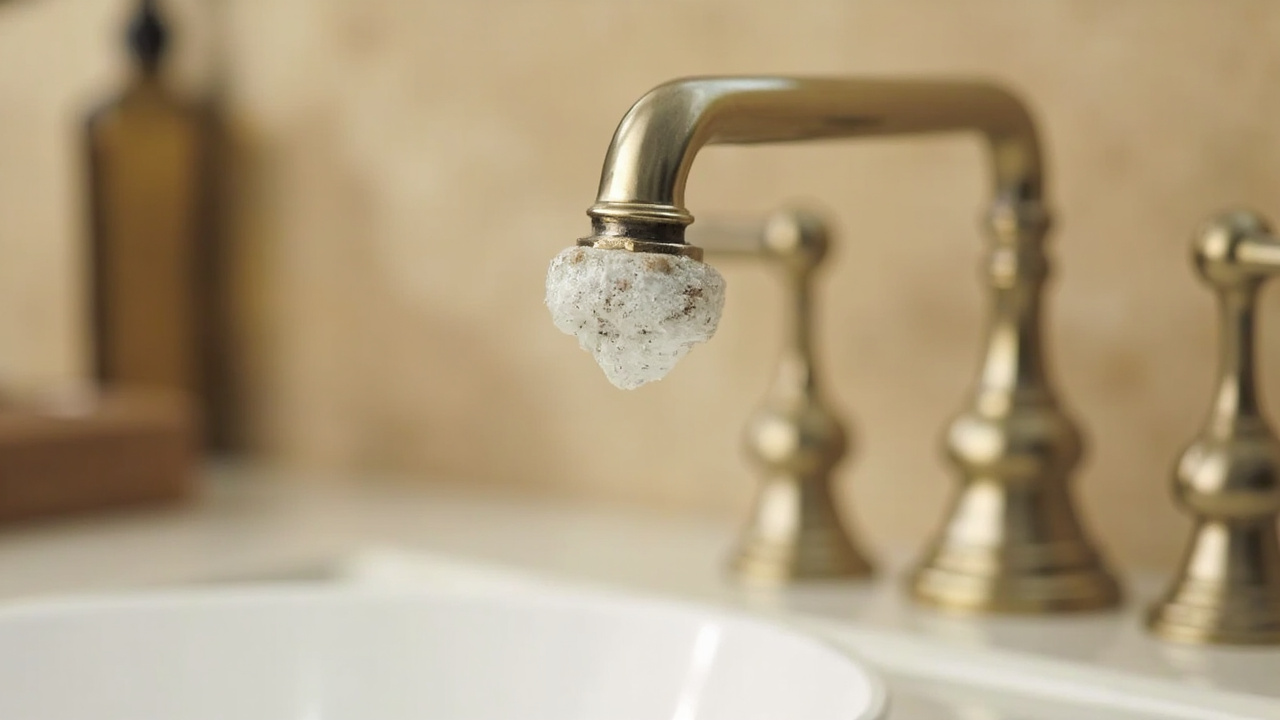
Removing Stubborn Calcium Buildup from Your High End Ocotillo Bathroom Fixtures

Living in the Ocotillo area of Chandler means you likely enjoy a custom home with high end bathroom fixtures. These…

What Every Coronado Historic District Homeowner Should Know Before a Sewer Camera Inspection

Living in the Coronado Historic District offers a unique connection to the architectural heritage of Phoenix. Your home likely features…

Contact Us

Protect your investment and avoid emergency failures during Phoenix's brutal summer months. Call Peak Plumbing Phoenix at (623) 288-0099 to book your water heater maintenance appointment. We'll evaluate your system, perform the complete service protocol, and provide a customized maintenance schedule that extends equipment life and reduces energy waste.