menu

Water Heater Repair & Installation in Phoenix | Same-Day Service for Residential and Commercial Properties

Peak Plumbing Phoenix delivers expert hot water heater replacement, water heater change out, and emergency repairs across the Valley, with certified technicians who understand how Phoenix's extreme heat and hard water impact your hot water system.

Slider Image 1
Slider Image 2
Slider Image 3
Slider Image 4
Slider Image 5
Slider Image 7
Slider Image 8
Slider Image 9
Slider Image 10
Slider Image 11

Why Phoenix Water Heaters Fail Faster Than the National Average

Phoenix's combination of extreme heat and hard water creates the perfect storm for water heater failure. When your garage or exterior closet reaches 120 degrees in July, your tank works overtime to maintain temperature. Add the Valley's notoriously mineral-heavy water, and you get sediment buildup that chokes efficiency and corrodes tanks from the inside.

You notice the signs fast. Lukewarm showers by 7 a.m. Rusty water pooling under the tank. A popping sound when the burner fires. These are not minor inconveniences. A failing water heater can flood your home with 40 to 80 gallons in minutes, damaging drywall, flooring, and anything stored nearby.

Most Phoenix homes run tank-style gas or electric units installed in garages or exterior utility closets. The heat exposure alone cuts lifespan by two to three years compared to climate-controlled installations. When you factor in our water quality, the anode rod that prevents corrosion deteriorates faster, leaving the steel tank vulnerable.

Whether you need a hot water tank repair, a complete water heater change out, or an emergency fix for a leaking unit, the window for action is narrow. Sediment buildup reduces heating efficiency by up to 30 percent, spiking your utility bills before the unit fails completely. A hot water system installation done right accounts for local conditions, proper venting for gas units, and thermal expansion requirements under Phoenix building codes.

Ignoring early warning signs does not save money. It guarantees a more expensive emergency when the tank ruptures at 2 a.m., flooding your garage and triggering a frantic search for an available plumber.

Why Phoenix Water Heaters Fail Faster Than the National Average
How Peak Plumbing Phoenix Approaches Water Heater Service Differently

How Peak Plumbing Phoenix Approaches Water Heater Service Differently

We do not guess. Every water heater service call starts with a full system diagnostic, not just a look at the obvious problem. Our technicians check the pressure relief valve, inspect the gas line or electrical connections, test the thermostat calibration, and measure sediment accumulation in the tank. For hot water heater replacement jobs, we verify your current unit meets demand or if you have been undersized from day one.

Phoenix homes built before 2010 often have 40-gallon tanks that cannot keep up with modern water use. We calculate your actual hot water demand based on occupancy, appliances, and usage patterns, then recommend the correct capacity, whether that is a 50-gallon standard tank, a tankless system, or a hybrid heat pump model.

For gas water heaters, we inspect the flue pipe for proper draft and corrosion. A compromised flue vents carbon monoxide into your home instead of outside. For electric models, we test the heating elements and check for voltage drops that cause weak performance. These steps separate a real fix from a temporary patch.

When we perform a water heater change out, we upgrade supply lines to braided stainless steel, install a new drain pan with an emergency shutoff, and set the pressure relief valve discharge pipe to code. We flush the new tank before startup to remove manufacturing debris and verify the anode rod is accessible for future maintenance.

Tankless installations require a different skill set. We calculate the flow rate demand, confirm gas line sizing can handle the BTU load, and install the unit with proper ventilation and freeze protection for rare cold snaps. Phoenix's low humidity helps tankless units operate efficiently, but installation errors cause endless service calls. We get it right the first time.

What Happens During Your Water Heater Service Call

Water Heater Repair & Installation in Phoenix | Same-Day Service for Residential and Commercial Properties
01

Diagnostic and Assessment

We arrive with a full toolkit and begin by shutting off fuel or power to the unit for safety. Our technician inspects the tank for visible corrosion, tests water temperature at multiple fixtures, checks gas pressure or electrical voltage, and drains a sample to assess sediment levels. We identify whether you need a repair, a flush, or a full hot water heater replacement before presenting options.
02

Repair or Replacement

If the fix is a thermocouple, heating element, or pressure relief valve, we carry the parts and complete the repair on site. For a water heater change out, we drain and disconnect the old unit, position the new tank or tankless system, reconnect supply and fuel lines, install a code-compliant drain pan, and test the system under full load to confirm proper operation and temperature stability.
03

Testing and Walkthrough

Before we leave, we run hot water at every fixture to verify pressure and temperature. We show you the new shutoff locations, explain how to test the pressure relief valve quarterly, and review the anode rod replacement schedule. You receive a detailed service report with the work completed, parts installed, and recommended maintenance intervals to extend the life of your hot water system installation.

Why Phoenix Homeowners and Businesses Trust Peak Plumbing Phoenix

We have spent years working in Phoenix's unique conditions. We know that a water heater installed in a Scottsdale home with a water softener will last longer than one in a Central Phoenix property without filtration. We know that commercial buildings in Tempe need larger capacity tanks or multiple tankless units to handle peak demand during morning hours. We know that HOA-managed properties in Ahwatukee require specific venting and installation standards.

Phoenix building codes require seismic straps in certain installations, proper clearances for combustion air, and thermal expansion tanks when backflow preventers are present. A plumber unfamiliar with these requirements will leave you with a failed inspection or a system that underperforms. We pull permits when required and coordinate inspections so you avoid headaches and delays.

Our trucks carry inventory for the most common Phoenix water heater brands, including Rheem, Bradford White, A.O. Smith, and Navien tankless models. This means we complete most hot water tank repairs and water heater change outs in a single visit, without leaving you in cold showers while we wait for parts to ship.

For commercial clients, downtime is revenue loss. We schedule hot water system installations during off-hours, coordinate with facility managers, and complete the work without disrupting operations. Whether you manage an apartment complex, a restaurant, or an office building, we size the system correctly and install it to handle your actual load, not a guess from a spec sheet.

Local expertise matters. We have replaced water heaters in 1950s ranch homes with galvanized plumbing and installed tankless systems in new construction with PEX supply lines. We know what works in Phoenix, and we do not sell you equipment that will fail in our climate.

What You Can Expect When You Call Peak Plumbing Phoenix

Response Time and Availability

We dispatch technicians the same day for most water heater service calls in Phoenix and surrounding areas. If your tank is actively leaking or you have no hot water, we treat it as a priority. Emergency calls receive immediate scheduling, and we keep you updated on arrival time. Most repairs take two to three hours. A full water heater change out typically completes in three to five hours depending on access, permit requirements, and whether we are upgrading from tank to tankless. We do not leave until the system is tested and operational.

Initial Inspection and Recommendation

You receive a clear explanation of what is wrong and why. If the repair cost approaches 50 percent of replacement cost and your unit is over eight years old, we recommend replacement to avoid throwing money at a dying system. We explain the difference between standard efficiency and high-efficiency models, tank versus tankless, and what size unit matches your household or business demand. You get options, not pressure. Our goal is to solve your hot water problem permanently, not sell you the most expensive option on the truck.

Quality of Installation and Materials

We install every water heater to manufacturer specifications and Phoenix building code. That means proper venting, code-compliant drain pans, thermal expansion tanks where required, and seismic straps in applicable zones. We use brass or stainless fittings, not plastic. We test the pressure relief valve, verify proper combustion air for gas units, and confirm electrical circuits are sized correctly. You receive a system installed to last, not the fastest installation that passes a glance test. Corners cut during installation lead to callbacks, leaks, and premature failure.

Maintenance Guidance and Follow-Up

After installation, we walk you through basic maintenance steps that extend water heater life. This includes testing the pressure relief valve, recognizing early warning signs of failure, and scheduling annual flushes to remove sediment buildup. Phoenix's hard water accelerates sediment accumulation, so regular maintenance is not optional if you want to reach the expected lifespan. We offer maintenance plans for both residential and commercial clients, providing scheduled service to catch small issues before they become expensive failures. You also receive documentation of all work performed for warranty and resale purposes.

Frequently Asked Questions

You Have Questions,
We Have Answers

How much should I expect to pay for a new water heater installed? +

Water heater installation costs in Phoenix range based on unit type and size. Tank models start lower, while tankless units cost more upfront but save energy over time. Phoenix's hard water and mineral buildup mean you need quality units built for local conditions. Labor includes removing the old unit, upgrading gas lines or electrical if needed, and ensuring code compliance. Permit fees and venting modifications add to the total. Tank size matters too. A 40-gallon unit costs less than an 80-gallon. Get multiple quotes from licensed Phoenix contractors who understand Arizona's plumbing codes.

How much does Lowes charge to install a hot water heater? +

Lowes subcontracts water heater installation to local Phoenix plumbers, so pricing varies. Their quoted rates typically cover basic replacement of a tank unit in an accessible location. Add-ons like venting changes, code upgrades, or gas line modifications increase the final bill. Phoenix's hard water conditions and extreme heat require specific installation techniques that generic big-box installers may overlook. You pay separately for the unit and installation. Response times can lag during peak summer months when Phoenix sees high demand. Always verify the subcontractor holds a valid Arizona contractor license before work begins.

What is the most common problem with a hot water heater? +

Sediment buildup is the most common water heater problem in Phoenix. Our hard water contains high mineral concentrations that settle at the tank bottom, reducing efficiency and causing rumbling noises. This sediment layer overheats the tank floor, leading to premature failure. The anode rod also corrodes faster in Phoenix's mineral-heavy water, allowing rust to attack the tank. Pilot light issues rank second, especially in older gas units exposed to dust and debris. Temperature and pressure relief valve leaks follow close behind. Annual flushing prevents most sediment problems and extends your unit's lifespan in Phoenix conditions.

Who is the best person to replace a water heater? +

A licensed plumber is the best person to replace a water heater in Phoenix. Arizona requires proper permitting and code compliance for water heater installations. Licensed plumbers understand local building codes, gas line requirements, venting standards, and expansion tank regulations specific to Phoenix. They carry liability insurance and warranties on their work. Handymen or unlicensed installers may charge less but risk code violations, failed inspections, and voided manufacturer warranties. Gas water heater replacement requires expertise with combustion safety and proper venting. Choose a plumber experienced with Phoenix's hard water conditions who can recommend appropriate models for local water quality.

How much does Home Depot charge to install a water heater? +

Home Depot uses third-party contractors for water heater installation in Phoenix, with pricing that varies by contractor availability and job complexity. Their base installation fee covers straightforward tank replacements in accessible locations. Phoenix-specific requirements like expansion tanks, upgraded venting, or modifications to meet current code add to the cost. Hard water conditions in the Valley require installation practices that protect your investment. Response times fluctuate based on contractor schedules and seasonal demand. Summer months see delays due to high call volumes. Verify the assigned contractor holds proper Arizona licensing and understands Phoenix plumbing codes before authorizing work.

Are there tax credits for new water heaters? +

Federal tax credits apply to certain high-efficiency water heaters. The Energy Efficient Home Improvement Credit covers heat pump water heaters and some gas models meeting efficiency standards. Credits reduce your tax liability dollar-for-dollar. Arizona also offers utility rebates through APS and SRP for qualifying energy-efficient models. Phoenix homeowners benefit from these incentives, especially when upgrading from older tank units. Tankless and heat pump models qualify most often. The credit percentage and maximum amounts change yearly, so check current IRS guidelines before purchase. Keep all receipts and manufacturer certification statements. Your installer should provide documentation needed for claims.

Is it cheaper to repair or replace a water heater? +

Replace your water heater if repairs cost more than half the price of a new unit or if the tank exceeds 10 years old. Phoenix's hard water accelerates wear, making older units repair liabilities. A leaking tank cannot be repaired and needs immediate replacement to prevent water damage. Repeated repairs signal systemic failure. New units offer better efficiency, lowering monthly bills in Phoenix's climate where water heating accounts for significant energy use. If you face a second major repair within 12 months, replacement makes financial sense. Modern units handle Phoenix water conditions better and include warranties covering parts and labor.

What is the average lifespan of a water heater? +

Water heaters last 8 to 12 years in Phoenix, shorter than the national average due to our extreme heat and hard water. Tank water heaters typically fail around year 10. Mineral buildup accelerates corrosion inside the tank. Tankless units last 15 to 20 years with proper maintenance. Phoenix's high mineral content demands annual flushing to prevent sediment damage. Anode rods need replacement every 3 to 5 years to protect the tank lining. Installation quality affects lifespan too. Units in unconditioned garages endure temperature extremes that shorten their life. Regular maintenance by a Phoenix plumber extends your unit's functional years.

What is the labor cost to install a 40 gallon hot water heater? +

Labor to install a 40-gallon water heater in Phoenix varies based on job complexity and location accessibility. Basic replacement in an accessible garage with existing connections costs less than installations requiring gas line upgrades, venting modifications, or expansion tank additions. Phoenix code requires specific safety measures that add labor time. Removing and disposing of the old unit, upgrading to current code, and testing the system all factor into labor costs. Difficult access locations like attics or tight closets increase installation time. Same-day emergency service costs more than scheduled installations. Always get written estimates detailing labor, materials, permits, and code compliance work.

What are the first signs of a water heater going bad? +

Discolored or rusty water signals tank corrosion inside your water heater. Strange noises like popping or rumbling indicate sediment buildup on the tank floor, common in Phoenix due to hard water. Inconsistent water temperature or lukewarm showers mean heating element failure or thermostat problems. Water pooling around the base points to tank leaks or pressure relief valve issues. Age matters too. Units over 8 years old in Phoenix show wear faster. Higher utility bills without increased usage suggest declining efficiency. Slow recovery time means the unit struggles to reheat water. If you notice multiple signs, schedule inspection before complete failure causes water damage.

How Phoenix's Hard Water Accelerates Water Heater Failure and What You Can Do About It

Phoenix water contains high levels of calcium, magnesium, and other dissolved minerals. These minerals precipitate out as sediment inside your water heater tank, forming a thick layer at the bottom that insulates the burner or heating element from the water. This forces the system to work harder and longer to reach temperature, reducing efficiency and accelerating wear. The sediment also traps heat against the steel tank, causing localized overheating and corrosion. Without annual flushing, a Phoenix water heater can fail in six to eight years instead of the national average of 10 to 12. A water softener helps, but even softened water requires regular maintenance to prevent buildup.

Peak Plumbing Phoenix holds the licenses and certifications required to perform water heater work under Phoenix and Maricopa County codes. We understand the nuances of local inspections, including when permits are required and what modifications trigger code upgrades. Our familiarity with Phoenix's water quality, climate extremes, and housing stock means we recommend solutions that work long-term in this environment. You are not getting advice from a national call center or a technician trained in a different climate. You are working with plumbers who live and work in the Valley and who understand the specific challenges Phoenix homeowners and businesses face with hot water systems.
Plumbing Services in The Phoenix Area

We proudly serve residential and commercial customers throughout the Phoenix area. Whether you're located in the city center, suburbs, or surrounding communities, our team is ready to help with fast, reliable plumbing solutions. Use the map below to locate us, or reach out for directions and service area confirmation. At Peak Plumbing, we make it easy for you to access professional plumbing services wherever you are in the region.

Address:
Peak Plumbing Phoenix, 4041 E Thomas Rd, Phoenix, AZ, 85018

Additional Services We Offer

Our news updates

Latest Articles & News from The Blogs

How to Fix Underground Water Main Leaks in Peoria Without Wrecking Your YardA water main leak under your Peoria property…

How to Fix Underground Water Main Leaks in Peoria Without Wrecking Your Yard

How to Fix Underground Water Main Leaks in Peoria Without Wrecking Your YardA water main leak under your Peoria property…

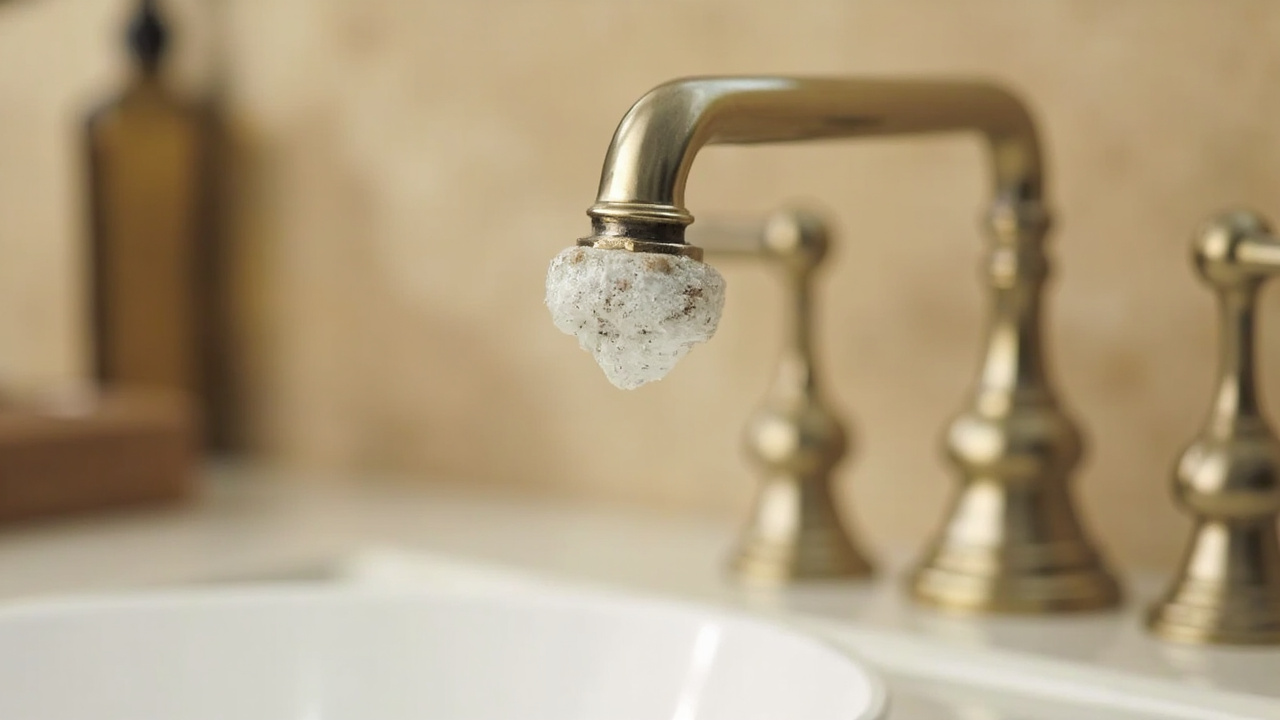
Removing Stubborn Calcium Buildup from Your High End Ocotillo Bathroom Fixtures

Living in the Ocotillo area of Chandler means you likely enjoy a custom home with high end bathroom fixtures. These…

What Every Coronado Historic District Homeowner Should Know Before a Sewer Camera Inspection

Living in the Coronado Historic District offers a unique connection to the architectural heritage of Phoenix. Your home likely features…

Contact Us

Do not wait until a failing water heater floods your home or leaves your business without hot water. Call Peak Plumbing Phoenix at (623) 288-0099 to schedule same-day service. We fix it right the first time.