menu

Plumbing Repair Cost Guide 2026 Phoenix – Know What You'll Pay Before You Call

Get clear, upfront pricing expectations for every common plumbing repair in Phoenix, from slab leak detection to water heater replacement, so you can budget with confidence and avoid price shock.

Slider Image 1
Slider Image 2
Slider Image 3
Slider Image 4
Slider Image 5
Slider Image 7
Slider Image 8
Slider Image 9
Slider Image 10
Slider Image 11

Why Phoenix Plumbing Repairs Cost What They Do in 2026

You want to know what a plumbing repair will cost before you commit. That's smart. The problem is that most homeowners in Phoenix get blindsided by the final bill because they don't understand what drives plumbing service rates 2026.

Phoenix presents unique challenges that affect average plumber costs 2026. Hard water minerals clog pipes and destroy fixtures faster than in most cities. Concrete slab foundations make leak detection expensive because technicians need specialized equipment to locate breaks without jackhammering your entire floor. Summer heat pushes water heaters to their limits, shortening their lifespan. Desert soil shifts during monsoon season, stressing underground lines.

Labor rates climbed in 2026 due to Arizona's skilled trade shortage. Parts costs increased because supply chain adjustments changed how manufacturers price copper, PEX, and specialty fixtures. Permit fees in Maricopa County went up for water heater replacements and whole-home repipes.

The 2026 plumbing repair price list you find online rarely accounts for Phoenix-specific factors. A simple drain cleaning might cost more here because calcium buildup is thicker. A toilet replacement could run higher because you need a pressure-assisted model to handle low water pressure in older neighborhoods near Camelback Mountain.

Understanding plumbing repair pricing 2026 starts with knowing what you're actually paying for. The service call fee covers the truck, tools, insurance, and travel time. The diagnostic fee pays for expertise to identify the root cause, not just the symptom. The repair quote factors in parts, labor hours, code compliance, and the complexity of access.

This guide breaks down how much plumbers charge 2026 for the repairs Phoenix homeowners face most often, so you can separate reasonable pricing from price gouging.

Why Phoenix Plumbing Repairs Cost What They Do in 2026
How Peak Plumbing Phoenix Builds Transparent Repair Estimates

How Peak Plumbing Phoenix Builds Transparent Repair Estimates

We price every repair the same way, but the quote adapts to your specific situation.

First, we assess access difficulty. Replacing a shut-off valve under a sink takes 30 minutes. Replacing the same valve inside a finished wall requires drywall removal, pipe exposure, replacement, pressure testing, and drywall repair. You pay for the actual work required, not an arbitrary flat rate that inflates easy jobs and underprices complex ones.

Second, we evaluate code compliance requirements. If your water heater is from 2010, replacement requires current expansion tank installation, seismic strapping per Phoenix building codes, proper venting upgrades, and sometimes a dedicated gas line or electrical circuit upgrade. We quote what the permit inspector will approve, not a shortcut that fails inspection.

Third, we identify material durability needs. Hard water destroys standard cartridge faucets in three years. We quote upgrade options like ceramic disc valves that last 15 years. You choose the lifespan you want to pay for.

Fourth, we calculate labor hours based on realistic timelines. Replacing a garbage disposal takes one hour if the sink mounting assembly is standard. If your sink has an old flange design or corroded mounting bolts, it takes two hours. We inspect first, then quote.

Fifth, we factor in warranty coverage. Parts carry manufacturer warranties. Our labor warranty covers the installation quality. If a quoted repair includes multiple potential failure points, we explain which components are most likely to need future service.

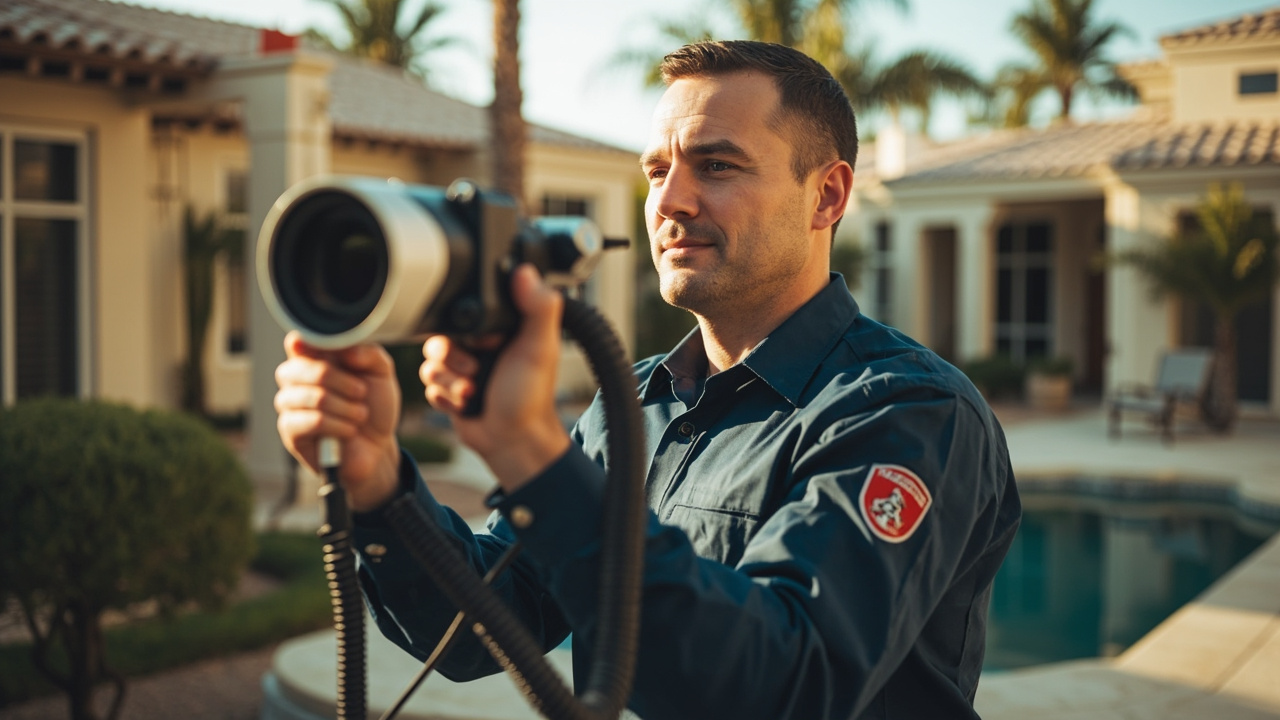
Our technicians carry diagnostic tools that pinpoint problems without guesswork. A thermal imaging camera finds slab leaks without demolition. A video inspection camera identifies pipe condition 50 feet underground. You pay for diagnostic accuracy that prevents unnecessary repairs.

We don't quote over the phone because we refuse to guess. We provide written estimates on-site after inspection, itemized by parts and labor, so you see exactly what you're approving.

How to Use This Plumbing Repair Price Guide

Plumbing Repair Cost Guide 2026 Phoenix – Know What You'll Pay Before You Call
01

Identify Your Issue

Match your symptoms to the repair categories below. A running toilet is a different repair than a toilet that won't flush. A dripping faucet costs less to fix than a faucet with no hot water pressure. A water heater that produces no hot water requires different service than one making strange noises. Get specific about what's actually malfunctioning, not just what room has the problem.
02

Review Price Ranges

Each repair category lists common price factors that move estimates higher or lower. Simple fixture swaps cost less than whole-system replacements. Accessible locations cost less than crawl space or attic work. Standard parts cost less than specialty components. Use these ranges to build realistic budget expectations before you call, but understand your actual quote depends on inspection findings.
03

Request Your Inspection

Call Peak Plumbing Phoenix for an on-site inspection and written estimate. Our diagnostic fee applies toward your repair if you approve the work. We explain what we found, why it failed, what we recommend, and what happens if you delay the repair. You get clarity before you spend a dollar on parts or labor.

Why Phoenix Homeowners Trust Peak Plumbing Phoenix for Honest Pricing

You need a plumber who understands Phoenix-specific challenges and prices work fairly.

We know how hard water affects fixture lifespan in different Phoenix zip codes. Homes near South Mountain have different mineral content than homes in Ahwatukee. We recommend solutions based on your actual water chemistry, not generic national advice.

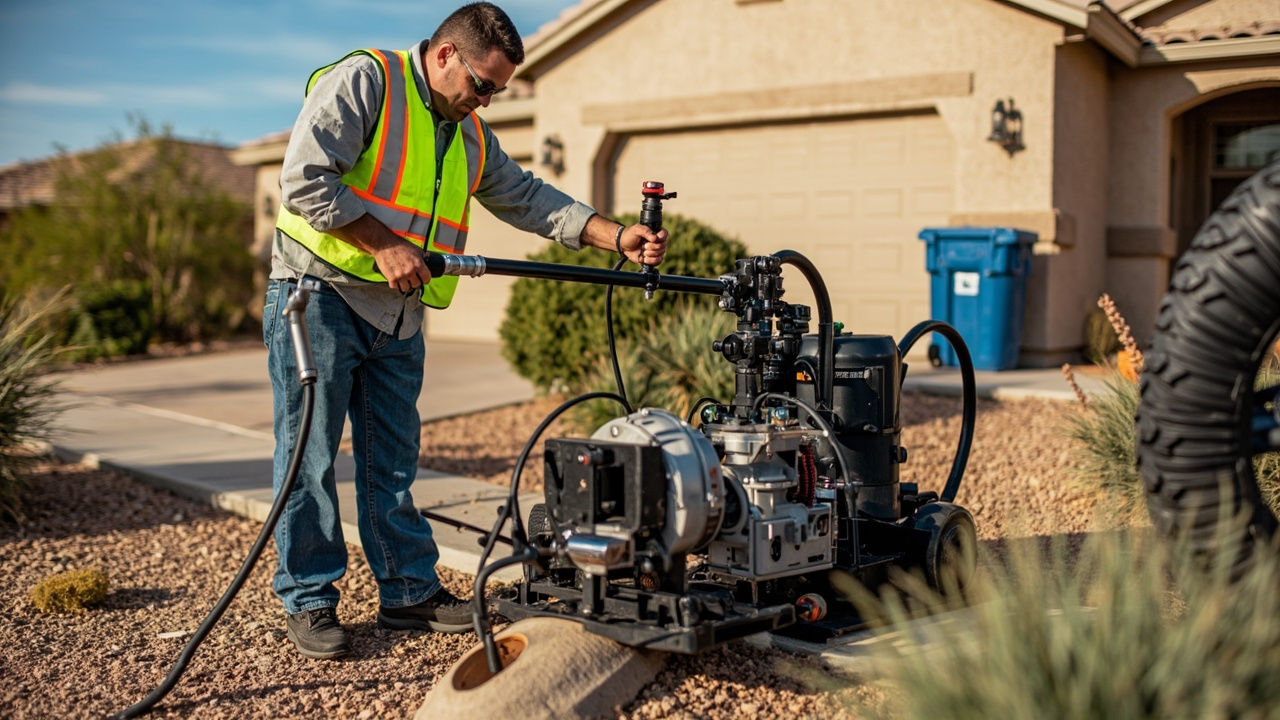
We understand concrete slab foundations. Most Phoenix homes sit on slabs, which complicates leak detection and repair. We invest in electronic leak detection equipment that pinpoints breaks without destroying your floor. When slab leaks do require concrete cutting, we coordinate with foundation specialists who know how Arizona soil movement affects long-term repairs.

We follow Maricopa County permit requirements exactly. Water heater replacements need permits. Whole-home repipes need permits. Gas line modifications need permits. We pull permits, schedule inspections, and guarantee code compliance. You don't risk failed inspections or insurance claim denials due to unpermitted work.

We account for Phoenix heat when recommending equipment. Standard tank water heaters fail faster here because groundwater enters at higher temperatures, accelerating sediment buildup and tank corrosion. We discuss tankless options, heat pump hybrids, and proper anode rod maintenance based on your usage patterns and budget.

We price repairs to last through Phoenix's extremes. Monsoon flooding stresses sewer lines. Thermal expansion from summer heat cracks rigid pipes. Freezing nights in January burst outdoor hose bibs. We recommend materials engineered for desert conditions, not the cheapest option that fails in two years.

Our technicians carry common parts on their trucks to complete most repairs same-day. You don't wait three days for a special order fill valve or cartridge. We stock Phoenix-specific inventory because we know what breaks here.

We explain cost factors transparently. If your repair costs more than expected, we show you why. Hidden corrosion, outdated fittings, or code upgrade requirements all add legitimate costs. We document conditions with photos so you understand what you're paying for.

What Affects Your Final Plumbing Repair Bill

Service Call and Diagnostic Fees

The service call fee covers the cost of dispatching a licensed technician to your location with a fully stocked truck, specialized tools, and insurance coverage. The diagnostic fee pays for problem identification using methods like pressure testing, camera inspection, or thermal imaging. For straightforward issues like a running toilet or dripping faucet, diagnosis takes 15 minutes. For hidden leaks or intermittent problems, diagnosis can take an hour. Most companies apply the diagnostic fee toward your repair cost if you approve the work same-day.

Parts Quality and Availability

Builder-grade fixtures use plastic components that fail quickly in Phoenix's hard water. Mid-grade fixtures use brass and ceramic parts that last longer. Premium fixtures use corrosion-resistant alloys engineered for mineral-heavy water. The price difference is substantial, but so is the lifespan. Common repair parts like fill valves, cartridges, and wax rings are stocked on most service trucks. Specialty parts for European fixtures, luxury brands, or discontinued models require ordering, which adds time and shipping costs to your total bill.

Labor Complexity and Access

A simple repair in an accessible location costs significantly less than the same repair behind finished walls or under concrete slabs. Replacing a garbage disposal under an open cabinet takes one hour. Replacing a shut-off valve inside a tiled shower wall requires tile removal, backer board cutting, pipe access, valve replacement, waterproofing, backer board replacement, and tile reinstallation. The valve costs the same, but labor multiplies. Crawl space work, attic installations, and confined space repairs add difficulty charges because they require specialized safety equipment and physical strain.

Code Compliance and Permit Requirements

Phoenix building codes change periodically to improve safety and efficiency. If your home was built before the latest code updates, certain repairs trigger mandatory upgrades. Water heater replacement requires expansion tanks, proper venting, seismic strapping, and sometimes electrical or gas line upgrades. Whole-home repipes require pressure testing and inspection. Sewer line repairs need backflow prevention devices in some zones. Permit fees, inspection scheduling, and code-compliant materials add costs, but they protect your home value and insurance coverage. Unpermitted work creates serious liability if you ever file a claim or sell your home.

Frequently Asked Questions

You Have Questions,
We Have Answers

How to price out plumbing work? +

Start by identifying the exact problem. Take photos of visible leaks, corrosion, or damaged fixtures. Get multiple estimates from licensed plumbers in Phoenix who provide itemized breakdowns. Ask for line-item costs for labor, materials, and permits. In Phoenix, hard water and sediment buildup often complicate repairs, so ensure quotes account for descaling or additional corrosion work. Request transparency on trip fees and diagnostic charges upfront. Compare hourly rates versus flat-rate pricing. Check if emergency timing affects cost. Verify the plumber pulls necessary permits for code compliance with Phoenix municipal regulations.

How much do plumbers charge for repairs? +

Phoenix plumbers charge based on job complexity and timing. Minor fixes like replacing a valve or tightening connections run lower than major slab leak repairs or water heater installations. Expect trip fees for diagnostics. Hourly rates vary, but flat-rate pricing is common for defined tasks. Emergency calls after hours or weekends cost more. Hard water in Phoenix accelerates fixture wear, so repairs often include descaling or corrosion treatment. Always get an estimate before work begins. Licensed contractors provide detailed invoices showing labor, parts, and disposal fees separately for transparency.

How much to replumb a 2000 sq ft house? +

Repiping a 2000 square foot home in Phoenix depends on home layout, accessibility, and pipe material choice. Copper costs more than PEX but lasts longer in hot climates. Single-story homes with slab foundations require different techniques than two-story builds with crawl spaces. Phoenix homes often need pressure regulation due to municipal water pressure variations. The scope includes removing old galvanized or polybutylene pipes, installing new lines, patching drywall, and pressure testing. Permit fees and inspection costs add to the total. Get three itemized quotes to compare material and labor breakdowns.

How much do plumbers cost to fix a pipe? +

Pipe repair costs depend on location, material, and damage extent. Exposed pipes under sinks cost less than slab leaks requiring concrete cutting. Copper pipe repairs differ in price from PVC or galvanized. Phoenix plumbers factor in hard water damage when assessing pipe condition. Emergency repairs for burst pipes cost more due to urgency and potential water damage mitigation. Simple patch jobs are cheaper than full section replacements. Always ask if the quote includes drywall repair, cleanup, and disposal. Licensed plumbers provide written estimates before starting work to avoid surprise charges.

How to do a plumbing quote? +

Walk the property with the plumber and point out all issues. A detailed quote lists each repair separately with labor and material costs. Request breakdowns for fixture replacement, drain cleaning, or pipe repairs. Ask about permit requirements for work involving gas lines or water heater installations in Phoenix. Clarify trip fees, diagnostic charges, and disposal costs upfront. Specify pipe materials like copper or PEX and their price differences. Include timeline estimates and payment terms. Verify the quote covers code compliance and final inspection fees required by Phoenix building departments.

Is it normal for a plumber to charge for a quote? +

Many Phoenix plumbers charge diagnostic or trip fees to assess problems, which may apply toward repair costs if you hire them. This covers their time, fuel, and expertise to identify issues like hidden slab leaks or main line blockages. Some offer free estimates for straightforward projects like fixture replacements. Emergency diagnostics cost more due to after-hours scheduling. The fee is reasonable because skilled plumbers bring specialized tools and knowledge to diagnose problems correctly the first time. Always ask about fee structures when booking appointments to avoid confusion.

What are common hidden plumbing costs? +

Hidden costs include permit fees, drywall patching, tile replacement, and water damage remediation. Phoenix homes with slab foundations face higher costs for slab leak detection and concrete cutting. Hard water buildup may require descaling or water softener installation during repairs. Old galvanized pipes often reveal additional corrosion once opened, expanding scope. Tree root intrusion into sewer lines requires camera inspections and potentially costly excavation. Asbestos or lead pipe abatement adds unexpected expenses in older Phoenix neighborhoods. Always request contingency clauses in quotes for unforeseen complications discovered during work.

Can a plumber make $100,000 a year? +

Experienced plumbers in markets like Phoenix can earn six figures through a mix of residential service, commercial contracts, and emergency calls. High earners often own their businesses, bid on large repiping or new construction projects, and maintain steady commercial clients. Specializing in complex systems like backflow prevention, gas lines, or medical gas installations increases earning potential. Plumbers who invest in continuing education, master licenses, and multiple service trucks scale income faster. Volume, reputation, and operational efficiency drive profitability in competitive Phoenix markets where skilled trades remain in high demand.

How do you calculate labor cost for plumbing? +

Labor costs factor in skill level, job complexity, overhead, and regional wage standards. Phoenix plumbers calculate hourly rates or flat fees based on task duration and difficulty. Complex jobs like slab leak repairs or main line replacements require more hours and specialized equipment. Overhead includes truck maintenance, tool replacement, insurance, and licensing fees. Multiply estimated hours by the hourly rate, then add markup for profit and business sustainability. Emergency timing increases labor rates due to after-hours scheduling. Apprentices cost less than master plumbers, but expertise reduces callbacks and ensures code compliance.

What is the 30% rule for renovations? +

The 30% rule suggests spending no more than 30% of your home's value on renovations to maintain resale value and avoid over-improving for your neighborhood. For plumbing renovations in Phoenix homes, this caps total investment in repiping, bathroom remodels, or water heater upgrades. The rule helps homeowners balance improvements with market realities. In older Phoenix neighborhoods, prioritize essential infrastructure like replacing polybutylene pipes or upgrading to tankless water heaters that improve efficiency. Cosmetic upgrades should align with comparable sales. Always consult local real estate data before committing to major plumbing overhauls.

How Phoenix Hard Water Drives Up Annual Plumbing Repair Costs

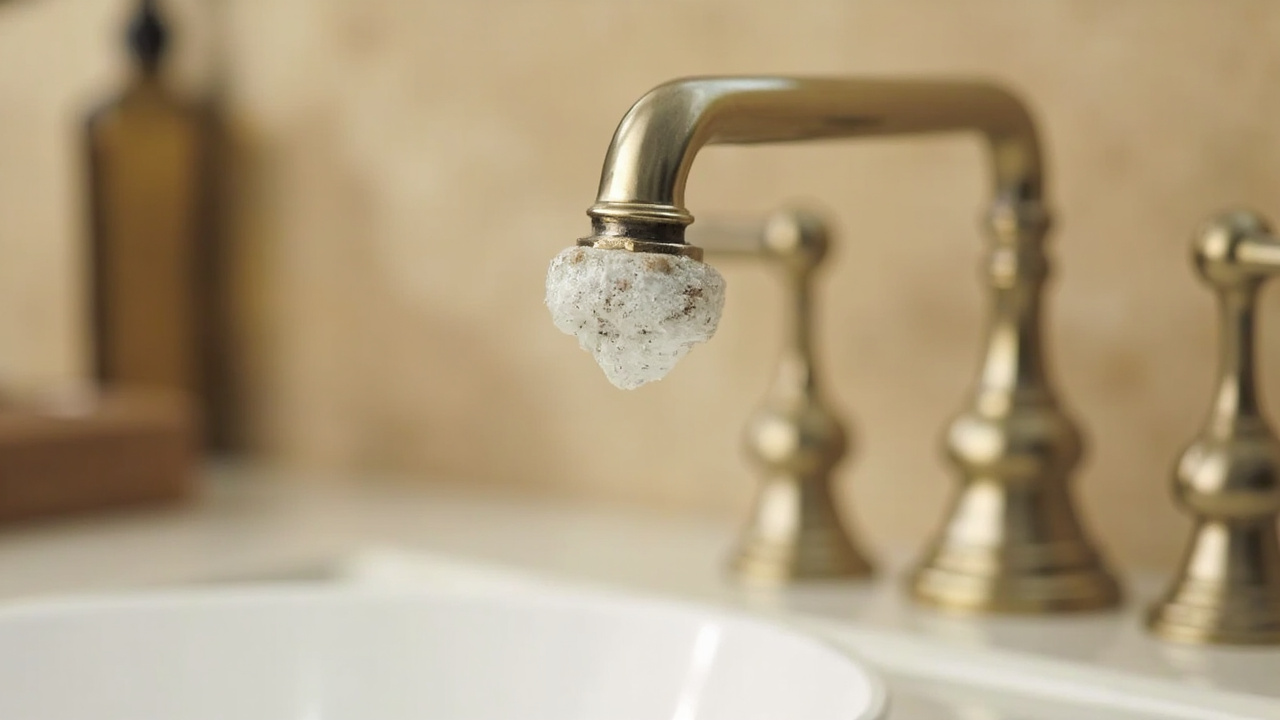
Phoenix water contains high concentrations of calcium, magnesium, and mineral deposits that accelerate fixture wear and pipe restriction. The city's water hardness averages 12 to 18 grains per gallon, nearly triple the national average. This mineral content clogs aerators, destroys cartridge seals, and builds scale inside pipes and water heaters. Homeowners in the Valley see faucet cartridge failures every two to three years instead of the five to seven years typical in soft water regions. Water heater tanks accumulate sediment faster, reducing efficiency and shortening lifespan. Understanding average plumber costs 2026 in Phoenix means factoring in hard water damage as a recurring expense, not an isolated incident.

Peak Plumbing Phoenix has served the greater Phoenix metro for years, building relationships with homeowners who value straight answers about plumbing service rates 2026. We understand local water quality variations across different supply zones and recommend solutions based on your specific address. Our technicians know which fixtures hold up best against Phoenix's mineral-heavy water and which code requirements apply to your neighborhood. When you call a local company that understands these regional factors, you get pricing that reflects reality, not national averages that don't account for desert conditions.
Plumbing Services in The Phoenix Area

We proudly serve residential and commercial customers throughout the Phoenix area. Whether you're located in the city center, suburbs, or surrounding communities, our team is ready to help with fast, reliable plumbing solutions. Use the map below to locate us, or reach out for directions and service area confirmation. At Peak Plumbing, we make it easy for you to access professional plumbing services wherever you are in the region.

Address:
Peak Plumbing Phoenix, 4041 E Thomas Rd, Phoenix, AZ, 85018

Additional Services We Offer

Our news updates

Latest Articles & News from The Blogs

How to Fix Underground Water Main Leaks in Peoria Without Wrecking Your YardA water main leak under your Peoria property…

How to Fix Underground Water Main Leaks in Peoria Without Wrecking Your Yard

How to Fix Underground Water Main Leaks in Peoria Without Wrecking Your YardA water main leak under your Peoria property…

Removing Stubborn Calcium Buildup from Your High End Ocotillo Bathroom Fixtures

Living in the Ocotillo area of Chandler means you likely enjoy a custom home with high end bathroom fixtures. These…

What Every Coronado Historic District Homeowner Should Know Before a Sewer Camera Inspection

Living in the Coronado Historic District offers a unique connection to the architectural heritage of Phoenix. Your home likely features…

Contact Us

Stop guessing what your repair will cost. Call Peak Plumbing Phoenix at (623) 288-0099 for an on-site inspection and written estimate. Our diagnostic fee applies toward your approved repair, and you get transparent pricing before any work begins.