


Glendale sits in the Sonoran Desert where summer temperatures push past 115 degrees and winter nights drop below freezing. This temperature swing stresses copper pipes, causing pinhole leaks in homes built before 2000. The city's hard water carries dissolved minerals from the Salt River watershed, creating scale buildup inside pipes and water heaters that reduces flow and shortens equipment life.
Many homes in older neighborhoods like Catlin Court Historic District and the areas near Glendale Avenue still use galvanized pipes installed in the 1950s and 1960s. These corroded pipes restrict water pressure and contaminate drinking water with rust. Properties near the Arizona Canal face foundation shifts from seasonal groundwater changes, which crack slab-mounted copper supply lines and sewer laterals.
Desert landscaping with deep-rooted mesquite and palo verde trees sends roots searching for moisture into sewer lines through tiny gaps at pipe joints. Combined with Glendale's caliche soil that shifts when wet, these conditions create frequent drain blockages and broken pipes. Air conditioning condensate drains also clog fast here because dust particles mix with algae in the drain pan.
Peak Plumbing Phoenix has fixed plumbing emergencies in Glendale since 2012. We know which streets still have galvanized supply lines, where tree roots invade sewer pipes, and how caliche soil affects foundation plumbing. Our plumbers carry infrared cameras to find slab leaks without tearing up floors and hydro jetting equipment powerful enough to clear roots from cast iron drains.
We stock our trucks with Bradford White and Rheem water heaters sized for Glendale homes, plus Moen and Delta fixtures that match the styles common in neighborhoods from Arrowhead Ranch to Sahuaro Ranch. When we open your water heater closet or crawl under your house, we understand what we're looking at because we've worked on thousands of similar homes.
Every plumber on our team holds an Arizona Registrar of Contractors license and completes ongoing training in new code requirements and installation techniques. We pull permits for water heater replacements, gas line work, and sewer repairs because work done right protects your home value and keeps your family safe. Our repairs meet current building codes even when we're fixing systems installed under old standards.
We answer our phone 24 hours a day, every day of the year. When you call at midnight because your water heater is flooding the garage, you talk to a dispatcher who sends a licensed plumber immediately, not an answering service that takes a message. Most emergency calls in Glendale get a truck within 60 minutes.

We dispatch plumbers to Glendale addresses within 60 minutes for emergencies and schedule non-urgent repairs the same day or next morning. Our trucks stay stocked with common parts so most jobs finish in one visit without waiting for special orders.

Our service vehicles carry replacement water heaters, fixture assemblies, copper pipe and fittings, drain cleaning cables, and leak detection equipment. When we diagnose your problem, we can fix it immediately instead of scheduling a second appointment to install parts.
Every plumber holds current Arizona ROC licensing and carries liability insurance. We pull permits for installations and major repairs, ensuring work meets Glendale building codes and passes inspection. This protects your property value and insurance coverage when you sell.
We've mapped which Glendale streets have aging galvanized pipes, where caliche soil causes foundation movement, and how local tree species damage sewer lines. This neighborhood knowledge helps us diagnose problems faster and recommend repairs that last in desert conditions.
Peak Plumbing Phoenix handles everything from burst pipe emergencies at 3 AM to planned bathroom renovations. We repair and replace water heaters, clear drain blockages, fix leaking fixtures, detect slab leaks, install new plumbing for remodels, and repair sewer lines damaged by roots or ground movement.
Our service range covers urgent repairs that can't wait, maintenance work that prevents future breakdowns, and installation projects that upgrade your home. When a pipe bursts and floods your house, we stop the water and dry out the damage. When your kitchen faucet drips or your toilet runs constantly, we replace worn parts before they waste hundreds of gallons. When you're renovating a bathroom or adding an outdoor kitchen, we route new supply lines and drains to code.
We structure our services around what's broken, what needs upgrading, and what you're building new. Emergency repairs get a truck dispatched immediately. Maintenance and fixture upgrades get scheduled at your convenience. Remodel and new construction plumbing gets planned around your contractor's timeline with permit coordination and inspection scheduling.
We dispatch plumbers immediately when pipes burst, drains back up into your house, water heaters flood, or gas lines leak. Our trucks carry emergency shutoff tools, pipe repair materials, drain cleaning equipment, and water extraction pumps to stop damage fast. We work through the night to get your water running again and coordinate with restoration companies when flooding damages floors or drywall.
We replace aging water heaters before they fail, install new fixtures during bathroom and kitchen updates, and upgrade toilets to low-flow models that cut water bills. Our plumbers stock common residential fixtures and can special order specific finishes or styles for remodels. All installations include permit pulling and code compliance so inspections pass without callbacks.
Homes built before 1980 often need complete supply line replacement when galvanized pipes corrode or copper develops pinhole leaks. We repipe houses using PEX or copper tubing routed through attics and walls with minimal drywall cutting. Slab leak repairs get rerouted overhead to avoid future foundation breaks. Projects include permit coordination and pressure testing to ensure reliable water delivery.
Desert heat and hard water create specific plumbing failures in Glendale. Water heaters fail early because mineral-heavy water from the Salt River watershed corrodes tanks and clogs heating elements. Copper pipes develop pinhole leaks from the combination of chlorinated water and high pH levels. Sewer lines crack when caliche soil shifts during monsoon season moisture changes.
Temperature extremes stress plumbing systems year round. Summer heat expands pipes inside attics and crawl spaces, loosening solder joints and compression fittings. Winter freezes occasionally hit exposed pipes on north-facing walls or unheated garages. Tree roots from mesquite, palo verde, and ash trees infiltrate sewer lines through microscopic gaps searching for moisture.
These conditions combine to create predictable failure points. Water heaters last 8 to 10 years instead of the 12 to 15 years they survive in regions with softer water. Toilet flappers and fill valves wear out fast because mineral deposits prevent proper sealing. Disposal and dishwasher connections corrode at the threads. Understanding these patterns helps us fix problems before they cause water damage or sewage backups.
Glendale's mineral-heavy water deposits scale inside tanks and on heating elements, causing early failure. Tanks corrode through at the bottom seam, flooding garages and closets. We replace water heaters before they leak and flush existing units annually to extend life.
Copper pipes under concrete slabs develop pinhole leaks from water chemistry and foundation movement. High water bills, warm floor spots, or water meter spinning when no fixtures run indicate slab leaks. We use infrared cameras and electronic leak detection to locate breaks without exploratory jackhammering.
Tree roots from desert landscaping infiltrate sewer lines through joints in clay or cast iron pipes. Roots create blockages that cause toilets to back up and drains to run slow. We clear roots with hydro jetting equipment and camera inspect lines to determine if pipe replacement is needed.
Homes built before 1975 often have galvanized steel supply lines that rust from inside, restricting water flow and contaminating water with iron particles. Low pressure at fixtures, discolored water, and frequent leaks indicate pipe replacement is needed. We repipe using PEX or copper.
When you call Peak Plumbing Phoenix, you talk directly to our dispatch team, not an answering service. We ask about your problem, determine if it's an emergency requiring immediate response or can be scheduled, and give you an arrival window. Emergency calls get a plumber dispatched within 60 minutes. Scheduled appointments get confirmed the evening before with a text message and phone call.
Our plumbers arrive in marked trucks carrying Arizona ROC licenses, liability insurance certificates, and equipment to diagnose and repair most problems on the first visit. We put on shoe covers before entering your home, spread drop cloths under work areas, and explain what we find before starting repairs. You get a written estimate for non-emergency work before we proceed.
After we finish the repair or installation, we test everything to confirm proper operation, clean up all debris and old parts, and walk you through what we did. Emergency repairs include a 30 day warranty on parts and labor. Installation projects include manufacturer warranties on equipment plus our labor guarantee. We follow up within a week to make sure everything still works correctly.
Emergencies get a plumber rolling within 60 minutes of your call. Scheduled work gets an appointment within 24 hours for most repairs. We text you when the plumber is 30 minutes away and call if we're running behind. You get a real person on the phone when you call, day or night, who can answer questions about your specific problem and what to expect.
We diagnose the problem first, then give you a written price quote before touching tools. Emergency repairs get a flat rate based on the job, not an open-ended hourly charge. Installation projects get detailed written estimates that break down parts, labor, permits, and disposal fees. No surprise charges or hidden fees show up on your invoice.
Emergency repairs include a 30 day parts and labor warranty. Water heaters, fixtures, and repiping projects carry manufacturer warranties plus our installation guarantee. We follow up within a week to confirm everything works correctly. If something fails or leaks after we leave, we come back and fix it at no charge during the warranty period.
We break every job into three clear phases so you know what happens next and when your plumbing will work again. This process keeps repairs moving efficiently while giving you control over decisions and costs.
The plumber inspects your system, tests water pressure, checks shutoffs, and uses cameras or leak detection equipment to find the exact problem. We explain what's broken, what's causing the failure, and what needs to be fixed or replaced. You get a written price quote before we start work, including parts, labor, and disposal fees.
Once you approve the quote, we pull parts from the truck or order specialty items if needed. We shut off water to the affected area, protect floors and fixtures with drop cloths, complete the repair or installation, and test everything under pressure. Major work includes permit pulling and scheduling inspections with the city building department.
We turn water back on and check every connection for leaks, test fixtures for proper drainage and water pressure, and run water heaters through a heat cycle. All debris, old parts, and packaging get hauled away. We walk you through what we did and answer questions about operating new equipment or maintaining repairs.
Arizona follows the International Plumbing Code with state amendments that address desert climate conditions and water conservation requirements. The Arizona Registrar of Contractors oversees licensing for plumbers and requires permits for water heater replacements, gas line work, sewer repairs, and repiping projects. Glendale building department enforces these codes through plan review and field inspections.
Water heater installations must include thermal expansion tanks because Glendale water supply pressure often exceeds 80 PSI. The expansion tank prevents pressure buildup when water heats and expands inside a closed system. Temperature and pressure relief valves must discharge through pipes terminating 6 inches above grade, never into the water heater pan drain. Gas water heaters require combustion air openings sized to code and draft hoods that prevent backdrafting.
Supply pipe sizing follows fixture unit calculations that account for Glendale's high static pressure, which ranges from 65 to 95 PSI depending on elevation and distance from pumping stations. Undersized pipes cause pressure loss and noisy fixtures. Oversized pipes waste water while waiting for hot water to arrive. We calculate pipe diameters based on fixture count, run length, and fitting quantities to balance flow rate with conservation.
Drain and vent sizing must handle peak discharge while maintaining trap seals through proper venting. Arizona code requires vents within specific distances of each trap to prevent siphoning. Common violations include unvented island sinks, inadequate vent sizing for multiple fixtures, and improper drain slope. We run camera inspections after rough-in to verify drain grade and vent connections before covering pipes with drywall or concrete.
Backflow prevention is mandatory for irrigation connections, commercial fixtures, and any cross-connection where non-potable water could enter drinking water supply. Reduced pressure zone assemblies or double check valves get tested annually by certified technicians. Hot water recirculation pumps require check valves to prevent backflow between hot and cold lines.
Glendale requires permits for water heater replacement, gas line installation or modification, sewer line repair, and whole house repiping. We submit permit applications with equipment specifications and installation details. City inspectors verify code compliance before approving final inspection. Work completed without permits can complicate property sales and void insurance coverage during water damage claims.
Emergency service calls cost more than scheduled appointments because plumbers respond immediately instead of routing efficiently between jobs. Parts availability affects pricing because common residential components cost less than specialty fixtures requiring special orders. Accessibility drives labor costs since repairs under slabs or inside finished walls take longer than work in open crawl spaces or mechanical rooms.
Water heater replacement takes 3 to 4 hours including drain down, disconnection, new unit installation, and code upgrades. Slab leak repair requires locating the leak, accessing the pipe, completing the repair, pressure testing, and patching concrete over 1 to 2 days. Whole house repiping takes 3 to 5 days depending on home size and whether pipes route through attics or walls.
Arizona requires plumbers to hold ROC licenses demonstrating technical knowledge and financial responsibility. Licensed contractors carry liability insurance protecting homeowners from property damage during repairs and workers compensation covering employees injured on your property. Unlicensed work voids homeowner insurance coverage and creates liability exposure if something fails or causes damage after installation.
This video examines common plumbing failures in Glendale, Arizona homes caused by hard water, desert climate, and aging infrastructure. Peak Plumbing Phoenix explains water heater corrosion from mineral deposits, slab leak detection methods, sewer line root intrusion, and galvanized pipe replacement. The video covers emergency repair response, preventive maintenance strategies, and Arizona plumbing code requirements specific to desert conditions. Viewers learn to identify warning signs of pipe failures and understand repair options for properties throughout Glendale neighborhoods.
Peak Plumbing Phoenix serves every neighborhood in Glendale from the historic Catlin Court district near downtown to the newer master-planned communities in Arrowhead Ranch north of Loop 101. We work regularly in the established neighborhoods around Glendale Avenue and 59th Avenue where homes built in the 1950s through 1970s often need galvanized pipe replacement and sewer line repairs. Properties in the Sahuaro Ranch area deal with mature tree roots infiltrating clay sewer pipes, while homes near Thunderbird Conservation Park face foundation movement from caliche soil that cracks slab-mounted supply lines.
North Glendale neighborhoods including Deer Valley and the communities around Arrowhead Towne Center were built mostly after 1990 with copper supply lines now developing pinhole leaks from water chemistry. These areas also see frequent water heater failures from hard water scale buildup because the Colorado River water delivered through Salt River Project canals carries high mineral content. The Westgate Entertainment District and surrounding residential areas built in the early 2000s typically have PEX supply lines that hold up better but still face drain line issues from construction debris and improper venting.
We dispatch plumbers throughout the greater Glendale metro area including Peoria to the north, Phoenix neighborhoods west of I-17, and Sun City to the northwest. Our trucks run routes that keep us within 30 minutes of most Glendale addresses during business hours. Emergency calls at night get dispatched from plumbers on call who live in the west valley.
Properties near the Loop 101 corridor from Bell Road south to Northern Avenue present unique challenges because elevation changes affect water pressure. Homes on higher ground near the White Tank Mountains deal with lower pressure requiring booster pumps for proper fixture operation. Lower elevation areas closer to the Arizona Canal sometimes see pressure exceeding 90 PSI that damages fixtures and causes toilet fill valves to fail. We adjust repair approaches based on which pressure zone serves your street.
The industrial and commercial areas along Grand Avenue require specialized backflow prevention and grease trap maintenance that residential plumbers often avoid. We handle both residential service calls and commercial plumbing for restaurants, retail spaces, and office buildings throughout Glendale's business districts.
Monsoon season brings debris into Glendale's water system through increased runoff and sediment. This sediment clogs aerators on your faucets and showerheads, reducing flow. Municipal water systems sometimes experience temporary pressure drops during heavy storms due to increased demand and system stress. Check your faucet aerators first and clean them if you notice reduced pressure. If the problem persists across all fixtures, contact your water provider to check for area-wide issues. Most pressure drops resolve within 24 hours after storms pass.
Repiping expenses in Glendale depend on your home's size, pipe material choice, and accessibility. A typical single-story home requires different work than a two-story property. Copper pipes differ in expense from PEX materials. Most Glendale repiping projects take two to four days to complete. Get multiple written estimates from local plumbers to compare options. Request detailed breakdowns showing material choices, labor hours, and any wall repair work needed. The investment protects your home from future water damage and improves water quality throughout your property.
Yes, Glendale requires permits for water heater replacement. The city enforces this requirement to ensure installations meet safety codes and energy standards. Your plumber typically handles permit applications and scheduling inspections as part of their service. The process takes one to two business days for permit approval. Skipping permits puts you at risk during home sales and insurance claims. Inspectors verify proper venting, gas connections, electrical work, and earthquake strapping. Permitted work protects your investment and ensures your new water heater operates safely.
Monsoon season brings debris into Glendale's water system through increased runoff and sediment. This sediment clogs aerators on your faucets and showerheads, reducing flow. Municipal water systems sometimes experience temporary pressure drops during heavy storms due to increased demand and system stress. Check your faucet aerators first and clean them if you notice reduced pressure. If the problem persists across all fixtures, contact your water provider to check for area-wide issues. Most pressure drops resolve within 24 hours after storms pass.
Repiping expenses in Glendale depend on your home's size, pipe material choice, and accessibility. A typical single-story home requires different work than a two-story property. Copper pipes differ in expense from PEX materials. Most Glendale repiping projects take two to four days to complete. Get multiple written estimates from local plumbers to compare options. Request detailed breakdowns showing material choices, labor hours, and any wall repair work needed. The investment protects your home from future water damage and improves water quality throughout your property.
Yes, Glendale requires permits for water heater replacement. The city enforces this requirement to ensure installations meet safety codes and energy standards. Your plumber typically handles permit applications and scheduling inspections as part of their service. The process takes one to two business days for permit approval. Skipping permits puts you at risk during home sales and insurance claims. Inspectors verify proper venting, gas connections, electrical work, and earthquake strapping. Permitted work protects your investment and ensures your new water heater operates safely.
Professional slab leak detection in Glendale takes one to three hours on average. Technicians use electronic listening devices, pressure testing equipment, and infrared cameras to locate leaks beneath your concrete foundation. Complex homes with multiple leak points need more time. The detection process is non-invasive and requires no drilling until the exact leak location is confirmed. Once detected, plumbers provide you with repair options and time estimates. Quick detection prevents extensive water damage, foundation problems, and mold growth. Schedule detection immediately if you notice unexplained water bills or warm floor spots.
Older Glendale neighborhoods face sewer backups from aging clay pipes that crack over time. Tree roots infiltrate these cracks seeking moisture, creating blockages. Decades of grease buildup narrows pipe diameter, restricting flow. Ground settling shifts pipes, creating low spots where waste accumulates. Some homes still have outdated Orangeburg pipes that deteriorate after 50 years. Regular video inspections identify problems before complete blockages occur. Preventive root treatment and hydro jetting extend pipe life. Homes built before 1980 benefit from proactive sewer line maintenance every two to three years.
Glendale's hard water contains high mineral content that damages plumbing over time. Calcium and magnesium deposits build up inside pipes, reducing water flow and pressure. These minerals corrode pipe joints and fixtures, causing premature failures. Water heaters work harder and fail sooner due to sediment accumulation. Faucet aerators clog frequently, and showerheads develop mineral blockages. Installing a whole-house water softener protects your plumbing system from mineral damage. Softeners extend appliance life, improve water pressure, and reduce repair frequency. Annual water heater flushing removes sediment buildup in hard water areas.
Schedule professional drain cleaning every 18 to 24 months for preventive maintenance in Glendale homes. Homes with mature trees need yearly service due to root intrusion risks. Larger households with heavy usage benefit from annual cleaning. Watch for slow drains, gurgling sounds, or recurring clogs between services. Kitchen drains handling cooking grease need more frequent attention. Hydro jetting removes buildup better than chemical cleaners and prevents emergency backups. Regular maintenance costs less than emergency repairs. Video camera inspections during cleaning identify developing problems before they become expensive repairs.
Call for emergency plumbing when you see water pooling on floors or ceilings. Burst pipes, sewage backups, and gas leaks require immediate professional help. No hot water in winter, complete drain blockages, and broken water heaters qualify as emergencies. Flooding from supply line failures damages your home within hours. Strong sewage odors inside your home indicate dangerous backup conditions. Visible water damage spreading across walls or ceilings needs urgent attention. Water running continuously from fixtures wastes hundreds of gallons daily. Turn off your main water valve and call immediately when these situations occur.
Most Glendale plumbing companies offer weekend and holiday emergency services. Plumbing emergencies happen at any time, so many professionals maintain on-call schedules. Weekend rates sometimes differ from weekday pricing due to overtime labor. Schedule non-emergency work during weekdays when possible. Emergency services typically respond within one to two hours for urgent situations. Holidays see reduced availability, so expect longer wait times for non-critical repairs. Keep your preferred plumber's emergency number accessible. Regular maintenance during business hours prevents most weekend emergencies from occurring.
Glendale rarely sees freezing temperatures, but occasional winter nights drop below 32 degrees. Protect exposed pipes in attics, garages, and outdoor walls with foam insulation sleeves. Disconnect and drain garden hoses before winter. Open cabinet doors under sinks during cold nights to circulate warm air. Let faucets drip slightly when temperatures approach freezing. Seal gaps around pipes entering your home's exterior walls. Outdoor faucets need frost-free covers or shut-off valves turned off from inside. Homes in north-facing areas face higher freeze risks and need extra protection measures.
Professional slab leak detection in Glendale takes one to three hours on average. Technicians use electronic listening devices, pressure testing equipment, and infrared cameras to locate leaks beneath your concrete foundation. Complex homes with multiple leak points need more time. The detection process is non-invasive and requires no drilling until the exact leak location is confirmed. Once detected, plumbers provide you with repair options and time estimates. Quick detection prevents extensive water damage, foundation problems, and mold growth. Schedule detection immediately if you notice unexplained water bills or warm floor spots.
Older Glendale neighborhoods face sewer backups from aging clay pipes that crack over time. Tree roots infiltrate these cracks seeking moisture, creating blockages. Decades of grease buildup narrows pipe diameter, restricting flow. Ground settling shifts pipes, creating low spots where waste accumulates. Some homes still have outdated Orangeburg pipes that deteriorate after 50 years. Regular video inspections identify problems before complete blockages occur. Preventive root treatment and hydro jetting extend pipe life. Homes built before 1980 benefit from proactive sewer line maintenance every two to three years.
Glendale's hard water contains high mineral content that damages plumbing over time. Calcium and magnesium deposits build up inside pipes, reducing water flow and pressure. These minerals corrode pipe joints and fixtures, causing premature failures. Water heaters work harder and fail sooner due to sediment accumulation. Faucet aerators clog frequently, and showerheads develop mineral blockages. Installing a whole-house water softener protects your plumbing system from mineral damage. Softeners extend appliance life, improve water pressure, and reduce repair frequency. Annual water heater flushing removes sediment buildup in hard water areas.
Schedule professional drain cleaning every 18 to 24 months for preventive maintenance in Glendale homes. Homes with mature trees need yearly service due to root intrusion risks. Larger households with heavy usage benefit from annual cleaning. Watch for slow drains, gurgling sounds, or recurring clogs between services. Kitchen drains handling cooking grease need more frequent attention. Hydro jetting removes buildup better than chemical cleaners and prevents emergency backups. Regular maintenance costs less than emergency repairs. Video camera inspections during cleaning identify developing problems before they become expensive repairs.
Call for emergency plumbing when you see water pooling on floors or ceilings. Burst pipes, sewage backups, and gas leaks require immediate professional help. No hot water in winter, complete drain blockages, and broken water heaters qualify as emergencies. Flooding from supply line failures damages your home within hours. Strong sewage odors inside your home indicate dangerous backup conditions. Visible water damage spreading across walls or ceilings needs urgent attention. Water running continuously from fixtures wastes hundreds of gallons daily. Turn off your main water valve and call immediately when these situations occur.
Most Glendale plumbing companies offer weekend and holiday emergency services. Plumbing emergencies happen at any time, so many professionals maintain on-call schedules. Weekend rates sometimes differ from weekday pricing due to overtime labor. Schedule non-emergency work during weekdays when possible. Emergency services typically respond within one to two hours for urgent situations. Holidays see reduced availability, so expect longer wait times for non-critical repairs. Keep your preferred plumber's emergency number accessible. Regular maintenance during business hours prevents most weekend emergencies from occurring.
Glendale rarely sees freezing temperatures, but occasional winter nights drop below 32 degrees. Protect exposed pipes in attics, garages, and outdoor walls with foam insulation sleeves. Disconnect and drain garden hoses before winter. Open cabinet doors under sinks during cold nights to circulate warm air. Let faucets drip slightly when temperatures approach freezing. Seal gaps around pipes entering your home's exterior walls. Outdoor faucets need frost-free covers or shut-off valves turned off from inside. Homes in north-facing areas face higher freeze risks and need extra protection measures.
We proudly serve residential and commercial customers throughout the Phoenix area. Whether you're located in the city center, suburbs, or surrounding communities, our team is ready to help with fast, reliable plumbing solutions. Use the map below to locate us, or reach out for directions and service area confirmation. At Peak Plumbing, we make it easy for you to access professional plumbing services wherever you are in the region.
Address:
Glendale, AZ, 85301
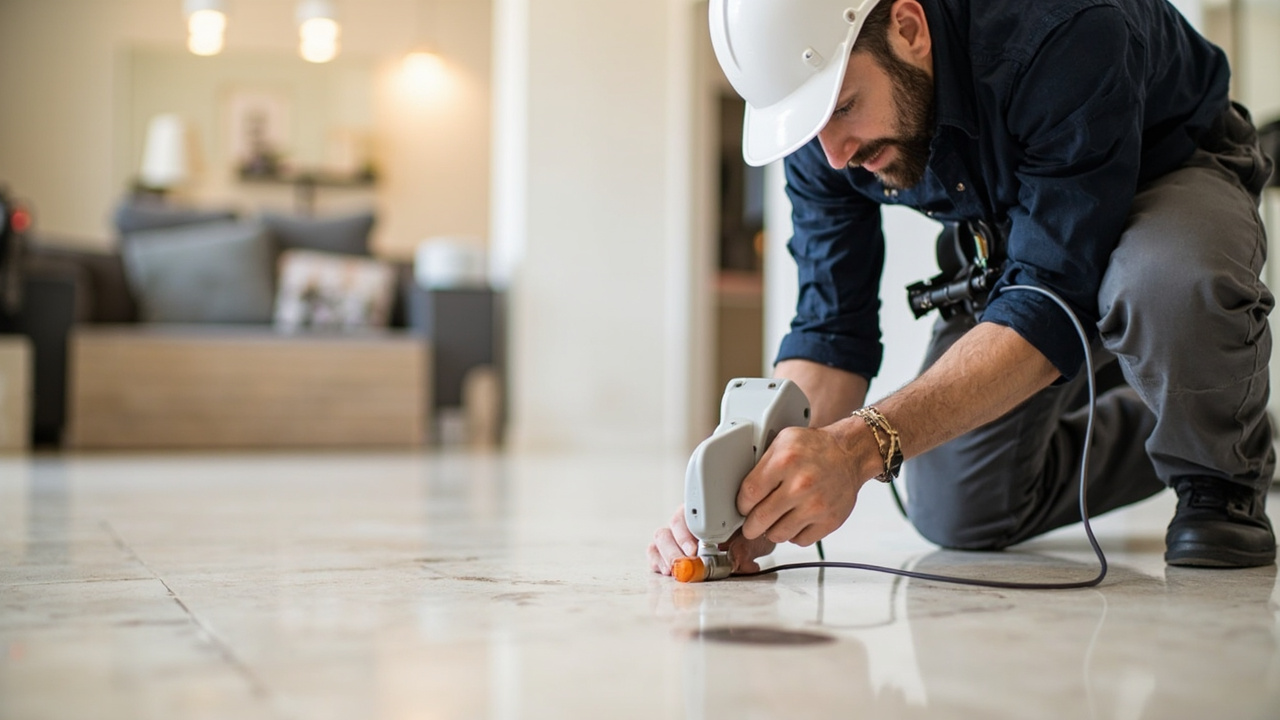
Expert Leak Detection Services in the Ahwatukee FoothillsHomeowners living near the base of South Mountain Park face a specific set of plumbing challenges that require a local perspective. The unique combination of expansive clay soil…
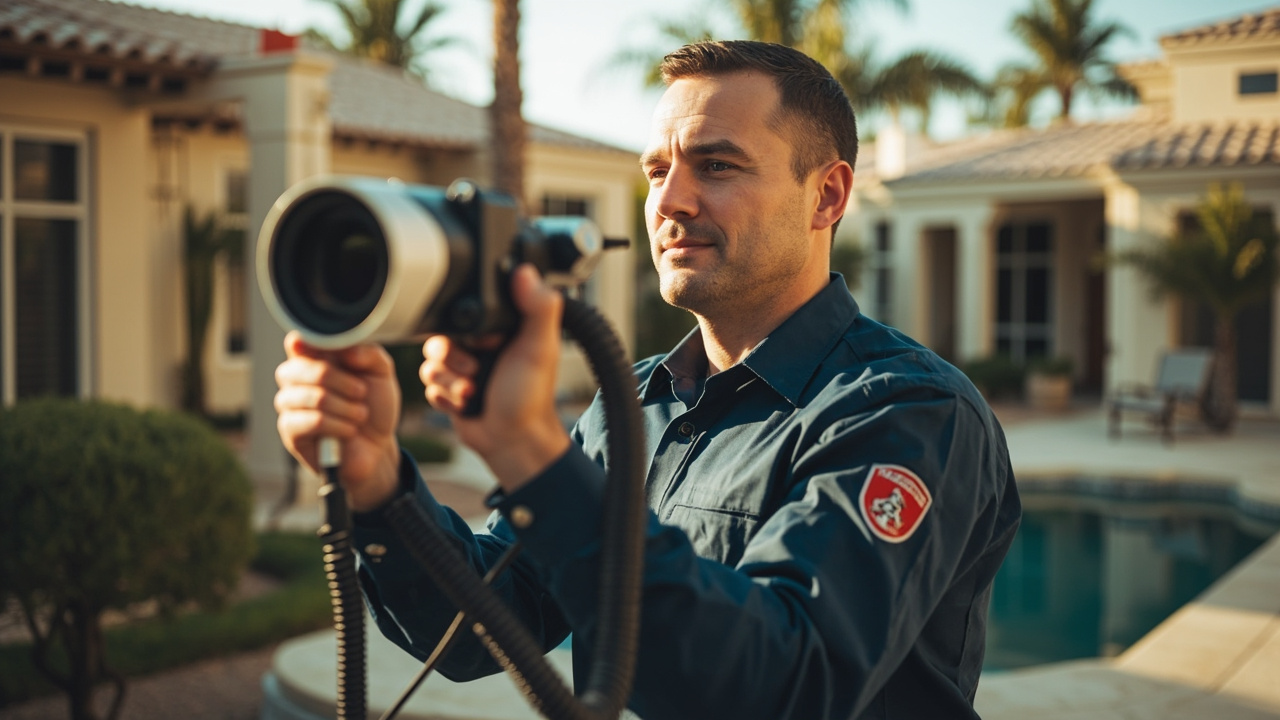
Living in the Biltmore area comes with certain expectations of quality and preservation. Many homes…
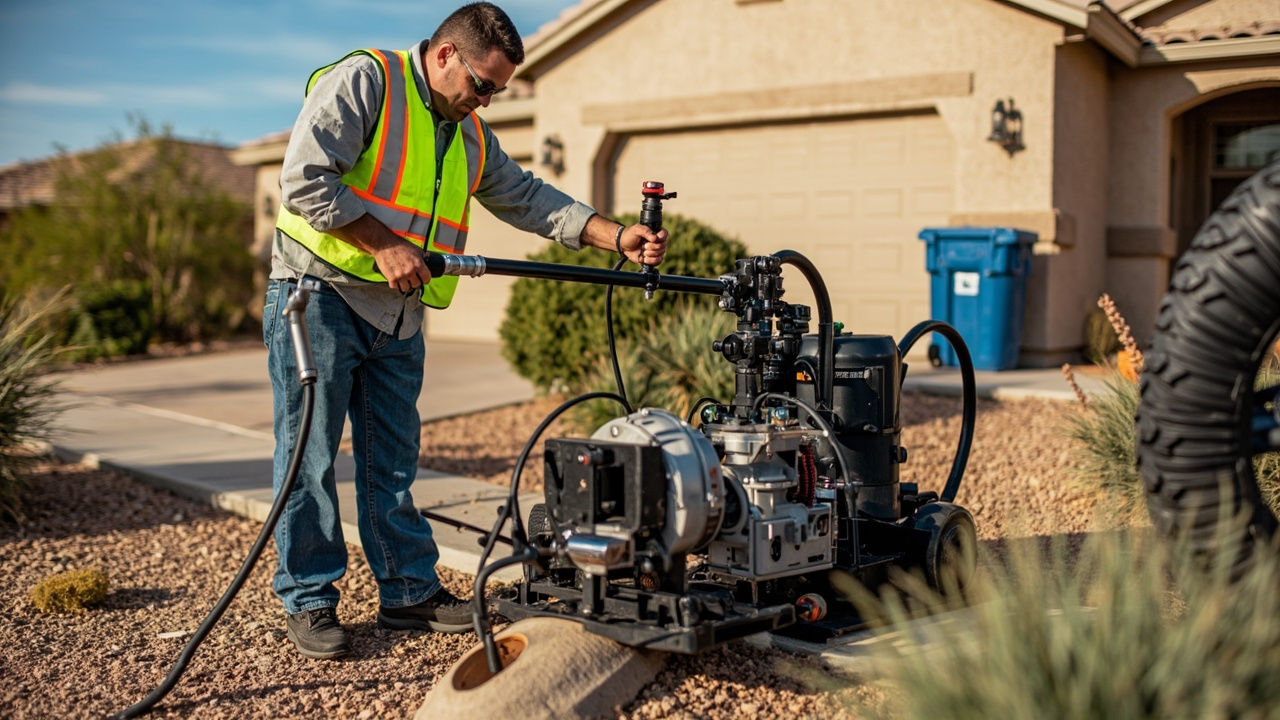
How to Fix Underground Water Main Leaks in Peoria Without Wrecking Your YardA water main…
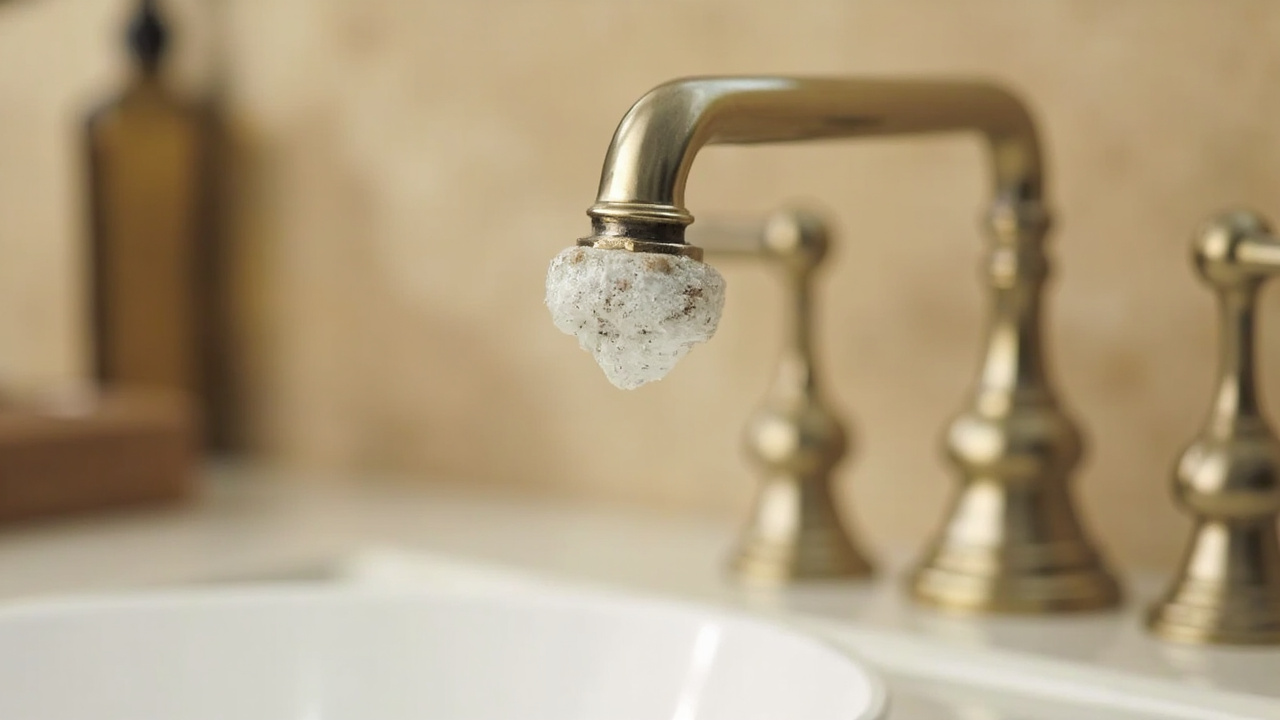
Living in the Ocotillo area of Chandler means you likely enjoy a custom home with…
When pipes burst, drains back up, or water heaters flood your home, every minute counts. Call Peak Plumbing Phoenix at (623) 288-0099 right now for emergency dispatch or to schedule repairs at your convenience. We answer 24 hours a day and arrive ready to fix your plumbing problem.