menu

Low Water Pressure Issues in Phoenix – Fast Diagnosis and Permanent Fixes

Peak Plumbing Phoenix identifies the root cause of weak water pressure in your home or business and restores full flow with targeted repairs backed by diagnostic precision.

Slider Image 1
Slider Image 2
Slider Image 3
Slider Image 4
Slider Image 5
Slider Image 7
Slider Image 8
Slider Image 9
Slider Image 10
Slider Image 11

Why Phoenix Homes Suffer From Poor Water Pressure More Than You Think

You turn on the shower and the water barely trickles out. You run the kitchen faucet and it takes forever to fill a pot. Decreased water pressure is not just annoying. It signals a problem somewhere in your plumbing system that will get worse if ignored.

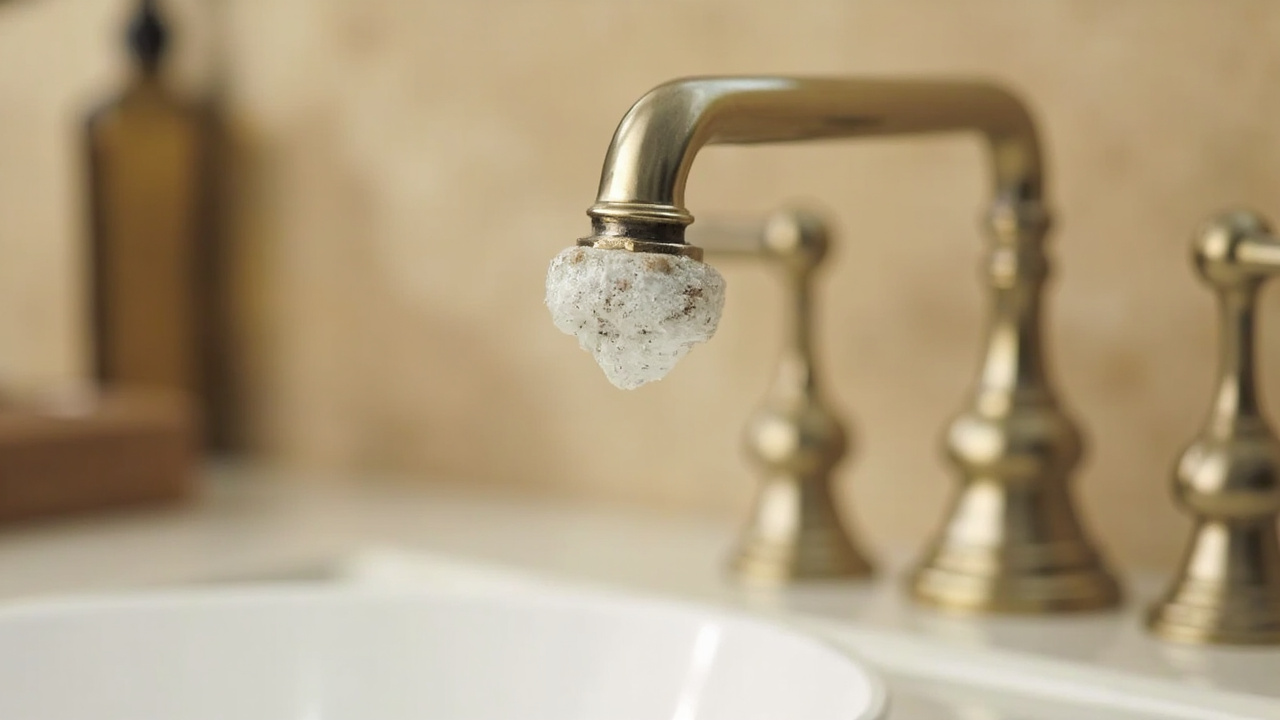
Phoenix presents unique challenges that accelerate pressure loss. The mineral content in our municipal water supply is high. Over time, calcium and magnesium deposits build up inside pipes and fixtures. This narrows the flow path. The older your home, the worse this problem becomes. Many homes built in the 1970s and 1980s still run galvanized steel pipes. These corrode from the inside out. The rust and scale choke off water flow inch by inch.

Phoenix also sits in an area with shifting soil conditions. Minor foundation movement can stress old pipe joints. Small leaks develop. Water pressure drops because you are losing volume before it even reaches your faucets. Add in the expansion and contraction from our extreme heat swings, and weak water pressure becomes a common complaint across the Valley.

You might notice low water flow at one fixture or throughout the entire house. Both scenarios point to fixable causes. The key is accurate diagnosis. Guessing wastes time and money. Peak Plumbing Phoenix uses pressure testing equipment and line cameras to pinpoint exactly where and why you are losing pressure. We address the real problem, not just the symptom.

Why Phoenix Homes Suffer From Poor Water Pressure More Than You Think
How We Diagnose and Restore Full Water Pressure

How We Diagnose and Restore Full Water Pressure

Loss of water pressure has multiple possible causes. We do not guess. We test.

First, we measure static pressure at your main shutoff valve. This tells us if the problem originates with the city supply or inside your property. Phoenix municipal water typically delivers between 50 and 70 psi. If we see normal pressure at the meter but poor water pressure at your fixtures, the issue is internal.

Next, we isolate zones. We test pressure at different branch lines to see if the problem is localized or systemic. A single clogged faucet aerator is simple. Corroded galvanized pipes throughout the house require a different strategy.

We inspect your pressure regulator if you have one. These devices fail over time. A stuck or miscalibrated regulator can choke your entire system. We also check for hidden leaks using acoustic detection tools. Even a small slab leak can drop pressure across multiple fixtures.

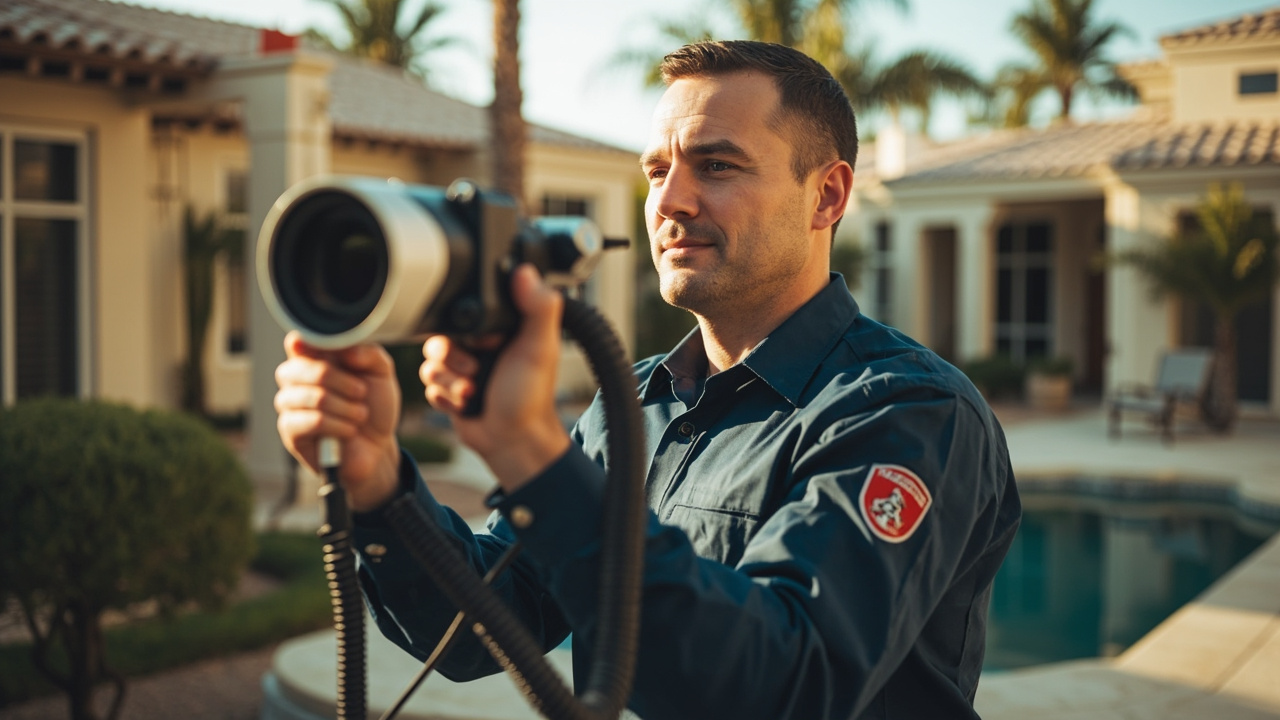
For homes with older piping, we sometimes use a line camera to inspect the interior condition of the pipes. This shows us scale buildup, corrosion, or root intrusion. Once we know the cause, we recommend the most effective fix.

Solutions range from simple aerator replacements to full repiping. If mineral buildup is the issue, we descale lines or replace clogged sections. If your pressure regulator has failed, we install a new one calibrated to the correct psi. If galvanized pipes are corroding, we often recommend repiping with PEX or copper to eliminate the problem permanently. Peak Plumbing Phoenix tailors the repair to your specific situation. We explain every option and let you decide.

What Happens During a Water Pressure Diagnosis and Repair

Low Water Pressure Issues in Phoenix – Fast Diagnosis and Permanent Fixes
01

Pressure Testing and Isolation

We arrive with calibrated pressure gauges and test equipment. We measure static pressure at your main line and then at multiple fixtures throughout your property. This isolates whether the issue is citywide, at your meter, in your main line, or isolated to specific branches. We also check your pressure regulator and expansion tank if present. This step usually takes 30 to 45 minutes and gives us a diagnostic map of your entire system.
02

Root Cause Identification

Once we know where pressure is dropping, we determine why. We inspect visible pipes for corrosion or leaks. We remove aerators and showerheads to check for mineral clogging. If needed, we use acoustic leak detection or a sewer camera to inspect hidden lines. We look for scale buildup, pipe collapse, or joint failure. This step confirms the exact cause so we can recommend the right repair, not a bandaid fix.
03

Targeted Repair and Verification

We execute the repair based on what we found. This might mean replacing a failed pressure regulator, descaling clogged lines, repairing a slab leak, or repiping a corroded section. After the work is complete, we retest pressure at all fixtures to confirm full restoration. You get immediate confirmation that the problem is solved. We also walk you through any maintenance steps to prevent future issues, like installing a water softener if mineral buildup was the culprit.

Why Phoenix Residents Trust Peak Plumbing Phoenix for Pressure Problems

Plumbing systems in Phoenix face conditions you will not find in other cities. Our water is hard. Our soil shifts. Our temperature swings are brutal. You need a plumber who understands how these factors affect your pipes.

Peak Plumbing Phoenix has worked on thousands of homes across the Valley. We know which neighborhoods have galvanized pipe issues. We know which subdivisions were built with undersized supply lines. We know how the city's water pressure zones vary from Ahwatukee to Anthem. This local knowledge speeds up diagnosis and prevents misdiagnosis.

We also understand Phoenix building codes and permitting requirements. If your repair involves replacing a section of main line or installing a new pressure regulator, we pull the necessary permits and coordinate inspections. This protects your home's value and keeps you compliant.

Our technicians carry the tools to solve pressure problems on the first visit. We stock pressure regulators, expansion tanks, PEX pipe, and descaling equipment on every truck. We do not waste your time with return trips for parts.

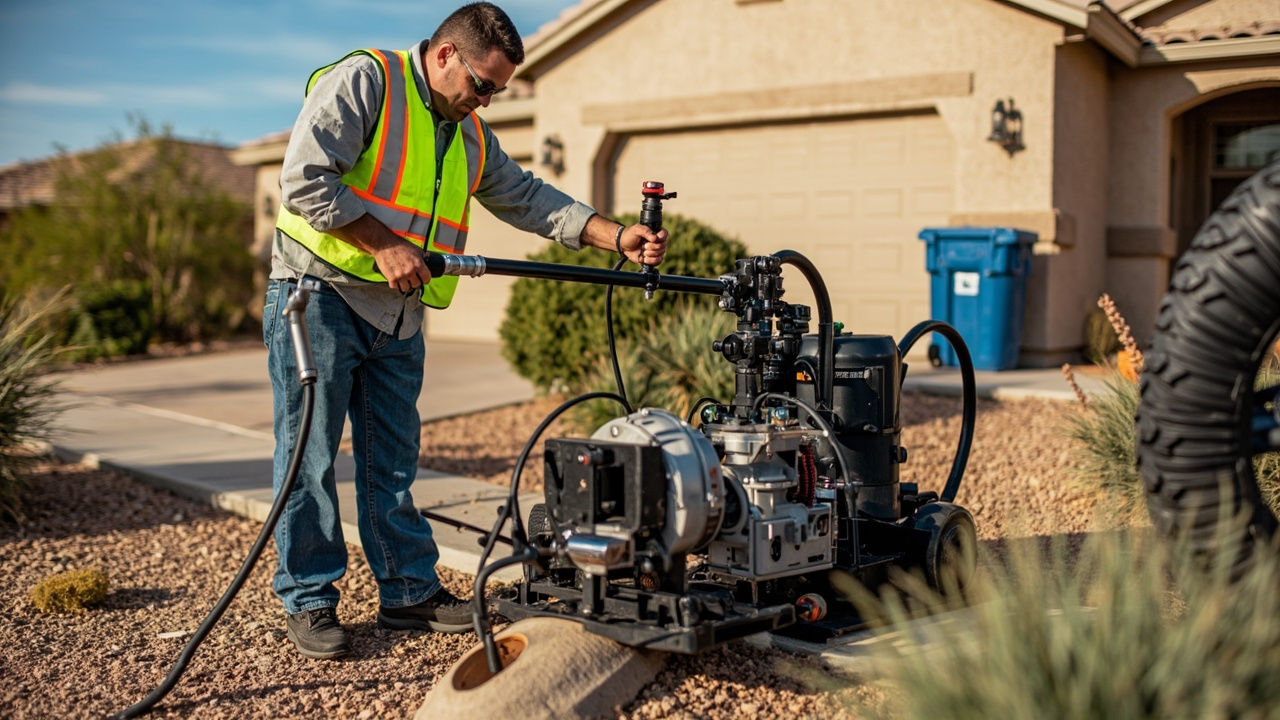
We also respect your property. Phoenix homes often have xeriscaped yards and delicate desert landscaping. If we need to access a buried line, we dig precisely and restore your landscape carefully. We do not leave you with a torn-up yard.

When you call Peak Plumbing Phoenix, you get a technician who knows Phoenix plumbing inside and out. We do not treat your home like a cookie-cutter job. We assess, diagnose, and fix it right the first time.

What to Expect When You Call Peak Plumbing Phoenix for Low Pressure

Fast Response and Flexible Scheduling

We understand that decreased water pressure disrupts your daily routine. You cannot shower properly, do laundry efficiently, or run a dishwasher without frustration. We offer same-day and next-day appointments for most service areas in Phoenix. Our dispatch team works with your schedule. We call ahead when we are on the way so you are not left waiting. For urgent situations like suspected slab leaks causing pressure loss, we prioritize your call. Our goal is to get your water flowing at full pressure as quickly as possible without cutting corners on diagnosis.

Thorough Pressure Testing and Clear Explanations

Our technician will test pressure at multiple points in your system. We explain what we are doing and why. After testing, we walk you through what we found. We show you pressure readings, photos of corroded pipes, or video footage from a line camera if used. You get a written estimate that breaks down the work needed and the cost. We do not push unnecessary services. If a simple fix will solve your problem, we tell you. If a larger repair is the smarter long-term choice, we explain why. You make the final decision with full information.

Reliable Repairs That Restore Full Flow

We use quality parts and proven methods. If we replace a pressure regulator, we install a commercial-grade unit calibrated to Phoenix water conditions. If we repipe a section, we use PEX or copper that will last decades. We test pressure again after every repair to confirm full restoration. You see the difference immediately. Our work meets local code and passes inspection. We do not leave until you are satisfied that your weak water pressure is completely resolved. You get your home back to normal operation.

Follow-Up Support and Maintenance Guidance

After we restore your water pressure, we provide guidance on preventing future issues. If mineral buildup was the cause, we may recommend a water softener or descaling schedule. If aging pipes are a concern, we can plan phased repiping to fit your budget. We also offer maintenance plans that include annual pressure checks and system inspections. If you experience any issue after our repair, you can call us directly. We stand behind our work. Our goal is not just to fix your immediate problem but to keep your plumbing system running at full pressure for years to come.

Frequently Asked Questions

You Have Questions,
We Have Answers

What is the most common cause of low water pressure? +

Mineral buildup inside pipes causes most low water pressure problems in Phoenix. Our hard water contains high calcium and magnesium levels that accumulate over years, narrowing pipe diameter. Galvanized steel pipes corrode faster here due to mineral content. Faulty pressure regulators also fail frequently, especially in homes built before 2000. Leaks in your main line reduce pressure throughout the house. Partially closed shut-off valves after repair work can restrict flow. If multiple fixtures show weak pressure, the issue likely stems from your main supply line or pressure regulator rather than individual faucets.

What to do if your water pressure is low? +

Start by checking if neighbors experience the same issue. If yes, contact Phoenix Water Services at 602-262-6251. If isolated to your home, inspect the main shut-off valve near your meter to confirm it opens fully. Check your pressure regulator if installed. Test multiple fixtures to determine if the problem affects the whole house or single outlets. Remove and clean faucet aerators, which trap sediment. If pressure remains low after these steps, call a licensed plumber. Attempting pipe repairs without proper training risks flooding and water damage in Phoenix homes.

Why is the water pressure in my sink suddenly low? +

A clogged aerator causes most sudden sink pressure drops. Unscrew the aerator from your faucet tip and rinse away sediment and mineral deposits. Phoenix's hard water clogs aerators quickly. If that fails, check the shut-off valves under your sink to verify they open completely. Corroded cartridges inside the faucet handle can also restrict flow. Broken supply lines sometimes develop partial blockages. If only hot water pressure drops, your water heater may have sediment buildup or a failing dip tube. Single-fixture problems rarely indicate whole-house issues requiring major repairs.

Do I need a plumber for low pressure? +

Yes, if basic troubleshooting fails. Cleaning aerators and checking valves requires no expertise, but diagnosing pressure regulators, corroded pipes, or hidden leaks demands professional tools and training. Phoenix homes with galvanized pipes often need repiping as corrosion reduces flow. A plumber uses pressure gauges to measure exact PSI at different points, identifying whether your issue stems from municipal supply, your pressure regulator, or internal piping. Ignoring persistent low pressure can mask serious leaks that waste thousands of gallons and cause foundation damage in our desert climate.

Who is responsible for low water pressure? +

Responsibility splits at your property line. Phoenix Water Services maintains infrastructure up to your meter, including the main supply line in the street. You own everything from the meter to your house and all interior plumbing. If neighbors share your problem, the city handles repairs. If only your home suffers low pressure, you pay for fixes. Your pressure regulator, typically installed where the main enters your foundation, falls under homeowner responsibility. HOAs sometimes maintain shared lines in multi-family communities. Check your property deed and HOA documents to confirm line ownership boundaries.

How can I get my water pressure back up? +

Clean all faucet aerators first. Check your main shut-off valve for full opening. Locate your pressure regulator near the main water line entry and verify proper adjustment. If pressure measures below 40 PSI using a gauge, the regulator may need replacement. Flush your water heater annually to prevent sediment accumulation. Consider installing a water softener to reduce mineral buildup in Phoenix pipes. If you have galvanized pipes over 40 years old, repiping with copper or PEX prevents future corrosion. Hidden leaks require professional leak detection using acoustic sensors and thermal imaging.

How much for a plumber to fix low water pressure? +

Simple aerator cleaning costs nothing. Pressure regulator replacement typically runs between service call fees and parts, completed in under two hours. Whole-house repiping represents a larger investment but solves chronic pressure issues permanently. Leak detection and repair costs vary based on location and damage severity. Most Phoenix plumbers charge diagnostic fees applied toward repair costs. Get multiple quotes for major work like repiping. Emergency weekend calls cost more than scheduled weekday appointments. Ignoring low pressure often leads to bigger repair bills when hidden leaks cause water damage or foundation settling.

How to unclog a p-trap? +

Place a bucket under the trap. Loosen the slip nuts connecting the curved pipe section by hand or with pliers. Slide the nuts away and pull the trap free. Dump contents into the bucket and inspect for clogs. Scrub inside with a bottle brush and rinse thoroughly. Check the rubber washers for cracks before reassembling. Hand-tighten slip nuts, then add a quarter turn with pliers. Overtightening cracks the washers. Run water and check for leaks. While p-trap clogs cause drainage issues rather than pressure problems, many Phoenix homeowners confuse slow drains with low pressure.

Can I adjust the water pressure myself? +

You can adjust your pressure regulator if you have one and feel comfortable doing so. Locate the bell-shaped device on your main water line. Remove the protective cap to access the adjustment screw. Turn clockwise to increase pressure, counterclockwise to decrease. Make small quarter-turn adjustments and test pressure between changes. Never exceed 80 PSI as higher pressure damages fixtures, appliances, and pipes. Phoenix building code requires regulators when city pressure exceeds 80 PSI. If you lack a pressure gauge or experience with plumbing systems, hire a professional to prevent costly mistakes.

Is low water pressure a plumbing emergency? +

Low pressure alone rarely constitutes an emergency, but sudden dramatic drops signal potential problems. If pressure plummets unexpectedly, check for visible leaks immediately. Shut off your main valve if you find gushing water. Gradual pressure decline over weeks indicates mineral buildup or aging pipes requiring routine service, not emergency calls. However, if low pressure combines with discolored water, strange odors, or wet spots in your yard or home, call a plumber immediately. Burst pipes and major leaks cause foundation damage quickly in Phoenix's shifting desert soil. Schedule normal pressure issues during business hours to avoid premium emergency rates.

How Phoenix Water Quality Accelerates Low Water Pressure Problems

Phoenix municipal water comes primarily from the Colorado River, the Salt River Project, and groundwater wells. All three sources have high mineral content, especially calcium and magnesium. This hard water leaves scale deposits inside pipes, faucets, and water heaters. Over time, these deposits narrow the interior diameter of your pipes. What starts as a minor annoyance becomes a serious flow restriction. Homes with galvanized steel piping see the worst effects. The combination of mineral buildup and internal corrosion can reduce a three-quarter-inch pipe to half that diameter in just 20 years.

Peak Plumbing Phoenix has serviced thousands of homes across Phoenix, Scottsdale, Tempe, and the surrounding Valley. We are familiar with the plumbing systems in older neighborhoods like Arcadia, Maryvale, and central Phoenix, where galvanized pipes are common. We also work regularly in newer developments like Verrado and Eastmark, where pressure regulator issues and undersized supply lines sometimes cause poor water pressure. Our technicians understand how Phoenix's unique water conditions interact with different piping materials. This local expertise allows us to diagnose and fix pressure problems faster and more accurately than out-of-area or inexperienced providers.
Plumbing Services in The Phoenix Area

We proudly serve residential and commercial customers throughout the Phoenix area. Whether you're located in the city center, suburbs, or surrounding communities, our team is ready to help with fast, reliable plumbing solutions. Use the map below to locate us, or reach out for directions and service area confirmation. At Peak Plumbing, we make it easy for you to access professional plumbing services wherever you are in the region.

Address:
Peak Plumbing Phoenix, 4041 E Thomas Rd, Phoenix, AZ, 85018

Additional Services We Offer

Our news updates

Latest Articles & News from The Blogs

How to Fix Underground Water Main Leaks in Peoria Without Wrecking Your YardA water main leak under your Peoria property…

How to Fix Underground Water Main Leaks in Peoria Without Wrecking Your Yard

How to Fix Underground Water Main Leaks in Peoria Without Wrecking Your YardA water main leak under your Peoria property…

Removing Stubborn Calcium Buildup from Your High End Ocotillo Bathroom Fixtures

Living in the Ocotillo area of Chandler means you likely enjoy a custom home with high end bathroom fixtures. These…

What Every Coronado Historic District Homeowner Should Know Before a Sewer Camera Inspection

Living in the Coronado Historic District offers a unique connection to the architectural heritage of Phoenix. Your home likely features…

Contact Us

Stop living with weak water flow. Call Peak Plumbing Phoenix at (623) 288-0099 for fast diagnosis and lasting repairs. We pinpoint the cause and restore your water pressure quickly. Same-day appointments available.