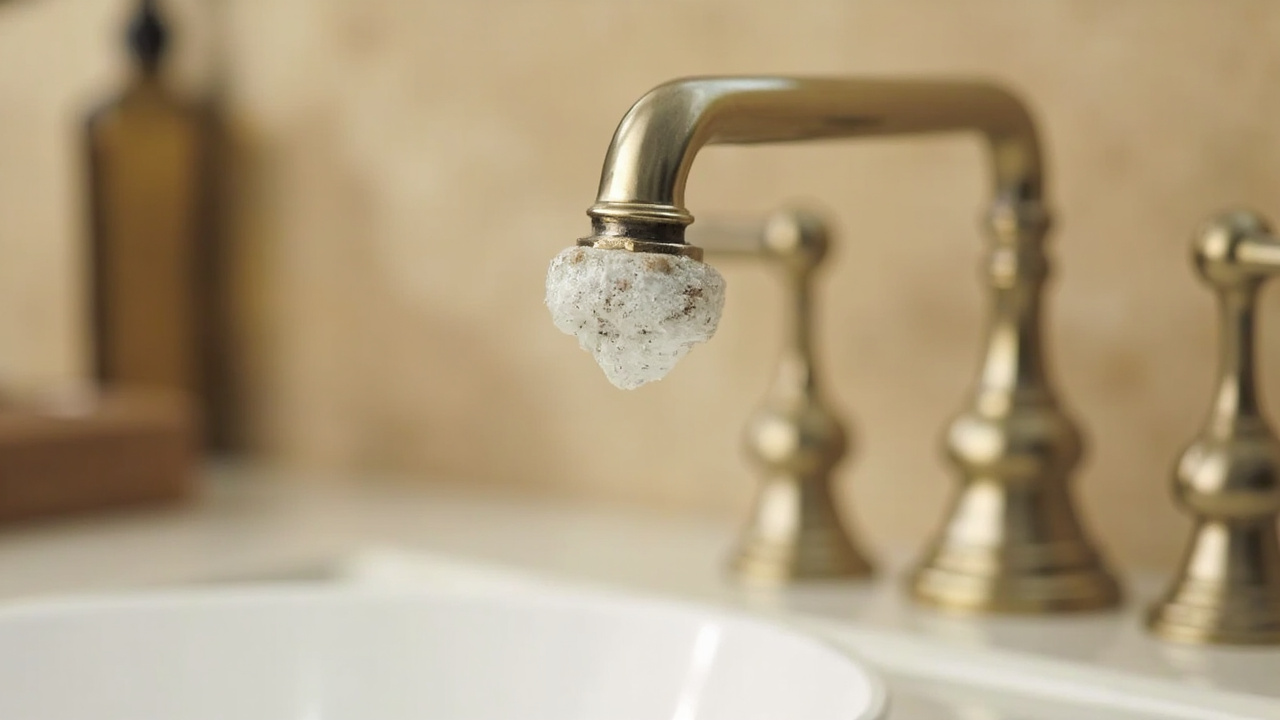
Phoenix's average summer temperature exceeds 105 degrees, which accelerates grease solidification in drain lines and increases mineral scaling inside water heaters. The city's water supply contains 12 to 17 grains of hardness, depending on your location relative to the treatment plants. This level of mineral content destroys dishwasher spray arms, clogs aerators on pre-rinse sprayers, and reduces water heater efficiency by 30 percent within two years. Restaurant plumbing services in Phoenix must account for these conditions when sizing equipment and selecting materials. Standard residential solutions fail under the combined stress of hard water, high ambient heat, and commercial-volume usage patterns.
The City of Phoenix requires annual backflow testing on all commercial food service connections. Maricopa County Environmental Health enforces grease interceptor sizing based on fixture unit counts, not square footage estimates. These regulations exist because Phoenix's rapid growth strained the municipal sewer system, and improper grease disposal contributed to significant infrastructure damage in older neighborhoods like Encanto and Garfield. When you work with Peak Plumbing Phoenix, you get a commercial kitchen plumber who knows these local enforcement patterns and designs systems that pass inspection the first time. We maintain relationships with city inspectors and understand how Phoenix interprets gray areas in the Uniform Plumbing Code.