
Why Your Scottsdale Pool Auto Fill Valve Keeps Running (And How to Fix It)
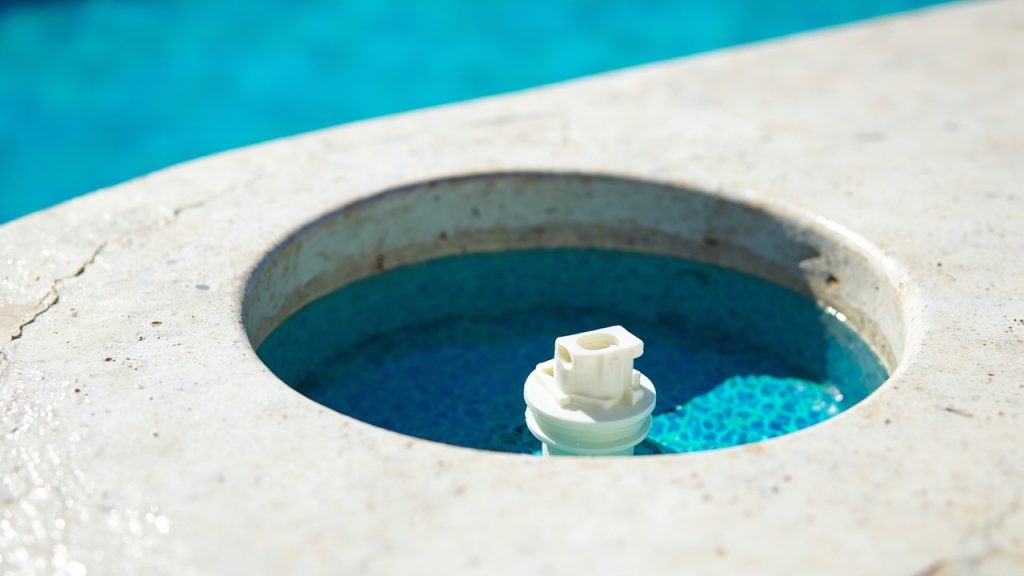
Maintaining a swimming pool in the Scottsdale heat requires constant attention to water levels. In 2026, the average summer temperature in the Phoenix metro area stays above 110 degrees for many weeks. This intense heat causes rapid evaporation. Your water line can drop by several inches in a few days. Most homeowners rely on an automatic water leveler to maintain the correct water line. This device works like the float in a toilet tank. It sits in a plastic canister buried in the deck near the edge of the pool. When the water level drops, the float falls. This movement triggers a valve to release fresh water. When this system fails, the water stays on. This leads to a waste of resources and high utility bills during the peak of the 2026 summer season. If you see signs of a leak, you should check your meter at the Scottsdale Water Department website.
You can identify a failing valve by watching for specific symptoms. Common signs include
- Pool water spilling over the coping and onto the deck.
- A consistent hissing or whistling sound near the pool equipment.
- Unexpectedly high monthly water bills.
- Damp spots on the cool deck or around the pool perimeter.
- Skimmer baskets that remain completely submerged and fail to pull in debris.
Many residents in neighborhoods like Gainey Ranch and McCormick Ranch notice their pool overflowing onto the deck. Others hear the constant hiss of running water. If you ignore this sound, you risk more than just a high bill. Continuous water flow can saturate the soil around your pool structure. In the Sonoran Desert, our soil contains high levels of clay and caliche. When this clay gets wet, it expands with force. This expansion can crack your pool deck or heave your pavers. It can also cause a shift in your home foundation. If you suspect a larger plumbing issue under the concrete, you might need a professional for pool leak detection to prevent structural damage.
The Mechanics of Modern Pool Auto Fill Systems
To understand why a valve keeps running, you must understand the two primary types of systems installed in Scottsdale homes. The first is the mechanical float valve. This is a plastic or brass arm with a buoyant bulb. As the water in the canister rises, the bulb lifts the arm and pushes a rubber seal against a small hole. This stops the flow. This system is common in older builds in neighborhoods like Paradise Valley. It is simple but is vulnerable to local water chemistry. If the float gets stuck, the water will never shut off.
The second type is the electronic sensor system. In 2026, these are the standard for high-end builds in North Scottsdale and Silverleaf. These systems use a digital sensor to detect the water level via conductivity. When the sensor determines the water is low, it sends a low voltage signal to a solenoid valve near the pool equipment. The solenoid opens the water line until the sensor confirms the pool is full. These systems often integrate with your smart home hub using the latest 2026 wireless protocols. While they are precise, they introduce electronic parts that can fail due to power surges or moisture during the monsoon season. A power surge from a summer storm can fry the control board and leave the valve open.
Why Scottsdale Hard Water Destroys Auto Fill Valves
Phoenix and Scottsdale have some of the hardest water in the country. Our local supply contains high concentrations of calcium and magnesium. As water evaporates from the pool surface, these minerals stay behind. They form a white, crusty scale on every surface. This scale builds up on the plastic float and the mechanical arm of the valve. The weight of the calcium can become heavy enough to prevent the float from rising. If the float cannot rise to the shut off point, the valve stays open. Fresh water continues to pour into your pool regardless of the actual water level.
The rubber seals inside these valves also suffer in the Arizona climate. In 2026, we see many valves failing because the internal diaphragm became brittle. The heat of the desert combined with high chlorine levels creates a harsh environment for any synthetic material. The rubber loses its flexibility and cannot create a tight seal. This is why many homeowners install systems to manage hard water to protect their home plumbing. Pool auto fills usually run on untreated outdoor lines that bypass softeners, so they receive the full impact of the minerals.
Comparison of Pool Auto Fill Systems in 2026
| System Type | Average Lifespan | Primary Failure Point | Repair Difficulty |
|---|---|---|---|
| Standard Plastic Float | 2 to 4 Years | Calcium Build Up | Low |
| Electronic Sensor Pro | 5 to 8 Years | Solenoid Failure | Medium |
| High Pressure Brass Valve | 4 to 6 Years | Seat Gasket Wear | Low |
| Ultrasonic Smart Leveler | 6 to 10 Years | Wireless Connectivity | High |
Detailed Technical Guide to Repairing a Mechanical Auto Fill
If your mechanical valve is running, you can often fix it with a few basic tools. You will need a set of needle nose pliers, a replacement valve assembly, Teflon thread tape, and silicone lubricant. Always ensure the water supply is turned off at the main backflow preventer before you begin work. This prevents a sudden geyser of water from flooding the canister while you have the valve removed. Follow these steps for a successful repair
- Remove the decorative lid from the pool deck and clear out any debris or spider webs from the canister.
- Reach down and unscrew the existing valve from the threaded inlet by turning it counter clockwise.
- Inspect the threaded fitting for any cracked PVC or old pieces of tape.
- Apply three wraps of Teflon tape to the threads of the new valve in a clockwise direction to ensure a tight seal.
- Thread the new valve in by hand to avoid cross threading the plastic fittings inside the canister.
- Adjust the float arm by loosening the plastic thumb screw and sliding the float to your desired level.
- Turn the water back on slowly at the main valve and check for leaks at the connection point.
- Wait for the pool to fill and verify that the valve shuts off completely when the water reaches the middle of the tile line.
- Replace the lid and ensure it sits flush with the deck to prevent a trip hazard.
Safety is a priority when working in these canisters. Always wear gloves to protect against scorpions or spiders that nest in these damp spaces. If the canister is deep, use a flashlight to check the condition of the bottom seal. Once the new valve is installed, the water should shut off when the pool level reaches the halfway point of your skimmer mouth. Proper adjustment prevents water from hitting the top of the tile where it can cause mineral staining.
Advanced Electronic Sensors and Smart Home Integration
Electronic leveling systems like the Level-Smart offer a different set of challenges. These units use a sensor mounted inside the skimmer or a dedicated well. In 2026, these sensors are often battery powered and communicate via Bluetooth to a control box. If your electronic auto fill is running, the culprit is usually a stuck solenoid valve. The solenoid is an electromagnetic switch that pulls a plunger to allow water flow. If a small pebble or grain of sand gets caught in the solenoid diaphragm, it will stay stuck in the open position. This results in a continuous flow that will overflow your pool in hours.
To repair an electronic system, you must first check the diagnostic lights on the controller. A blinking light often indicates a loss of communication with the sensor. If the sensor is fine but the water will not stop, you must service the solenoid. Most solenoids in 2026 feature a manual override bleed screw. Turning this screw can sometimes flush out debris. If that fails, you must disassemble the valve body and replace the internal rubber diaphragm. This is a common service task for residents in newer developments like DC Ranch where high water pressure is common. Always ensure the power to the controller is off before touching any wiring to prevent electrical shock.
Estimated Water Waste From Faulty Auto Fill Valves
| Leak Severity | Estimated Daily Waste | Estimated Monthly Waste | Financial Impact |
|---|---|---|---|
| Slow Drip | 25 Gallons | 750 Gallons | Low |
| Steady Stream | 150 Gallons | 4,500 Gallons | Medium |
| Stuck Wide Open | 800 Gallons | 24,000 Gallons | High |
Signs of Structural Damage From Overfilling
An overfilled pool is more than a nuisance for your water bill. When the water level stays too high, the skimmers cannot function. Skimmers require a mix of air and water to create the surface tension necessary to pull debris off the top. If the pool is too full, leaves and dust will sink to the bottom. This adds stress to your pool vacuum and can lead to algae growth. The excess water also dilutes your pool chemicals. You will find yourself spending more on chlorine and acid to maintain a safe pH balance in the 2026 heat. This creates a cycle of chemical waste and poor water clarity.
The structural risks are also a concern for Scottsdale residents. Constant water overflow can wash away the stabilizing soil beneath your pool deck. This leads to hollow spots known as voids. Over time, the heavy concrete deck will crack or sink into these voids. In severe cases, the water can migrate toward the house. This is a common cause of foundation issues in Arizona homes built on expansive clay. If your pool is constantly running, you must check your main sewer lines too. Some older homes in the Biltmore area have overflow drains tied into the sewer. A constant flow can overwhelm an older pipe. If you experience backups, you may need professional help to clear mineral buildup in your drainage lines.
Frequently Asked Questions About Pool Repairs in 2026
Question 1. What are the typical costs for professional auto fill repair in Scottsdale during 2026?
Repair costs depend on the type of system and the accessibility of the valve. A standard mechanical valve replacement is generally affordable and involves a service call fee plus the cost of the assembly. Electronic systems are more expensive due to the cost of solenoids and sensors. If the supply line under the deck is broken, the price increases because it requires leak detection equipment and masonry work. Homeowners should expect to pay for specialized labor in 2026 due to the increased demand for water saving technologies in the desert.
Question 2. What kind of warranty can I expect on new pool leveling components?
In 2026, most major brands offer a one year limited warranty on mechanical parts. Electronic components often come with a two year warranty if installed by a professional. Some premium brands provide extended coverage for their sensors. It is important to note that these warranties usually do not cover damage caused by calcium buildup or extreme weather events like lightning strikes during monsoons. Keeping your canister clean will help the parts last through the warranty period.
Question 3. Can I upgrade my old float valve to a smart system?
Yes. Many homeowners in 2026 are retrofitting older pools with smart leveling technology. These systems are designed to fit into existing canisters. They offer features like smartphone alerts if the pool has been filling for too long. This is an excellent way to prevent property damage and manage water usage in the desert climate. It gives you peace of mind when you are away from home for the summer.
Emergency Help for Scottsdale Pool Plumbing Leaks
Sometimes the issue is not the valve but the supply line buried under your deck. If you see water bubbling up from under the cool deck or between pavers, you likely have a broken PVC pipe. This requires immediate attention to prevent the deck from lifting or the soil from eroding. In 2026, we use specialized acoustic leak detection to find the exact spot of the break without tearing up your entire backyard. This saves you money on masonry repairs and keeps your outdoor living space intact. A broken line can dump thousands of gallons of water into your yard in a single day.
For many Scottsdale homeowners, maintaining the pool is just one part of property management. If you are upgrading other parts of your property, you might consider energy efficient appliance upgrades to improve home performance. However, the outdoor plumbing remains the most vulnerable to our local climate. The combination of a high UV index and hard water will wear down even the best equipment. Regular inspections of your auto fill canister can catch small drips before they become failures. The Scottsdale Water Department suggests checking your water meter regularly. If the low flow indicator on your meter is spinning when no one is using water inside, your pool auto fill is a likely suspect. Fixing a running valve is a cost effective way to lower your monthly expenses in Arizona. Most repairs can be completed in a single visit by a plumber. This protects your pool, your deck, and your wallet. Contact a local expert today to inspect your auto fill system and ensure your pool remains a source of relaxation for your family.