
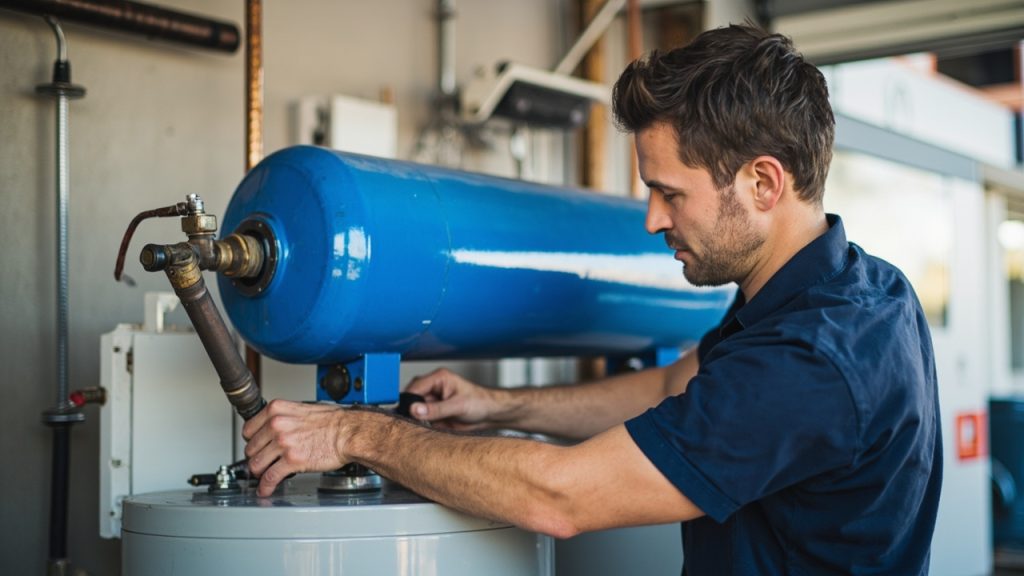
Thermal expansion is a physical reality that every homeowner in Avondale must address to maintain a safe plumbing system. When you heat water it expands in volume. In an older plumbing setup this extra volume simply pushed back into the municipal water main. Modern homes in the Phoenix metro area now use closed-loop systems. These systems include check valves or pressure reducing valves that prevent water from flowing back into the city supply. While this protects the public water source it creates a significant problem inside your home. The expanding water has nowhere to go. This builds immense pressure that can damage your pipes, your fixtures, and your water heater tank itself.
Installing a thermal expansion tank is the standard solution for this pressure buildup. This small tank contains a rubber bladder and pressurized air. It acts like a shock absorber for your plumbing. When the water in your heater expands it flows into the expansion tank instead of stressing your pipes. Without this device you might face constant leaks or a catastrophic tank failure. Residents in neighborhoods like Garden Lakes or Rancho Santa Fe often deal with high municipal water pressure which makes these tanks even more critical. If your home has a pressure reducing valve a thermal expansion tank is not just a recommendation. It is a necessity for your safety and for staying in compliance with current Maricopa County plumbing codes.
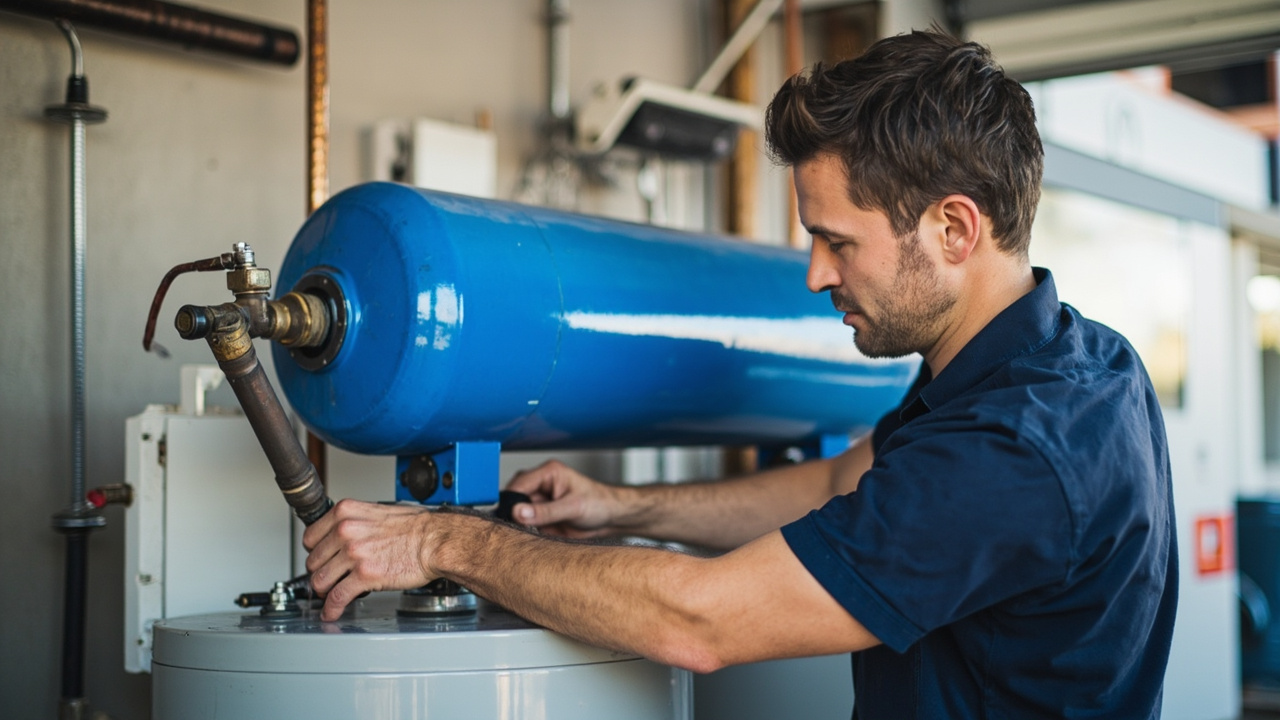
How Thermal Expansion Damages Your Avondale Home
When water is heated from room temperature to the standard 120 degrees it increases in volume by about two percent. While two percent sounds small it equates to several gallons of extra volume in a standard fifty-gallon tank. In a closed-loop system this expansion can cause the internal pressure to spike well above the safe operating limit of 80 PSI. You might notice your faucets dripping only when the water heater is running. You might hear strange banging noises in the walls known as water hammer. These are clear signs that your system is under extreme stress. Over time this constant fluctuating pressure weakens the copper joints and the steel glass-lined tank of your heater.
The high temperatures in the Phoenix valley during 2026 further complicate this. When the ambient temperature in an attic or a garage rises the baseline temperature of your cold water intake also increases. This changes the expansion dynamics of your system. If you ignore these pressure spikes you risk developing a slab leak in Tempe or Avondale which involves water pipes breaking under your concrete foundation. Repairing a slab leak is a massive undertaking that requires cutting through your floors. A simple expansion tank installation prevents this by keeping the system pressure within a safe range of 50 to 60 PSI.
Identifying Expansion Tank Failure in Your Plumbing
Expansion tanks do not last forever. Most units have a lifespan of five to eight years depending on the water quality in your specific part of Avondale. The internal rubber bladder can lose its air charge or develop a hole. When the bladder fails the tank becomes waterlogged. This means it can no longer absorb the expanding water. You can check the health of your tank by tapping on it. The top half should sound hollow because it contains air while the bottom half should sound dull because it contains water. If the entire tank sounds heavy and dull it is likely full of water and needs immediate replacement.
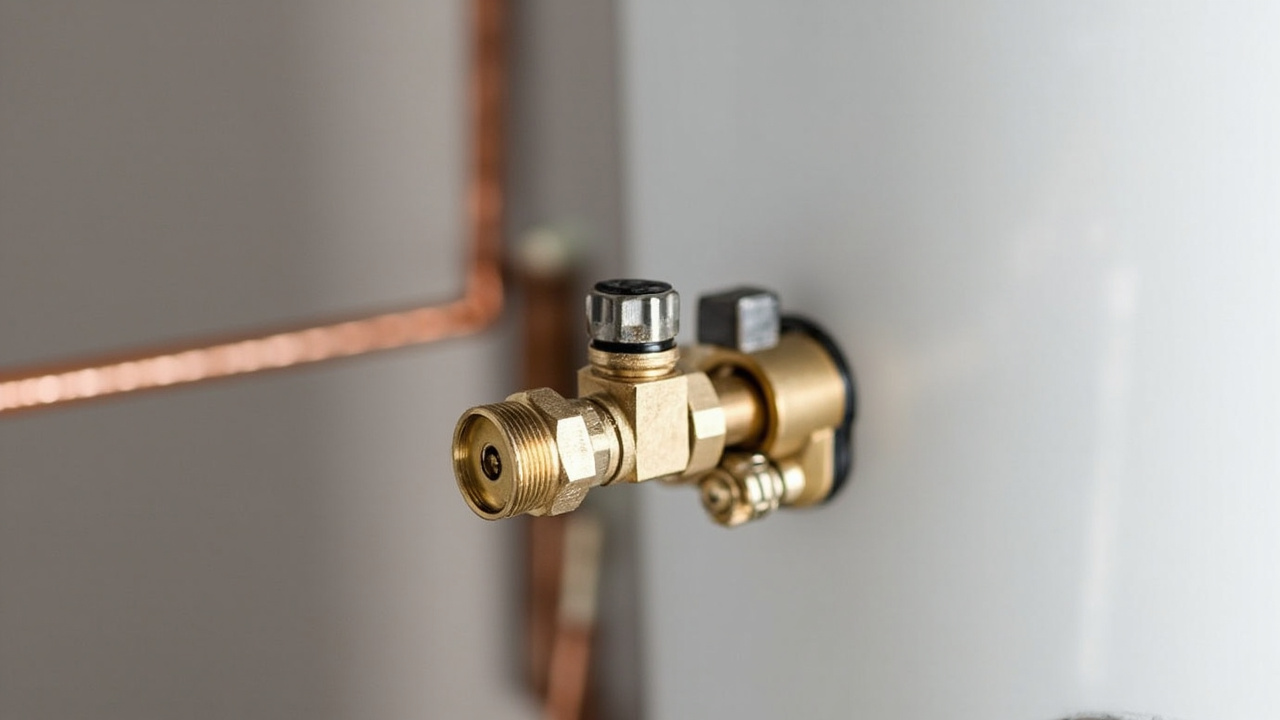
Another way to test the tank is by using the Schrader valve located on the top. This is the same type of valve found on a car tire. You can use a standard pressure gauge to check the air pressure inside. If water squirts out of the valve when you press the center pin the bladder is ruptured. At this point the tank is useless and your water heater is at risk. We see many failed tanks in homes near the Phoenix Goodyear Airport where the vibration and pressure fluctuations are common. Replacing a failed tank is much cheaper than replacing a full water heater that has cracked due to pressure fatigue.
Current Standards for Expansion Tank Selection in 2026
| Water Heater Capacity | Recommended Expansion Tank Size | Average Static Pressure |
|---|---|---|
| 30 to 50 Gallons | 2 Gallon Tank | 40 to 60 PSI |
| 50 to 80 Gallons | 4.5 Gallon Tank | 60 to 80 PSI |
| 80+ Gallons or Commercial | Multiple or Large Custom Tank | 80+ PSI (Requires PRV) |
Choosing the right size is essential. A tank that is too small will not have enough volume to handle the expansion of a large 80 gallon heater. Most residential homes in Avondale use the two-gallon model. However if you have high incoming pressure from the city lines you may need to step up to a larger size to ensure the bladder has enough room to move. According to the International Association of Plumbing and Mechanical Officials the tank must be sized based on both the total water volume and the temperature rise of the system.
The Impact of Phoenix Hard Water on Your Expansion Tank
Avondale water is notoriously hard with high mineral content. These minerals including calcium and magnesium can settle inside the expansion tank connection point. Over time this sediment creates a blockage that prevents water from entering the tank. If the water cannot reach the bladder the tank cannot do its job. This is why we recommend regular maintenance for your entire water heating system. Hard water also degrades the rubber bladder faster than soft water. If you have already invested in a water softener for Chandler hard water or Avondale water your expansion tank will likely last much longer.
Sediment buildup is the silent killer of plumbing components in the valley. We often find that tanks installed in older homes near Historic Avondale are completely filled with lime scale. When we remove these failed units they often weigh forty pounds instead of the usual five or six pounds. This weight puts extra stress on the piping that supports the tank. It is vital to have a professional check the mounting brackets and the structural integrity of the copper lines during your annual plumbing inspection. We often add extra support straps to ensure the tank does not break off and cause a flood in your garage or utility room.
Understanding Maricopa County Building Codes
Building codes in 2026 are very strict regarding thermal expansion. If you are replacing a water heater in Avondale the inspector will require an expansion tank if you have a closed-loop system. This includes almost every home built in the last twenty years. If your home uses a backflow prevention device or a pressure reducing valve the code is clear that a means of controlling thermal expansion must be present. Failure to install this device can lead to failed inspections and can even void the manufacturer warranty on your new water heater. Most manufacturers like Rheem or Bradford White explicitly state in their manuals that the warranty is void if the heater is operated in a closed system without an expansion tank.
Local inspectors in Avondale and surrounding areas like Buckeye or Litchfield Park look for specific installation details. The tank should be installed on the cold water supply line. It should ideally be installed in a vertical position with the water connection at the bottom to prevent air pockets. If it must be installed horizontally it requires special support to prevent the weight of the water from snapping the pipe. Our team stays current with all Maricopa County environmental and building regulations to ensure your installation meets or exceeds every safety standard.
Professional Installation Steps for Maximum Protection
- Shut off the main water supply and the power or gas to the water heater.
- Drain the plumbing system to remove pressure from the lines.
- Install a heavy duty brass tee fitting on the cold water inlet.
- Check the house static pressure and pre-charge the expansion tank to match.
- Apply professional grade pipe sealant or thread tape to the tank connection.
- Mount the tank securely using galvanized straps or specialized mounting brackets.
- Pressurize the system and check for microscopic leaks using a soap solution.
- Verify the Temperature and Pressure relief valve is functioning correctly.
The step involving the pre-charge is where many DIY attempts fail. If the tank comes from the factory with 40 PSI but your home pressure is 60 PSI the tank will partially fill with water as soon as you turn the supply on. This reduces the amount of space available for thermal expansion. A professional plumber uses a calibrated gauge and a portable compressor to match the tank pressure to your specific home pressure exactly. This ensures you get the full benefit of the tank volume and the longest possible life from the internal bladder.
The Relationship Between Pressure Reducing Valves and Expansion Tanks
Many homeowners in Avondale ask why they need an expansion tank if they already have a pressure reducing valve or PRV. The PRV is designed to keep high city pressure from entering your home. However the PRV also acts as a one-way street. Once the water passes the PRV and enters your house it cannot go back out. When your water heater cycles on the pressure inside your house begins to climb. The PRV blocks this pressure from escaping back to the city main. Without an expansion tank your indoor pressure can rise from a safe 50 PSI to over 120 PSI in a matter of minutes.
This high pressure puts a massive strain on your appliances. Your dishwasher valves and washing machine hoses are not designed to handle 120 PSI. You might find yourself needing an emergency plumber in Scottsdale or Avondale because a flex line under your sink burst in the middle of the night. Combining a functioning PRV with a properly sized expansion tank gives you total control over your home plumbing environment. It keeps the pressure stable and predictable which extends the life of every faucet and valve in your house.
Comparison of Expansion Tank Materials and Brands
| Feature | Standard Steel Tank | Stainless Steel Tank | Composite Tank |
|---|---|---|---|
| Corrosion Resistance | Moderate | High | Maximum |
| Typical Lifespan | 5 to 7 Years | 10 to 12 Years | 12 to 15 Years |
| Cost Factor | Low | Medium | High |
| Recommended Use | Standard Homes | High Hardness Areas | Premium Custom Homes |
In our experience working in the Phoenix valley for over fifteen years we find that standard steel tanks are usually sufficient if you have a water softener. However for homes in areas with exceptionally high mineral content a stainless steel or composite tank can be a better investment. These materials resist the corrosive effects of the Avondale water supply much better than standard carbon steel. We can help you determine which material is best for your budget and your specific plumbing needs.
Maintaining Your Water Heater for Maximum Lifespan
Adding an expansion tank is just one part of a healthy plumbing strategy. You should also consider the condition of your main sewer and drain lines. High pressure in the supply lines can sometimes hide issues in your drainage. If you notice slow drains while your pressure is being regulated you might need hydro jetting in Mesa or Avondale to clear out years of mineral scale. A clean system from top to bottom ensures that you never have to deal with unexpected backups or bursts.
Many residents are also moving toward more efficient water heating solutions. If you find that your tank based system is constantly causing pressure issues you might look into why many homeowners are choosing tankless water heater upgrades in Gilbert and Avondale. Tankless units do not store a large volume of hot water so the thermal expansion is significantly reduced. However for most traditional homes the addition of a high quality expansion tank is the most cost effective way to bring your system up to current safety standards.
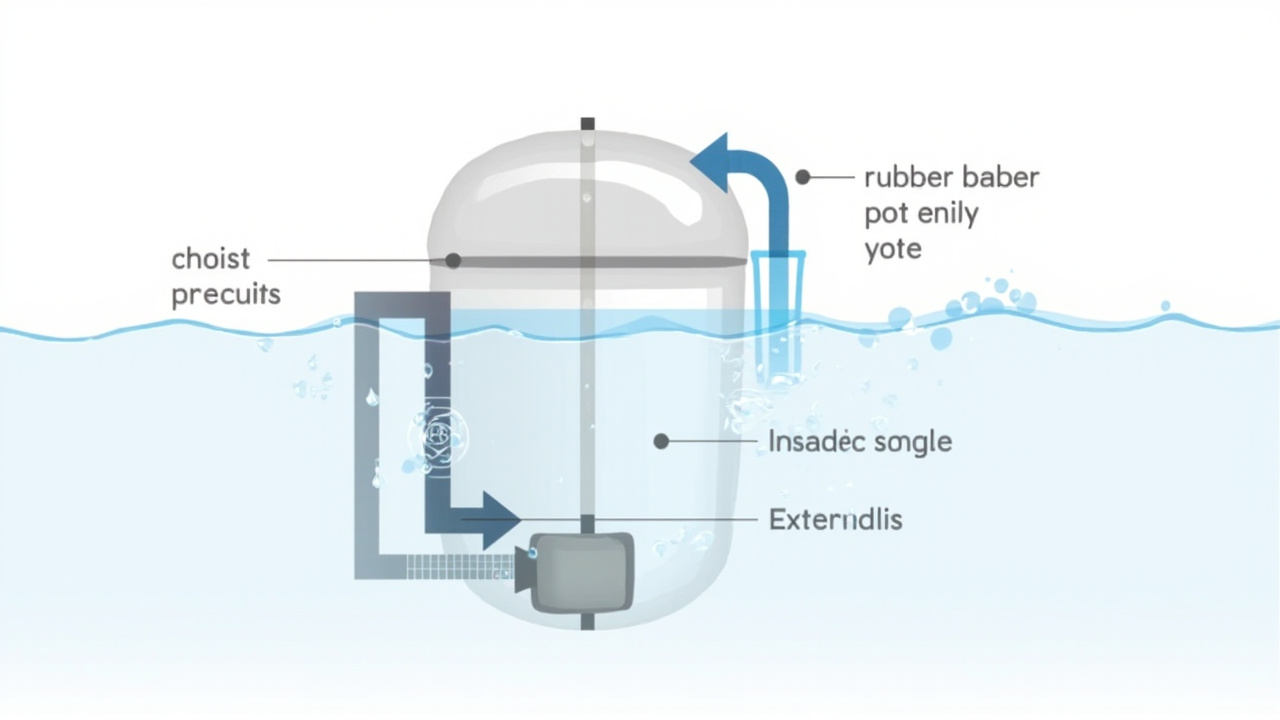
A professional plumber can install an expansion tank in about an hour. It is a small investment that provides immense peace of mind. You will stop hearing the banging in your pipes and you will stop seeing the T&P relief valve on your heater dripping onto the floor. Most importantly you will be protecting your foundation and your home from the silent threat of high pressure. If you have not had your water heater inspected recently now is the time to check the age and condition of your expansion tank. Our team is ready to help you navigate these technical requirements and keep your Avondale home safe for years to come.
Whether you live in the master-planned communities of Estrella or the established neighborhoods near the heart of the city the physics of water remain the same. Heat causes expansion and expansion creates pressure. By installing a modern thermal expansion tank you are taking a proactive step toward maintaining your property. Do not wait for a pipe to burst or for your water heater to fail prematurely. Address the pressure today and enjoy the reliability of a professionally maintained plumbing system.