
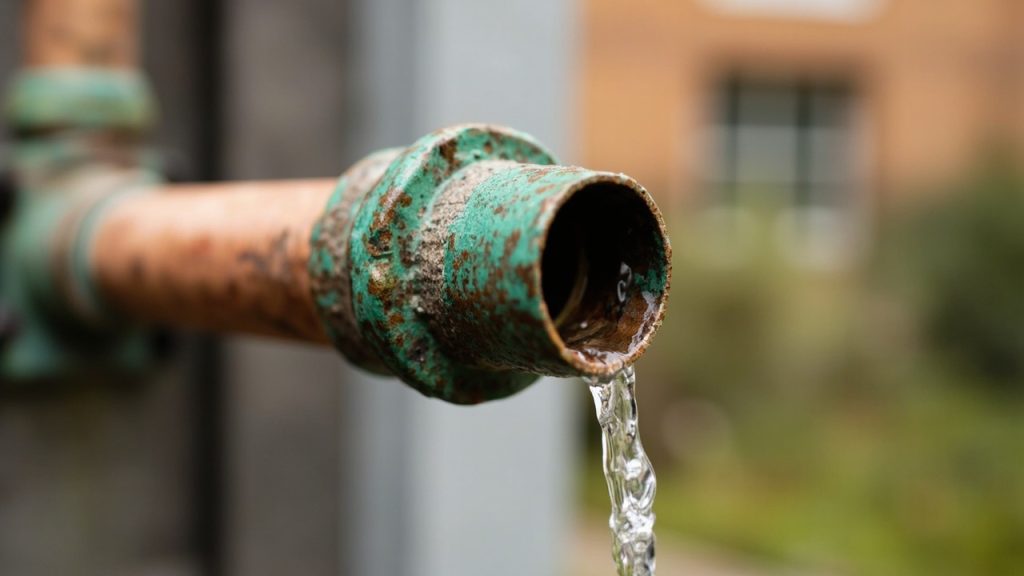
The Crisis of Copper Pipe Failure in North Central Phoenix
Residents living in the historic corridors of North Central Phoenix are seeing a surge in plumbing failures this year. Homes in neighborhoods like Windsor Square and the Murphy Bridle Path area rely on copper plumbing systems installed decades ago. By 2026, many of these systems have reached their limit. You might notice a small green crust on a pipe in your laundry room or a damp spot on your ceiling. These are not just minor annoyances. They are symptoms of a systemic failure known as pitting corrosion. Understanding why this happens helps you make the right choice between a quick patch and a full home repipe.
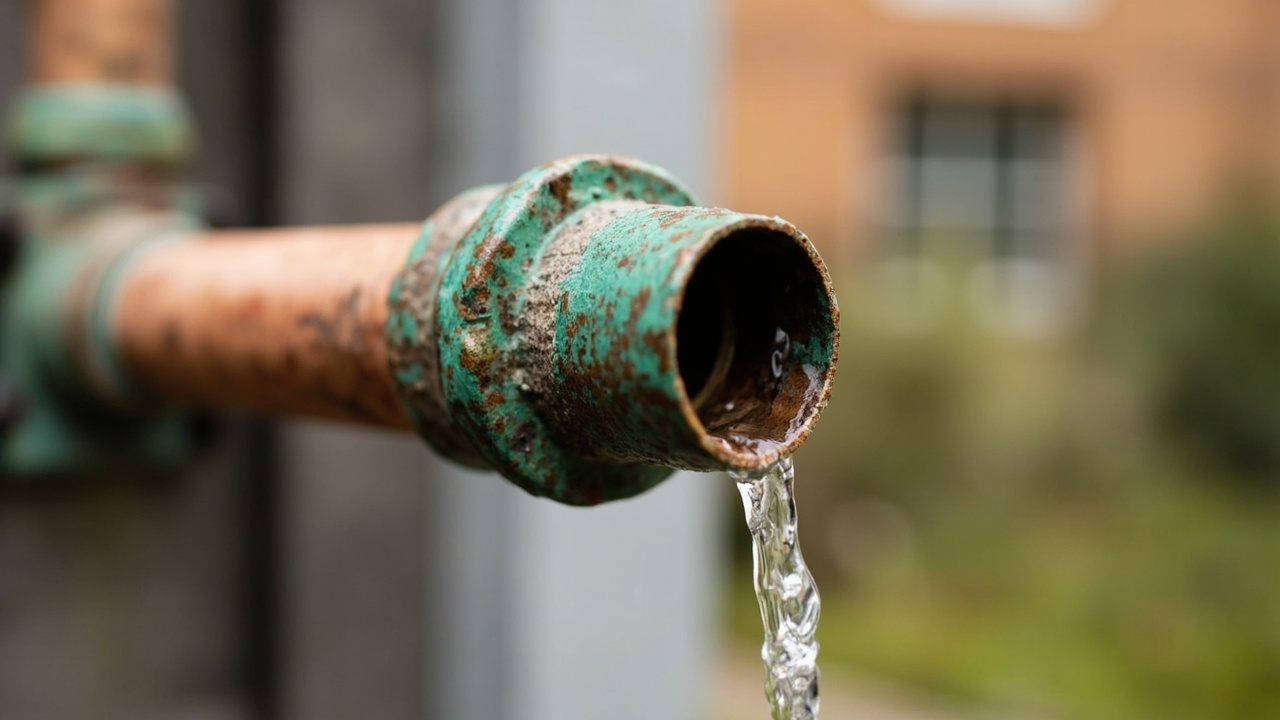
North Central Phoenix water contains a specific chemical profile that is aggressive toward copper. The water coming through municipal lines in the Valley carries high concentrations of minerals and disinfectants. While this water is safe for consumption, it creates a harsh environment for metal pipes. When you see a pinhole leak, it means the copper has thinned from the inside out. This is not caused by high water pressure or external damage. It is a slow chemical reaction that finally broke through the pipe wall.
Why Phoenix Water Causes Pitting in Copper
Phoenix water is notoriously hard. Current 2026 data shows that local water hardness often ranges between 12 and 25 grains per gallon. These minerals create a constant abrasive force against the inner walls of your pipes. Over time, this abrasion removes the protective coating that copper naturally develops. Once that coating is gone, the raw copper is vulnerable to the chlorine and chloramines used by the city for disinfection. These chemicals are necessary for public health but they accelerate the oxidation of the metal.
According to the Phoenix Water Services Department, the city maintains strict standards for water safety, but the chemistry required to keep water clean in a desert environment is hard on residential infrastructure. Pitting corrosion starts as a microscopic hole. It grows deeper until it penetrates the entire thickness of the pipe. In North Central Phoenix, the soil also plays a role. Many homes have copper lines running through alkaline soil that can attack the pipe from the outside. This dual attack from inside and out makes pipe failure almost inevitable for older systems.
Identifying the Warning Signs of a Pipe Leak
You should look for specific signs of copper degradation before a massive flood occurs. The most common sign is verdigris. This is the blue or green chalky substance that forms on copper when it reacts with moisture and oxygen. If you see this on your pipes, a leak is already present even if you do not see dripping water. The water is evaporating as fast as it leaks, leaving the mineral crust behind. This crust eventually fails, and that is when you get a sudden spray of water.
Another sign is a drop in water pressure. If your shower feels less powerful than it did last month, you might have multiple pinhole leaks diverting water behind your walls. You should also check your water meter when no one is using water. If the small dial is spinning, water is escaping somewhere. If you suspect a leak under your floor, you might need help with the best way to handle a slab leak in Tempe or your local Phoenix neighborhood. Small leaks often hide in the foundation for months before they become visible.
Immediate Actions to Stop Water Damage
If you find an active leak, you must act fast. Go to your main water shut-off valve immediately. In most North Central Phoenix homes, this is located near the front hose bib or in a box near the street. Turn it clockwise to stop the flow of water to the entire house. After you shut off the main valve, open the lowest faucet on your property to drain the remaining water from the lines. This prevents the water already in the pipes from continuing to leak into your walls or cabinets.
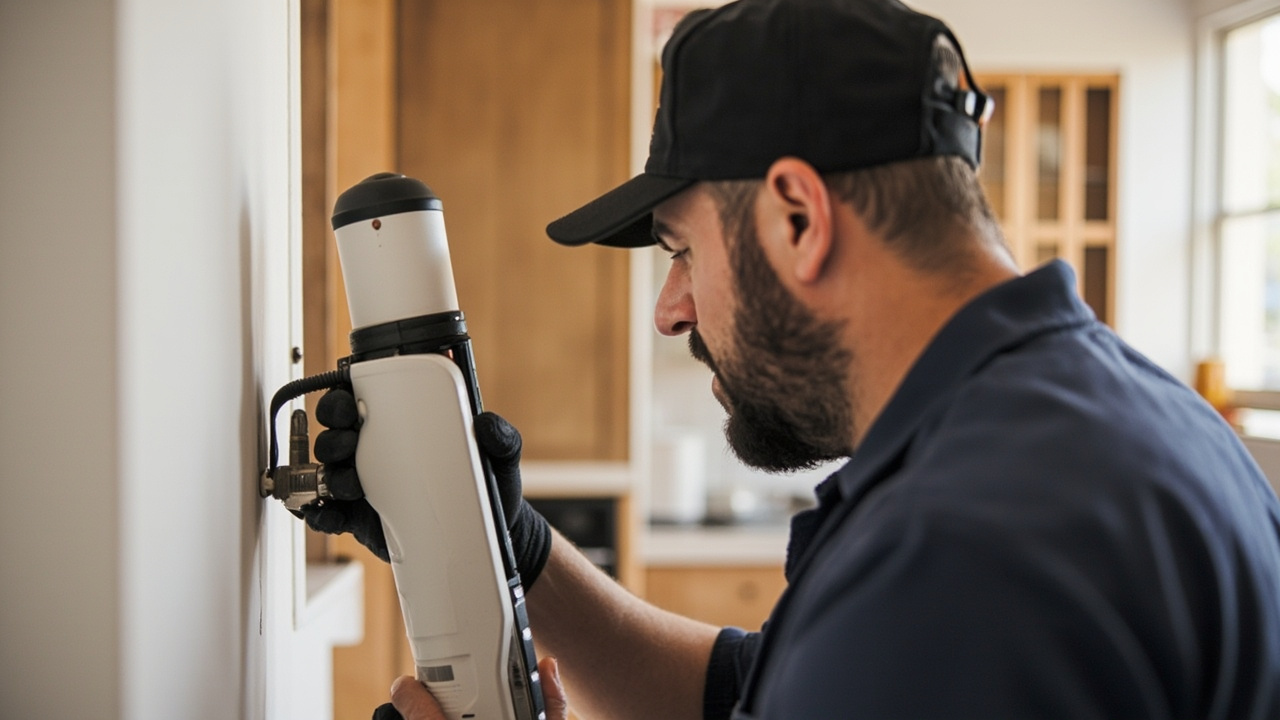
You should then dry the affected area. Use fans and dehumidifiers to pull moisture out of the drywall and flooring. Mold grows quickly in the Phoenix heat, especially in dark spaces behind cabinets. If the leak is small, you might think about using a repair clamp. This is a temporary fix. A clamp or epoxy putty will stop the spray, but it does not fix the underlying corrosion. The pipe around the clamp is likely just as thin and will fail soon. If you are dealing with a major burst, you may need to find a way of getting an emergency plumber to your Scottsdale home fast or to your Phoenix residence to prevent total property loss.
Comparing Pipe Material Options for Your Home
When a section of copper fails, you have choices to make. You can replace the section with new copper, or you can switch to a modern material like PEX. PEX is a high-density polyethylene pipe that is flexible and resistant to the chemicals found in Phoenix water. Most professional plumbers in 2026 recommend PEX for repiping because it does not corrode and handles the thermal expansion caused by our extreme summer temperatures better than rigid metal.
| Pipe Material | Expected Lifespan in Phoenix | Corrosion Resistance | Installation Difficulty |
|---|---|---|---|
| Type L Copper | 20 to 30 Years | Low | High (Requires Soldering) |
| Type M Copper | 15 to 20 Years | Very Low | High |
| PEX-A Tubing | 40 to 50 Years | Total Resistance | Moderate |
| CPVC Plastic | 15 to 25 Years | High | Moderate |
Choosing the right material depends on your long term goals. If you plan to stay in your North Central Phoenix home for another decade, a full repipe with PEX-A is the most cost-effective move. It eliminates the possibility of future pinhole leaks and improves the overall health of your plumbing system. Many homeowners also opt for professional water softener installation for Chandler hard water or Phoenix water to protect their new pipes and appliances from mineral buildup.
Understanding the Cost Factors of Copper Pipe Repair
Repairing a single pinhole leak might seem inexpensive, but the costs add up when you consider the damage. You have to pay for the plumbing repair, but you also have to pay for drywall repair, paint, and potentially mold remediation. If the leak is under a kitchen cabinet, you might have to replace the entire cabinet box if the wood swells and delaminates. These secondary costs are often five times higher than the plumbing bill itself.
| Factor | Single Spot Repair | Full Home Repipe |
|---|---|---|
| Plumbing Labor | Low | High |
| Materials | Minimal | Significant |
| Future Risk | High (More leaks likely) | None |
| Property Value | No Change | Increases Value |
In 2026, many insurance companies are becoming stricter about water damage claims in older neighborhoods. If your home has had multiple leaks, your premiums may rise. Some providers might even require a full repipe to maintain coverage. Investing in a permanent fix protects your home equity and keeps your insurance manageable.
The Role of Thermal Expansion and Heat
Phoenix presents unique challenges for copper pipes. In the summer, attic temperatures can exceed 150 degrees. This heat causes the copper to expand. When you turn on the cold water, the pipe rapidly cools and contracts. This constant movement stresses the joints and the areas already weakened by pitting. This is why we see a spike in pinhole leak calls during the transition into the hottest months of the year.
Pipes in North Central Phoenix are often secured with metal straps. These straps can rub against the pipe as it expands and contracts. This creates mechanical wear on the outside while the water chemistry attacks the inside. A modern installation uses plastic insulators to prevent this friction. If your home still has the original metal hangers, you are at a higher risk for failure. When we perform a repair, we always check the support system to ensure the pipe has room to move without wearing down.
Prevention and Maintenance Strategies
While you cannot change the city water chemistry, you can take steps to protect your copper pipes. A whole-home filtration system can remove some of the aggressive chemicals before they enter your plumbing. This slows down the rate of corrosion. You should also check your water pressure. High pressure accelerates the erosion of the inner pipe walls. Installing a pressure reducing valve can keep your system within a safe range, typically between 50 and 65 PSI.
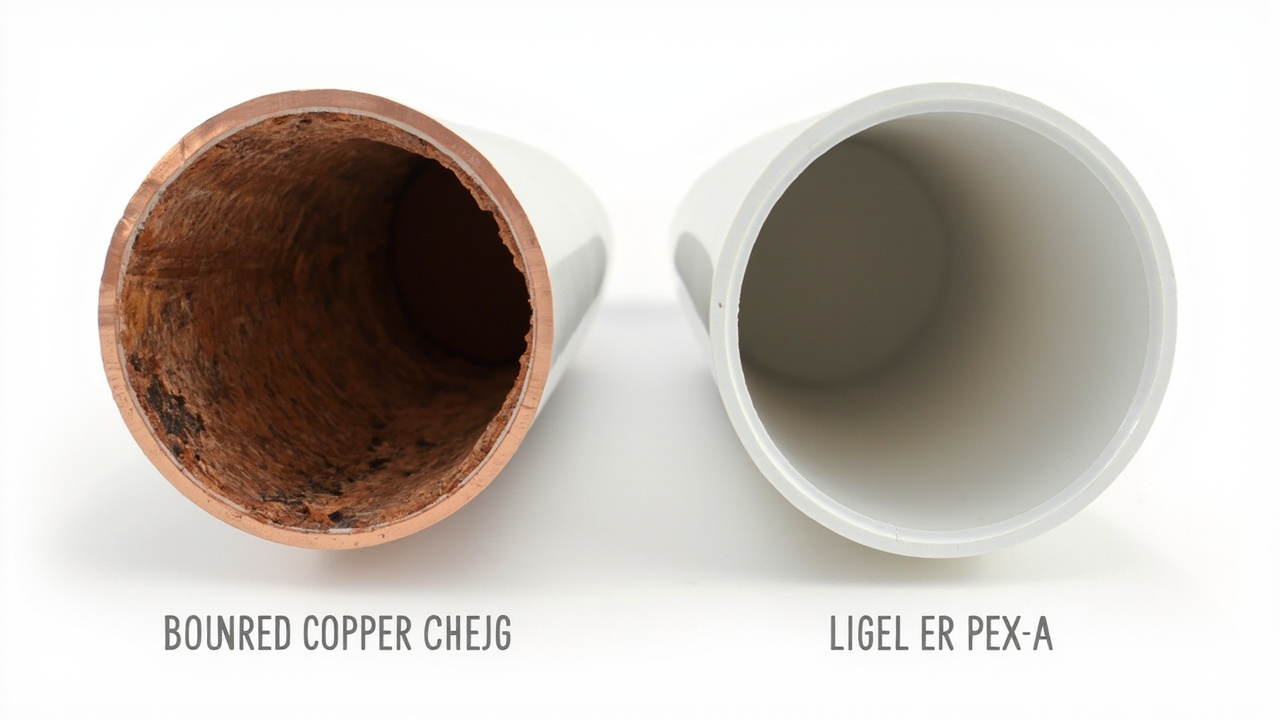
Regular inspections are vital for older homes. A plumber can use thermal imaging cameras to look for cold spots behind walls. These spots often indicate a small leak that has not yet soaked through the drywall. Catching a leak early saves thousands in restoration costs. You might also consider upgrading other parts of your system. Many families are looking into why Gilbert homeowners are choosing tankless water heater upgrades this year because these units often include advanced scale prevention that benefits the rest of the plumbing.
- Install a water softener to reduce mineral abrasion.
- Check your attic for signs of moisture or verdigris.
- Monitor your monthly water bill for unexplained increases.
- Replace old metal pipe hangers with plastic versions.
- Ensure your electrical system is properly grounded to prevent electrolysis.
The Long Term Solution for North Central Phoenix Homeowners
If your home was built between the 1960s and 1990s, your copper pipes are likely at the end of their functional life. Patching one leak usually leads to another leak a few months later. This is known as the domino effect. Once the pipe wall has thinned throughout the house, the entire system is a ticking clock. A full repipe is the only way to gain peace of mind. Using PEX-A with a manifold system allows for better water distribution and eliminates the need for many of the joints where leaks often start.
We also recommend checking your sewer lines during any major plumbing overhaul. Older homes in this area often have root intrusions from large trees in the North Central district. We offer services like clearing stubborn main line blockages with hydro jetting in Mesa and Phoenix to ensure your entire drainage system is as healthy as your supply lines. Modern plumbing is about more than just fixing a leak. It is about creating a system that can handle the harsh desert conditions for the next fifty years.
When we handle a project in North Central Phoenix, we follow the Uniform Plumbing Code to ensure every repair meets the highest safety standards. We treat every home with the respect it deserves, especially the historic properties that make our city unique. If you see signs of copper failure, do not wait for a flood. Professional leak detection and a clear plan for replacement will save your home and your budget.
If you notice dampness or the smell of mold in your home, contact a professional immediately. We can assess the condition of your copper pipes and provide a detailed report on the best path forward. Whether you need a localized repair or a full system upgrade, we bring 15 years of local experience to every job in the Valley.