
Adding an Accessory Dwelling Unit or guest house to your property in the Deer Valley area of North Phoenix is a smart move in 2026. Whether your property is near the Deer Valley Airport or tucked into the foothills near Happy Valley Road, these structures increase property value and provide essential living space. Modern Phoenix zoning laws have changed recently to make these builds more accessible, but the plumbing requirements remain some of the most technical aspects of the project. You must follow the current Phoenix Building Supplement and the International Plumbing Code to ensure your new casita is legal and functional.
Understanding Phoenix Zoning for Guest Houses in 2026
Before you dig a single trench near 19th Avenue, you must understand the current classification of your guest house. Phoenix defines these as Accessory Dwelling Units or ADUs. In 2026, the city has streamlined the approval process for homeowners who want to build secondary structures. The plumbing must meet specific criteria regarding how waste leaves the property and how water enters the unit. You cannot simply run a garden hose or a temporary drain. Every guest house requires a permanent, code-compliant connection to the municipal water and sewer systems. This often involves a detailed site plan that shows the proximity of the new structure to the existing main house and the utility easements on your property.
When you plan your project, you must account for the total fixture count on your property. This includes every sink, toilet, shower, and outdoor hose bib. The City of Phoenix Planning and Development Department requires a plumbing permit that proves your existing water meter and sewer lateral can handle the increased load. If your main house already has multiple bathrooms, adding a full kitchen and bath in a casita might require a larger water meter. Failing to calculate this correctly leads to poor water pressure and frequent clogs. In some cases, if you experience a sudden drop in pressure during construction, you might need to look for an emergency plumber in the area to diagnose if the existing supply lines were compromised during the tie-in process.
Sewer Connection Strategies for North Phoenix Casitas
One of the biggest decisions you will face is how to handle sewage. You generally have two choices. You can either tie the casita drain into the existing main sewer line of your primary home or run a completely new sewer lateral to the city main in the street. Tying into the existing line is usually cheaper but requires that your current line is in excellent condition. If your primary home in Deer Valley was built several decades ago, your sewer line might be made of older materials that cannot handle the extra flow. We often recommend a camera inspection of the main line before you start. If we find heavy scale or root intrusion, you might need to clear the lines using professional hydro jetting services before the new casita is connected.
If the casita is located at a lower elevation than the main house or the street, a simple gravity drain will not work. In these North Phoenix desert lots where the terrain shifts, you might need a sewage ejector pump. This system collects waste in a sealed basin and pumps it uphill to the main sewer line. While effective, these pumps require additional electrical permits and regular maintenance. Most homeowners prefer gravity-fed systems because they are simpler and last longer. Achieving the correct slope of one quarter inch per foot is essential for preventing backups. If the ground under your new casita is unstable, you run the risk of future pipe shifts. Understanding how to handle a leak under the foundation is a common concern for Phoenix residents, and proper soil compaction during the casita build is the best way to prevent this.
Comparison of Sewer Connection Methods
| Feature | Tie-in to Existing Line | New Street Lateral |
|---|---|---|
| Average Cost | Lower | Higher |
| Permit Complexity | Moderate | High |
| Excavation Needed | Minimal to Moderate | Extensive (to street) |
| Future Maintenance | Dependent on old pipe | Brand new system |
Trenching through Deer Valley Caliche Soil
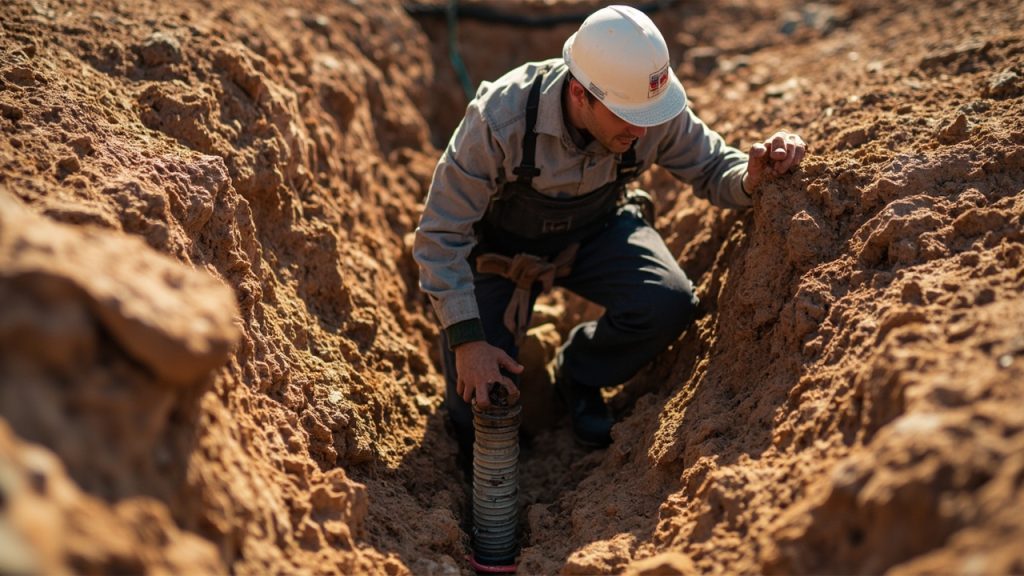
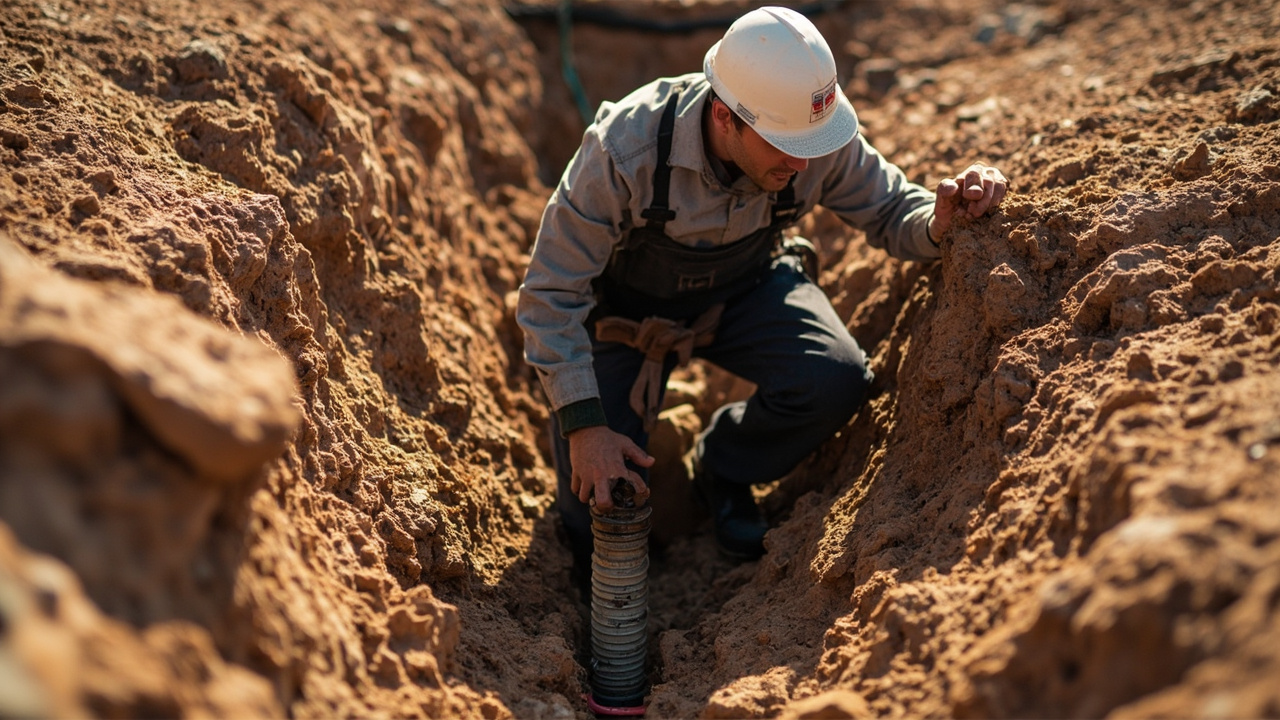
The geography of Deer Valley presents a unique challenge for plumbing installations. The soil here is often packed with caliche. Caliche is a layer of soil where the particles have been cemented together by calcium carbonate. It is essentially natural concrete. When we dig trenches for your new water and sewer lines, standard shovels or small excavators often fail. We frequently use heavy-duty jackhammers or backhoes with rock teeth to cut through this layer. This increases the labor time and cost for any guest house project in North Phoenix. You must ensure your plumber accounts for these soil conditions in their initial estimate.
The depth of the trenches is also regulated. Water lines must be deep enough to stay cool during the extreme heat of a Phoenix summer. While we do not worry about deep freezes like other parts of the country, buried pipes that are too shallow will deliver hot water even when you turn on the cold tap. For sewer lines, the depth is determined by the necessary slope to the main connection point. We must also install tracer wire with any non-metallic pipes so that future owners can locate the lines with a metal detector. This is a standard requirement under the International Association of Plumbing and Mechanical Officials standards followed in 2026.
Water Supply and Pressure Management
Your guest house needs a reliable supply of fresh water. Most Deer Valley properties receive water from the city at a specific pressure. When you add a second dwelling, that pressure is divided. If you have a casita with a high-end shower head and a dishwasher, you might notice a drop in performance in your main house. We calculate the total Water Supply Fixture Units to determine if your existing service line is adequate. In many 2026 builds, we install a separate shut-off valve for the casita so you can perform repairs on the guest house without turning off water to the entire property.
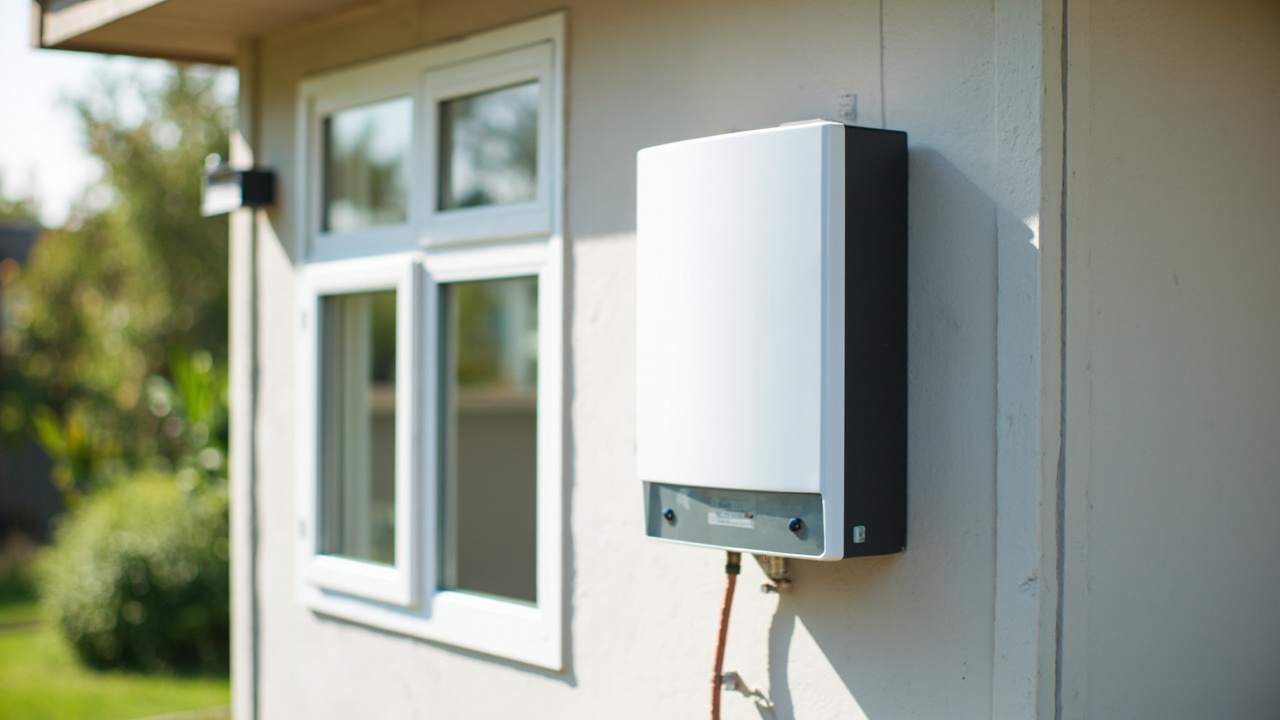
Water quality is another factor. Phoenix water is notoriously hard. High mineral content can destroy the fixtures in your new casita in just a few years. Installing a dedicated system for the guest house or upgrading your main home system is a wise investment. Many residents are opting for modern water softener installations to protect their new appliances and plumbing lines. This is especially important for the water heater in your casita. Because space is often limited in a guest house, tankless water heaters are the preferred choice for North Phoenix ADUs. They provide endless hot water and take up very little wall space compared to traditional tanks.
Permits and Inspections Checklist
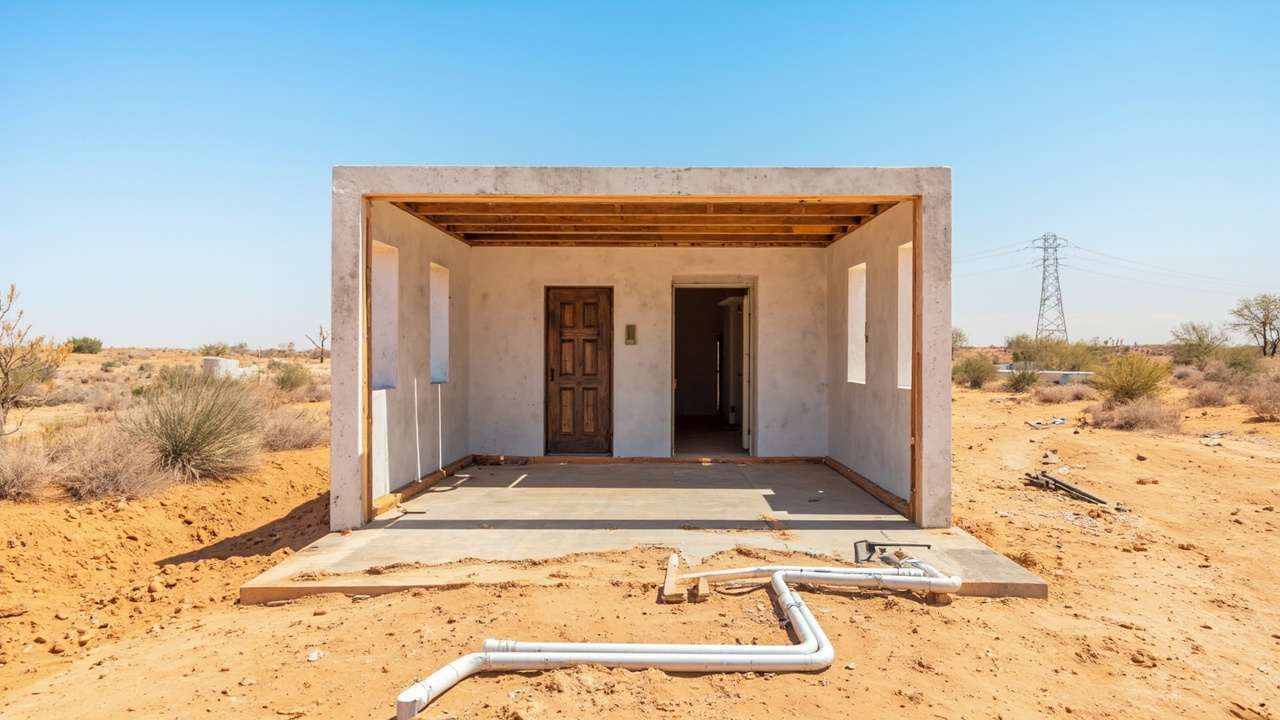
Managing the paperwork is just as important as the physical labor. The City of Phoenix requires several inspections during the plumbing phase of a casita build. You cannot cover your pipes with dirt or drywall until a city official has verified the work meets the 2026 safety standards. This process ensures that there are no leaks and that the venting system is properly installed to prevent sewer gases from entering the living space.
- Plumbing Rough-in Inspection: This happens once all the pipes are in the ground or inside the wall studs but before they are covered.
- Sewer Line Inspection: The inspector verifies the slope and the quality of the connections to the main line.
- Water Service Inspection: Verification of the burial depth and the type of materials used for the supply line.
- Top-out Inspection: Checking the vent pipes that exit through the roof.
- Final Inspection: The final check of all fixtures, including toilets, sinks, and water heaters, to ensure they are operational and leak-free.
Typical Timeline for Casita Plumbing Phases
| Phase | Work Performed | Estimated Duration |
|---|---|---|
| Site Preparation | Marking utility lines and clearing the area | 1 to 2 days |
| Trenching | Cutting through caliche and soil | 2 to 4 days |
| Rough-in | Installing main drain and supply lines | 3 to 5 days |
| Inspection | City of Phoenix official review | 1 to 3 days |
| Finish Work | Setting toilets, sinks, and faucets | 2 days |
Venting and Air Quality in Small Spaces
Proper venting is critical in a small casita. Because these units are often compact, a failure in the venting system becomes noticeable very quickly. Every drain needs an associated vent pipe that allows air into the system. This air prevents a vacuum from forming, which would otherwise suck the water out of your P-traps. If a P-trap goes dry, sewer odors will flood the guest house. In the 2026 code, specific requirements for vent sizing are based on the distance from the fixture to the main vent stack. We often use AAVs or Air Admittance Valves in kitchen islands where traditional venting is difficult, but these must be accessible for future maintenance.
We also pay close attention to the placement of the vent stacks on the roof. They must be a certain distance away from windows and air intakes. In the North Phoenix heat, the seals around these roof penetrations must be high-quality to prevent leaks during our monsoon season. We use heavy-duty flashing and UV-resistant materials that can withstand the intense Arizona sun. This prevents the need for roof repairs just a few years after your guest house is completed.
Choosing the Right Materials for Arizona Conditions
In 2026, the materials we choose for Deer Valley plumbing are dictated by both code and the local environment. For water supply lines, PEX (cross-linked polyethylene) is the industry standard. It is flexible, resistant to the minerals in Phoenix water, and handles the expansion and contraction caused by our temperature swings better than rigid copper. However, the section of the pipe that transitions from underground to the casita must be protected from direct sunlight. UV rays will degrade PEX quickly, so we use copper or sleeved pipes for any exposed sections.
For waste lines, ABS or PVC remains the go-to choice. These materials are durable and smooth, which helps prevent clogs. In Deer Valley, we must ensure that the glue used for these joints is rated for high-temperature applications. If the pipes are sitting in the sun on a 115-degree day before being installed, the material can become brittle. A professional team knows how to stage these materials to keep them in peak condition until they are buried in the cool earth. We also prioritize high-quality shut-off valves at every fixture. Inexpensive plastic valves often fail after a few years of exposure to hard water, so we use stainless steel or brass quarter-turn valves for better longevity.
Finalizing Your Deer Valley Guest House Project
Building a casita in the Deer Valley area requires a balance of technical skill and local knowledge. From fighting the caliche soil near the Loop 101 to ensuring your sewer tie-in meets the latest 2026 Phoenix city codes, every step requires precision. You want a guest house that provides comfort for your visitors and adds lasting value to your property without the headache of constant plumbing repairs or code violations. By focusing on quality materials and proper permit procedures, you ensure your new living space is a success for years to come. If you are ready to start the plumbing phase of your North Phoenix casita, work with a team that understands the specific challenges of our desert environment and local regulations.