
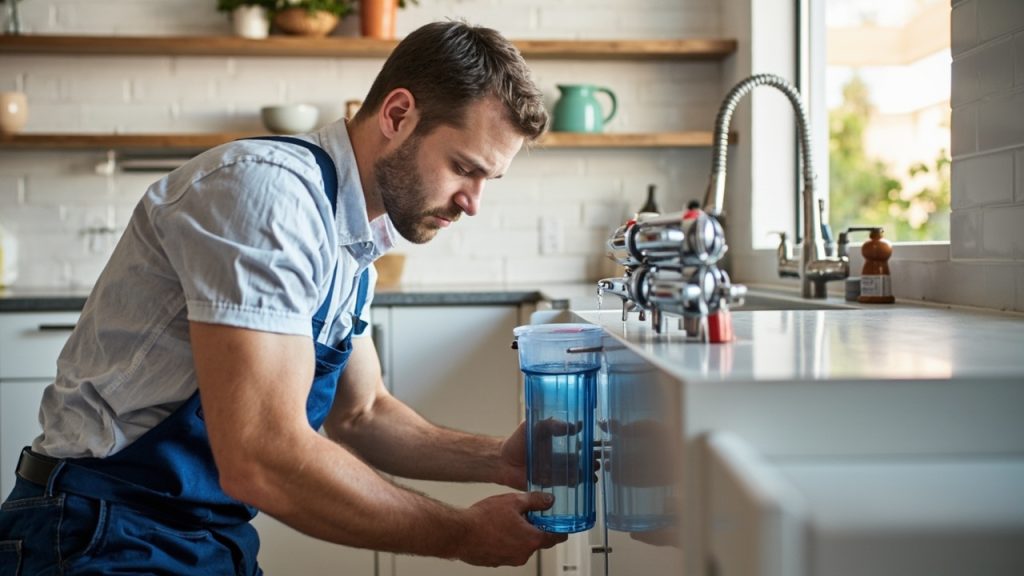
Phoenix residents know the struggle of drinking water that tastes like a swimming pool or a mineral deposit. Living in the Sonoran Desert means our water comes from complex sources like the Salt River Project and the Central Arizona Project. These sources carry a heavy load of minerals and treatment chemicals by the time they reach your kitchen sink. Installing a reverse osmosis system for cleaner Phoenix drinking water is the most effective way to handle the high levels of total dissolved solids found in our local supply. As a plumber with over fifteen years of experience in the Valley, I have seen how these systems transform the quality of life for families from Ahwatukee to North Mountain. Our water in 2026 requires more than a simple pitcher filter to be truly clean.
The municipal water in Maricopa County is safe but often unpleasant. You might notice white crusty buildup on your faucets or a bitter taste in your morning coffee. These are signs of hard water and high mineral content. A reverse osmosis unit acts as a final barrier, stripping out the contaminants that standard carbon filters miss. This process uses a semi-permeable membrane to push water through at high pressure, leaving the impurities behind. It is a necessary upgrade for any modern home in the Valley of the Sun.
The Reality of Phoenix Water Quality in 2026
Our local water sources are unique and challenging. We rely on a mix of mountain snowmelt and Colorado River water. Both sources pick up significant amounts of calcium, magnesium, and sodium during their long trip through canals and pipes. By the time this water reaches your home in neighborhoods like Plumbing Arcadia or the Biltmore area, it has a high concentration of total dissolved solids. High TDS levels do not just affect the taste. They can also impact how your food tastes and how long your small appliances last.
Many homeowners ask if they really need an RO system if they already have a water softener. It is important to understand that these two systems do different jobs. A softener removes hardness minerals to protect your plumbing and skin. An RO system removes the remaining salts and chemicals to make the water safe and delicious to drink. For the best results, we often recommend a water softener and filtration systems setup that works together. This approach protects the sensitive RO membrane from premature wear caused by our local hard water.
Comparing Reverse Osmosis Systems for Local Homes
Choosing the right unit depends on your family size and how much water you use daily. Most Phoenix homes benefit from either a 4-stage or 5-stage system. These units include sediment filters to catch the silt from our desert canals and carbon blocks to remove the heavy chlorine used by the city. The primary difference is the level of polishing and the addition of a remineralization stage. Some people prefer adding a small amount of healthy minerals back into the water for a better pH balance and taste.
| System Feature | 4 Stage RO System | 5 Stage RO System | High Efficiency RO |
|---|---|---|---|
| Sediment Pre-filter | Included | Included | Dual Stage |
| Carbon Filtration | Single Block | Dual Blocks | High Capacity |
| Remineralization | No | Optional | Included |
| Waste Water Ratio | 4 to 1 | 3 to 1 | 1 to 1 |
| Daily Production | 50 Gallons | 75 Gallons | 100 Gallons |
The Professional Installation Process
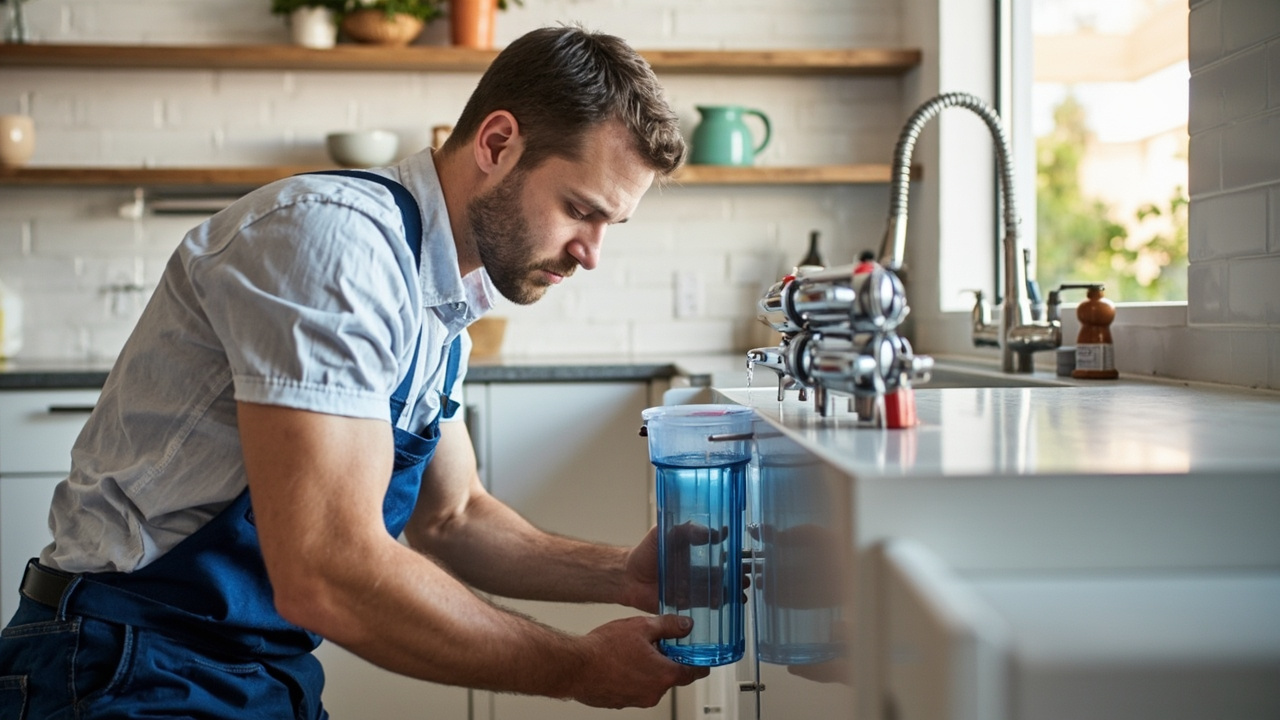
Installing a reverse osmosis system requires precision to ensure no leaks occur under your cabinets. We start by assessing the space under your sink. In many Phoenix homes, the area is tight due to the presence of garbage disposal services and existing plumbing. The process begins with installing a dedicated faucet on your countertop. This requires a professional drill bit if you have granite or quartz counters. We then mount the filter manifold to the side of the cabinet to keep things organized.
The next step is connecting the system to your cold water supply line. We use a specialized adapter that ensures a secure fit without restricting flow to your main faucet. We also install a drain saddle on your sink tailpiece. This is where the concentrated brine water goes during the filtration process. If you notice gurgling toilet sounds or strange noises from your sink after an amateur install, it usually means the drain line was not positioned correctly. A professional install avoids these common headaches.
Pressure tank placement is the final physical step. This tank stores the purified water so it is ready whenever you turn on the tap. In some cases, we can even run a line from your RO system to your refrigerator. This gives you crystal clear ice cubes and chilled water that doesn’t have the typical Phoenix white flakes. This is a popular request for clients in Plumbing Scottsdale who want the best possible experience for their guests.
Understanding TDS Levels Across the Valley
Total dissolved solids are measured in parts per million. In many parts of the country, a reading of 200 is considered high. In Phoenix, we frequently see readings between 600 and 1000. These levels fluctuate depending on whether the city is pulling more water from the Salt River or the Colorado River. Areas further west, such as those served by Plumbing Buckeye, often deal with even higher mineral counts due to groundwater blending.
| Phoenix Metro Area | Typical Raw Water TDS | Post RO TDS Goal | Hardness Level |
|---|---|---|---|
| Central Phoenix | 550 to 700 ppm | 25 to 50 ppm | Very Hard |
| North Scottsdale | 450 to 600 ppm | 20 to 45 ppm | Hard |
| East Mesa | 700 to 900 ppm | 35 to 60 ppm | Extremely Hard |
| West Valley | 800 to 1100 ppm | 40 to 70 ppm | Extremely Hard |
Benefits of Reverse Osmosis for Desert Living
Staying hydrated is a health requirement when temperatures regularly exceed 110 degrees. If your water tastes bad, you are less likely to drink enough of it. A reverse osmosis system removes the sulfur smell and metallic tang that many residents complain about. It also removes contaminants like arsenic and chromium 6, which are occasionally found in desert groundwater. You can learn more about national standards at the Environmental Protection Agency website.
Beyond health, there is a financial benefit. Many families spend hundreds of dollars a year on bottled water or delivery services. An RO system pays for itself by providing the same quality right at the tap. You also reduce plastic waste, which is a growing concern for environmentally conscious residents in Plumbing Paradise Valley and beyond. It is a sustainable choice that makes sense for the long term.
Using RO water in your small appliances like coffee makers, steam irons, and humidifiers prevents the sediment buildup in pipes and internal components. This extends the life of your equipment and saves you from frequent replacements. If you have ever seen a white crust inside your kettle, that is what an RO system prevents from entering your body and your appliances.
Maintenance Requirements for Phoenix RO Systems
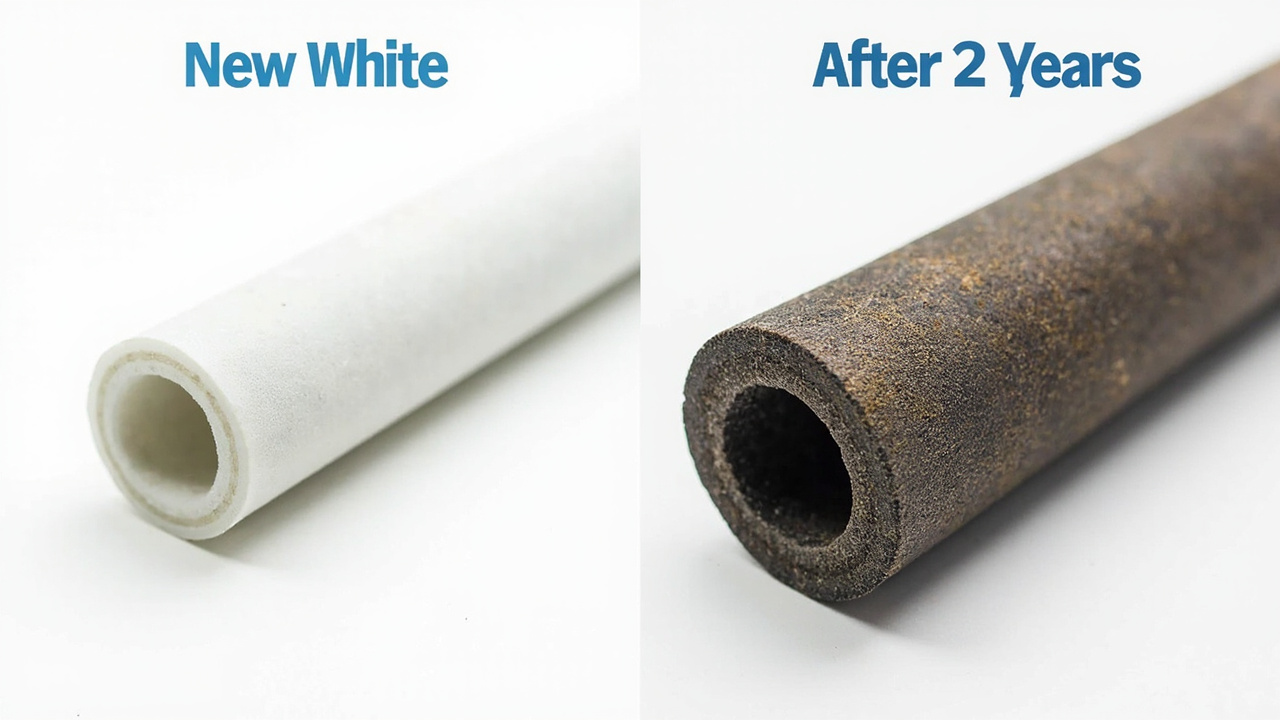
Our harsh water means you cannot ignore maintenance. The pre-filters on your system work hard to protect the expensive RO membrane. In the Phoenix heat, organic material can sometimes grow in the lines if the system sits unused for long periods, like when residents head north for the summer. We recommend a regular schedule to keep your water quality at its peak.
- Change sediment filters every six to twelve months depending on your local water turbidity.
- Replace carbon block filters annually to ensure chlorine does not reach the RO membrane.
- Sanitize the storage tank every year to prevent any bacterial growth in the standing water.
- Test the TDS levels of your output water every six months to monitor membrane health.
- Check all connections for signs of wear or slow drips that could lead to cabinet damage.
If you notice a drop in water production, it might be a sign of low water pressure issues or a clogged membrane. In Phoenix, membranes typically last two to three years. However, if your water is exceptionally hard, you might need a replacement sooner. Keeping a log of your filter changes helps ensure you never drink sub-par water. For those who prefer a hands off approach, we offer maintenance plans that cover everything for you.
Solving Common Installation Challenges
Not every kitchen is ready for an RO system right out of the box. Some older homes in neighborhoods like Plumbing Sun City have vintage plumbing that requires extra care. We often encounter galvanized pipes or cramped spaces that make standard installations difficult. A seasoned plumber knows how to adapt the system without compromising the structural integrity of your cabinets or plumbing lines.
Another challenge is the air gap faucet requirement. Some local codes suggest or require air gap faucets to prevent backflow. These can sometimes produce a gurgling noise that homeowners find annoying. We can discuss various options, including high-flow non-air gap faucets paired with proper backflow prevention and testing to keep your system quiet and compliant. The goal is a system that provides great water without adding extra noise to your home.
We also look at the bigger picture. If your home has frequent leaks or old pipes, you might want to check our Plumbing Repair Cost Guide 2026 to see how an RO system fits into your overall home maintenance budget. It is always better to address any underlying issues like dripping faucets and leaks before adding a new filtration system to the mix.
Expert Water Solutions for the Greater Phoenix Area
Our team serves the entire Valley, providing specialized water quality solutions for every unique neighborhood. Whether you are in Plumbing Glendale or need help with Plumbing Chandler, we understand the specific water challenges your area faces. We don’t believe in a one size fits all approach because the water in Plumbing Peoria is different from the water in Plumbing Mesa.
We offer comprehensive inspections to determine the best system for your needs. We check your incoming pressure, test your raw water TDS, and look for any potential installation hurdles. This ensures that when we finish the job, you have a reliable source of clean water for years to come. Our experience with plumbing inspection checklist protocols means nothing is left to chance.
If you are tired of the taste of Phoenix tap water and want a permanent solution, we are here to help. From simple under-sink units to more complex systems integrated with your whole home, we have the expertise to get the job done right. You can find more information about water quality standards at the Water Quality Association website, which provides resources for consumers looking for certified filtration products.
Clean water is a fundamental part of a healthy home. Do not settle for the metallic, chlorinated water that comes out of the standard tap. Contact us today to discuss your options for a professional reverse osmosis installation. We can help you choose the right system and ensure it is installed correctly for maximum performance and reliability in the unique Phoenix environment. Whether you are in Plumbing Goodyear or Plumbing Fountain Hills, your path to better water starts with a simple phone call.