
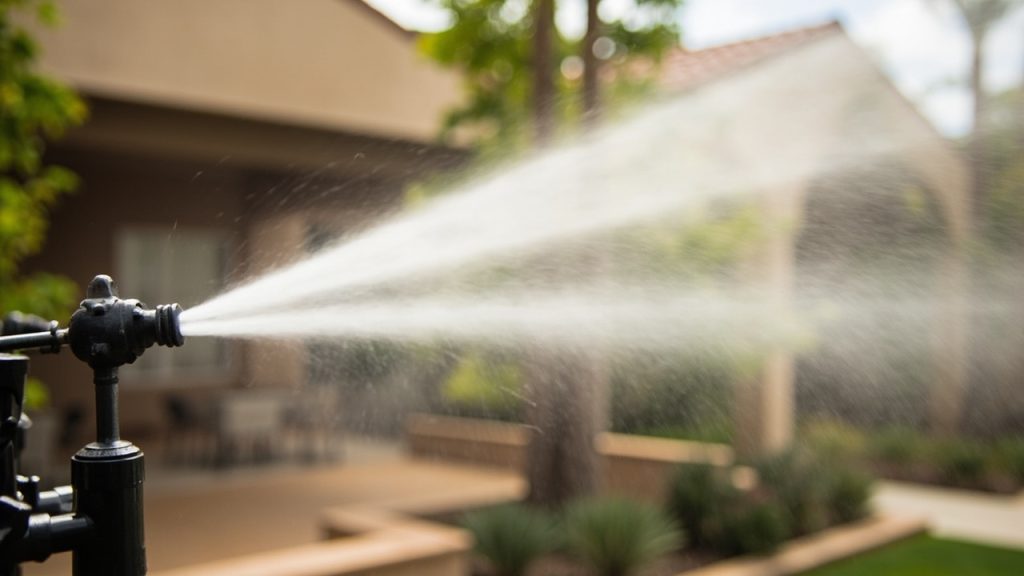
How to Pick the Best Outdoor Misting System for the Hard Water in Kierland
Kierland residents know that summer afternoons near the Commons or Scottsdale Quarter require more than just a ceiling fan. When the temperature hits 115 degrees in Phoenix, an outdoor misting system becomes a necessity for any functional patio. However, the high mineral content in local water supplies often turns these systems into a maintenance nightmare within a single season. Choosing the right setup requires an understanding of how 2026 water quality standards impact high-pressure equipment.
The water flowing through Kierland pipes contains high levels of calcium and magnesium. These minerals are the primary cause of the white crust that forms on your showerheads and faucets. When you run this water through the tiny orifices of a misting nozzle, the heat causes the water to evaporate instantly. This leaves the minerals behind. Over time, these minerals crystallize and block the flow. This creates backpressure that can destroy your pump and cause your lines to leak. If you have experienced a leak near your foundation, you might need help from a professional getting an emergency plumber to your Scottsdale home fast to ensure the water has not compromised your slab.
Why High Pressure Systems are Mandatory for Phoenix Patios
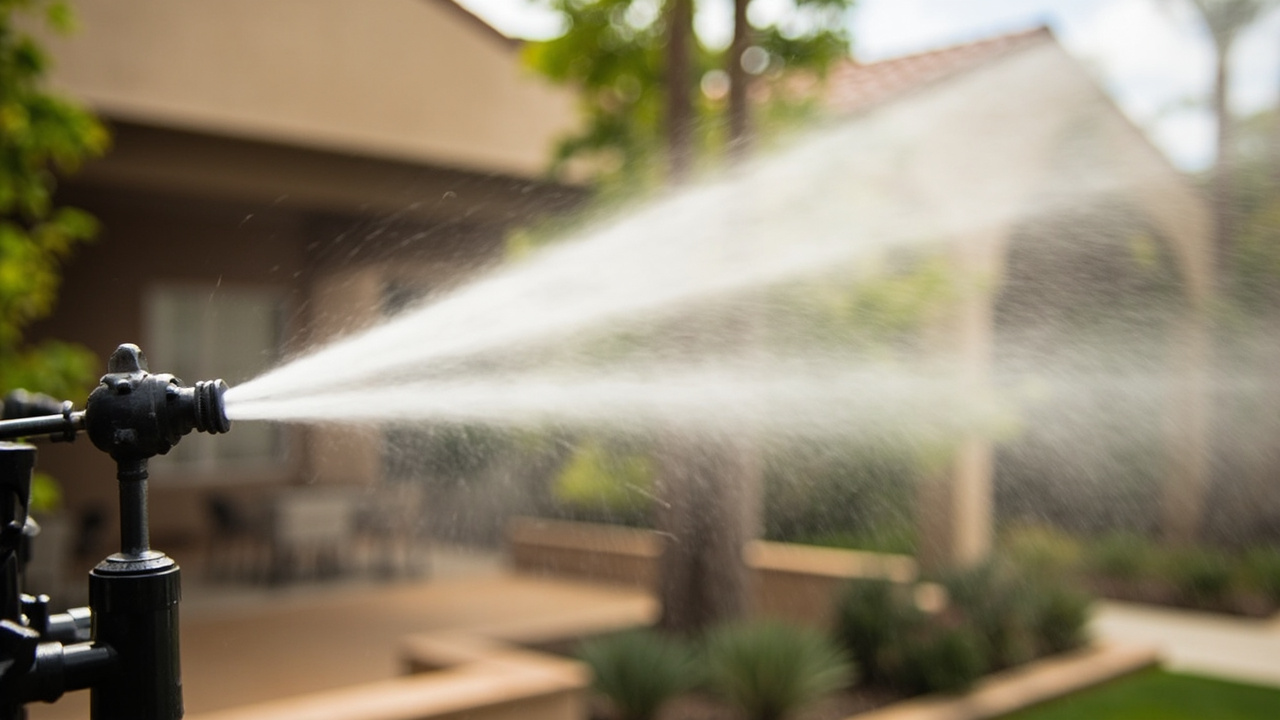
In the current 2026 market, low-pressure misting systems are becoming obsolete for permanent residential installations in Phoenix. Low-pressure systems rely on standard hose pressure, which usually sits between 40 and 60 PSI. These systems produce large water droplets that do not evaporate before hitting the ground. This results in wet furniture and slippery pavers. In the Kierland area, where outdoor aesthetics and safety are priorities, a high-pressure system is the only viable option.
A high-pressure misting pump operates at 1000 PSI. This extreme pressure forces water through a ceramic or ruby-tipped nozzle to create a fine fog. This fog undergoes flash evaporation, which can drop the ambient temperature by as much as 30 degrees without getting your clothes or outdoor kitchen wet. The mechanical stress on these pumps is significant. When hard water scale builds up inside a 1000 PSI pump, the internal seals fail quickly. This is why filtration is the most important part of your purchase decision.
Understanding Total Dissolved Solids in Kierland Water
Total Dissolved Solids or TDS refers to the concentration of dissolved particles in your water. According to recent Phoenix water quality reports, TDS levels in the Valley often exceed 500 parts per million. For a misting system, any reading over 100 parts per million will cause noticeable scaling. Without proper treatment, your misting nozzles will likely clog every two to three weeks during the peak of July.
Many homeowners try to solve this by installing a basic carbon filter. While carbon filters are great for removing chlorine and improving taste, they do nothing to remove the calcium that causes scale. You need specialized filtration designed for mineral management. If you are already dealing with scale issues inside your home, you might consider a professional water softener installation for Chandler hard water or a similar whole-home solution that serves your Kierland property. Softened water significantly extends the life of misting pump seals.
Comparison of Misting System Tiers for 2026
This table outlines the differences between the three main types of misting systems available in the Phoenix metro area today.
| System Feature | Low Pressure (Hose) | Mid Pressure (300 PSI) | High Pressure (1000 PSI) |
|---|---|---|---|
| Cooling Power | 5 to 10 Degrees | 15 to 20 Degrees | 25 to 30 Degrees |
| Droplet Size | Large (Wet) | Medium (Damp) | Micro (Dry) |
| Nozzle Material | Plastic or Brass | Brass and Stainless | Ceramic or Ruby |
| Hard Water Resistance | Very Low | Moderate | High with Filtration |
| Average Pump Life | N/A (No Pump) | 1 to 2 Seasons | 5 to 10 Years |
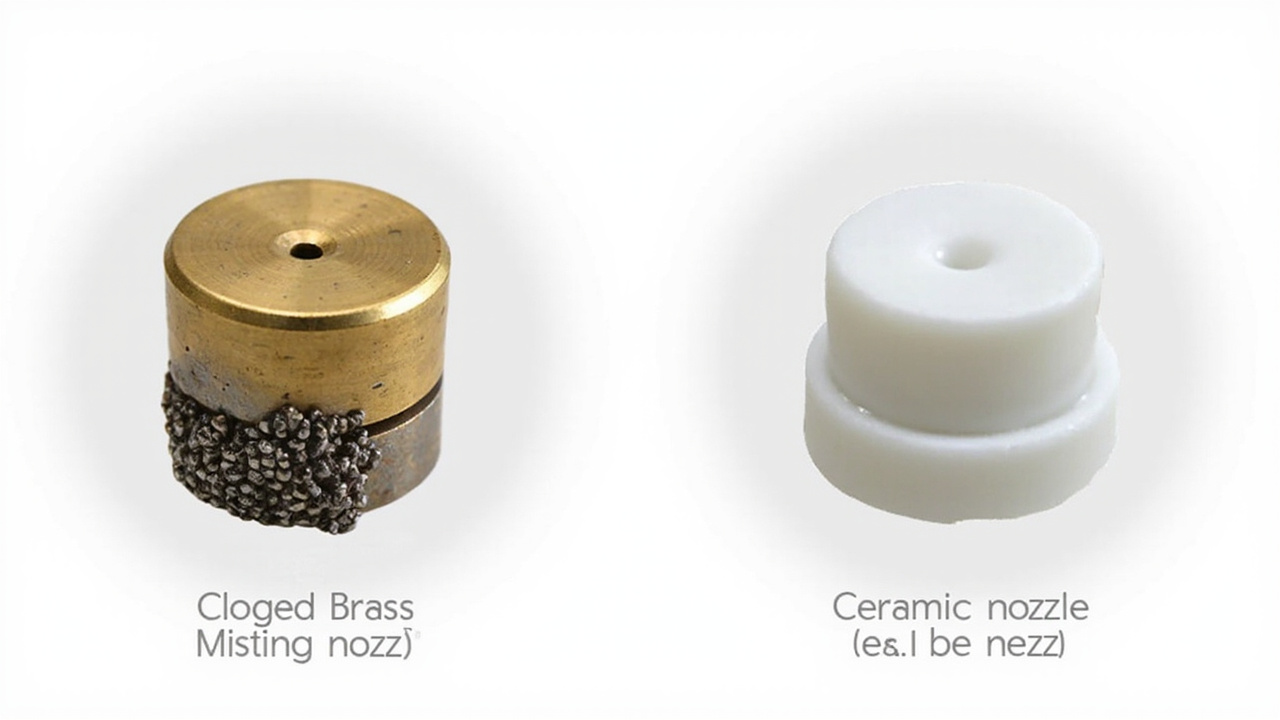
As the table shows, the high-pressure system offers the best cooling and longevity. However, it requires the most sophisticated filtration to keep those ceramic nozzles clear. Ceramic is preferred over brass because it resists the abrasive nature of mineral-heavy water. Even at 1000 PSI, the friction of water moving through a tiny hole will eventually wear down brass, making the hole larger and the mist less effective.
Filtration Options to Combat Mineral Buildup
There are three primary ways to treat water for an outdoor misting system in Kierland. Each has its own benefits and maintenance requirements.
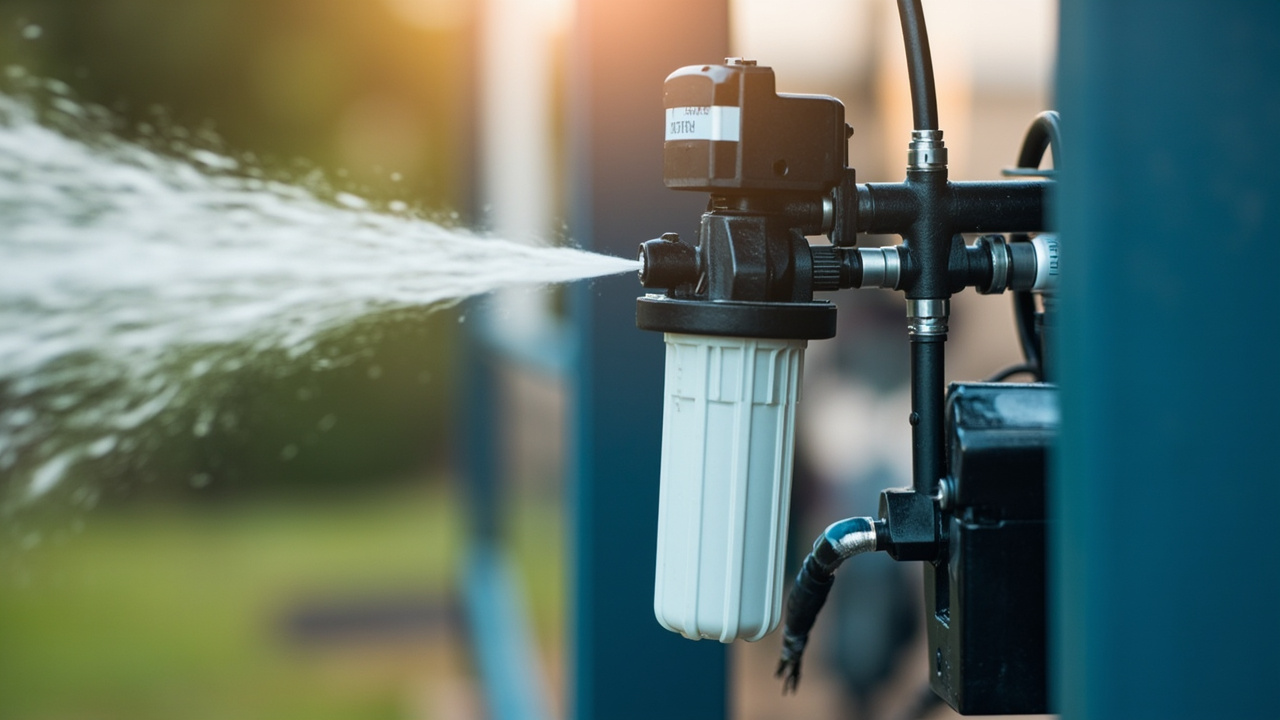
- Polyphosphate Filters. These are inline canisters that slowly release food-grade polyphosphates into the water. This chemical coats the minerals so they cannot stick to the nozzle surfaces. It does not remove the minerals, but it prevents them from forming hard scale.
- Scale Inhibitor Systems. These use magnetic or electronic pulses to change the crystalline structure of the calcium. This is a salt-free approach that works well for medium-hardness areas.
- Reverse Osmosis. This is the gold standard for misting systems in 2026. A dedicated RO system removes 98 percent of all minerals before the water reaches the pump. This ensures the nozzles never clog and the pump internals remain pristine.
If you choose a system without an RO unit, you must be prepared for a regular cleaning schedule. This usually involves soaking the nozzles in a mild acidic solution once a month. Never use a metal pin to poke at a clogged nozzle. This will ruin the spray pattern and could lead to a burst line. If a line does burst and causes water to pool under your home, you may be facing a slab leak in Tempe or Kierland that requires immediate detection and repair.
Pump Maintenance and Performance Standards
In 2026, the best misting pumps are equipped with Totally Enclosed Fan Cooled or TEFC motors. These motors are designed to withstand the intense heat of a Phoenix summer. Cheaper motors often overheat and shut down when the ambient temperature exceeds 110 degrees. You should also look for a pump with an automatic low-water cutoff. If your neighborhood experiences a drop in water pressure and the pump runs dry, the internal pistons will weld themselves together in seconds.
Regular oil changes are also necessary for high-pressure pumps. Most manufacturers recommend changing the pump oil after the first 50 hours of use and then once every season. Use only the synthetic oil specified by the manufacturer. Using standard motor oil will cause the pump to foam and overheat. Proper maintenance ensures that your investment provides relief throughout the monsoon season and into the early autumn heat.
Estimated Maintenance Costs for Kierland Misting Systems
Understanding the ongoing costs of these systems helps you budget for the long term. Costs are based on current 2026 service rates in the Phoenix area.
| Maintenance Task | Frequency | Importance |
|---|---|---|
| Nozzle Descaling | Every 30 Days | High |
| Filter Cartridge Change | Every 6 Months | Critical |
| Pump Oil Replacement | Once Per Season | High |
| Line Pressure Test | Once Per Year | Moderate |
| RO Membrane Replacement | Every 2 Years | Critical (if equipped) |
Neglecting these tasks will lead to more expensive repairs. For instance, if a misting line becomes completely blocked, the pressure can cause the nylon tubing to shatter. While nylon is standard, many Kierland homeowners are opting for stainless steel misting lines in 2026. Stainless steel does not degrade in the UV rays of the Arizona sun and can handle the high pressure with a much lower risk of bursting.
Common Installation Pitfalls in the Kierland Area
One of the biggest mistakes people make is mounting the misting line too low. For the flash evaporation to work properly, the mist needs at least 8 to 10 feet of fall distance. If you mount the nozzles on a low patio header, the water will hit the ground before it evaporates. This creates a wet zone rather than a cooling zone. You should also ensure the nozzles are angled outward at about 45 degrees to create a curtain of cool air around the perimeter of the patio.
Another common issue involves drainage. When you turn off a misting system, the water remaining in the lines will slowly drip out of the lowest nozzles. Over time, this can cause staining on your pavers or decorative concrete. A professional installation includes an anti-drip valve and an auto-drain solenoid. These components purge the water from the lines the moment the pump stops, preventing unsightly mineral stains on your outdoor surfaces.
If you are also upgrading your indoor plumbing, such as considering tankless water heater upgrades, it is a good time to have a dedicated water line run for your misting system. Having a dedicated line with an independent shut-off valve makes maintenance much easier and prevents the misting system from drawing pressure away from your indoor fixtures.
Protecting Your Misting System During Monsoon Season
Monsoons in Phoenix bring high winds and heavy dust. This dust can settle on the moist nozzles and create a thick mud that hardens into a plug. In 2026, many high-end systems now include a weather sensor that automatically shuts down the pump when high winds are detected. If your system does not have this feature, you should turn it off manually when a storm is approaching. After a dust storm, it is a good practice to wipe down the nozzle heads with a damp cloth to prevent the dirt from being sucked into the orifice during the next use.
If you notice that your misting system pressure has dropped suddenly, check for leaks along the line. Desert rodents sometimes chew on nylon misting lines looking for water. If the lines are clear but the pressure is still low, the intake filter may be clogged with sediment stirred up by local construction. For serious clogs in your main water lines caused by similar sediment, you might need hydro jetting in Mesa or Phoenix to clear the path. A clean water supply is the foundation of a functional misting system.
Final Considerations for Choosing Your System
When selecting a company to install your system in Kierland, check their experience with high-pressure hydraulics. A misting system is more than just a series of nozzles. It is a high-performance cooling machine that operates under extreme conditions. Ask about the specific TDS rating of your water and what filtration they recommend to address it. A generic filter from a big-box store will not suffice for the hard water levels we see in the 2026 Phoenix climate.
Look for components that meet IAPMO standards to ensure they can handle the pressure and environmental stress of the Arizona desert. By investing in a high-pressure pump, ceramic nozzles, and a robust filtration system, you can enjoy a comfortable outdoor space even during the hottest Kierland afternoons. Proper planning and professional installation will ensure your patio remains a cool retreat for years to come.
How often should I change my misting filter in Phoenix?
In the Kierland area, you should change your misting filter at the beginning of the season in April and again in July. If you run your system for more than four hours a day, you may need to change it more frequently. A clogged filter will starve the pump of water, causing it to overheat and fail prematurely.
Can I use a water softener for my misting system?
Yes, using softened water is highly recommended for misting systems in Phoenix. Softened water replaces calcium and magnesium with sodium, which does not form the same hard scale. However, you still need a particulate filter to prevent any salt beads or sediment from reaching the high-pressure pump.
Is a DIY misting kit worth it?
DIY kits are usually low-pressure systems. While they are inexpensive, they are often ineffective in the Phoenix heat and tend to clog within a few weeks. For a long-term solution that actually cools the air without getting everything wet, a professionally installed high-pressure system is the better investment.