
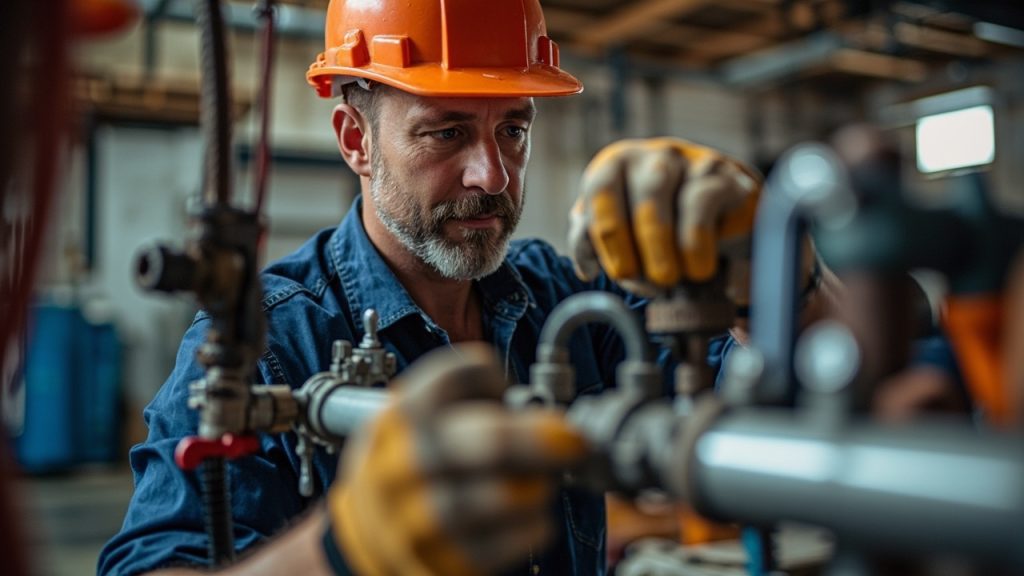
Living in Mountain Park Ranch offers beautiful views of the South Mountain Preserve but the summer heat presents a unique plumbing challenge. You turn on the cold water tap in July or August and expect a refreshing stream. Instead you get water that feels like it came from a hot water heater. This happens in homes across Phoenix and the Ahwatukee area every year. Many homeowners think their plumbing is broken or that their water heater is leaking into the cold lines. The truth involves the physics of the Sonoran Desert and the way builders constructed homes in Maricopa County.
During the 2026 summer season we have seen record breaking ground temperatures. When the sun beats down on the desert floor for months the heat penetrates deep into the earth. This heat transfer affects every pipe buried in your yard and under your home. Understanding why this happens is the first step toward finding a solution that provides true relief from the heat.
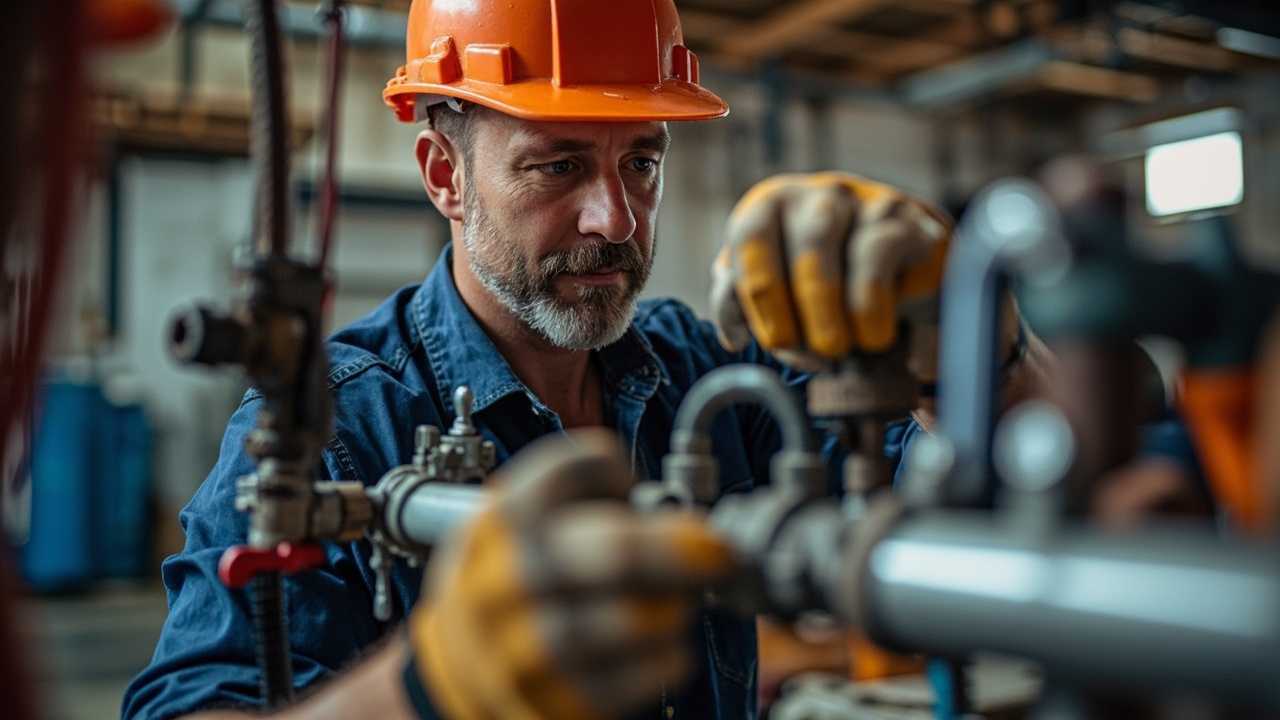
Why Cold Water Feels Hot in Mountain Park Ranch
The water traveling to your home in Mountain Park Ranch comes from municipal sources managed by the Salt River Project or the Central Arizona Project. These organizations move water through a series of canals and massive underground pipes. By the time that water reaches your neighborhood it has already absorbed a significant amount of thermal energy. The Phoenix water infrastructure is vast and much of it sits just a few feet below the surface of the hot asphalt and dry soil.
Your service line is the pipe that connects the city water main to your home. In most Phoenix suburbs these lines are buried about 18 to 24 inches deep. While that depth protects pipes from freezing in other climates it does little to keep water cool in a Phoenix summer. The soil at that depth can reach temperatures over 90 degrees Fahrenheit by mid summer. When water sits in these pipes between uses it quickly matches the temperature of the surrounding earth.
If you live near the foothills of South Mountain you also deal with caliche soil. This hard packed calcium carbonate layer acts like a heat sink. It retains thermal energy long after the sun goes down. This means your water lines never have a chance to cool off even during the overnight hours in July and August. You can find more information about local water sources and infrastructure on the City of Phoenix Water Services website.
The Influence of Sonoran Desert Soil on Water Lines
Soil thermal conductivity plays a massive role in your tap water temperature. Some materials transfer heat faster than others. The sandy and rocky soil found in Mountain Park Ranch is efficient at moving heat from the surface down to your plumbing. We have gathered data on how deep heat travels into the ground during a typical 2026 Phoenix summer.
| Soil Depth in Inches | Average Temperature Fahrenheit | Water Temperature Impact |
|---|---|---|
| 6 Inches | 115 Degrees | Immediate heating of irrigation lines |
| 12 Inches | 105 Degrees | Rapid heating of shallow service lines |
| 24 Inches | 95 Degrees | Consistent lukewarm water in main lines |
| 36 Inches | 88 Degrees | Gradual temperature increase over time |
Most residential building codes do not require pipes to be buried deep enough to escape this heat soak. Deepening your main water line is a massive undertaking that involves trenching through hard desert rock. For most homeowners this is not a practical solution. Instead we look at how the water behaves once it enters your property lines and your home foundation.
How Your Home Foundation Affects Water Temperature
Mountain Park Ranch homes typically feature slab on grade foundations. This means your home sits on a thick piece of concrete poured directly on the ground. In the Phoenix area these slabs act as massive thermal batteries. Throughout the summer the concrete absorbs heat from the surrounding soil and the edges exposed to the sun. Since many cold water lines run directly under or through this concrete they stay warm around the clock.
If you suspect a different issue like a pipe failure under your home you might need to investigate the best way to handle a slab leak in Tempe and the surrounding areas. A slab leak can sometimes cross contaminate temperatures if a hot line is leaking near a cold line. However in most cases the heat you feel is simply the slab radiating energy into your plumbing system. The concrete can hold onto 90 degree temperatures well into the autumn months.
The Problem with Attic Pipe Runs
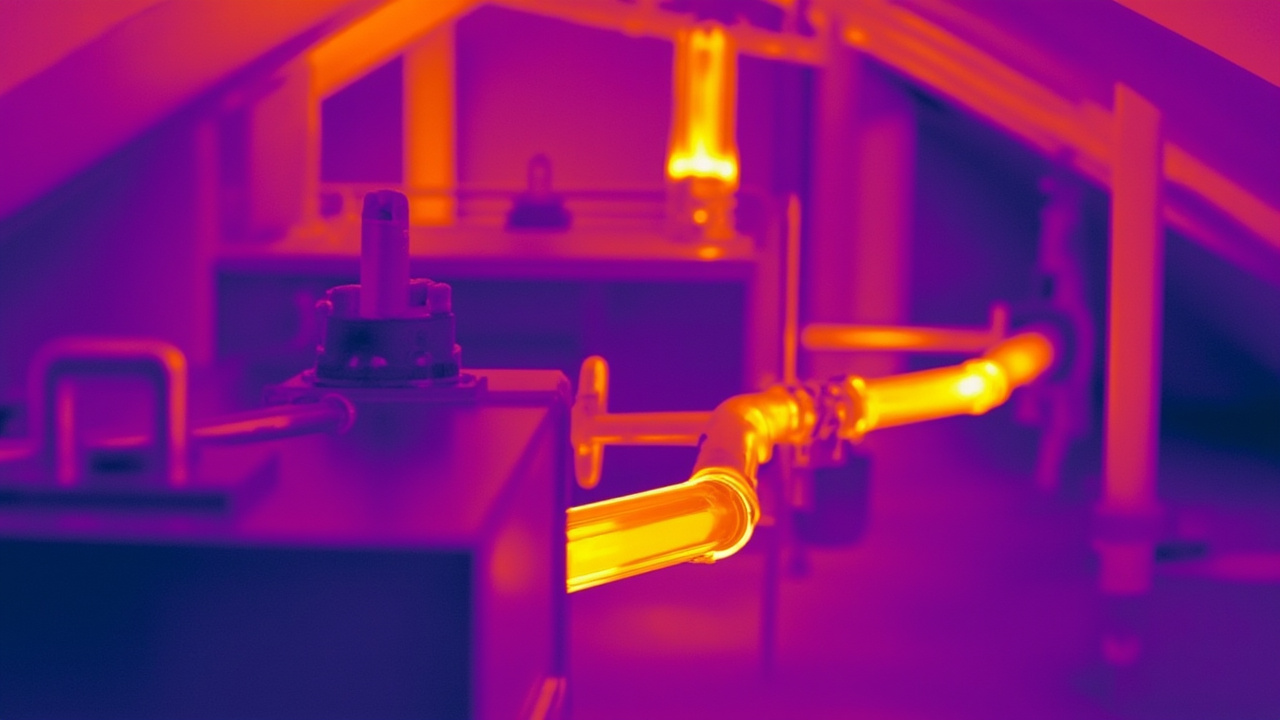
Some homes in the Ahwatukee area have water lines that transition from the slab up into the attic space. This is a common design in older homes and during certain renovation phases. If your pipes run through the attic you are dealing with extreme temperatures. A Phoenix attic in 2026 can easily reach 150 degrees Fahrenheit. If your cold water lines sit in that environment for even twenty minutes the water inside will become scalding.
Insulating these pipes with foam sleeves helps slightly but it cannot stop the laws of thermodynamics. Eventually the heat will penetrate the insulation and warm the standing water. This is why you might notice the water starts out hot then gets slightly cooler then gets hot again as you run the tap. You are feeling the water that was sitting in different parts of your home plumbing system.
Mechanical Solutions for Cold Water in 2026
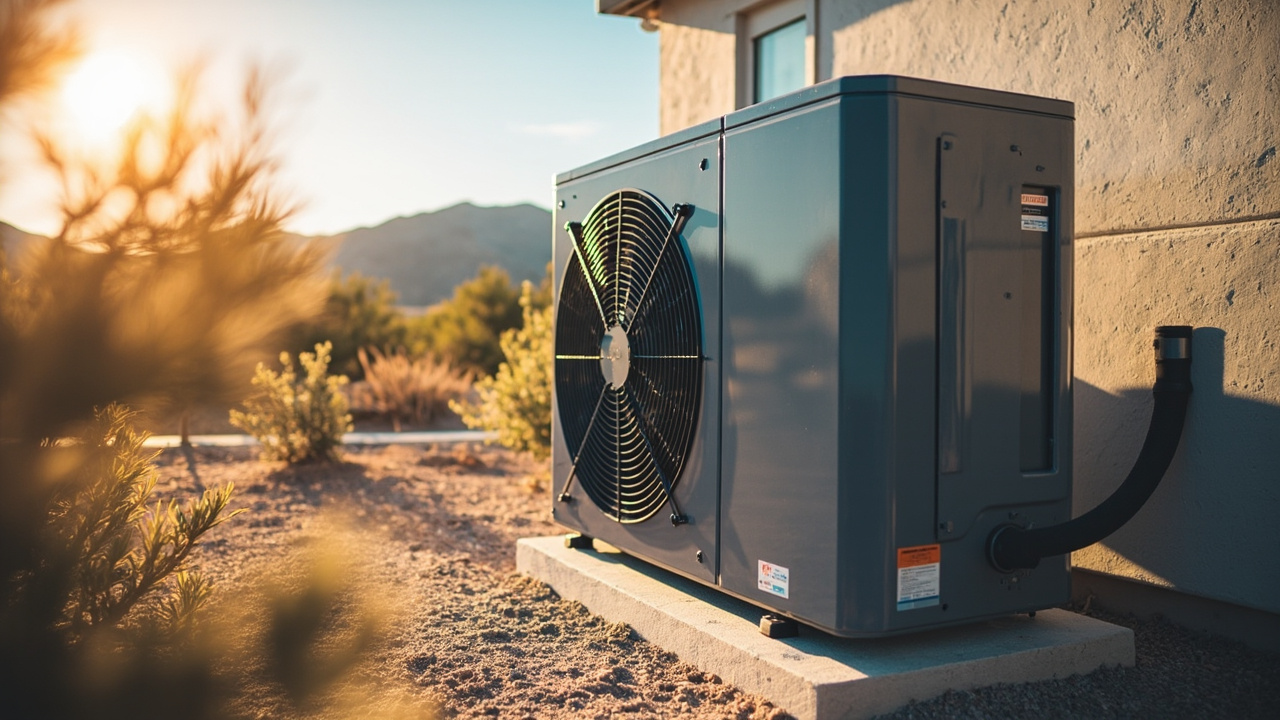
Since the earth and the attic are working against you the only way to get truly cold water is through mechanical intervention. In 2026 we have several technologies that can solve this problem for your entire household or just specific taps. These systems work similarly to how an air conditioner cools your home but they apply that cooling power directly to your water supply.
Whole Home Water Chillers
A whole home water chiller is the most effective solution for Phoenix residents. This unit is typically installed outside your home near your water main or inside a garage. It uses a refrigeration cycle to drop the temperature of all incoming water to a set point such as 65 or 70 degrees. This ensures that every faucet in your home provides refreshing water for drinking and bathing.
These units are particularly popular for homeowners who are already investing in other water quality upgrades. If you are considering professional water softener installation for Chandler hard water or Mountain Park Ranch water you can often integrate a chiller into the same equipment pad. This creates a complete water treatment station that addresses both temperature and mineral content.
Point of Use Undersink Chillers
If you only care about cold water for drinking and cooking a point of use chiller is a more affordable alternative. We install these compact units directly under your kitchen sink. They connect to a dedicated cold water dispenser or your main kitchen faucet. These chillers can provide a steady stream of 50 degree water regardless of how hot it is outside. This eliminates the need for plastic water bottles or waiting for a refrigerator dispenser to catch up with a thirsty family.
| Solution Type | Typical Temperature Output | Installation Complexity | Best For |
|---|---|---|---|
| Whole Home Chiller | 65 to 72 Degrees | High (Requires plumbing and electrical) | Showers, laundry, and all taps |
| Point of Use Chiller | 45 to 55 Degrees | Moderate (Under sink installation) | Drinking water and cooking |
| Pipe Insulation | Ambient Soil Temp | Low (DIY friendly) | Slightly slowing the heat gain |
| Recirculation Pump | Varies | Moderate | Reducing wait time for cooled water |
Evaluating Thermal Insulation for Arizona Pipes
Pipe insulation is often misunderstood in the desert. In cold climates insulation keeps pipes from freezing by trapping heat. In Phoenix insulation is intended to keep heat out. While it is helpful for pipes in your attic it does not produce cold water. It simply buys you a few more minutes before the water inside the pipe reaches the temperature of the attic or garage.
For the best results you should use high quality polyethylene or rubber foam insulation with a high R value. Focus on the sections of pipe that are most exposed to heat. This includes pipes near the exterior walls of your garage and any lines running through the attic. If you are already looking into tankless water heater upgrades you should ask about insulating the associated lines to improve overall system efficiency.
- Seal gaps where pipes enter the home to prevent hot air from following the lines.
- Use UV resistant pipe wrap for any plumbing that is exposed to direct sunlight outside.
- Consider burying exterior lines deeper if you are doing a major landscaping project.
- Check your water pressure regulator as high pressure can sometimes increase the perceived temperature issues.
Myths About Running the Tap to Get Cold Water
A common piece of advice is to just let the water run until it gets cold. In a standard climate this works because you are flushing out the water that was sitting in the pipes inside the house and bringing in cool water from the deep underground city mains. In Phoenix during the peak of summer this logic fails. The city mains are often just as warm as your internal plumbing. You might end up wasting hundreds of gallons of water only to find that the temperature never drops below 85 degrees.
Another myth is that your water heater is the primary culprit. While a malfunctioning check valve or a crossover in a shower valve can cause hot water to leak into the cold side this is rarely the cause of warm water at every tap. If you only experience the problem at one specific faucet you might have a localized plumbing issue. If the problem is everywhere it is likely a thermal mass issue with your home and the local soil. For residents dealing with major drainage or line issues clearing main line blockages with hydro jetting can help ensure your system is flowing correctly even if it does not change the temperature.
Professional Upgrades for Year Round Cold Water Access
If you are tired of lukewarm showers and warm drinking water it is time to consider a professional solution. Technology in 2026 has made water chillers more efficient and quieter than ever before. These systems can be sized to fit the specific needs of your Mountain Park Ranch home whether you have a large family or live alone. Modern chillers are built to withstand the Phoenix heat and provide reliable service for many years.
When we evaluate a home for a cooling system we look at the entry point of your water line and your electrical capacity. Most whole home systems require a dedicated circuit and a flat space for the condenser unit. The result is a home where the cold water tap actually provides cold water even when it is 115 degrees in the shade. This level of comfort is a significant upgrade for any desert property.
If you encounter a sudden plumbing failure during the heat of the summer you may need immediate assistance. Knowing the steps for getting an emergency plumber to your Scottsdale home fast or your Ahwatukee residence can save you from extensive water damage. While a lack of cold water is frustrating a burst pipe is a true emergency that requires professional tools and expertise.
Living in the Sonoran Desert requires us to adapt to our environment. We use air conditioning to stay cool and we use pool chillers to keep our swimming holes refreshing. It only makes sense to apply the same logic to the water we use for drinking and bathing every day. Professional water cooling solutions are the final piece of the puzzle for total home comfort in Phoenix.
If you want to discuss the best cooling options for your specific plumbing layout contact a local expert who understands the unique soil and construction styles of Mountain Park Ranch. We can perform a thermal audit of your plumbing and recommend the most effective way to bring the chill back to your cold water taps.