
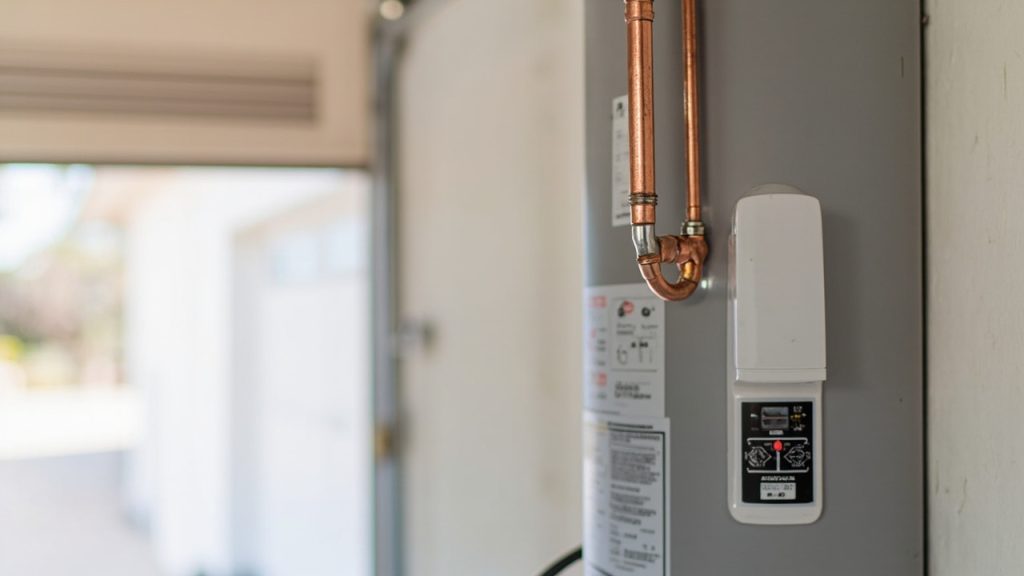
Deciding Between a Gas or Electric Water Heater for Your New Home in Queen Creek
Moving into a new build in Queen Creek or San Tan Valley brings plenty of decisions regarding efficiency and long term costs. One of the most impactful choices involves your water heating system. In the current 2026 market, homeowners must weigh the rising costs of utilities against the reliability and recovery speeds of different technologies. Phoenix residents deal with unique environmental factors including extreme garage temperatures and some of the hardest water in the nation. These factors dictate how long your unit lasts and how much you pay to keep your showers hot.
Queen Creek has seen massive growth with master planned communities where builders often offer both gas and electric configurations. If your new home is pre-plumbed for both, you have a significant advantage. The decision depends on your household size, your budget for monthly utility bills, and your interest in newer technology like heat pump systems. Understanding the technical differences between these units ensures you do not end up with a system that fails to meet your family needs during the busy morning rush.
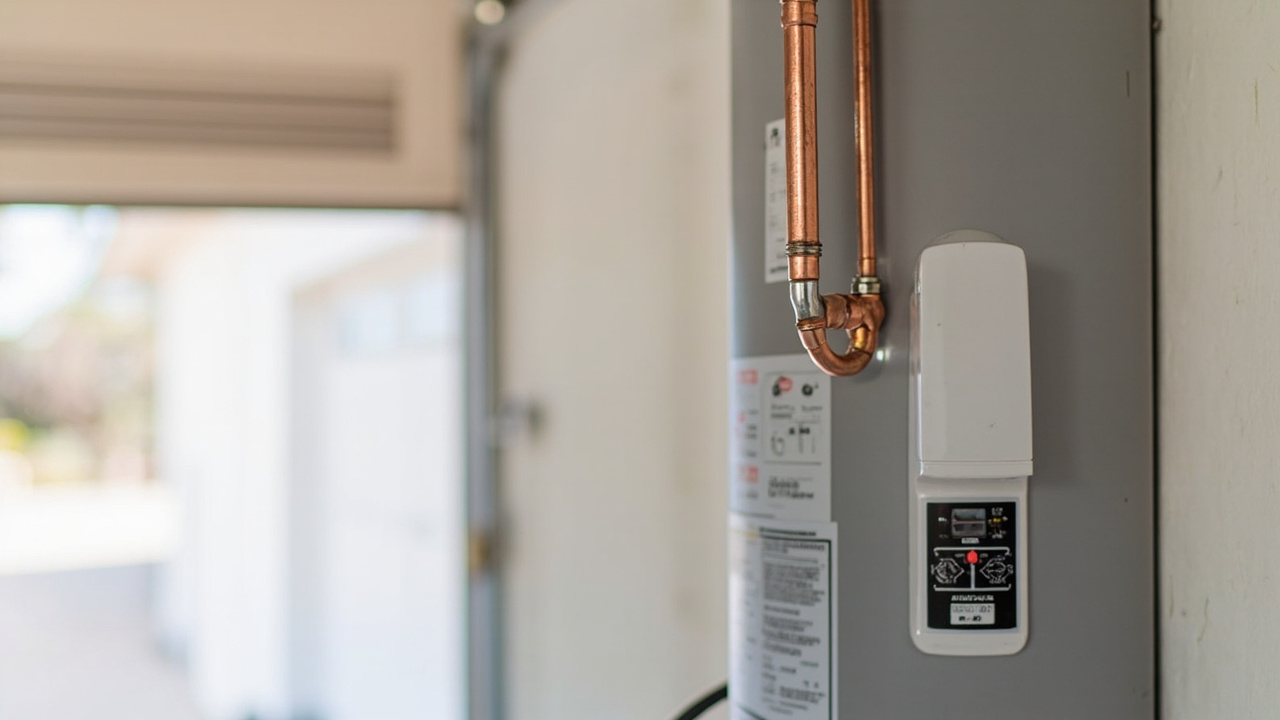
Utility Infrastructure in the East Valley
Your choice often starts with what is available at your specific lot. Many newer developments in the Phoenix metro area include natural gas lines provided by Southwest Gas. If your home lacks a gas line, the cost to run one specifically for a water heater usually makes electric the default choice. However, if you have the option, gas remains a popular choice for high demand households. Gas water heaters generally heat water faster than standard electric resistance models. This is known as the recovery rate. A typical gas unit can recover about 40 to 50 gallons of hot water per hour, while a standard electric unit might only manage 20 to 25 gallons.
Electricity in the Valley is managed by either SRP or APS. Both utilities have implemented complex time of use plans in 2026 that change how you should think about electric water heating. If you choose an electric tank, you might consider a larger capacity so you can heat water during off peak hours and store it for later use. This strategy helps avoid the higher rates charged during the late afternoon when the Arizona sun is at its peak. You can find more information about current energy standards and efficiency ratings at the U.S. Department of Energy website.
How Phoenix Hard Water Affects Gas and Electric Lifespans
Hard water is the primary enemy of any plumbing fixture in Maricopa County. The mineral content in our local supply leads to rapid scale buildup inside the tank. In an electric water heater, these minerals coat the heating elements. This creates a barrier that forces the element to run longer and hotter to reach the desired temperature, eventually leading to a burnout. In a gas water heater, the sediment settles at the bottom of the tank directly above the burner. This creates an insulating layer of rock that makes the burner work harder, which can eventually cause the glass lining of the tank to crack from the intense heat.
Because of this, many homeowners find that professional water softener installation for Chandler hard water is a necessary companion to a new water heater. Softening the water before it enters the heater can nearly double the lifespan of the unit. Without treatment, a standard tank in Queen Creek might only last eight to ten years before the sediment buildup becomes unmanageable. Regular maintenance becomes vital to protect your investment.
| Feature | Gas Water Heater | Electric Water Heater | Heat Pump (Hybrid) |
|---|---|---|---|
| Recovery Speed | High | Low to Medium | Slow |
| Upfront Cost | Moderate | Low | High |
| Monthly Cost | Moderate | Higher | Lowest |
| Venting Required | Yes | No | No |
| Expected Lifespan | 8 to 12 Years | 10 to 15 Years | 10 to 13 Years |
Venting and Installation Logistics in Arizona Garages
In most Queen Creek homes, the water heater sits in the garage. This location presents challenges during the summer when garage temperatures can exceed 120 degrees. For gas water heaters, proper venting is a safety requirement. You must have a dedicated vent pipe that carries combustion gases out through the roof. This requires specific clearances from walls and combustible materials. If you are switching from electric to gas, the cost of installing this venting can be substantial.
Electric water heaters are simpler to install because they do not require venting or gas lines. They only need a dedicated 240 volt circuit. However, the heat pump water heater is the most interesting electric option in 2026. These units pull heat from the surrounding air to warm the water. Since our garages are naturally hot for most of the year, a heat pump water heater operates extremely efficiently in Phoenix. It acts like a small air conditioner for your garage while providing hot water for your home. This technology significantly reduces the energy required to maintain a full tank of hot water.
Evaluating Maintenance Requirements for Local Systems
Maintenance is non-negotiable if you want your system to survive the local climate. Both gas and electric units require an annual flush to remove the calcium and magnesium deposits that settle at the bottom. This is especially true for residents in high growth areas like Queen Creek where construction can sometimes introduce extra particulates into the water lines. If you notice a popping or rumbling sound coming from your tank, it is a sign that sediment has already built up to a dangerous level.
Another critical component is the anode rod. This sacrificial rod hangs inside the tank and attracts corrosive elements so they eat the rod instead of the steel tank. In Phoenix, these rods often vanish within three years due to the aggressive water chemistry. Replacing the anode rod is a simple way to extend the life of your heater. If your system fails prematurely, you might find yourself needing getting an emergency plumber to your Scottsdale home fast if a leak develops while you are away.
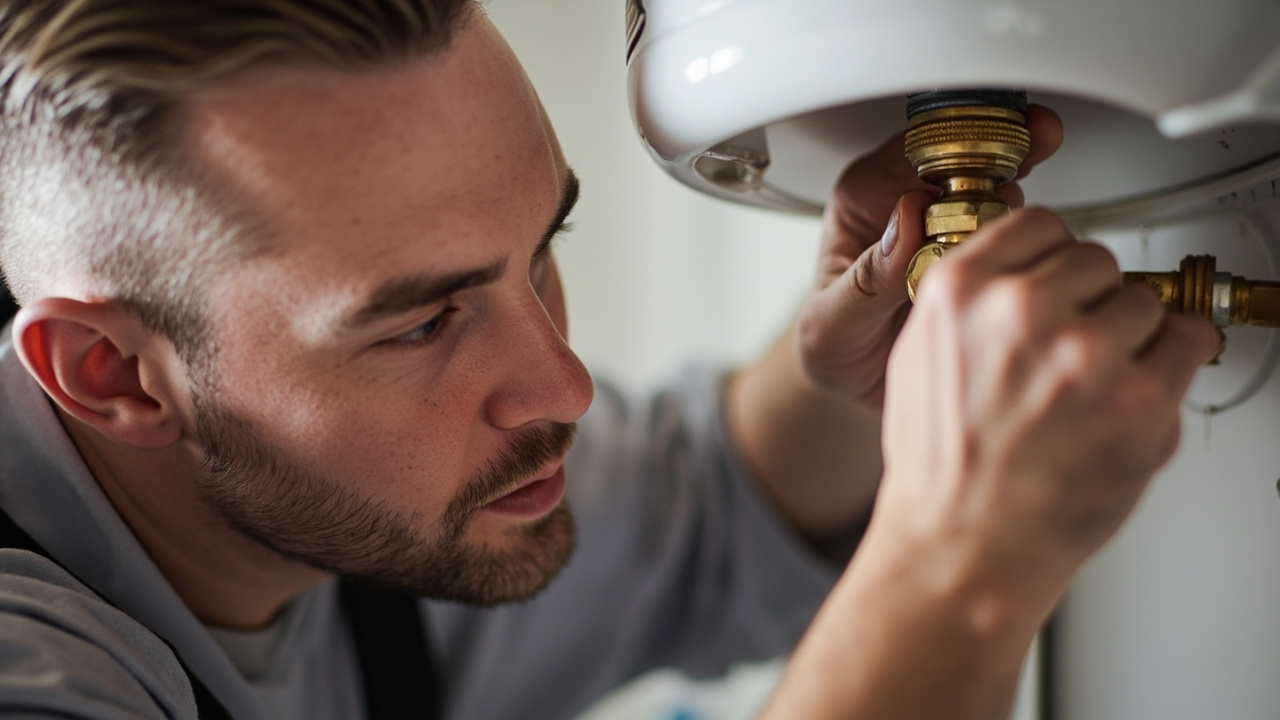
The Rise of Tankless Water Heaters in the East Valley
Many homeowners are moving away from traditional tanks entirely. Gas tankless units are particularly popular in newer Queen Creek builds because they provide endless hot water and take up much less space in the garage. These units heat water on demand rather than keeping 50 gallons hot all day. This eliminates standby heat loss. You can see why Gilbert homeowners are choosing tankless water heater upgrades this year as a way to modernize their homes and increase property value.
Tankless units do have higher installation requirements. A gas tankless unit often requires a larger gas line and a specialized stainless steel venting system. It also requires more frequent descaling maintenance if you do not have a water softener. However, the benefit of never running out of hot water during a long shower is a major draw for families in the Valley.
The Risks of Neglected Water Heaters
A failing water heater can lead to more than just cold showers. When a tank rusts through or the T&P valve fails, the resulting flood can cause thousands of dollars in property damage. In some cases, a leak can even lead to structural issues. If a leak occurs under your foundation, you may need to learn about the best way to handle a slab leak in Tempe and who to call to prevent further damage to your home. Keeping your water heater in good condition is a preventative measure for the entire plumbing system.
Standard maintenance should also include checking your home’s water pressure. High water pressure is common in some Queen Creek neighborhoods and can put unnecessary stress on your water heater tank. Installing a pressure reducing valve can help keep your system within the recommended 50 to 60 PSI range, which prevents the tank from expanding and contracting too violently during heating cycles.
Estimated Costs and Timelines for Installation
When you are planning your budget for a new water heater, consider both the unit price and the labor involved in a professional installation. Prices vary based on the complexity of the job, such as whether you are staying with the same fuel source or converting your system. In 2026, most professional installations in Queen Creek take between three and six hours depending on the accessibility of the unit.
| Service Type | Estimated Duration | Complexity Level | Key Requirements |
|---|---|---|---|
| Gas Tank Replacement | 3 to 4 Hours | Medium | Proper venting and gas leak check |
| Electric Tank Replacement | 2 to 3 Hours | Low | Electrical circuit verification |
| Heat Pump Installation | 4 to 6 Hours | High | Condensate drain and air clearance |
| Tankless Conversion | 6 to 10 Hours | High | Gas line upsize and new venting |
You should also check for local incentives. Many utilities like SRP offer rebates for high efficiency electric water heaters or heat pump models. These rebates can offset the higher initial cost of more advanced units. For the most accurate and up to date information on national standards, refer to the International Association of Plumbing and Mechanical Officials for current code requirements.
Long Term Considerations for Queen Creek Homeowners
Think about your long term plans for the home before making a final decision. If you plan to stay in the home for twenty years, the energy savings of a heat pump or a gas tankless unit will pay for themselves several times over. If you are in a starter home and plan to move in five years, a standard electric or gas tank might be more cost effective. Regardless of the type you choose, ensure your drainage system is clear to handle the occasional discharge from the temperature and pressure relief valve. Sometimes, homeowners struggle with drainage and need assistance clearing stubborn main line blockages with hydro jetting in Mesa to keep their whole home plumbing moving correctly.
- Consider the number of bathrooms in your home before choosing a gallon capacity.
- Check the Energy Factor rating on the label of any new unit.
- Verify if your new Queen Creek community has specific HOA rules regarding exterior venting.
- Decide if you want a smart water heater that allows for leak detection alerts on your phone.
- Ask about the recovery rate if you have a high demand household with multiple teenagers.
Choosing a water heater involves more than just picking a brand at a big box store. It requires an understanding of how our local Phoenix environment interacts with different heating technologies. By focusing on efficiency, local utility rates, and the impact of hard water, you can choose a system that provides reliable hot water for years. If you are ready to install a new system in your Queen Creek home, contact a local plumbing expert to evaluate your site and provide a professional recommendation based on your specific needs.