
Living in the Norterra area of North Phoenix offers a unique lifestyle surrounded by the Sonoran Desert Preserve. While the views are beautiful, the water quality in this part of the Valley presents specific challenges for homeowners. Most residents near Happy Valley Road or North Black Canyon Highway deal with extremely hard water and high levels of chlorine. When you decide to improve the water in your home, you must choose between a system that treats all the water entering your house or one that focuses only on what you drink. Making this choice requires understanding the mineral content and chemicals present in our local municipal supply in 2026.
Phoenix water comes from several sources including the Salt and Verde Rivers along with the Central Arizona Project. These sources carry high levels of minerals and sediments through miles of infrastructure before reaching your pipes. By the time it arrives at your Norterra kitchen sink, it has undergone heavy chemical treatment to ensure safety. This results in the characteristic pool water smell that many residents find unpleasant. Selecting the correct filtration system helps remove these additives while protecting your plumbing infrastructure from long term damage.
Understanding Water Quality in North Phoenix
The water in Norterra is some of the hardest in the nation. It often measures between fifteen and twenty-five grains per gallon. This hardness consists of calcium and magnesium minerals that crystallize when heated. These crystals create scale buildup inside your water heater and dishwasher. Beyond hardness, our local water contains high levels of Total Dissolved Solids. These solids include everything from salts to metals that remain in the water after standard municipal treatment. You can find more details on federal safety requirements at the Environmental Protection Agency website.
Chlorine and chloramines are also present in high concentrations. The city uses these to keep water safe from bacteria during its journey through the hot desert pipes. While effective for safety, these chemicals dry out your skin and hair during showers. They also degrade rubber seals in your toilets and faucets over time. When you are evaluating filtration, you must decide if you want to remove these chemicals at every tap or just at the kitchen faucet where you get your drinking water.
How Whole House Filtration Systems Work
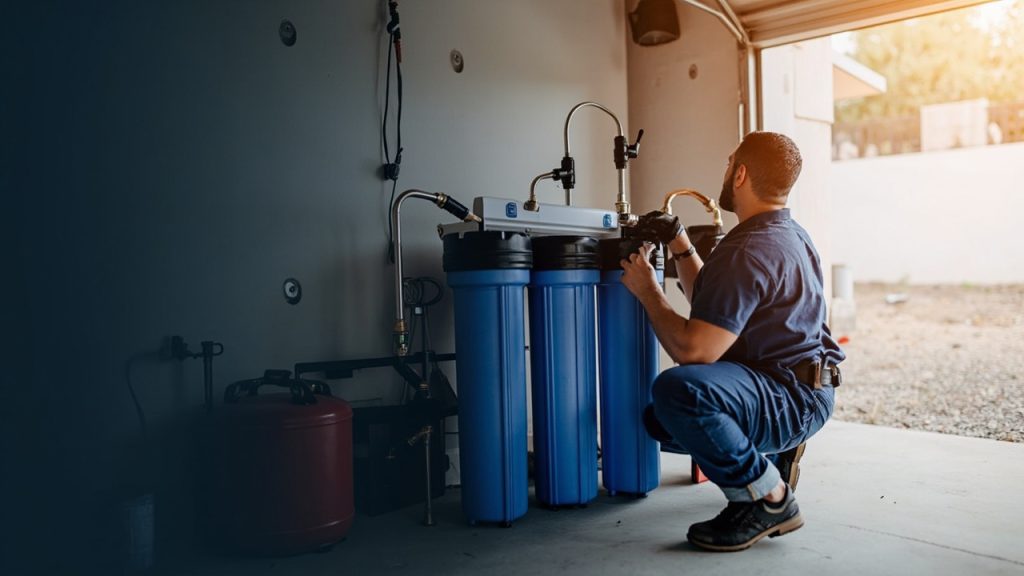
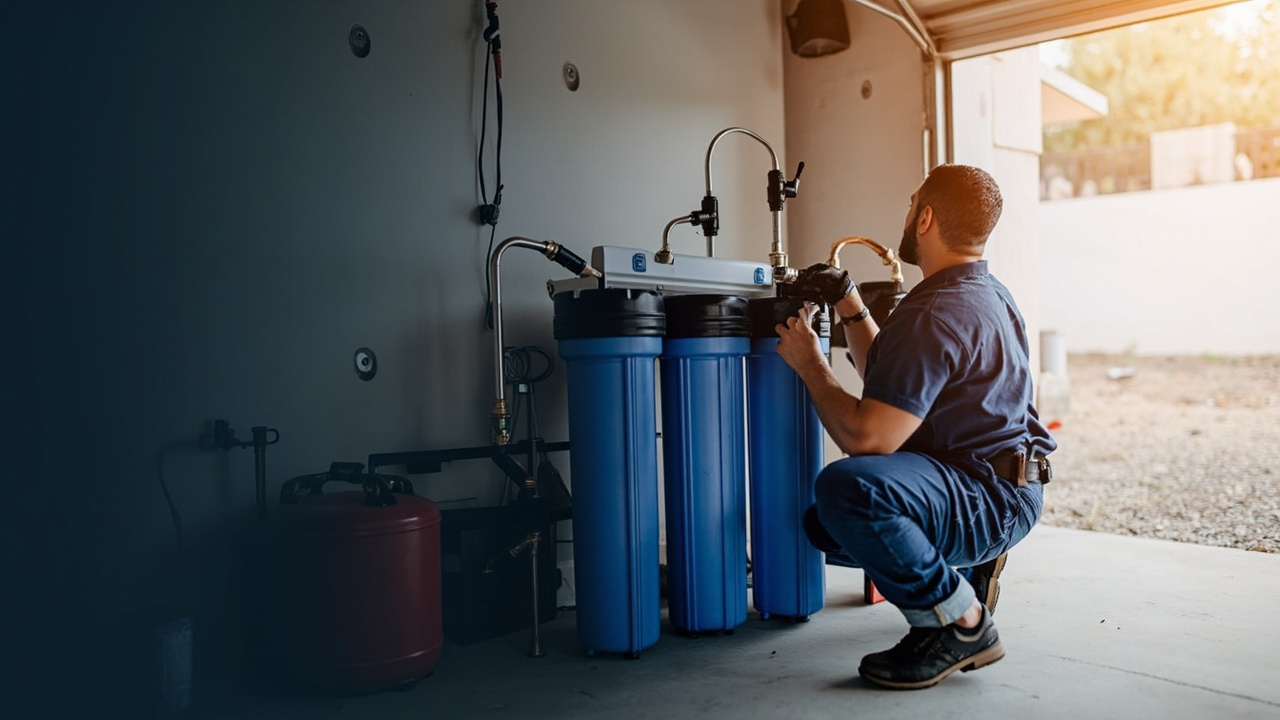
A whole house system is a point of entry solution. It sits where the main water line enters your home, usually in the garage or a dedicated utility closet. This placement ensures that every drop of water used in your house is filtered before it reaches a single fixture. These systems typically use large carbon media tanks or multi-stage cartridges to strip away chlorine and sediment. If you are also dealing with plumbing emergencies in other parts of the Valley, you might need getting an emergency plumber to your Scottsdale home fast to fix leaks caused by old, unfiltered water pressure.
The primary goal of a whole house filter is protection. It protects your skin from chlorine and your appliances from sediment. It does not usually remove the dissolved minerals that cause hardness. For that, you would need a dedicated softener. However, a high-capacity filter significantly extends the life of a softener by removing the chlorine that can damage softening resin. This setup is popular in newer Norterra developments where homeowners want to preserve their high-end finishes and fixtures.
Benefits of Under Sink Reverse Osmosis Units
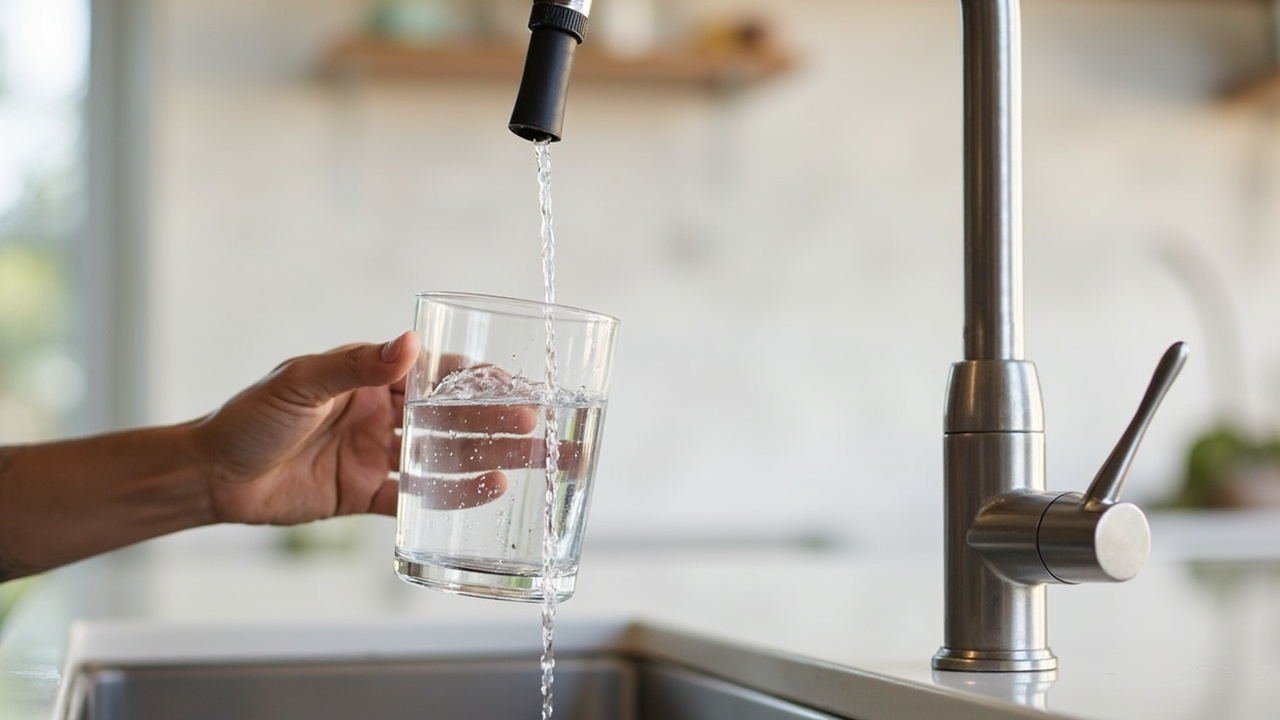
Under sink units are point of use systems. They are almost always installed beneath the kitchen sink and connected to a dedicated small faucet. Most of these systems use reverse osmosis technology. Reverse osmosis is the gold standard for drinking water. It uses a semi-permeable membrane to force water through at high pressure. This process leaves behind nearly all contaminants, including lead, arsenic, and chromium-6. These are common concerns in Southwest aquifers that standard carbon filters cannot address. For more information on the health impacts of different filtration methods, check the Centers for Disease Control and Prevention guidelines.
An under sink unit is perfect for those who want bottled quality water for cooking and drinking without the plastic waste. It produces water that is pure and clear. It removes the minerals that make coffee taste bitter or leave spots on your glassware. Because it only treats the water you consume, the filters last a long time and the system remains affordable to maintain. If you have concerns about the pipes feeding your kitchen, especially in older Phoenix areas, you might also be interested in the best way to handle a slab leak in Tempe and who to call if you notice mysterious warm spots on your floor.
Comparing Performance and Maintenance Needs
When choosing between these two options, you must consider the maintenance schedule. Whole house systems generally require less frequent attention but the replacement filters are larger and more expensive. Under sink systems have multiple small filters that need replacement every six to twelve months. The following table illustrates the key differences in performance and upkeep for Norterra residents.
| Feature | Whole House Filter | Under Sink Reverse Osmosis |
|---|---|---|
| Primary Target | Chlorine and Sediment | Lead, Arsenic, TDS, Fluoride |
| Water Flow Rate | High (10 to 15 GPM) | Low (Filtered into a tank) |
| Maintenance Frequency | Every 1 to 2 Years | Every 6 to 12 Months |
| Installation Location | Main Water Line (Garage) | Under Kitchen Sink |
| Waste Water | None | Discharges some water to drain |
The Impact of Arizona Hard Water on Filtration
It is a common mistake to think a filter will solve hard water problems. In Phoenix, filtration and softening are two different things. A filter removes chemicals and particles. A softener removes the minerals that cause scale. If you install a whole house filter without a softener in Norterra, you will still see white crusty buildup on your showerheads. This is why many experts recommend professional water softener installation for Chandler hard water and surrounding areas like Norterra to ensure full protection.
Using a whole house filter in combination with a softener creates the ultimate protection for your home. The filter removes the aggressive chlorine that eats away at your plumbing components. The softener removes the minerals that clog your water heater. This combination is especially important if you have invested in modern plumbing technology. For instance, many homeowners are now choosing tankless water heater upgrades this year in Gilbert and Phoenix. These high-efficiency units are very sensitive to scale and require treated water to maintain their efficiency and warranty coverage.
Choosing the Best Setup for Your Family Size
Your daily water usage should dictate which system you choose. A large family with several children will benefit significantly from a whole house system. The cumulative effect of chlorine on multiple people showering every day is noticeable. It can lead to dry skin and aggravated respiratory issues in the dry Arizona climate. Conversely, a single professional or a couple living in a smaller Norterra condo might find an under sink unit provides the most value for their specific needs.
- Assess your primary concern. Is it the taste of your coffee or the health of your skin?
- Check your garage space. Whole house systems require a footprint of about two square feet near your main shutoff valve.
- Evaluate your budget for annual filter replacements.
- Consider the age of your appliances. New dishwashers and laundry machines benefit more from whole house protection.
- Test your water for Total Dissolved Solids to see if an RO membrane is necessary for safety.
Maintenance and Longevity Factors
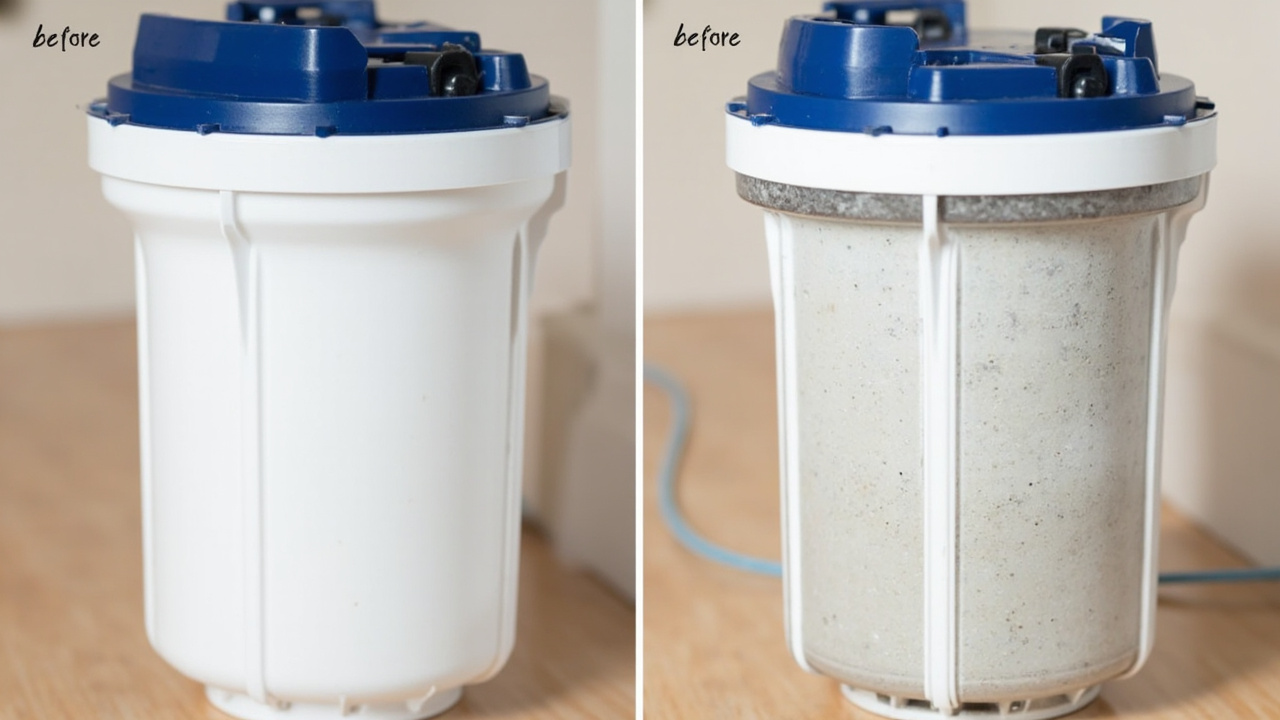
The lifespan of these systems depends on the quality of the installation and the frequency of filter changes. In Norterra, the high sediment levels can clog pre-filters faster than in other parts of the country. If you ignore maintenance, your water pressure will drop significantly. For those with severe drainage or pressure issues, clearing stubborn main line blockages with hydro jetting in Mesa or North Phoenix can restore proper flow before you install new filtration equipment.
An under sink reverse osmosis system usually lasts ten to fifteen years if you change the membrane every three to five years. A whole house carbon tank can last five to seven years before the media becomes saturated and needs replacement. The housing for these systems is typically very durable but the internal components bear the brunt of the harsh Phoenix water. Regular inspections ensure that no leaks develop under your sink or in your garage, which could lead to expensive water damage.
| Component | Expected Lifespan | Replacement Cost Factor |
|---|---|---|
| Sediment Pre-Filter | 6 Months | Low |
| Carbon Block Filter | 12 Months | Moderate |
| RO Membrane | 3 to 5 Years | High |
| Whole House Media Tank | 5 to 7 Years | High |
| System Housing | 15+ Years | Initial Investment Only |
Installation Factors for Norterra Residents
Installing a whole house system often involves cutting into the main copper or PEX water line. This requires a professional touch to ensure the bypass valves are correctly placed. A bypass valve allows you to use untreated water for your desert landscaping or pool filling while keeping the filtered water for inside the home. This saves you money on filter replacements by not wasting treated water on your cacti and palo verde trees. Most Norterra homes have an outdoor main shutoff which might require the system to be installed in a protected enclosure to guard against the intense Phoenix sun.
Under sink installation is less invasive but still requires precision. The technician must drill a hole in the countertop if a dedicated faucet hole does not already exist. They also need to tap into the cold water supply line and the sink drain pipe. The drain connection is vital for the reverse osmosis process to flush away the concentrated contaminants. Ensuring these connections are tight prevents the slow drips that often go unnoticed until they rot out the bottom of a kitchen cabinet.
Making Your Final Selection
If you want the absolute best water quality possible in Norterra, the answer is usually to install both. A whole house system handles the heavy lifting by removing chlorine and sediment for the entire home. Then, an under sink reverse osmosis unit provides the final polish for the water you put into your body. This two-step approach ensures your plumbing lasts as long as possible while your drinking water remains pure. It is an investment in your property and your long term health.
Before you make a final decision, have a local expert perform a water test at your tap. This test will reveal the exact levels of hardness and dissolved solids in your specific home. Because water quality can vary even between different streets in the same neighborhood, this data is invaluable. Once you have the results, you can choose the filtration stages that address your specific issues. This prevents you from paying for filtration capacity you do not need while ensuring you are protected from the contaminants that are actually present.
Taking control of your water quality is one of the most impactful upgrades you can make to your Phoenix home. Whether you choose the comprehensive coverage of a whole house system or the targeted purity of an under sink unit, you will notice the difference immediately. Your skin will feel softer, your appliances will run more efficiently, and your drinking water will finally taste like it should. If you are ready to stop relying on bottled water and start enjoying the water from your own taps, reach out to a local professional to discuss the best installation options for your Norterra residence.