

Planning Your Kitchen Island Plumbing Installation in Phoenix
Adding a sink or dishwasher to a kitchen island is one of the most common upgrades for homeowners in the Desert Ridge area. Modern open-concept designs in the 85050 and 85054 zip codes often move the primary workstation away from the wall to create a more social atmosphere. While this layout provides significant utility, the plumbing requirements for an island are fundamentally different from standard wall-mounted fixtures. In a typical Phoenix home, your plumbing lines are buried deep beneath a thick concrete slab. Moving these lines requires technical precision and an understanding of the physics of drainage.
Phoenix homes built during the expansion of the north valley utilize slab-on-grade foundations. This means there is no crawl space or basement to run pipes through. Every drain line and water supply line must be trenched directly into the concrete. When you decide to add plumbing to a new kitchen island, you are committing to a process that involves structural considerations, precise venting strategies, and adherence to the Uniform Plumbing Code standards adopted by the City of Phoenix. Success depends on how well you plan for the unseen components behind your cabinetry.

The Challenges of Slab on Grade Construction in Desert Ridge
Desert Ridge homes sit on some of the hardest soil in the Valley of the Sun. Below the surface, layers of caliche and dense earth support your concrete foundation. To install a new island sink, a plumber must use a concrete saw to cut a path through your kitchen floor. This trench usually measures about twelve inches wide and several feet long depending on the distance to the nearest existing drain line. The depth of the trench must allow for a consistent slope so that wastewater flows freely without the help of a pump.
Standard residential drains require a slope of at least one quarter inch per foot. If your new island is ten feet away from the main stack, the drain line must drop two and a half inches over that distance. In a slab-on-grade home, this means the trench becomes deeper as it moves away from the island. If the trenching is not deep enough, you will face frequent clogs and slow drainage. This is often where DIY projects fail. Professional plumbers use laser levels to ensure the grade is perfect before any concrete is poured back into the trench.
Technical Venting Strategies for Kitchen Islands
Venting is the most misunderstood part of island plumbing. Every drain needs a vent to allow air into the system. Without air, the rushing water creates a vacuum that can suck the water out of your P-trap, allowing sewer gases to enter your home. Since an island has no wall behind it to hide a vertical vent pipe, we must use alternative methods to protect your air quality. In the Phoenix metro area, there are two primary ways to handle this technical hurdle.
The Island Fixture Vent or Loop Vent
A loop vent is the gold standard for island installations. This setup involves running the vent pipe up inside the island cabinet as high as possible, then looping it back down and connecting it to the main vent stack under the floor. It creates a pocket of air that prevents siphoning. The loop must rise above the drain level before it descends. This ensures that even if the sink backups, the vent line stays clear. Local inspectors in Maricopa County look for specific heights on these loops to ensure they meet safety codes.
Air Admittance Valves
An Air Admittance Valve, or AAV, is a mechanical device that allows air into the drainage system while staying closed to sewer gases. These are often used when a traditional loop vent is physically impossible to install. While they are legal in many parts of the Phoenix area, they have moving parts that can eventually fail. If you choose an AAV, you must place it in a location that stays accessible for future replacement. Most homeowners hide them behind a small access panel inside the sink base cabinet.
| Venting Method | Primary Advantage | Maintenance Requirement |
|---|---|---|
| Loop Vent | No moving parts and lasts the life of the home | Zero maintenance after installation |
| Air Admittance Valve | Easier to install in tight spaces | Requires replacement every five to ten years |
| Standard Wall Vent | Maximum airflow and reliability | Not possible for standalone islands |
Water Supply and Hard Water Considerations
Once the drainage and venting are planned, you must bring hot and cold water to the island. In Desert Ridge, the water is notoriously hard. High mineral content can lead to scale buildup in your new faucet and dishwasher. If you are already cutting into your slab, it is the perfect time to evaluate your entire water system. Many residents choose a Professional Water Softener Installation for Chandler Hard Water or similar systems for their North Phoenix homes to protect their new high end appliances.
We typically use PEX-A piping for island water lines in 2026. This flexible material resists mineral buildup better than traditional copper and can handle the thermal expansion caused by our hot Arizona summers. The lines are pulled through protective sleeves under the concrete to protect them from the caustic properties of the soil and the concrete itself. This ensures that your water supply remains leak free for decades.
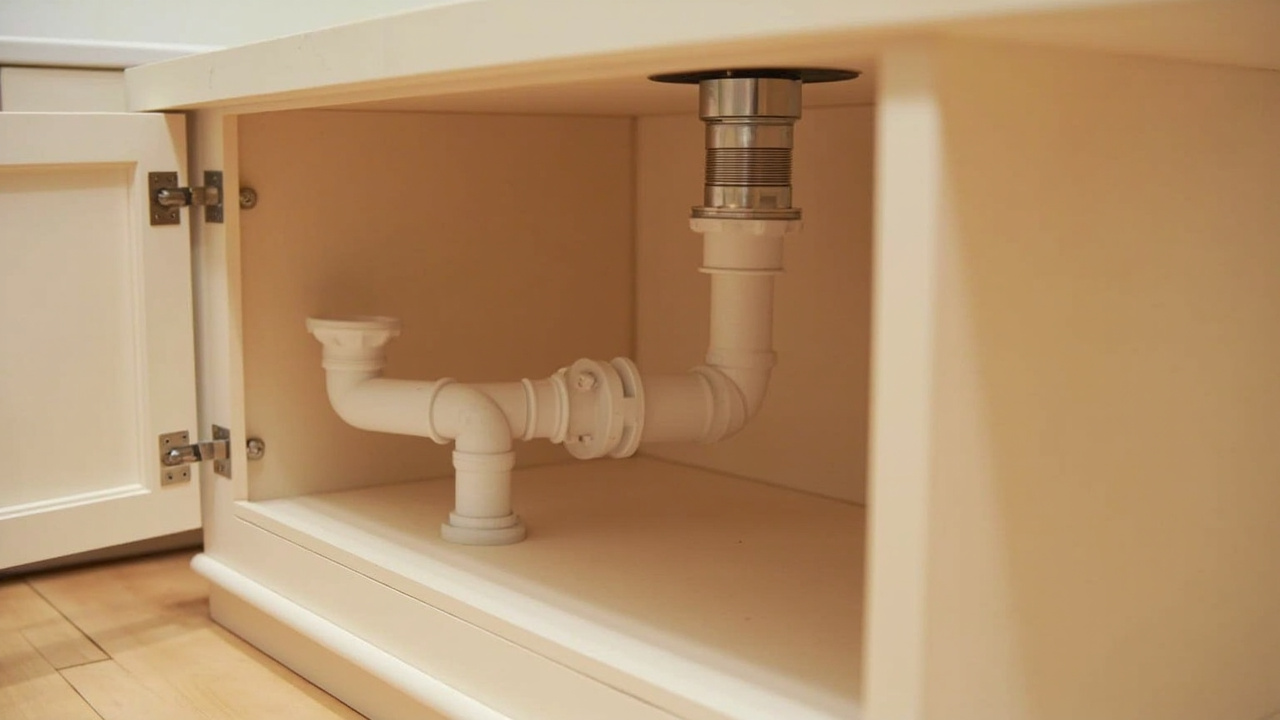
Step by Step Installation Process in Phoenix
Installing island plumbing is a multi-day process that requires coordination with other trades like flooring and cabinetry. We follow a specific sequence to ensure the structural integrity of your home remains intact. Skipping a step can lead to expensive repairs later.
- Permit Acquisition. We start by filing plans with the City of Phoenix Planning and Development department. This ensures the design meets current 2026 safety standards.
- Layout and Marking. We mark the exact footprint of your new island on the subfloor to identify the perfect entry points for pipes.
- Concrete Trenching. Using dust containment systems, we cut the slab and remove the old concrete and soil.
- Rough-In Plumbing. We install the new PVC drain lines and PEX water lines, ensuring the slope is correct for drainage.
- Inspection. A city inspector must view the open trench to verify the plumbing meets code before we cover it.
- Backfilling and Pouring. We replace the soil and pour new high-strength concrete to level the floor.
- Finish Plumbing. After the cabinets and countertops are installed, we return to install the sink, faucet, and disposal.
Timeline and Project Expectations
Homeowners should expect the plumbing phase of an island remodel to take between three and five days of active work. This does not include the time required for the concrete to fully cure before floor tile can be laid. It is a messy process, but using professional plumbers who specialize in slab work minimizes the impact on the rest of your home. We use heavy duty plastic sheeting and HEPA air scrubbers to keep the fine concrete dust out of your living room and bedrooms.
| Phase of Work | Estimated Duration | Primary Impact |
|---|---|---|
| Demolition and Trenching | 1 Day | Noise and dust | 1 Day | Water shutoff required |
| Inspections and Concrete Pour | 1 to 2 Days | Floor must remain clear |
| Final Trim Out | 4 Hours | Ready for use |
Avoiding Potential Disasters and Leaks
The biggest risk with island plumbing is a leak under the concrete. If a pipe is damaged during the backfilling process, it might not show up for months. A slow leak under a slab can erode the soil and lead to foundation settling. If you notice damp spots on your new flooring or a sudden spike in your water bill, you must act immediately. This is why we pressure test all lines before the concrete is poured. If you suspect an issue after the project is finished, you should look into The Best Way to Handle a Slab Leak in Tempe and Phoenix to understand the diagnostic process.
Another common issue is the failure of a garbage disposal inside an island. Because island drains are often farther away from the main sewer line, they are more prone to clogging if heavy food waste is put down the drain. We recommend high torque disposals with multi-stage grinding to ensure the waste is pulverized enough to travel the long horizontal distance under your kitchen floor.
Future Proofing Your Kitchen Island
In 2026, many Desert Ridge residents are adding more than just a sink to their islands. We are seeing a rise in requests for built-in coffee stations, secondary prep sinks, and even under-counter ice makers. Each of these fixtures requires its own drainage and water considerations. If you think you might want an ice maker in the future, it is significantly cheaper to run the lines now while the floor is open than to try and add them later. We also recommend running a dedicated electrical circuit during the plumbing phase to power the disposal and any potential future appliances.
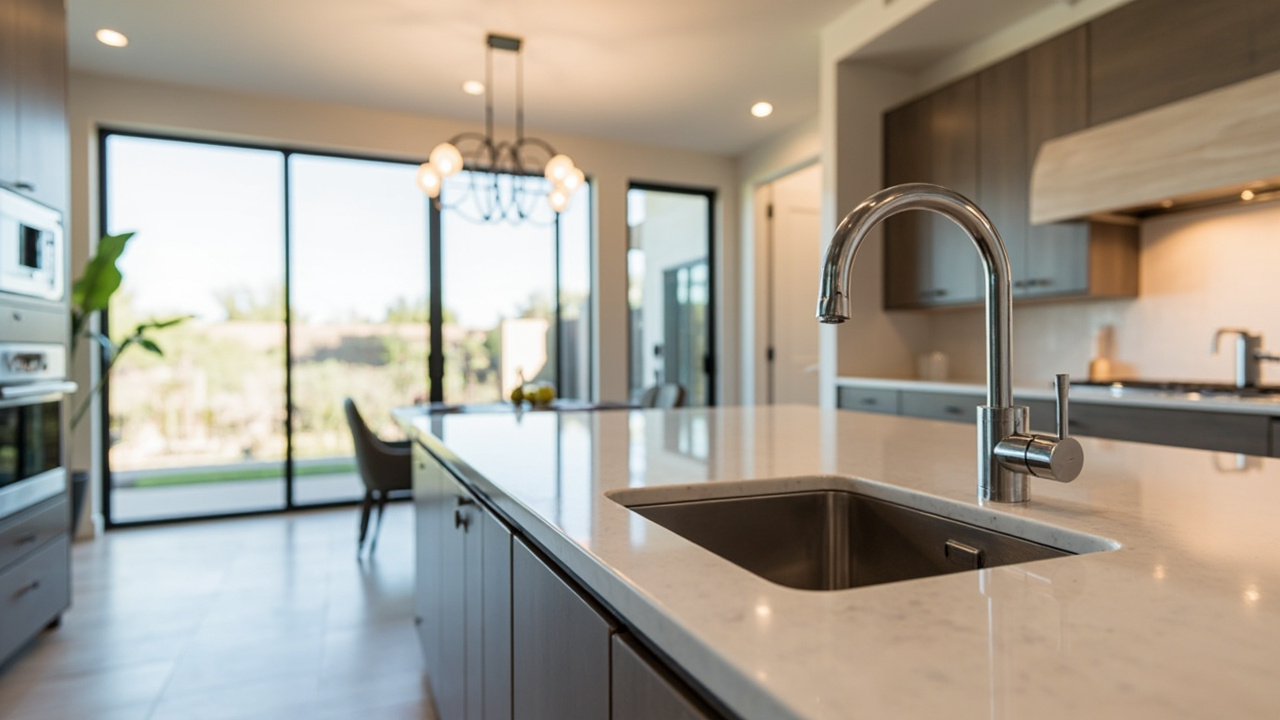
When to Call a Professional for Your Remodel
Plumbing an island is not a task for a standard handyman. The technical requirements for venting and the physical labor of trenching a slab require specialized tools and deep knowledge of the local codes. Mistakes made during the rough-in phase can cost thousands of dollars to fix once the new cabinets and expensive quartz countertops are in place. If a pipe bursts or a major drainage issue occurs during your renovation, having a trusted partner is vital. You might need assistance Getting an Emergency Plumber to Your Scottsdale Home Fast if a line is struck during the demolition phase.
By understanding the technical aspects of island plumbing, you can make informed decisions about your kitchen layout. Whether you are in the planning stages of a full remodel or just want to add a bar sink for entertaining, the foundation of a great kitchen is always its plumbing. Proper venting, correct drainage slope, and high quality materials will ensure your Desert Ridge kitchen remains functional and beautiful for years to come. If you are ready to start your kitchen transformation, reach out to a team that knows the specific needs of Phoenix homes and foundations.