
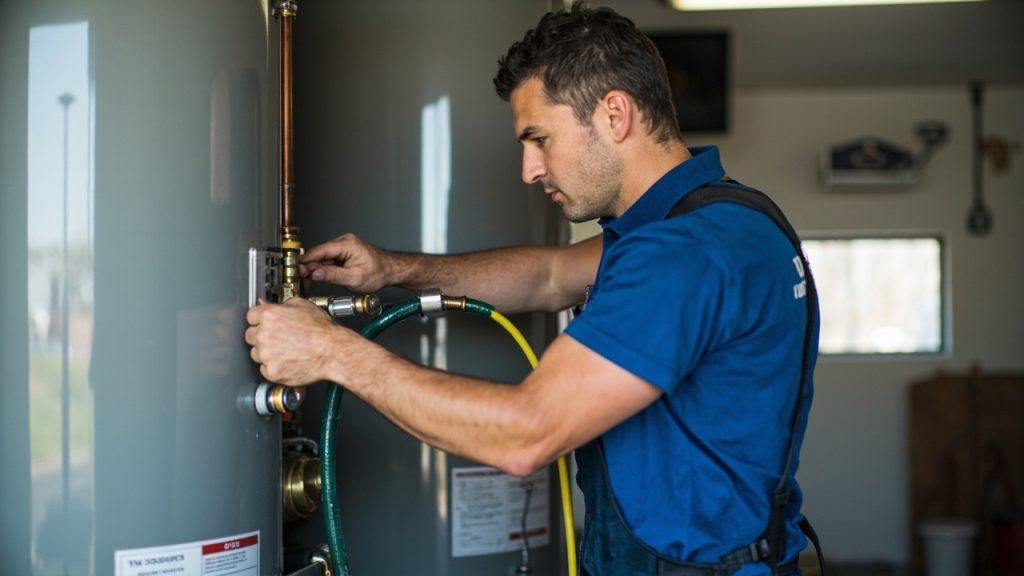
Professional Water Heater Maintenance in Goodyear AZ
Living in Goodyear means dealing with some of the hardest water in the Phoenix West Valley. If you live near Estrella Parkway or in the PebbleCreek community, you already know about the white crusty buildup on your faucets. That same mineral scale is currently sitting at the bottom of your water heater. In 2026, residential water systems face significant stress from high mineral content. Without a plan, a standard tank that should last a decade might fail in five years. You can take control of your home plumbing by following a few technical steps to combat calcium and magnesium buildup.
Hard water in Maricopa County contains high levels of dissolved minerals. When this water heats up, the minerals solidify into calcium carbonate. This sediment settles at the bottom of your tank, creating a thick layer of insulation between the burner or heating element and the water. This forces your unit to run longer and hotter to reach the desired temperature. The extra heat stresses the steel tank and can lead to premature cracks or leaks. Managing this requires a proactive approach to sediment removal and component protection.
The Impact of Local Water on System Longevity
Goodyear residents often see water hardness levels exceeding 20 grains per gallon. This is considered extremely hard by industry standards. For homeowners in the Canyon Trails or Sarival Avenue areas, this means your water heater is effectively a mineral collector. As the minerals bake onto the heating elements, they create a popping or rumbling sound. This noise is the sound of steam bubbles escaping from beneath the sediment layer. It is a clear sign that your system is losing efficiency and taking damage.
Excessive heat caused by sediment buildup also affects the internal glass lining of the tank. Most modern tanks are steel with a thin porcelain glass coating. Constant overheating causes the steel to expand and contract more than the glass can handle. Eventually, the glass cracks, and the water touches the raw steel. This is when the clock starts ticking on a total tank failure. Keeping the bottom of the tank clear of debris is the most effective way to prevent this cycle from starting.
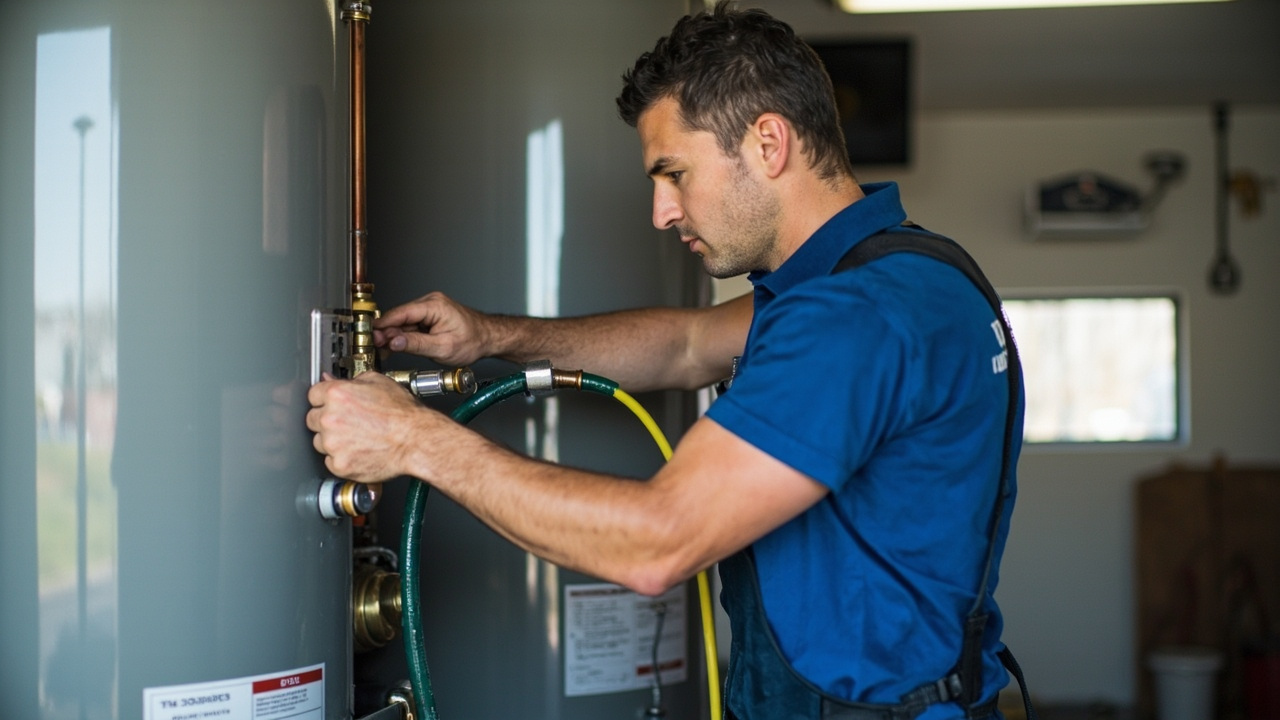
Step by Step Guide to Flushing Your Water Heater
Flushing your tank is the most important maintenance task for any Goodyear homeowner. You should perform a full flush at least once every twelve months. In areas with higher concentrations of minerals, a six-month interval is even better. Start by turning off the power at the breaker for electric models or setting the gas valve to the pilot position for gas units. Close the cold water inlet valve to stop new water from entering the system.
Attach a heavy-duty garden hose to the drain valve at the bottom of the unit. Run the other end of the hose to a safe drainage area like your driveway or a floor drain. Open a hot water faucet somewhere in the house to allow air into the system. This prevents a vacuum from forming and helps the water flow faster. Open the drain valve carefully. Be aware that the water will be extremely hot and can cause burns instantly. Let the tank empty completely to pull out the heavy sediment sitting at the bottom.
Once the tank is empty, flip the cold water inlet valve on and off several times in short bursts. This creates a mini-tsunami inside the tank that stirs up stubborn sediment. Continue this process until the water coming out of the hose is perfectly clear. Close the drain valve and remove the hose. Turn the cold water back on and wait for the tank to fill before restoring power or gas. If you turn on the heating elements before the tank is full, you will burn them out in seconds.
Maintenance Frequency Based on Water Hardness
The following table shows how often you should perform specific maintenance tasks based on the hardness of your local Goodyear water supply.
| Hardness Level (GPG) | Flush Frequency | Anode Rod Inspection | System Lifespan Expectancy |
|---|---|---|---|
| 0 to 7 GPG (Soft) | Every 24 Months | Every 5 Years | 12 to 15 Years |
| 8 to 14 GPG (Hard) | Every 12 Months | Every 3 Years | 10 to 12 Years |
| 15+ GPG (Very Hard) | Every 6 Months | Every 2 Years | 7 to 10 Years |
Replacing the Sacrificial Anode Rod
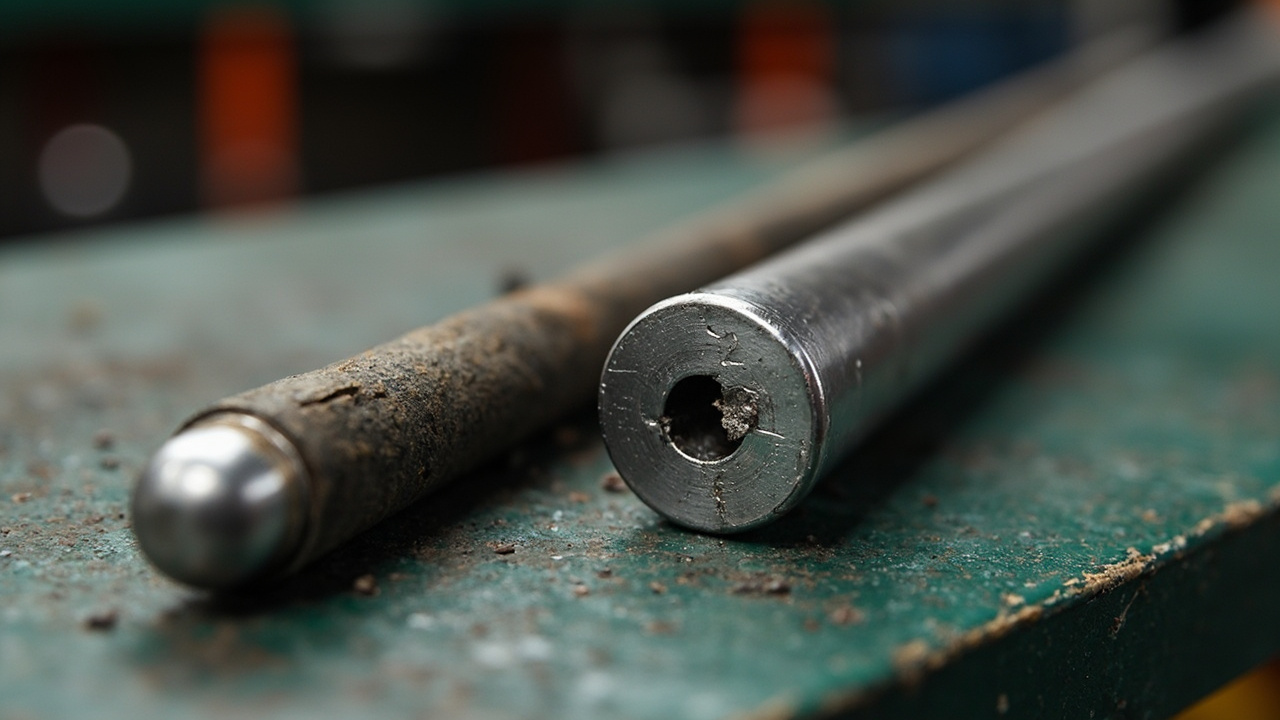
Your water heater has a secret weapon called a sacrificial anode rod. This is a long metal rod made of magnesium or aluminum that hangs inside the tank. Its only job is to corrode so your tank does not. Through a process called electrolysis, the minerals in the water attack the anode rod instead of the steel tank. In the West Valley, these rods disappear quickly because of the aggressive water chemistry. Once the rod is gone, the water begins eating the tank walls.
Checking the anode rod requires a large socket wrench and some physical strength. Most rods are located under a plastic cap on the top of the heater. If you pull the rod out and see only a thin wire or heavily pitted metal, it is time for a replacement. Many residents in the Palm Valley area choose to upgrade to a powered anode rod. These do not dissolve and use a small electrical current to protect the tank, which is much more effective in extreme hard water environments.
If you find your water heater is already leaking or showing signs of structural failure, you might need professional help. While focusing on Goodyear, we also see these same issues in neighboring areas. For instance, getting an emergency plumber to your Scottsdale home fast is often necessary when a neglected tank finally bursts. Do not wait until you have a flood in your garage to check the status of your anode rod.
Maintaining Tankless Water Heaters in the West Valley
Tankless units are becoming more common in newer developments near the White Tank Mountains. These systems are highly efficient but they are even more sensitive to hard water than traditional tanks. Instead of a large reservoir, tankless heaters use a compact heat exchanger with narrow water passages. Scale can plug these passages quickly, leading to an overheat error code and a total system shutdown. If you have a tankless unit, descaling is not optional.
Descaling involves circulating a food-grade vinegar solution through the unit for about an hour using a small pump. This acid dissolves the calcium buildup and restores proper flow. Most manufacturers recommend this once a year, but in Goodyear, every six to nine months is safer. If you ignore this, the heat exchanger can fail, and that is the most expensive part of the unit to replace. If you are noticing a drop in water pressure or temperature, it is likely time for a descaling service.
Many homeowners are choosing to avoid these maintenance headaches by installing modern hardware. You can see why Gilbert homeowners are choosing tankless water heater upgrades this year as a way to gain space and efficiency while implementing better filtration. However, the hard water challenges remain the same across the entire valley.
Comparing Anode Rod Materials for Phoenix Water
Choosing the right material for your replacement anode rod can make a huge difference in how your water smells and how well your tank is protected.
| Material Type | Best For | Pros | Cons |
|---|---|---|---|
| Magnesium | Standard Water | High level of protection | Corrodes very fast in hard water |
| Aluminum | Hard Water | Lasts longer than magnesium | Can cause sediment buildup |
| Zinc/Aluminum | Smelly Water | Kills sulfur odors | Slightly less protection |
| Powered (Titanium) | Extreme Hardness | Never needs replacement | Requires electrical outlet |
Temperature and Pressure Relief Valve Safety
The Temperature and Pressure Relief valve, or TPR valve, is the most important safety feature on your water heater. It is designed to open and release water if the internal pressure or temperature gets too high. This prevents the tank from becoming a dangerous projectile. Hard water is the enemy of this valve. Calcium can build up around the valve seat, causing it to stick shut or drip constantly.
Test your TPR valve every six months by lifting the silver lever briefly. Water should discharge into the drain pipe. If no water comes out or if the valve keeps leaking after you close it, replace it immediately. A failing TPR valve is a serious safety risk. In newer Goodyear homes, you may also have a thermal expansion tank. This is a small tank located on the cold water line above the heater. Check the air pressure in this tank with a tire gauge to ensure it is set correctly. This small device absorbs the extra pressure created when water heats up and expands, protecting your plumbing joints from stress.
If you ignore these pressure issues, you risk more than just a water heater leak. High pressure can cause pipe failures deep inside your walls or foundation. For example, understanding the best way to handle a slab leak in Tempe often starts with realizing that high system pressure was the root cause. Keeping your water heater in check helps protect the entire home structure.
Local Solutions for Better Water Quality
The best way to make your water heater last longer is to treat the water before it enters the tank. A whole-home water softener is the most effective solution for the 2026 climate. By removing the calcium and magnesium through ion exchange, you effectively stop scale from forming. This not only protects your water heater but also your dishwasher, washing machine, and showerheads. If you are tired of scrubbing white spots off your glass, a softener is the answer.
When considering water treatment, look for systems that are designed for the high temperatures we experience in the West Valley. You can find detailed information on professional water softener installation for Chandler hard water which mirrors the needs we see in Goodyear. Combining a softener with regular tank flushes can extend the life of your unit by several years beyond the manufacturer estimate.
For more information on the specific mineral content of your local supply, you can check the City of Goodyear Water Quality reports. These documents provide the exact grains per gallon and mineral concentrations for different wells throughout the city. Knowing your specific water chemistry helps you choose the right maintenance schedule and filtration equipment.

Signs Your Water Heater Needs Professional Attention
Even with the best maintenance, parts will eventually wear out. Knowing when to call for help can save you from an expensive emergency repair bill later. Watch for these common indicators of trouble.
- Discolored or rusty water coming from the hot side only.
- A metallic taste or smell in your hot water.
- Puddles of water around the base of the tank.
- Constant tripping of the electrical breaker.
- Water that takes much longer to heat up than it used to.
- Low hot water pressure compared to the cold water pressure.
If you experience a total blockage in your plumbing, it might be more than just scale in your heater. Sometimes, sediment breaks loose and clogs the main lines. This often requires clearing stubborn main line blockages with hydro jetting in Mesa or surrounding areas to clear out the debris and restore flow to the house. Always verify that your drain lines are clear when performing a tank flush to avoid backing up water into your garage or utility room.
The United States Geological Survey provides excellent data on why certain regions like ours have such high mineral content. Understanding the geology of the Phoenix basin helps you realize why our water is so different from other parts of the country. This knowledge reinforces why a standard maintenance routine from a hardware store manual is not enough for our local conditions.
Take time this weekend to look at your water heater. Check the date on the manufacturer label. If it is more than five years old and has never been flushed, you are on borrowed time. Start with a simple flush and an anode rod inspection. These two small tasks are the difference between a system that lasts through 2030 and one that needs replacement next summer. Protecting your investment in your Goodyear home starts with the water running through your pipes every day.