
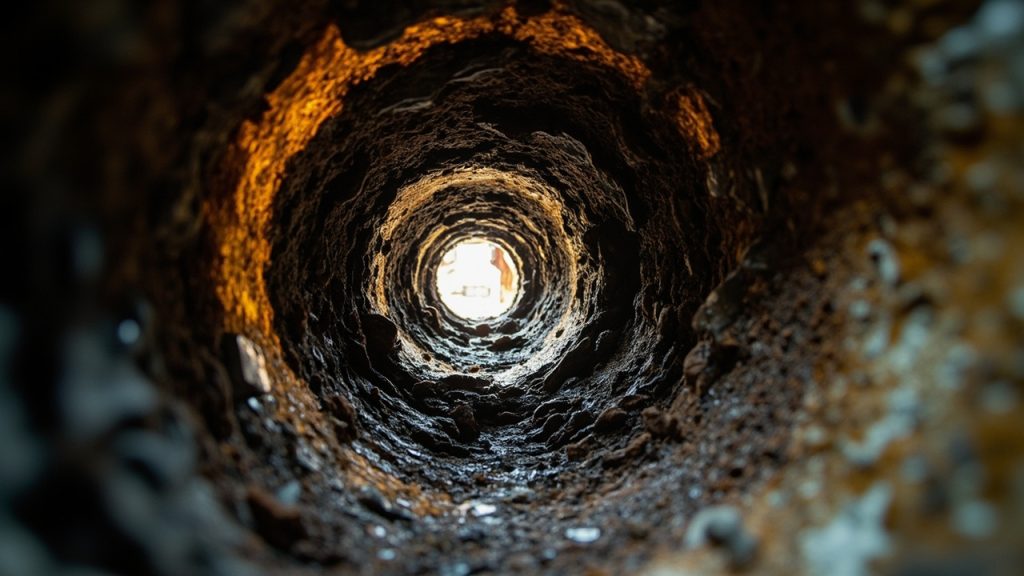
Failing cast iron pipes represent a significant risk to the structural integrity and sanitation of your Willo Historic District home. Many of the properties in this iconic Phoenix neighborhood were built between 1920 and 1950. While the brickwork and architectural details remain sturdy, the drain lines hidden beneath the floor have reached the end of their life. In 2026, we see a high volume of sewer failures in these homes because cast iron typically lasts between fifty and seventy years. If you reside in the area bounded by Thomas Road and McDowell Road, your plumbing system likely requires immediate attention.
The Current State of Historic Plumbing in Phoenix
Cast iron was the standard for residential drain lines for decades. It offered durability and fire resistance. However, the alkaline soil in Phoenix creates a harsh environment for metal pipes. The combination of moisture and local minerals causes the iron to oxidize. This leads to a process called scaling. Rust builds up inside the pipe, which catches debris and leads to frequent clogs. Over time, the bottom of the pipe wears away through a process called channeling. This allows sewage to soak directly into the ground beneath your home, which can cause foundation shifts in the expansive clay soil common to our desert region.
If you experience a sudden pipe burst or a backup that affects the whole house, you may need assistance getting an emergency plumber to your Scottsdale home fast or in the surrounding central Phoenix area. Being prepared for these failures is essential for homeowners in historic districts like Willo or Encanto. Waiting until a total collapse occurs often leads to more expensive repairs and damage to historic flooring that cannot be easily replaced.
Signs Your Cast Iron Pipes are Failing
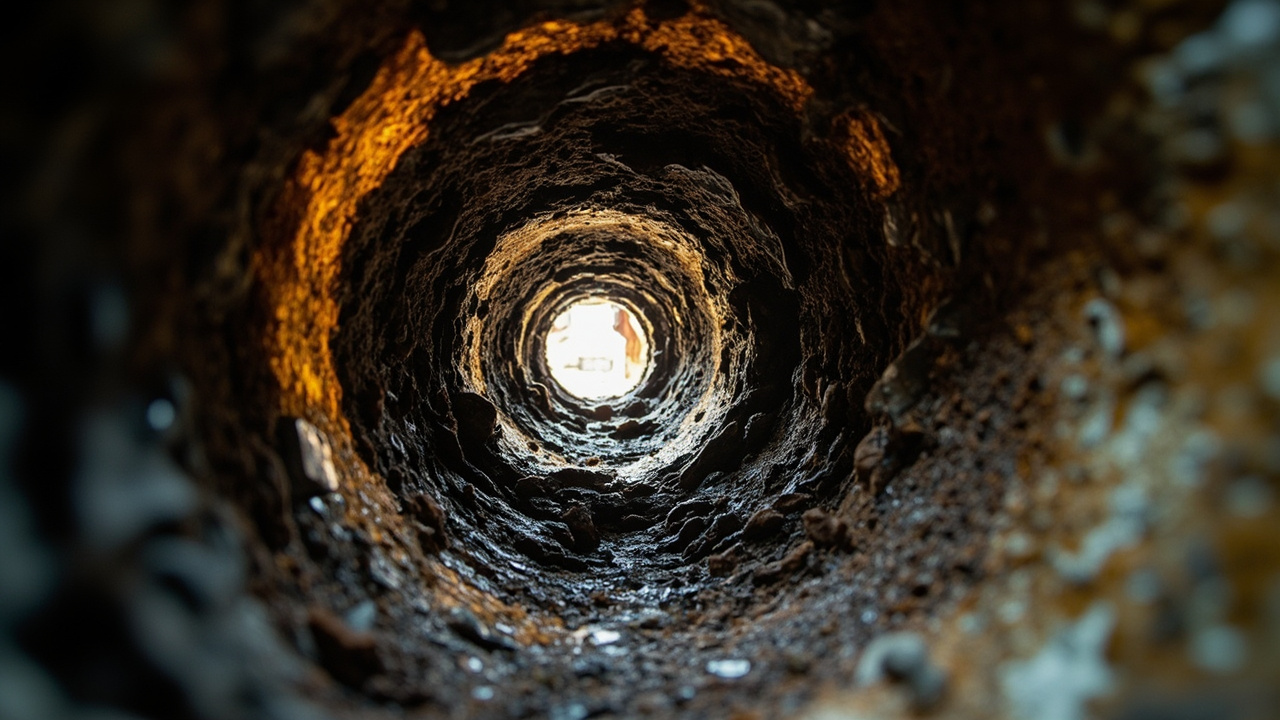
Identifying the symptoms of pipe decay early can save you from a major flood. One of the most common signs is the smell of sewer gas in your yard or bathrooms. This happens because cracks in the cast iron allow gases to escape. You might also notice that your sinks and tubs drain slowly despite using standard cleaning methods. Gurgling noises coming from the toilet when you run the bathroom sink are another red flag. These sounds indicate that the venting system or the main line is restricted by rust or root intrusion.
In 2026, we use high definition fiber optic cameras to inspect these lines. A camera inspection allows us to see the internal condition of the pipe without digging. We look for cracks, holes, and areas where the pipe has lost its circular shape. If we see standing water in the pipe even when no fixtures are running, it means the pipe has bellied or sagged. This is common in Willo homes where the ground has shifted over the last century.
Trenchless Pipe Repair Options in 2026
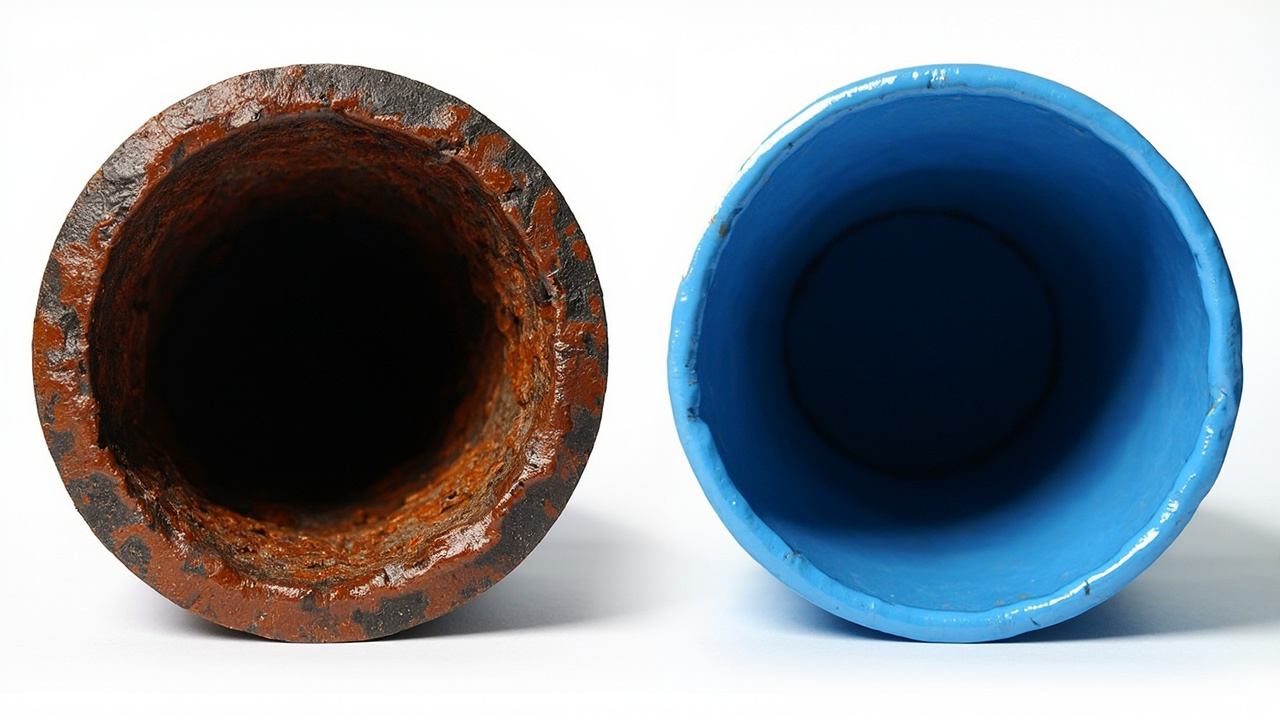
In the past, replacing a sewer line meant digging a trench through your living room or your front yard. For a historic home with original hardwood floors or custom tile, this is a disaster. Modern technology now allows us to fix these pipes from the inside. The most common method is Cured-in-Place Pipe or CIPP. This involve inserting a flexible liner coated with epoxy resin into the existing cast iron. Once the resin cures, it forms a new, seamless pipe inside the old one. This new pipe is resistant to roots and chemical corrosion.
Before we can install a liner, the old pipe must be cleaned. We use specialized descaling tools to scrape the rust and scale off the internal walls. In cases where the blockage is severe, we utilize high pressure water systems. We have seen great success clearing stubborn main line blockages with hydro jetting in Mesa and Phoenix properties to prepare them for lining. This ensures the epoxy bonds correctly to the surface and provides a permanent fix.
Comparison of Modern Pipe Restoration Methods
| Feature | CIPP Pipe Lining | Pipe Bursting | Traditional Excavation |
|---|---|---|---|
| Excavation Needed | Minimal (Access Point) | Small Entry/Exit Pits | Full Length of Pipe |
| Duration | 1 to 2 Days | 2 to 3 Days | 5 to 10 Days |
| Preservation | High (No floor damage) | Medium (Some digging) | Low (Heavy digging) |
| Lifespan in 2026 | 50+ Years | 50+ Years | 50+ Years |
Understanding the Impact of Phoenix Soil
Phoenix soil is notorious for its caliche layers. Caliche is a hardened natural cement of calcium carbonate that binds other materials like gravel and sand. It is incredibly difficult to dig through and can cause traditional plumbing projects to take twice as long. Cast iron pipes sitting in this soil are subject to external corrosion while they also corrode from the inside. When the bottom of the pipe disappears due to channeling, the sewage begins to carve a path through the dirt. This can lead to sinkholes or slab leaks.
Leaks occurring under the foundation often require the best way to handle a slab leak in Tempe or Phoenix strategies to prevent the house from settling unevenly. If you notice damp spots on your floor or a sudden increase in your water bill, you might have a leak in the supply lines or the drain lines. In 2026, insurance companies are increasingly strict about these repairs, so using a licensed professional is required for coverage.
Steps for a Successful Sewer Camera Inspection
- Locate the main sewer cleanout in the yard or near the foundation.
- Run water in several fixtures to ensure the line has enough moisture for the camera to slide easily.
- Insert the self leveling camera probe into the line and push it toward the city main connection.
- Record the footage while noting the distance of any cracks or root intrusions.
- Provide the homeowner with a digital copy of the 4K video for their records.
Cost Factors for Willo District Homeowners
Several factors influence the price of pipe replacement in 2026. The depth of your sewer line is the most significant factor. Homes in the Willo District typically have lines buried between three and six feet deep. If the line is deeper, the cost of excavation or access pits increases. The total length of the run from the house to the city tap also matters. Most Willo lots are deep, meaning the sewer line can be over 100 feet long.
The current 2026 pricing for trenchless lining is often higher per linear foot than PVC pipe, but it saves you thousands of dollars in restoration costs. You do not have to pay to replace your historic floors, cabinets, or yard. Additionally, the Arizona Registrar of Contractors requires specific standards for these repairs, so ensuring your contractor is compliant is vital for protecting your investment.
Updating Other Plumbing Systems Simultaneously
When you are addressing major sewer issues, it is a good time to look at the rest of your home. High mineral content in our local water can accelerate pipe scaling. This is why we recommend professional water softener installation for Chandler hard water and Phoenix homes to protect your new lines and appliances. Hard water causes calcium buildup in your pipes, which can restrict flow and damage your fixtures.
Many homeowners also choose to modernize their hot water systems during these renovations. Residents looking for efficiency often choose tankless water heater upgrades in Gilbert and central Phoenix while we have the main lines open for repair. These systems provide endless hot water and take up much less space than traditional tanks, which is a major benefit in smaller historic homes.
Current 2026 Maintenance Requirements
| Maintenance Task | Frequency | Reason |
|---|---|---|
| Camera Inspection | Every 2 Years | Monitor for new cracks or root growth |
| Hydro Jetting | As Needed | Remove grease and soap scum buildup |
| Tree Root Treatment | Annually | Prevent Palo Verde or Mesquite roots from entering joints |
| Visual Check | Monthly | Check for slow drains or odors |
Maintaining a historic home requires a proactive approach. In 2026, we suggest that all Willo residents have their sewer lines inspected at least once every two years. Desert trees like Palo Verde and Mesquite have incredibly aggressive root systems. They can find even the smallest crack in a cast iron pipe and grow inside, eventually causing a total blockage. Early detection allows for chemical treatments or light cleaning before the pipe becomes unsalvageable.
Working with the City of Phoenix
Any major pipe replacement requires a permit from the City of Phoenix Building Codes department. This is especially true in historic districts. The city wants to ensure that the repairs meet current safety standards and that the historic character of the neighborhood is maintained. When we perform trenchless lining, we provide the city inspectors with the video footage of the finished product. This proves the new line is continuous and free of defects. This documentation is also very helpful when you decide to sell your home, as it provides peace of mind to potential buyers.
Next Steps for Your Historic Home
If you suspect your pipes are failing, do not wait for a sewage backup to occur. The damage to your home and the health risks associated with raw sewage are not worth the delay. Start by scheduling a professional camera inspection. This will give you a clear picture of what is happening under your feet. Once you have the footage, you can make an informed decision about whether to use CIPP lining, pipe bursting, or traditional replacement. Protecting your Willo historic home starts with a strong foundation and a reliable plumbing system. Taking action today ensures your property remains a beautiful piece of Phoenix history for decades to come.