
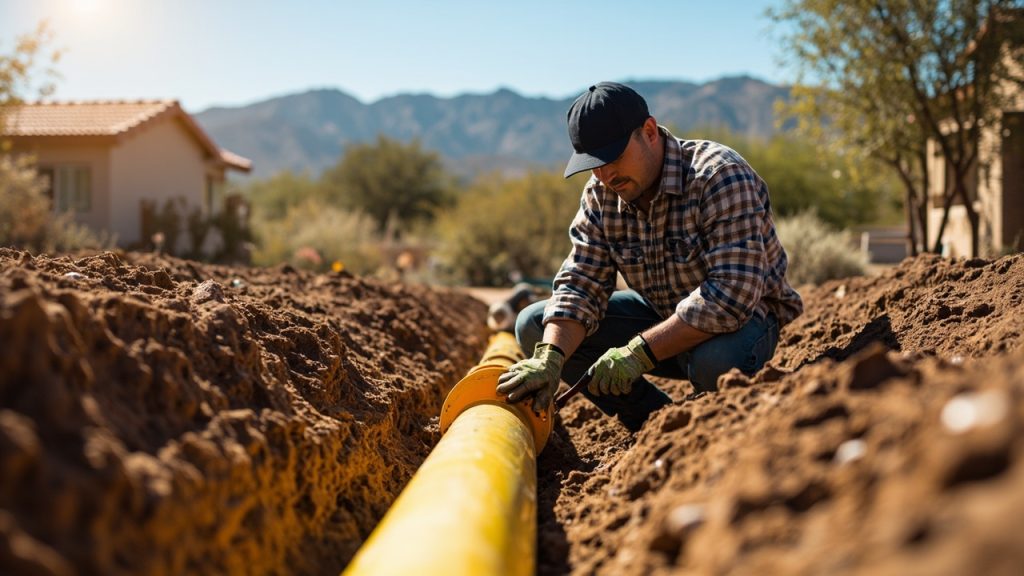
Living in the Verrado community during 2026 means making the most of the incredible mountain views and the desert lifestyle. Many homeowners in the Heritage District and the Victory neighborhoods are expanding their living spaces outward. An outdoor kitchen represents the ultimate upgrade for these homes. Adding a professional gas line for your grill or fire pit changes how you use your backyard. It removes the need for heavy propane tanks and provides a constant fuel source for high-output appliances. Professional Verrado outdoor gas line installation requires a deep understanding of local soil conditions and current safety codes set by the City of Buckeye.
Installing a natural gas line is not a simple weekend task. It involves trenching, specific pipe materials, and precise pressure testing. In the current year, the 2026 building standards have updated the requirements for outdoor utility extensions. You need a system that handles the thermal expansion caused by the intense Phoenix heat while resisting the corrosive nature of the local soil. This guide explains exactly what you need to know about bringing natural gas to your outdoor cooking station.
Choosing the Right Gas Pipe Materials for Arizona Soil
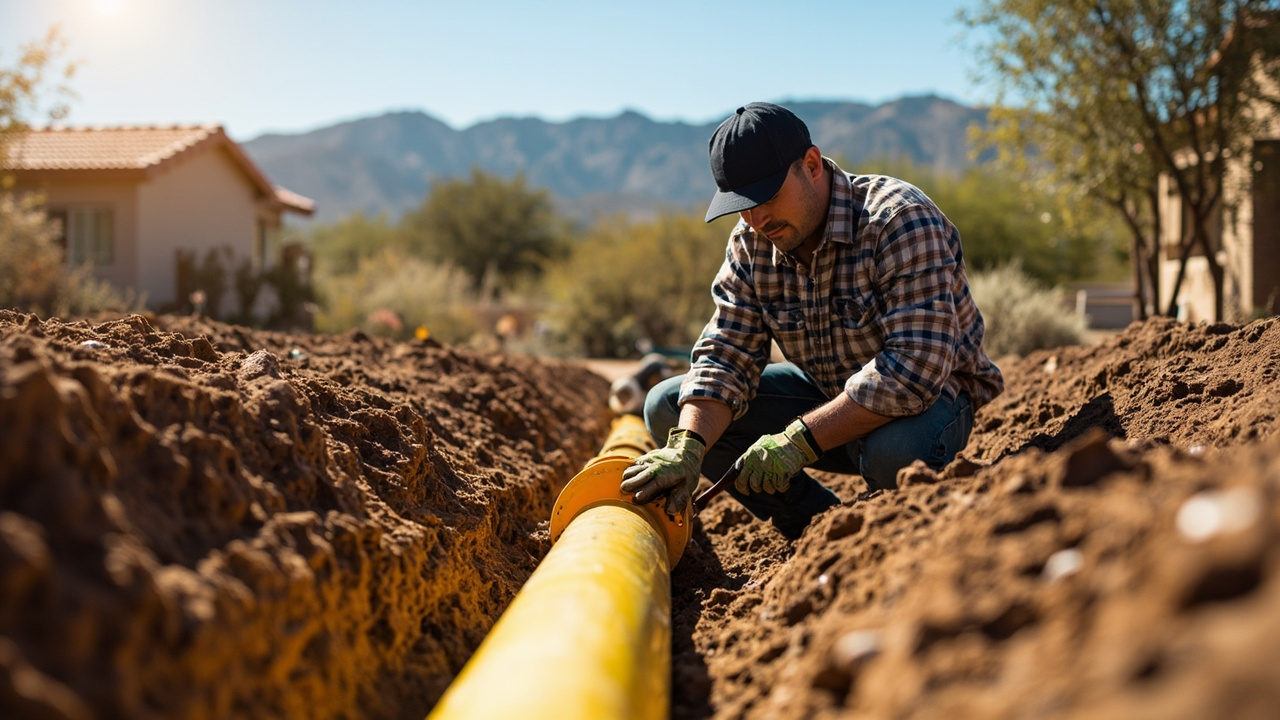
The ground in Buckeye often contains high levels of clay and minerals that can eat through standard metal pipes. In the past, people used galvanized steel, but that often led to leaks after a few years of moisture exposure. Today, we focus on materials that offer longevity and safety. Most modern Verrado installations use Yellow Polyethylene or PE pipe. This flexible plastic material does not rust. It comes in long rolls, which means fewer joints underground where leaks typically occur.
When the pipe comes out of the ground to connect to your BBQ island, we use an anodeless riser. This specialized fitting transitions the plastic pipe to a metal connection safely. For the final connection to your grill or pizza oven, corrugated stainless steel tubing, known as CSST, is the standard. It allows for a bit of movement and makes the final hookup much easier than rigid pipe. If you ever experience a smell of gas near these connections, you should call for an emergency plumber to your Scottsdale home fast or your local Buckeye specialist immediately.
| Material Type | Primary Use Case | Lifespan in 2026 | Corrosion Resistance |
|---|---|---|---|
| Yellow Poly (PE) | Main underground burial | 50 plus years | High |
| Black Iron | Indoor exposed lines | 30 years | Low |
| CSST Tubing | Final appliance hookup | 30 plus years | Medium |
| Copper (Coated) | Specialized gas runs | 25 years | High |
Gas Line Sizing and BTU Requirements for Your Kitchen
One of the most common mistakes is installing a gas line that is too small for the equipment. Every gas appliance has a British Thermal Unit or BTU rating. A high-end infrared grill might pull 80,000 BTUs. A large fire pit can pull another 60,000 BTUs. If your main gas line is only half an inch thick and runs 50 feet from the meter, you will not have enough pressure to run both at the same time. The flame on your grill will flicker and die when you start the fire pit.
We calculate the total load by adding up every appliance in your outdoor kitchen. Then we measure the distance from your gas meter to the furthest appliance. In 2026, we use specific sizing tables from the International Association of Plumbing and Mechanical Officials to determine the correct pipe diameter. Often, upgrading to a three-quarter inch or one-inch line is necessary to ensure your kitchen performs as expected. This is especially true if you also have a tankless water heater upgrade inside the house that already pulls a high volume of gas.
The Installation Process for Verrado Outdoor Gas Lines
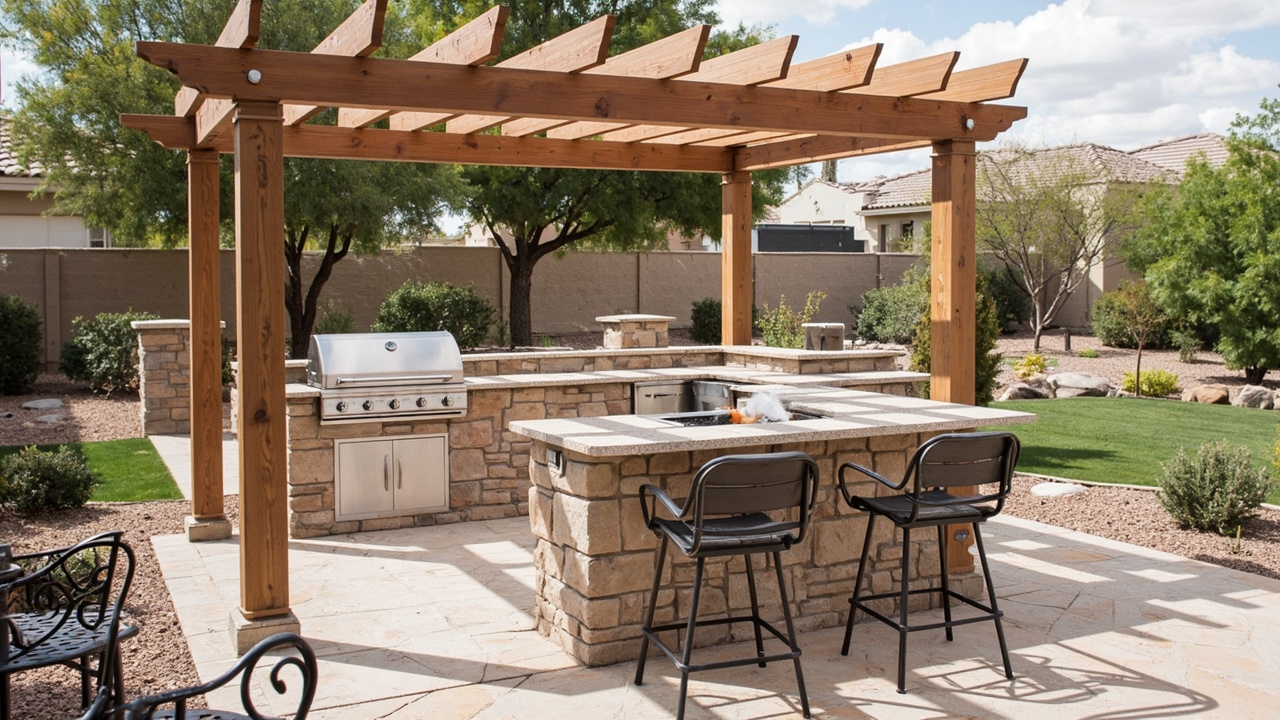
The installation starts with a clear plan of where your appliances will sit. We mark the path from the gas meter to the BBQ island. In Verrado, we must be careful of existing irrigation lines and landscape lighting wires. Trenching is the next step. Most gas lines in Buckeye must be buried at least 18 inches deep. This protects the pipe from accidental damage during future landscaping or yard work.
Once the trench is ready, we lay the pipe along with a tracer wire. A tracer wire is a small copper wire that allows utility locators to find the plastic gas line in the future using a metal detector. Without this, a future homeowner might dig right through your gas line. After the pipe is in place, we install the shut-off valves at each appliance location. Safety is the priority, so every grill and fire pit needs its own dedicated valve for quick shutdowns.
Required Steps for a Successful Install
- Obtain a building permit from the City of Buckeye Building Department
- Mark all existing underground utility lines through Arizona 811
- Excavate a trench to a minimum depth of 18 inches
- Install the primary PE gas line with a tracer wire
- Connect anodeless risers at the meter and the kitchen island
- Perform a high pressure test to ensure there are no leaks
- Schedule a final inspection with the city inspector
- Backfill the trench and restore the landscape
Buckeye Building Permits and Verrado HOA Compliance
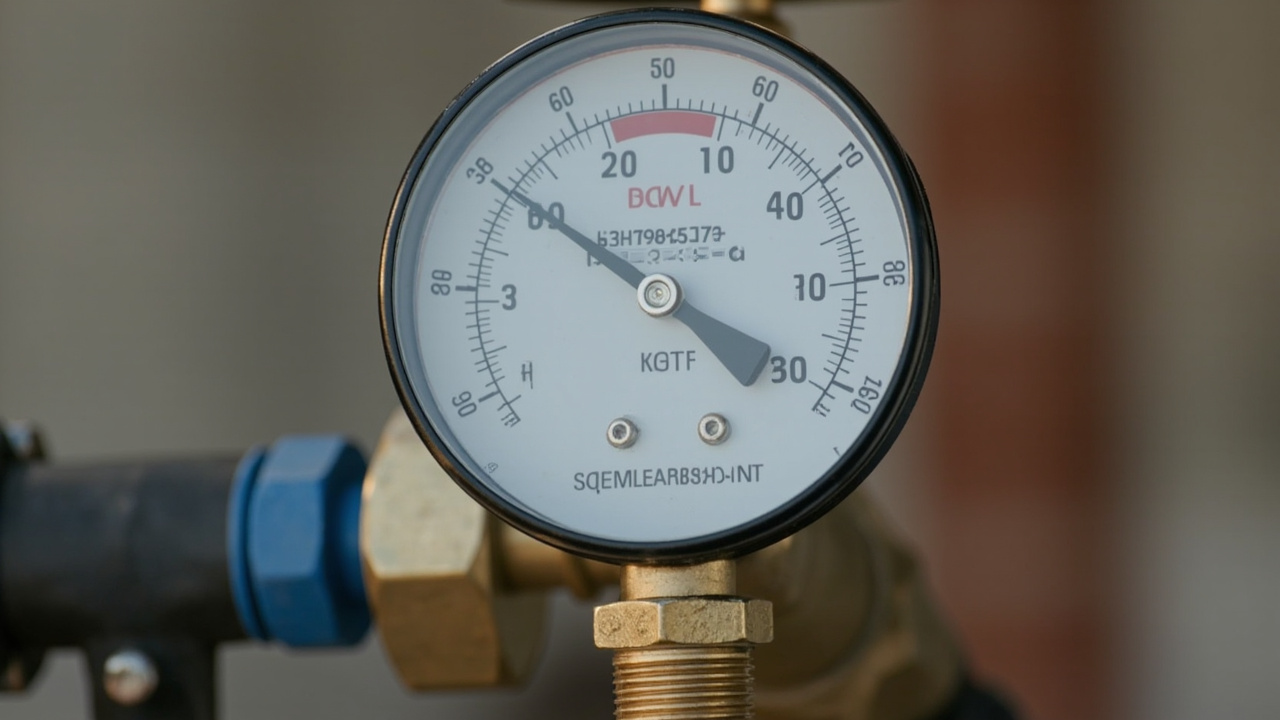
You cannot skip the permitting process for gas work in Verrado. The City of Buckeye requires a plumbing permit for any new gas line extension. This ensures that a third party verifies the work is safe. The inspection involves a pressure test where we pump air into the line at 15 pounds per square inch. The line must hold that pressure for at least 15 minutes without any drop on the gauge. This proves the system is airtight before we ever turn on the gas.
Verrado also has strict Homeowners Association rules regarding outdoor structures. Your BBQ island or fire pit must match the aesthetic of the neighborhood. While the gas line itself is underground and out of sight, the location of the stub-out matters. We work within these guidelines to ensure your utility hookups do not interfere with the architectural requirements of the community. If you are digging near your home foundation, you should also be aware of how water and gas lines interact, similar to how a slab leak in Tempe can cause major structural issues if not handled properly.
Safety Standards for Outdoor Gas Appliances
Outdoor gas appliances in 2026 come with advanced safety features like automatic shut-off sensors. However, the installation must still follow basic safety distances. For example, a gas fire pit should be at least ten feet away from any combustible structures like your house or a wooden pergola. Proper ventilation is also required for BBQ islands. Natural gas is lighter than air, but if it gets trapped inside a stone island without vents, it can create a dangerous situation.
We install stainless steel vent covers on the sides of your outdoor kitchen island. These allow any leaking gas to escape into the atmosphere instead of building up inside the cabinet. We also recommend installing a master shut-off valve near the house. This allows you to turn off the gas to the entire backyard system if you go on vacation or if there is a storm. If your backyard project involves heavy excavation, you might also need hydro jetting in Mesa style services to clear out old debris from drainage lines that could be impacted by the new gas trench.
| Feature | Propane Tanks | Natural Gas Line |
|---|---|---|
| Fuel Supply | Must refill manually | Continuous and unlimited |
| Heat Output | High | High and consistent |
| Safety Risk | Tank storage hazards | Requires professional burial |
| Long Term Cost | Higher per gallon | Lower utility rates |
Connecting Outdoor Sinks and Wet Bars
Many Verrado outdoor kitchens include a sink for food prep. If you are already digging a trench for a gas line, it is the perfect time to run water and sewer lines as well. In the Buckeye heat, having a sink makes outdoor cooking much more convenient. However, our local water is very hard. To protect your outdoor faucets and high-end outdoor dishwashers, you should consider a professional water softener installation for your home. This prevents calcium buildup from ruining your new outdoor fixtures.
Water lines for outdoor kitchens must also be buried to the correct depth to prevent the water from becoming scalding hot in the summer sun. We use insulated PEX or copper for these runs. The drainage must connect back to your main home sewer line or a dedicated greywater system that meets Buckeye city codes. Combining these utilities into one project saves you money on excavation costs and minimizes the time your backyard looks like a construction zone.
Why Professional Gas Fitting is Vital
A gas leak is a significant hazard that can lead to fire or explosions. Unlike a water leak, you cannot always see the danger immediately. Professional gas fitters use specialized tools like electronic sniffers and manometer gauges to find the smallest leaks. We also ensure that the gas meter itself is capable of handling the increased demand. If your new kitchen adds 200,000 BTUs to your home total, we may need to contact Southwest Gas to request a larger meter or a high pressure regulator.
In 2026, we also see many homeowners adding gas-powered pool heaters alongside their outdoor kitchens. These units pull a massive amount of fuel and require dedicated two-inch lines in some cases. Attempting to DIY these connections often leads to appliance failure or code violations that will show up when you try to sell your home. Hiring a licensed contractor ensures the work is bonded and meets every safety standard required for the Verrado community. We handle the paperwork, the trenching, and the final testing so you can focus on picking out your new grill and enjoying the sunset over the White Tank Mountains.
Planning your outdoor kitchen should be an enjoyable process. By addressing the gas line requirements early, you avoid delays and unexpected costs. Whether you are in the newer sections of Verrado or one of the original custom home sites, a professional gas installation adds lasting value and safety to your property. If you are ready to start your backyard transformation, contact a local plumbing expert who knows the Buckeye area and the specific needs of Verrado residents.