
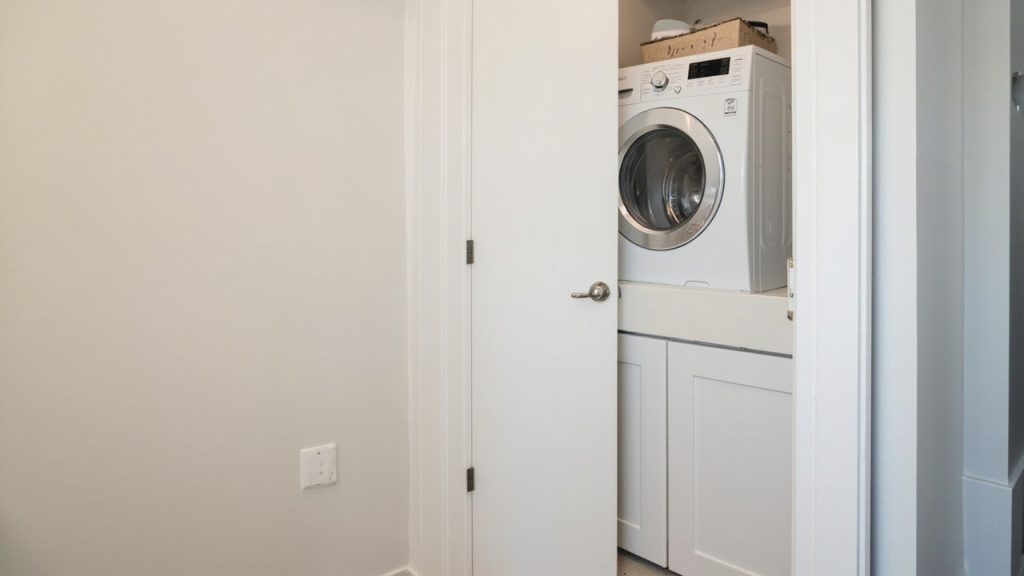
Planning an Upper Floor Laundry Relocation in Arrowhead Ranch
Homeowners in the Arrowhead Ranch area of Phoenix frequently look for ways to modernize their floor plans. Many original layouts in neighborhoods like Sierra Verde or Legend Trails placed laundry rooms in the garage or a cramped hallway off the kitchen. Moving these facilities to the second floor near the bedrooms provides incredible convenience. This transition involves more than just moving machines. It requires a deep understanding of the Uniform Plumbing Code and the structural realities of Phoenix residential builds.
A second floor relocation involves routing new water supply lines and installing a dedicated drain system. You also need to manage the high vibration of modern high efficiency washers on a wood framed floor. This project is a significant plumbing undertaking that changes how your home handles greywater and venting. In the current 2026 housing market, these upgrades significantly improve property value and daily functionality for busy families near the 101 Loop.
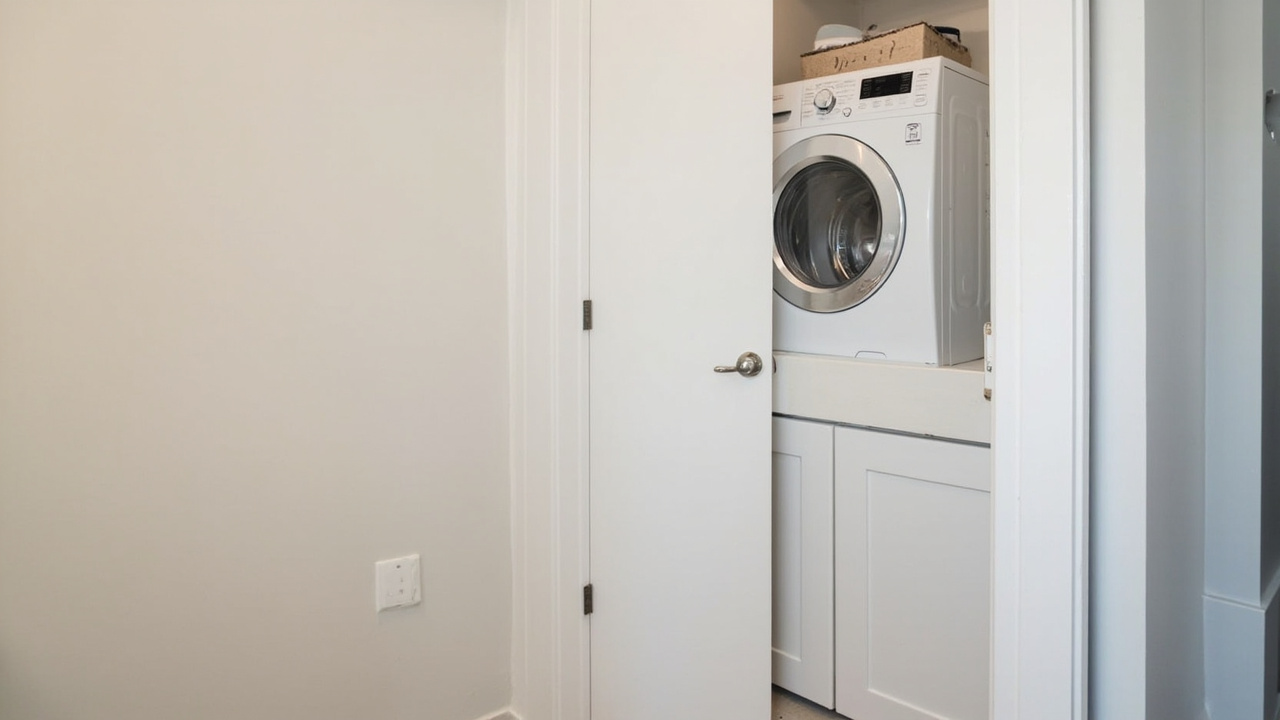
Technical Plumbing Requirements for Second Floor Laundry Rooms
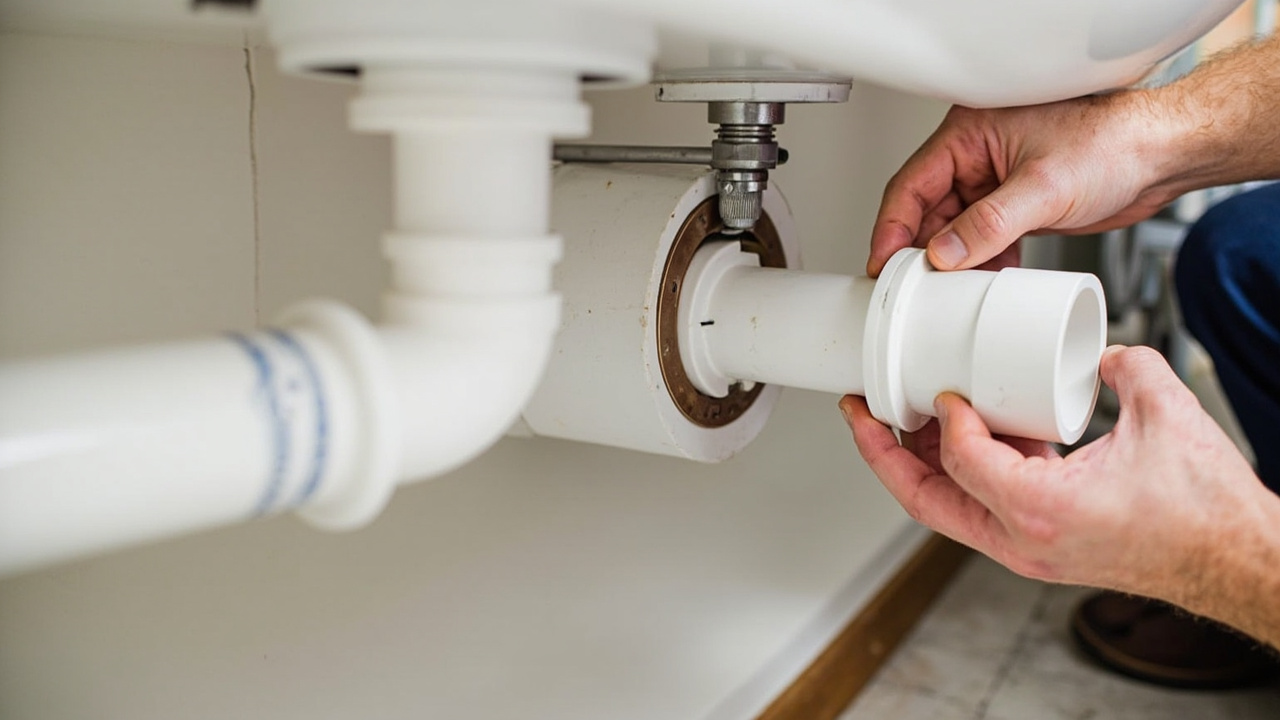
The core of any laundry move is the drain waste and vent system. In Phoenix, the building department requires a 2 inch diameter pipe for the washing machine drain. Older homes might have 1.5 inch lines, but these cannot handle the high volume of water discharged by modern pumps. You must install a standpipe that reaches between 18 and 42 inches above the P-trap weir. This prevents suds from backing up and ensures the pump does not struggle during the drain cycle.
Venting is the next hurdle. Every trap needs a vent to prevent sewer gases from entering your home and to allow water to flow smoothly. If you cannot tie into the existing main stack, we often install an air admittance valve if local codes allow it. However, most professional installations in 2026 prefer a direct line through the roof. This ensures the system breathes correctly during the intense Phoenix monsoon season when pressure changes can affect plumbing performance.
Water supply lines are usually 0.5 inch copper or PEX. In Arrowhead Ranch, the local water is notably hard. This can cause scale buildup in new lines very quickly. Many homeowners find that professional water softener installation is a necessary addition to protect their new plumbing and expensive washing machines from Phoenix mineral deposits.
Structural Considerations and Vibration Dampening
Placing a heavy, vibrating appliance on a second floor requires checking the floor joists. Most Arrowhead Ranch homes built in the late nineties or early two thousands use standard wood joists. While these are strong, the rhythmic spinning of a washer can cause the floor to bounce. This can lead to drywall cracks in the ceiling below. We recommend reinforcing the subfloor or using specialized vibration pads to isolate the machine from the house frame.
Soundproofing the new laundry closet is another frequent request. We use cast iron drain pipes instead of PVC for the vertical drop whenever possible. Cast iron is significantly quieter, which means you will not hear the rushing water every time the washer drains while you are downstairs in the living room. This is a hallmark of a high quality professional installation.
Water Damage Prevention and Safety Standards
The biggest risk with upstairs laundry is a leak. A failed hose on the first floor is a mess, but a failed hose on the second floor is a catastrophe. It can destroy ceilings, flooring, and electrical systems on the level below. This is why we insist on a leak protection system. This includes a heavy duty drain pan placed under the washer. This pan must be plumbed into a dedicated 1 inch drain line that leads to the outdoors or a floor drain.
In 2026, we also install automatic shut off valves. These sensors sit on the floor and detect moisture. If a hose bursts, the sensor immediately kills the water supply to the laundry room. This level of protection is standard for modern Phoenix renovations. If you ever face a sudden pipe failure before these systems are in place, you should know the steps for getting an emergency plumber fast to minimize the spread of water through your walls.
| Component | Standard Requirement | Phoenix Local Code Note |
|---|---|---|
| Drain Pipe Diameter | 2 Inches | Must be schedule 40 PVC or ABS |
| Standpipe Height | 18 to 42 Inches | Measured from the trap weir |
| Water Supply | 0.5 Inch Minimum | Hot and cold required with shutoffs |
| Vent Size | 1.5 Inches Minimum | Must terminate through the roof or AAV |
Navigating City of Phoenix Permits and Inspections
Relocating a laundry room is not a weekend DIY project. It requires a permit from the City of Phoenix Planning and Development Department. An inspector will need to verify the rough-in plumbing before the walls are closed. They check for the correct slope on the drain lines, which must be at least 0.25 inch of drop for every foot of horizontal run. They also verify that the water hammer arrestors are installed to prevent pipes from banging when the washer valves snap shut.
Failure to get a permit can cause major issues when you try to sell your Arrowhead Ranch home later. It can also lead to insurance claims being denied if a leak occurs. Licensed plumbers handle the permitting process for you. This ensures that every connection meets the current Uniform Plumbing Code standards. This professional oversight is why these projects are successful and leak free for decades.
Managing the Hot Water Demand
Moving your laundry upstairs might change how your water heater performs. If your water heater is in the garage, it now has to push hot water much further. You might wait several minutes for the water to get hot at the washer. This wastes water and is frustrating. We often suggest installing a recirculation pump or even a dedicated small unit. Many local families are choosing tankless water heater upgrades to provide endless hot water to every floor of the home without the wait.
Gas Versus Electric Dryer Connections
You must also decide on the dryer type. Most second floor relocations utilize electric dryers because routing a 4 inch dryer vent is easier than running a new gas line. However, if you prefer a gas dryer, a gas line must be extended from the main manifold. This requires specialized corrugated stainless steel tubing or black iron pipe. Gas lines require their own specific pressure testing and inspections to ensure safety within the home.
Dryer venting is equally critical. The vent path should be as short and straight as possible. Every elbow in the duct reduces airflow and increases lint buildup. In 2026, we utilize heavy duty wall boxes that allow the dryer to sit flush against the wall without crushing the duct. This improves efficiency and reduces the risk of dryer fires.
| Project Stage | Average Duration | Key Professional Involved |
|---|---|---|
| Permitting and Planning | 1 to 2 Weeks | Licensed Master Plumber |
| Rough-in Plumbing | 2 to 3 Days | Plumbing Installation Crew |
| Electrical and Gas | 1 Day | Licensed Electrician or Gas Tech |
| Drywall and Finish | 3 to 5 Days | Drywall Specialist and Painter |
The Importance of Professional Main Line Integration
Your new laundry drain will eventually connect to the main waste stack of the house. This increases the load on your home sewer system. Before starting a relocation, it is a good idea to have your main line inspected. If your home has older pipes or roots from large desert trees, the extra volume from a second floor laundry could trigger a backup. For homes with significant buildup, hydro jetting in Mesa or Glendale can clear the lines to ensure they handle the new flow without issue.
The connection point must be downstream of other fixtures to prevent siphoning. If the laundry line is tied in incorrectly, it could pull water out of your toilet bowls or sink traps every time it drains. A master plumber understands the math behind fixture units and stack loading to avoid these common design errors.
Addressing Potential Floor Leaks and Foundation Impacts
While the focus is on the second floor, the plumbing work eventually leads to the ground. If your home has a post tension slab, we must be extremely careful when connecting new lines at the ground level. Any mistake in the foundation area could lead to a situation similar to handling a slab leak in Tempe homes. We use specialized scanning tools to locate cables and existing pipes before any drilling or cutting occurs.
[IMAGE_PLACE_HOLDER_3]
Common Questions About Moving Laundry Upstairs
- Can I use my existing bathroom drain for the washer? No, a washing machine requires a 2 inch dedicated line to handle the discharge rate. Bathroom sinks typically use 1.5 inch lines.
- Do I need a floor drain? While not always required by code if a pan is present, a floor drain is highly recommended for any laundry room located above the first floor.
- Will it make my house loud? Only if installed poorly. Using cast iron vertical pipes and vibration pads makes the system very quiet.
- How do I vent the dryer? The vent must lead directly to the outside, usually through a side wall or the roof. It cannot vent into the attic or a crawlspace.
Final Thoughts on Laundry Room Relocations
Relocating your laundry room to the second floor of your Arrowhead Ranch home is a smart investment that pays off in convenience every single day. By focusing on high quality materials like PEX-B or copper for supply lines and cast iron for drainage, you create a system that is both quiet and reliable. Always ensure your project is backed by the proper City of Phoenix permits and performed by experts who understand the unique challenges of Arizona plumbing. If you are ready to start planning your laundry room move, contact a local plumbing professional to evaluate your home structure and provide a detailed technical plan.