

Understanding the Root Problem in Phoenix Neighborhoods
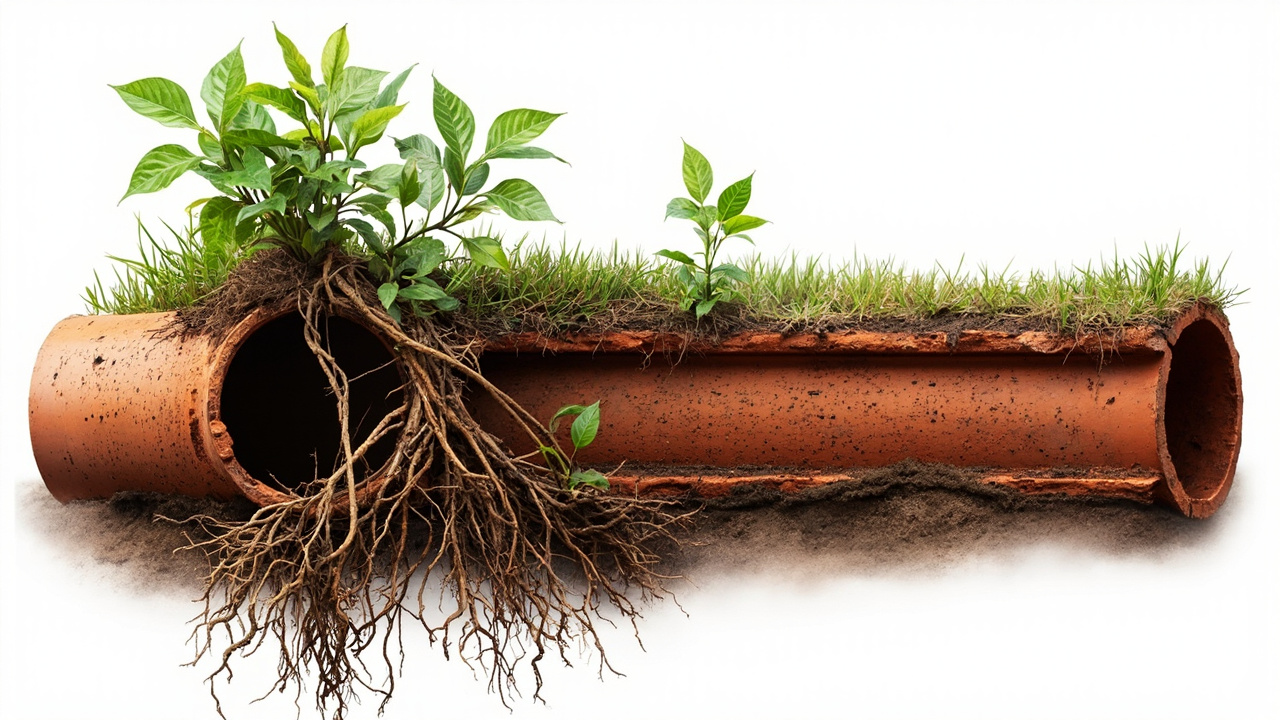
Your home near the Papago Park Buttes sits on unique ground. The soil in this part of Phoenix shifts as the seasons change. The trees in our desert landscape are persistent. If you live in a home built several decades ago, your sewer lines likely consist of vitrified clay or cast iron. These materials were the standard for a long time but they possess a major weakness. They have joints every few feet. Over decades, those joints settle and create tiny gaps. Tree roots are experts at finding these gaps. They follow the moisture and the warmth radiating from your sewer pipes. Once a single hair like root gets inside, it finds a steady supply of nutrients. It grows quickly. Before you know it, that tiny root becomes a thick mass that blocks your entire waste system.
Homeowners in the Papago Park area often see the first signs of trouble in their bathrooms. You might hear a gurgling sound coming from the toilet when the washing machine drains. You might notice that the shower takes longer to empty than it did last month. These are not just minor inconveniences. They are early warnings of a total mainline stoppage. In 2026, we see more of these issues as the mature landscaping in established Phoenix neighborhoods reaches its full growth potential. The Ficus and Mesquite trees that looked small ten years ago now have root systems spanning fifty feet or more.

Why Papago Park Homes Face Sewer Challenges
The geography around Papago Park contributes to plumbing stress. The ground contains high levels of caliche. This is a natural cement like soil layer common in the Sonoran Desert. Caliche does not allow water to penetrate easily. When you water your trees, the moisture sits near the surface or follows the loose soil around your utility trenches. Tree roots follow the path of least resistance. This path leads them straight to your sewer lateral. Because older homes in this area used clay pipes, the roots can easily push through the hub and spigot joints.
Unlike newer PVC pipes that use solvent weld joints to create a single continuous tube, clay pipes are just sections laid together. They rely on mortar or rubber gaskets that degrade over time. If you are experiencing repeated backups, you should consider the age of your system. Residents dealing with similar structural issues often look for the best way to handle a slab leak in Tempe when the water lines under the foundation begin to fail as well. In the Papago Park area, the sewer line is usually the first part of the infrastructure to go.
Identifying the Signs of a Root Blockage
You must act fast when you suspect root intrusion. Waiting leads to raw sewage backing up into your tubs and sinks. Look for these specific indicators in your Phoenix home.
- Slow drainage across multiple fixtures in the house
- Frequent toilet overflows that seem to happen for no reason
- A persistent smell of rotten eggs or sewer gas in the yard
- Unusually green or lush patches of grass near the sewer line path
- Sinking soil or indentations in the landscape above the pipe
If you see these signs, do not reach for chemical drain cleaners. Those chemicals are heavy and usually sit at the bottom of the pipe. They rarely reach the roots growing from the top of the pipe. Furthermore, the heat generated by some chemical reactions can damage older pipes that are already brittle. You need a professional assessment to determine the extent of the growth.
Local Trees with the Most Aggressive Root Systems
Not all trees are equal when it comes to plumbing damage. Some species in Phoenix are notorious for seeking out sewer lines. Knowing what is planted in your yard helps you predict potential problems. The following table shows the aggression levels of common trees found in the Papago Park and surrounding East Valley areas.
| Tree Species | Root Aggression Level | Recommended Distance from Sewer |
|---|---|---|
| Ficus Nitida | Extreme | 30+ Feet |
| Arizona Ash | High | 25 Feet |
| Mexican Palo Verde | Moderate | 15 Feet |
| Honey Mesquite | High | 20 Feet |
| Oleander (Shrub) | Low | 10 Feet |
The Ficus Nitida is perhaps the biggest threat to Phoenix sewers in 2026. These trees provide excellent shade, but their roots are incredibly strong. They can lift sidewalks and crush cast iron pipes. If you have one of these near your main line, regular maintenance is a necessity, not an option.
Diagnostic Tools for Modern Sewer Maintenance
We no longer guess where the problem lies. In 2026, we use high definition sewer cameras to see exactly what is happening underground. We insert a waterproof camera into your cleanout. This device travels the length of the pipe and sends a live feed to a monitor. We can see the exact point where roots have entered. We can see if the pipe is just blocked or if the roots have actually fractured the line. This technology saves you money because we do not have to dig up your yard just to find the leak.
A camera inspection also reveals the condition of your pipe walls. In older Phoenix homes, cast iron pipes often suffer from scaling. This is a buildup of rust and minerals that catches debris and hair. When you combine scaling with tree roots, you get a blockage that no plunger can fix. If we find that the roots have caused significant structural damage, we move to repair options that do not involve destroying your desert landscaping.
Clearing Roots with High Pressure Hydro Jetting
The most effective way to clear a root mass without digging is hydro jetting. This process uses water pressurized to nearly 4,000 PSI. We use specialized nozzles that spin and cut through the roots like a saw. Unlike an old fashioned snake or auger, hydro jetting cleans the entire diameter of the pipe. A snake only pokes a hole through the roots. Hydro jetting washes away the grease, grit, and root fibers completely. For those in neighboring areas, clearing stubborn main line blockages with hydro jetting in Mesa has become the standard for maintaining aging infrastructure.
Hydro jetting is also safer for older pipes. Mechanical blades can sometimes catch on the edges of clay pipe joints and cause them to shift. Water is powerful but gentle on the structure of the pipe. Once the lines are clear, we often apply a root inhibitor. This is a foaming agent that coats the inside of the pipe. It does not kill the tree, but it stops new roots from growing in that specific spot for about a year.
Long Term Solutions with Trenchless Pipe Lining
If the roots keep coming back every few months, you have a structural problem. The joints are open, and the trees know it. You could dig up the yard and replace the pipe, but that is expensive and messy. In 2026, most Papago Park homeowners choose trenchless pipe lining. This is also known as Cured In Place Pipe or CIPP. We use your existing cleanout to pull a flexible liner into the old pipe. This liner is saturated with a special epoxy resin.
Once the liner is in place, we inflate it. The resin hardens and creates a new, seamless pipe inside your old one. This new pipe has no joints. Without joints, there is no way for roots to get back in. This technology is a favorite for people with expensive pavers or mature desert gardens because it requires almost no digging. It effectively turns your old clay line into a modern, root proof system that can last for fifty years or more.
| Feature | Traditional Replacement | Trenchless Pipe Lining |
|---|---|---|
| Typical Duration | 3 to 5 Days | 1 Day |
| Landscape Damage | Heavy Digging Required | Minimal to None |
| Root Resistance | Moderate (New Joints) | High (Seamless) |
| Cost Factor | High Labor and Restoration | Higher Material, Lower Labor |
| Life Expectancy | 50 Years | 50+ Years |
Many people find that the cost of restoring their yard after a traditional dig makes trenchless repair the more affordable choice. This is especially true if the sewer line runs under your driveway or a decorated patio. If you are already looking into home upgrades, you might also consider why Gilbert homeowners are choosing tankless water heater upgrades this year to improve overall efficiency while your plumbing system is being modernized.
Maintaining Your Sewer Line in the Sonoran Desert
Prevention is the best way to avoid a midnight plumbing emergency. If you own an older home in Phoenix, you should have your sewer line inspected every two years. This is even more important if you have a water softener. While these systems are great for our local water, you need professional water softener installation for Chandler hard water to ensure the discharge does not negatively impact your specific drainage setup. Proper maintenance of all your systems keeps the whole house running smoothly.
If you experience a total backup after hours, do not panic. Finding an emergency plumber to your Scottsdale home fast or to your Papago Park residence is possible in 2026. Most modern plumbing companies keep a technician on call specifically for main line failures. Turn off your water main to stop any more liquid from entering the drains until help arrives. This prevents further damage to your flooring and cabinets.
Choosing the Right Plumber for the Job
When you hire someone to handle tree roots, check their credentials. They must be licensed by the Arizona Registrar of Contractors. Root removal in older pipes requires a delicate touch and the right equipment. A cheap fix often leads to a more expensive repair later when a pipe collapses because it was handled poorly. Ask if the company provides a video recording of the line after the cleaning is done. This is your proof that the roots are gone and the pipe is intact.
Living in the Papago Park area offers beautiful views and a great local community. Do not let hidden tree roots ruin your experience of owning an older home. With modern 2026 technology like hydro jetting and trenchless lining, you can protect your property and keep your drains flowing perfectly for years to come. If your toilets are gurgling or your drains are slow, call a professional to get a look inside your pipes before a small root becomes a big disaster.