
Why Phoenix Hard Water Shortens Tankless Lifespans
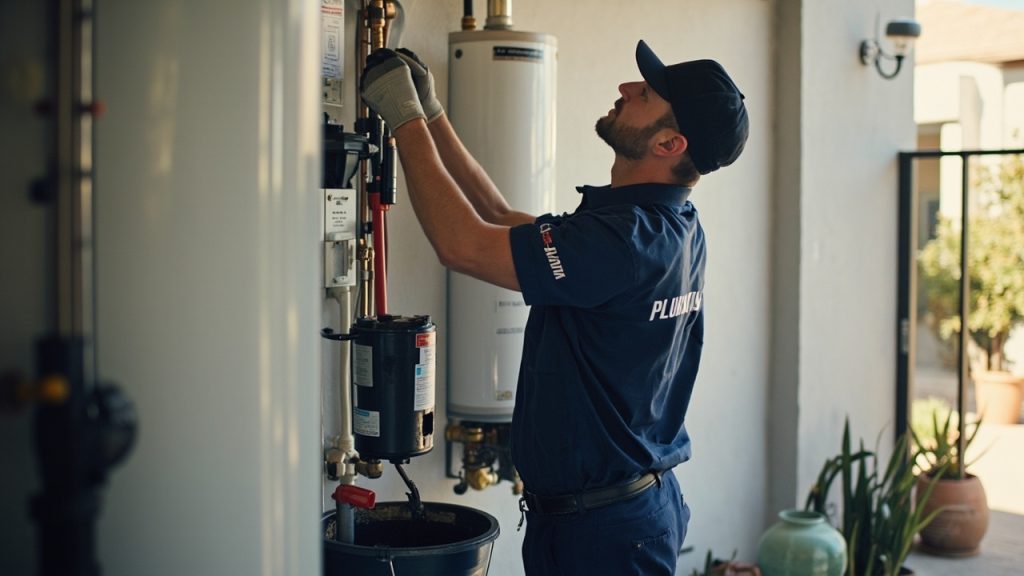
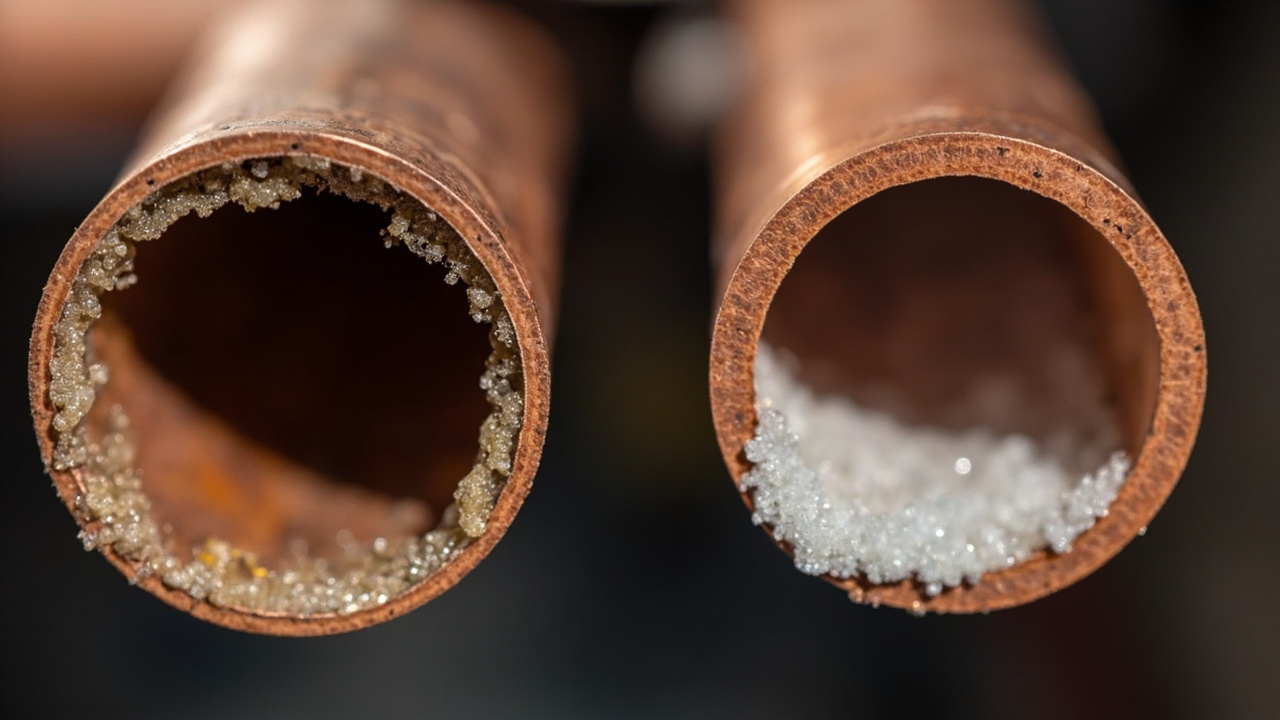
Living in the high desert of the Phoenix metro area provides beautiful views and unique challenges for your home plumbing. Residents in neighborhoods like Troon North and DC Ranch often deal with some of the hardest water in the country. The mineral content in our local supply usually measures between 12 and 15 grains per gallon. These minerals include calcium and magnesium which are the primary culprits behind scale buildup. In a standard water heater these minerals settle at the bottom of the tank. In a tankless system they attach directly to the copper or stainless steel heat exchanger.
When you use your hot water the heat exchanger reaches extreme temperatures to flash heat the water. This process causes minerals to solidify and bake onto the surface of the metal. Over time this layer of scale acts as an insulator. This forces the unit to run longer and hotter to achieve the same water temperature. If you do not perform regular maintenance the system will eventually overheat. Most modern units will trigger an error code like LC or E5 and shut down completely to prevent the heat exchanger from cracking. This is why getting an emergency plumber to your Scottsdale home fast becomes necessary when maintenance is ignored.
Step by Step How to Flush Your Tankless Water Heater
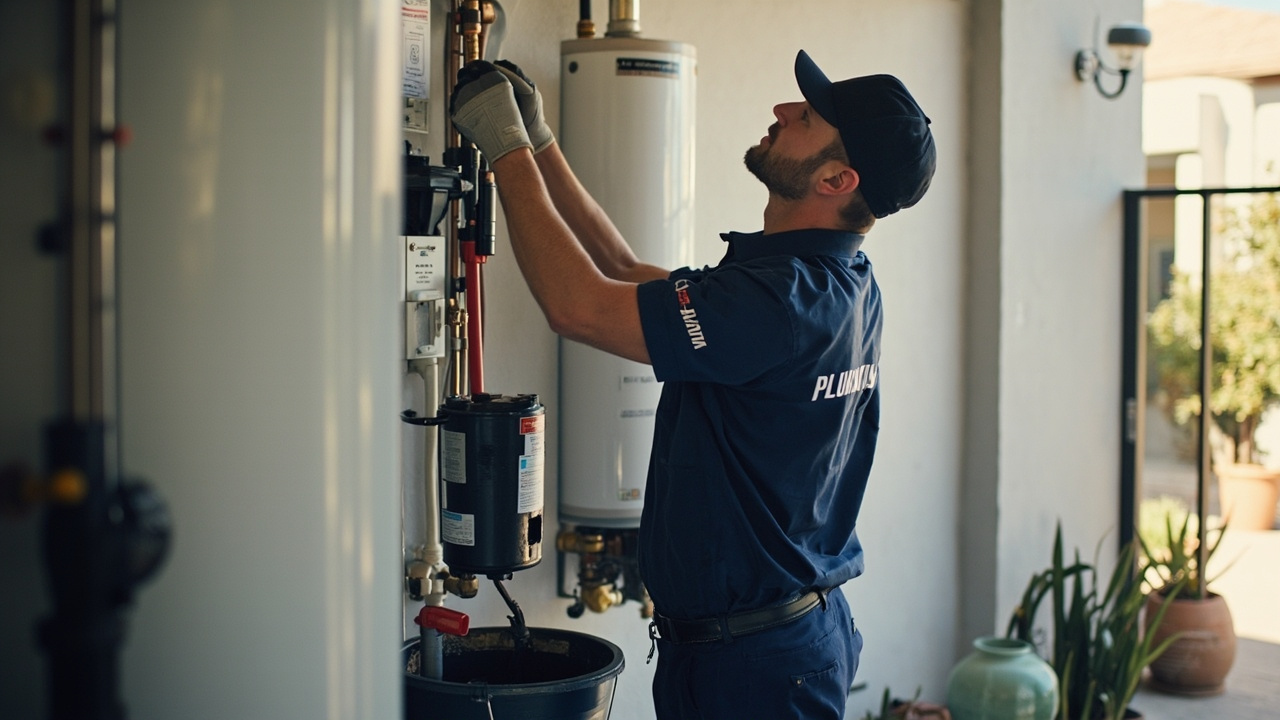
The process of descaling involves circulating a food grade acid through the unit to dissolve mineral deposits. Most homeowners in North Scottsdale use a specialized kit that includes a submersible pump and two reinforced hoses. You must ensure your unit has service valves installed. These are the small T-shaped valves located on the cold and hot water lines directly beneath the heater. If your system lacks these valves you cannot perform a flush without cutting into the pipes. This is a common issue we see in older installations across the Valley.
To begin you must turn off the power supply and close the main water valves. This isolates the heater from the rest of the house. You then connect the hoses to the service ports. The cold water hose connects to the pump while the hot water hose drains back into a five gallon bucket. You fill the bucket with roughly four gallons of virgin white vinegar or a flow aided descaling solution. Professional plumbers in Phoenix often prefer commercial grade solutions because they work faster than standard vinegar on heavy buildup. Once everything is secure you turn on the pump and let the solution circulate for at least 45 to 60 minutes.
Essential Tools for Tankless Maintenance
- Submersible utility pump rated for at least 1/6 horsepower
- Two 5 foot reinforced rubber hoses with 3/4 inch female garden hose fittings
- One 5 gallon heavy duty plastic bucket
- 4 gallons of food grade white vinegar or commercial descaling liquid
- A set of adjustable wrenches for valve caps
- Clean rags for wiping down the exterior and catching small drips
Signs Your System Needs Professional Descaling
You do not always have to wait for a total shutdown to know your unit is struggling. One of the most common signs of scale buildup is a fluctuating water temperature. If you notice your shower goes from hot to lukewarm and back again the unit is likely struggling to maintain a consistent flame because the flow sensor is coated in minerals. Another indicator is a humming or vibrating sound during operation. This often points to restricted water flow inside the heat exchanger. You can read more about the science of tankless water heating to understand how flow rates impact performance.
Reduced flow rate is another major symptom. If your kitchen faucet seems to have less pressure than it did a few months ago the scale might be physically blocking the internal piping of the heater. Residents in the northern parts of Phoenix should check their units every 12 months. If you have a large family or a high demand home you might need service every 6 to 9 months. Ignoring these signs can lead to permanent damage that requires a full system replacement which is far more expensive than a simple maintenance call.
Water Hardness Levels Across the Phoenix Valley
The following table outlines the current water hardness levels in different parts of the metro area. This data helps determine how frequently you should descale your unit. High hardness areas require more frequent attention to prevent component failure.
| Neighborhood | Hardness Grains Per Gallon | Recommended Flush Interval |
|---|---|---|
| Troon North | 14 to 16 GPG | Every 12 Months |
| Arcadia | 12 to 14 GPG | Every 12 Months |
| Downtown Phoenix | 15 to 18 GPG | Every 9 Months |
| Paradise Valley | 13 to 15 GPG | Every 12 Months |
Maintenance Schedule for Major Brands
Different manufacturers have specific requirements for maintaining their warranties. Brands like Rinnai and Navien have internal sensors that track total runtime and water flow. When these units hit a specific threshold they will flash a maintenance light. While the brands differ the fundamental need for descaling remains the same across all high efficiency models. Many homeowners in Gilbert and Chandler are seeing the benefits of tankless water heater upgrades due to the energy savings but they must stay on top of the service schedule to keep those savings high.
| Manufacturer | Critical Maintenance Tasks | Warranty Requirement |
|---|---|---|
| Navien | Flush heat exchanger and clean inlet water filter | Annual service log required |
| Rinnai | Descale unit and inspect burner assembly | Proof of maintenance for scale damage |
| Noritz | Flush unit and check fan motor for debris | Annual professional inspection |
Professional versus DIY Risk and Cost Analysis
Many homeowners in Phoenix attempt to descale their units themselves. While this is possible for those with mechanical skills there are risks involved. If you fail to flush the acid out of the unit properly it can eat away at the internal components. If you forget to clean the cold water inlet screen you might still experience low flow even after a successful flush. Professionals also check the gas pressure and clean the air intake filters. Debris and dust from the Arizona desert can clog the intake which causes the unit to burn inefficiently and increases your utility bills.
The cost of tools for a DIY job adds up. You need a specific type of pump that can handle acidic solutions. Standard sump pumps often have seals that will fail after one or two uses with vinegar. When you factor in the time spent and the potential for error many residents find that hiring an expert is the safer bet. This is especially true for homes with complex setups or multiple units linked together. If you are also dealing with other issues like a slab leak in Tempe or main line issues it makes sense to have a plumber look at the entire system at once.
The Role of Water Softeners in Scale Prevention
One way to reduce the frequency of descaling is to install a whole home water softener. By removing the calcium and magnesium before the water reaches the heater you can significantly extend the time between flushes. Many residents in the East Valley are opting for professional water softener installation for Chandler hard water to protect their appliances. A softener will not eliminate the need for maintenance entirely but it can move the interval from every year to every three to five years.
Even with a softener you should still have a professional check the unit periodically. Dust and insects can still get into the venting system and the flame rods can develop carbon buildup. A tankless unit is a precision machine that operates like a high performance vehicle. It needs regular tuning to stay efficient. The current standards for 2026 emphasize the importance of water treatment in the Southwest. The International Association of Plumbing and Mechanical Officials provides guidelines on how water quality impacts the longevity of high efficiency equipment.
Protecting Your Investment in Troon North
A high quality tankless water heater can last 20 years or more if it is cared for properly. Without maintenance that lifespan can drop to less than a decade. The heat exchanger is the most expensive part of the unit and scale is its primary enemy. When scale builds up it causes the metal to expand and contract unevenly which eventually leads to pinhole leaks. Once the heat exchanger leaks the unit is usually a total loss because the repair costs nearly as much as a new installation.
Maintenance also keeps your operating costs low. A clean heat exchanger transfers heat more efficiently which means you use less gas or electricity to get your water hot. In a large home in North Scottsdale the savings on monthly utility bills can be significant. Regular service also gives you peace of mind that you will not wake up to a cold shower on a Monday morning. If you do run into major drainage issues while your water heater is being serviced you can always look into hydro jetting in Mesa to clear out your main lines at the same time.
Take the time to check your unit today. Look for any error codes on the display or signs of moisture around the base of the heater. If you have not had a professional flush in over a year now is the time to schedule it. Protecting your plumbing system is one of the best ways to maintain the value of your home in the Phoenix area. Staying proactive ensures that your tankless system remains a reliable source of comfort for your family for many years to come.