
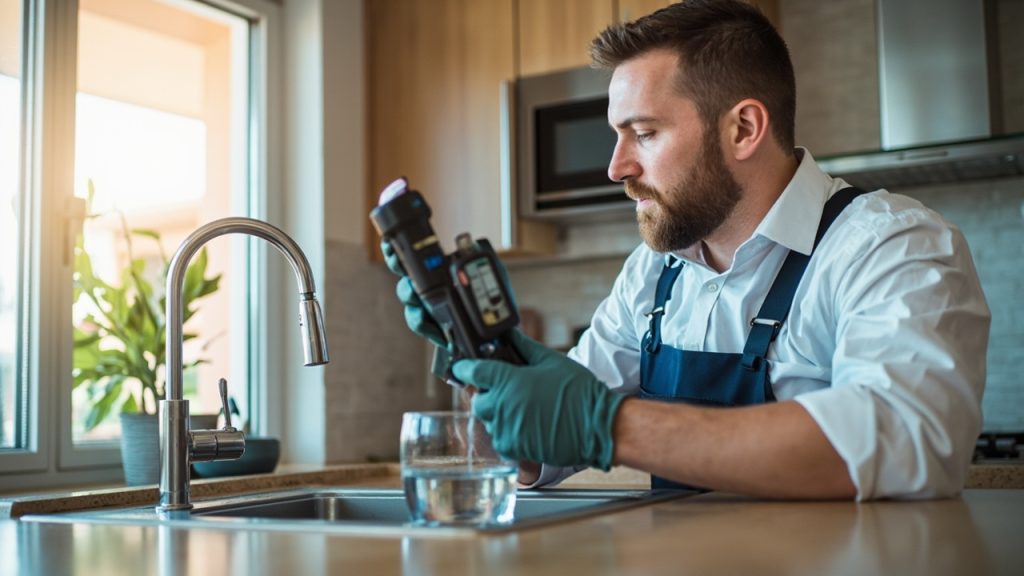
San Tan Valley residents deal with some of the highest water hardness levels in the entire Phoenix metro area. When you live near the San Tan Mountains or off Hunt Highway, your home receives water that often contains more than 20 grains per gallon of dissolved minerals. This mineral load consists mostly of calcium and magnesium. While these minerals are safe to drink, they cause massive problems for your plumbing system. Homeowners in the East Valley face a choice between two main technologies to protect their pipes and appliances. You can install a traditional ion exchange water softener or a salt free water conditioner.
Choosing the wrong system for a San Tan Valley home leads to ruined water heaters and clogged showerheads. The high heat in the Arizona desert accelerates mineral precipitation. This means scale builds up faster here than in cooler climates. You need a system that can handle the specific mineral profile of the Salt River Project and Central Arizona Project water sources. Understanding the technical differences between these systems helps you protect your investment in 2026.
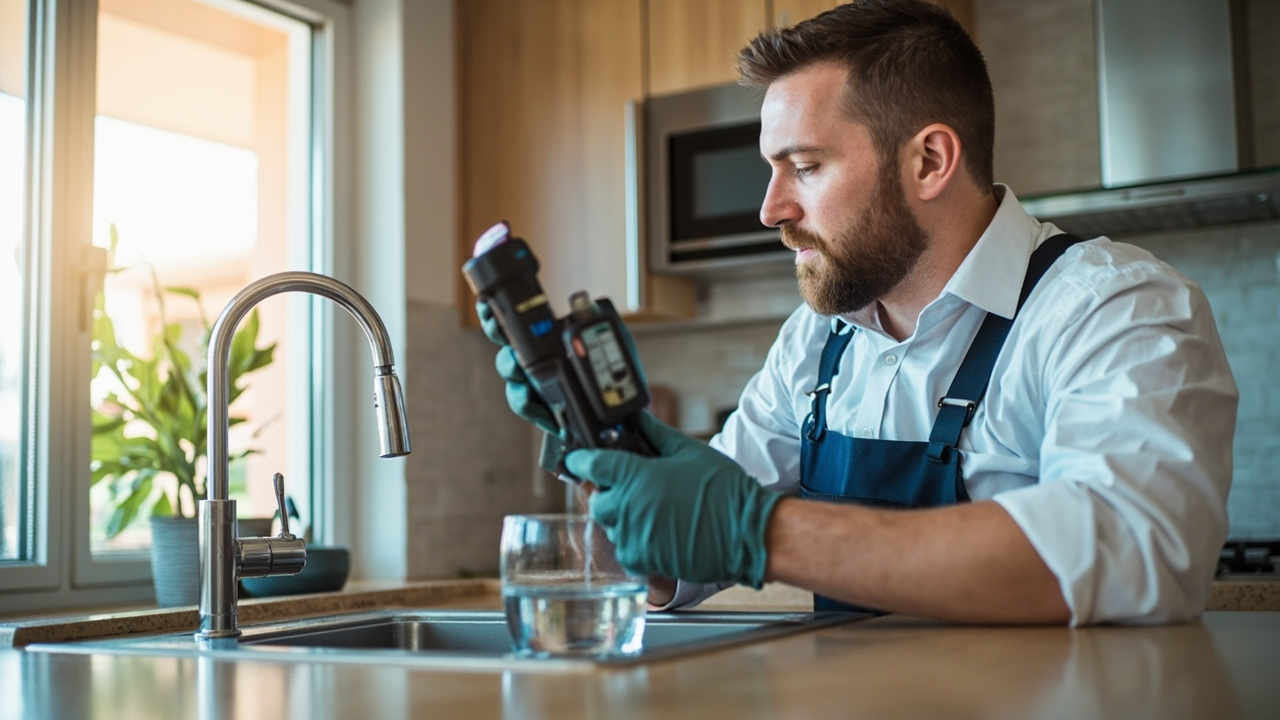
How Traditional Water Softeners Manage San Tan Valley Hardness
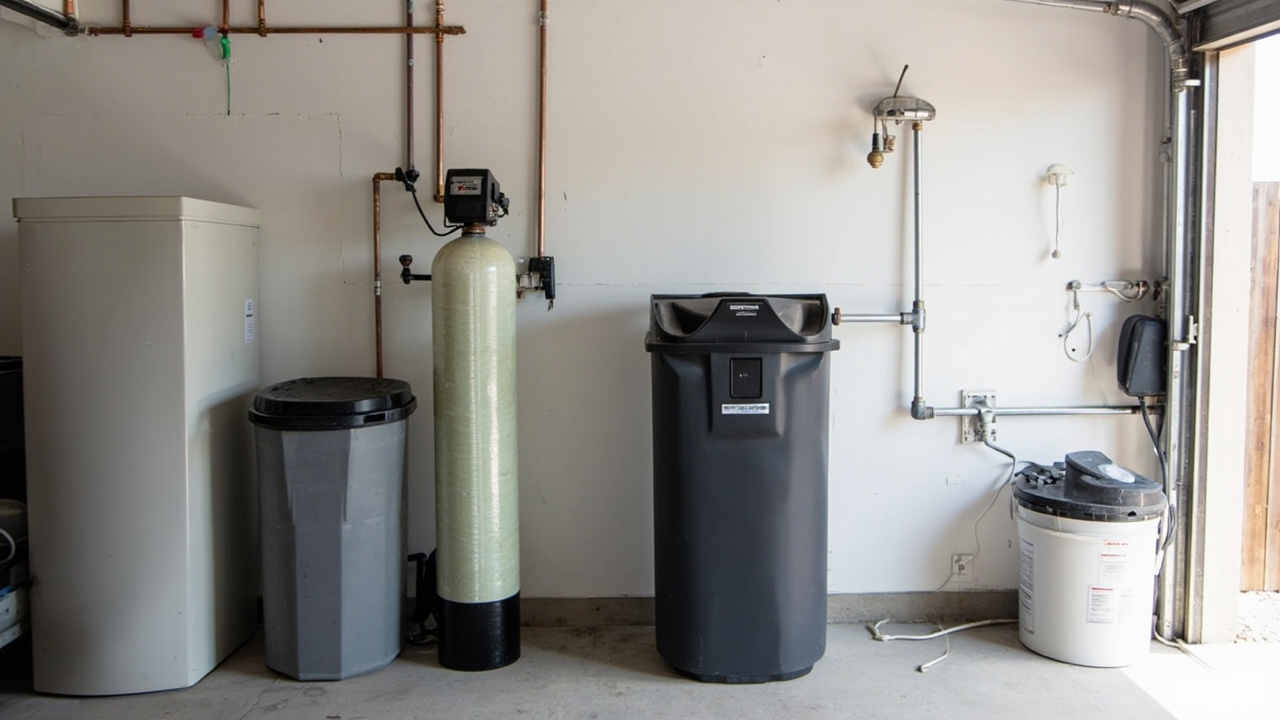
A traditional water softener uses a process called ion exchange. This is the gold standard for mineral removal in the Phoenix area. The system contains a tank filled with resin beads. These beads have a negative charge. As hard water flows through the tank, the positively charged calcium and magnesium ions stick to the resin. The system then releases a small amount of sodium or potassium into the water to maintain electrical balance. This process physically removes the minerals from your water supply.
For residents who want professional water softener installation for Chandler hard water or San Tan Valley homes, this method offers the most consistent results. You will notice the immediate disappearance of white crusty buildup on your faucets. Your soap will lather better. Your skin will feel smoother because the minerals that strip away natural oils are gone. However, these systems require regular maintenance. You must add salt to the brine tank once or twice a month. The system also performs a regeneration cycle that flushes out the captured minerals. This cycle uses water and creates a brine discharge that goes into your sewer line.
Performance Comparison for Phoenix Area Water
| Feature | Traditional Water Softener | Salt Free Conditioner |
|---|---|---|
| Mineral Removal | Physical removal of calcium and magnesium | Neutralizes minerals without removing them |
| Scale Prevention | 99 percent effective | 90 to 95 percent effective |
| Maintenance Needs | Monthly salt refills and annual service | Filter changes every 1 to 3 years |
| Wastewater | Generates brine during regeneration | Zero wastewater generated |
| Water Feel | Slippery or silky feel | Normal water feel |
The Technology Behind Salt Free Water Conditioners
Salt free systems do not actually soften the water. They are conditioners. Most of these units use a technology called Template Assisted Crystallization. In this process, the water passes through a specialized media that changes the physical structure of the minerals. The calcium and magnesium ions are converted into microscopic crystals. These crystals remain suspended in the water but lose their ability to stick to surfaces. They flow through your pipes without forming hard scale.
This technology appeals to many San Tan Valley homeowners because it does not require salt. You do not have to carry heavy bags of salt into your garage every month. These systems do not require electricity or a drain line. They are an excellent choice for homes with limited space or for people who are on low sodium diets. If you are concerned about the environmental impact of brine discharge, a conditioner is the eco friendly choice. It keeps the minerals in the water while preventing them from destroying your appliances.
While conditioners are effective at preventing scale inside pipes and water heaters, they do not eliminate spotting on glass. If you have a walk in shower with glass doors, you will still see spots after the water evaporates. These spots are easier to wipe off than traditional hard water scale, but they are still visible. This is a common point of frustration for homeowners who expect the same visual results as a traditional softener.
Maintenance Requirements for San Tan Valley Systems
Maintenance costs in 2026 vary based on the system type and your water usage. A traditional softener is cheaper to buy upfront but has higher ongoing costs. You will spend money on salt and water for regeneration. A salt free conditioner has a higher initial price tag but almost zero operating costs for the first few years. You eventually have to replace the media or the entire cartridge, which can be expensive.
The high Total Dissolved Solids in San Tan Valley water can wear down resin beads in a traditional softener over time. Chlorine is another factor. Phoenix water often has high chlorine levels to keep it safe during the long trip through desert pipes. Chlorine degrades softener resin. Many 2026 models now include a carbon pre filter to remove chlorine before it hits the resin. This extends the life of your system and improves the taste of your water.
Expected Annual Maintenance Tasks
- Checking salt levels in the brine tank every 30 days.
- Cleaning the brine tank once per year to prevent salt bridges.
- Testing the water hardness at the tap to ensure the system is working.
- Inspecting the bypass valve for leaks or mineral buildup.
- Replacing sediment pre filters every 6 to 9 months.
- Sanitizing the system once a year to prevent bacterial growth.
Water Quality Factors in the East Valley
The Arizona Department of Water Resources monitors groundwater quality across the state. In San Tan Valley, the water comes from a mix of deep wells and surface water. This results in a high mineral concentration that varies by season. During the peak of summer, your water might feel harder as the city relies more on groundwater pumping. This puts extra stress on your treatment equipment.
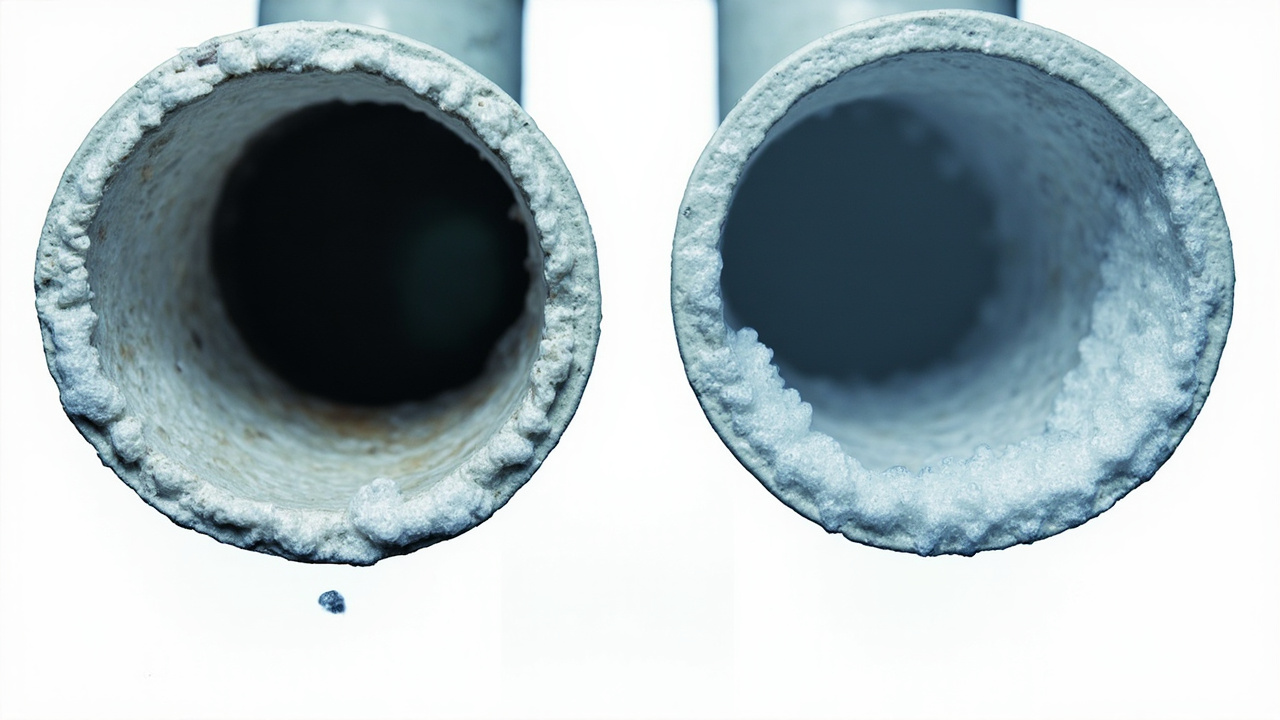
If you have noticed a sudden drop in water pressure, you might be dealing with more than just hard water. Mineral buildup inside your pipes can restrict flow. In extreme cases, this leads to pipe failure. If you experience a sudden leak, you may need to learn about the best way to handle a slab leak in Tempe or your San Tan Valley home. Preventing these issues starts with choosing the right water treatment system to stop the scale before it attaches to your copper or PEX lines.
| System Component | Lifespan in San Tan Valley | Replacement Factor |
|---|---|---|
| Softener Resin | 8 to 12 years | Chlorine exposure and TDS levels |
| Conditioner Media | 3 to 6 years | Volume of water treated |
| Control Valve | 10 to 15 years | Internal wear and electrical surges |
| Brine Tank | 15 plus years | Physical damage or salt crusting |
Protecting Your Appliances from Desert Minerals
Your water heater is the most expensive appliance at risk from hard water. In San Tan Valley, a water heater without protection might only last 6 to 8 years. Scale builds up on the heating elements or at the bottom of the tank. This creates an insulating layer that makes the heater work harder. This increases your energy bills and leads to tank failure. Many homeowners are now looking at why Gilbert homeowners are choosing tankless water heater upgrades this year as a way to improve efficiency. These tankless units require soft or conditioned water to maintain their warranties.
Dishwashers and washing machines also suffer. Hard water leaves a film on your dishes and makes your clothes feel stiff. A traditional softener solves this by removing the minerals. A salt free conditioner helps protect the internal components of the machine, but you might still see some spotting on your glassware. If you choose a conditioner, you might need to use a rinse aid or a citric acid based cleaner periodically to keep your dishwasher looking new.
The Role of Reverse Osmosis with Water Treatment
Regardless of whether you choose a softener or a conditioner, many San Tan Valley residents add a reverse osmosis system at the kitchen sink. Neither a softener nor a conditioner is designed to remove contaminants like arsenic, lead, or high levels of fluoride. A softener adds a small amount of sodium to the water, which some people prefer to filter out before drinking. According to the Water Quality Association, combining a whole house treatment system with a point of use reverse osmosis system provides the best overall water quality for a household.
If your main water lines are already restricted by years of scale, you might need more than just a softener. Heavy mineral deposits can catch debris and lead to recurring clogs. This is when services like clearing stubborn main line blockages with hydro jetting in Mesa or San Tan Valley become necessary. Once the lines are clear, installing a treatment system prevents the problem from returning.
Choosing the Right System for Your Household
To make the final decision, you should consider your primary goals. If your main concern is the feel of the water, the lather of the soap, and the total elimination of spots, a traditional salt based softener is the only real choice. It provides the luxury water experience that most people expect when they hear the term soft water. It is the most effective way to handle the extreme hardness levels found in the East Valley.
If your main concern is maintenance, environmental impact, and protecting your appliances without the slippery feel, a salt free conditioner is the winner. It is ideal for people who do not want to lift heavy salt bags or for homes where a drain line is not easily accessible. It provides excellent scale protection for your plumbing and water heater while keeping your water chemistry closer to its natural state.
If you find yourself in a situation where your water pressure has already dropped significantly, you may have an emergency. Finding a plumber for getting an emergency plumber to your Scottsdale home fast is the same process for San Tan Valley. You need a professional to assess the health of your pipes before you invest in a new treatment system. A licensed plumber can test your water hardness and check your plumbing for existing scale damage to help you choose the right path forward.
Both systems offer clear benefits for homes in the Phoenix area. The right choice depends on your lifestyle, budget, and how much work you want to put into maintenance. Protecting your home from Arizona hard water is one of the most important steps you can take to prevent expensive plumbing repairs in the future. Reach out to a local expert for a water hardness test to see exactly what you are dealing with in your specific neighborhood.