
Living in the Biltmore area comes with certain expectations of quality and preservation. Many homes in this historic Phoenix pocket feature mature citrus groves, towering palms, and high-end hardscaping that residents have spent decades perfecting. When a sewer line fails, the thought of a backhoe tearing through a custom driveway or a manicured lawn is a nightmare for any homeowner. As we move through 2026, trenchless technology has reached a point where nearly any residential sewer issue can be solved without a single trench.
Homeowners in Biltmore Estates often deal with specific plumbing challenges. Many of these properties were built using materials that have reached the end of their functional life. Whether it is old clay tile, cast iron, or the dreaded Orangeburg pipe, the symptoms are always the same. You might notice signs you need sewer repair like recurring backups or wet spots near your foundation. In the past, the only fix was to dig. Today, we use specialized methods that keep your property intact.
Understanding the Challenges of Biltmore Soil
Phoenix geography is unique because of caliche. This is a layer of soil where the particles have been cemented together by calcium carbonate. In the Biltmore area, caliche can be as hard as concrete and several feet thick. When a traditional plumber tries to dig a trench for a sewer line, they often have to use jackhammers or heavy excavators just to break through this layer. This increases the labor time and the overall cost of the project significantly.
Trenchless options bypass this problem entirely. Instead of fighting the soil, we work inside the existing pipe. This is why trenchless sewer repair is the preferred choice for Biltmore Greens and Circle Mountain residents. By using the old pipe as a guide, we can install a new, stronger line without having to move a single pound of Phoenix earth. This method is faster and much cleaner for the homeowner.
Comparison of Trenchless Repair Methods in 2026
| Feature | CIPP Lining | Pipe Bursting | Epoxy Coating |
|---|---|---|---|
| Primary Use | Standard sewer laterals | Severe collapses or upsizing | Small diameter or vertical lines |
| Landscape Impact | Minimal to zero | Two small access pits | Zero |
| Material Used | Epoxy resin saturated felt | High Density Polyethylene | Liquid epoxy spray |
| Lifespan in 2026 | 50 plus years | 100 years | 35 to 50 years |
The Cured In Place Pipe Process for Biltmore Homes
Cured In Place Pipe or CIPP is the most common form of trenchless repair we perform in Biltmore plumbing projects. This involves a flexible liner that we saturate with a high-strength epoxy resin. We pull this liner through your existing sewer pipe from a single access point. Once it is in place, we use an inflatable bladder to press the liner against the walls of the old pipe. We then use steam or UV light to cure the resin, turning it into a solid, seamless pipe-within-a-pipe.
This method is perfect for pipes that have minor cracks or root intrusion from the large Palo Verde trees common in Phoenix. Because the new liner is seamless, there are no joints for roots to enter in the future. The resin we use in 2026 is designed to withstand the high temperatures of Arizona soil and the chemical cleaners that many people mistakenly use. It effectively stops leaks and restores full flow to your home without destroying your front yard.
Pipe Bursting for Severely Damaged Lines
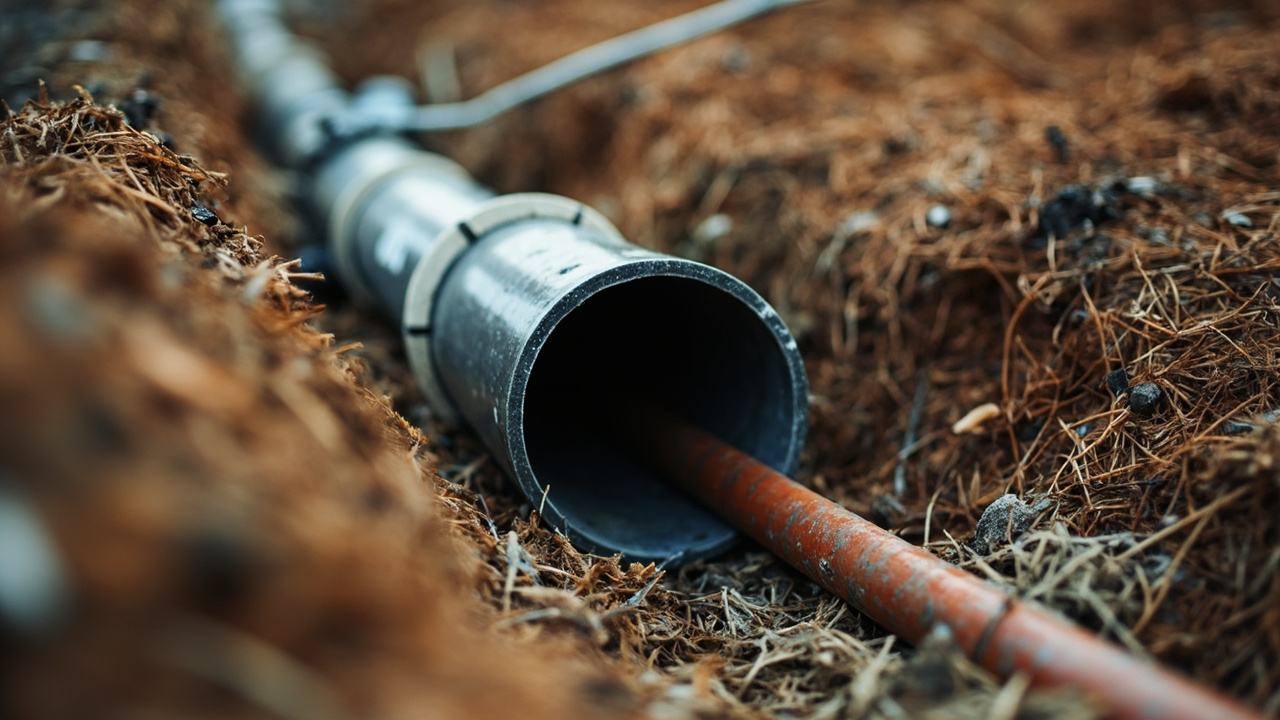
Sometimes a pipe is too far gone for a liner. If your sewer line has completely collapsed or if it has major offsets caused by shifting desert soil, pipe bursting is the better option. This method uses a hydraulic head that is pulled through the old pipe. As the head moves, it physically breaks the old pipe apart and pushes the fragments into the surrounding soil. At the same time, it pulls a brand new High-Density Polyethylene pipe behind it.
This is often necessary for older homes near the Biltmore Fashion Park where the original cast iron has reached a state of total failure. The new HDPE pipe is incredibly strong and has a slight flexibility that allows it to survive the ground movement that happens during Phoenix monsoon seasons. It is also an excellent choice if you need to increase the diameter of your sewer line to accommodate a home addition or a new guest house.
Cost Factors for Trenchless Repair in Phoenix
Many homeowners worry about the price of trenchless technology. While the upfront cost can be higher than a simple dig and patch job, the long-term savings are substantial. When you factor in the cost of replacing custom pavers, re-sodding a lawn, or hiring a landscaper to replace mature trees, trenchless is almost always the more affordable choice. We always recommend checking the Arizona Registrar of Contractors to ensure your chosen technician is licensed for this specific type of work.
The price for these services depends on several factors that are specific to the 2026 market. We look at the depth of the line, the total length, and the current condition of the host pipe. If the line is buried deep under a pool deck or a structural wall, trenchless is the only way to avoid catastrophic repair costs to the home structure itself.
Current Price Variables for Biltmore Sewer Projects
| Factor | Impact on Price | Why it Matters |
|---|---|---|
| Pipe Depth | Moderate | Deeper pipes require larger access pits |
| Line Length | Linear | Material costs are based on footage |
| Access Level | Low to High | Indoor access is more complex than yard access |
| Root Mass | Moderate | Heavy roots require more hydro jetting prep |
The Importance of a Camera Inspection
Every successful trenchless project starts with a high-definition sewer camera inspection. This allows us to see exactly where the problems are located. We look for bellies in the line where water sits, heavy scaling in cast iron pipes, or root balls that are blocking the flow. In 2026, we use cameras with AI-assisted defect detection that can spot hairline cracks that a human eye might miss. This ensures we recommend the right fix the first time.
After the inspection, we usually perform hydro jetting to clean the pipe. This uses high-pressure water to scrub the inside of the sewer line. We must remove all debris and scale so the new epoxy resin can bond perfectly to the surface. Without proper cleaning, a liner might fail prematurely. We take this step seriously to ensure the 50-year lifespan of the repair is guaranteed.
Local Regulations and Permitting in Phoenix
Performing sewer work in the City of Phoenix requires specific permits and inspections. The city has strict codes regarding the types of materials used and how the connections are made. We handle all the paperwork and coordination with the City of Phoenix Planning and Development department. This protects the homeowner and ensures the repair meets all safety standards.
Biltmore estate owners should also be aware of Homeowners Association rules. Many HOAs in the area have strict guidelines about how long service vehicles can be on-site and what hours work can be performed. Because trenchless repair is much faster than traditional digging, it is usually much easier to stay within these HOA constraints. We can often complete a full lining project in a single day, minimizing the disruption to the neighborhood.
Steps for a Successful Trenchless Project
- Initial diagnostic camera inspection to map the line
- Comprehensive hydro jetting to clear roots and scale
- Second camera check to verify the pipe is clean
- Insertion of the epoxy liner or the pipe bursting head
- Curing or final pulling of the new pipe material
- Reinstating any lateral connections using a robotic cutter
- Final video inspection to document the successful repair
Common Questions About Trenchless Sewer Repair
Will the new pipe be smaller than the old one? When we use CIPP lining, the diameter decreases very slightly. However, the new surface is much smoother than old clay or rusted cast iron. This actually improves the flow rate of the sewage, so you will not notice a difference in how your drains perform. In fact, most residents find their drains work better than they have in years.
How long does the repair last? In 2026, the materials we use are rated for at least 50 years. Pipe bursting with HDPE can last even longer. This is a permanent solution for your home. You will not have to worry about roots or leaks in that section of the line for the rest of your life. It is an investment in the value of your Biltmore property.
Does it work for all pipe materials? Trenchless methods work for almost every material found in Phoenix. This includes PVC, ABS, clay, cast iron, and even concrete pipes. The only time it might not work is if the pipe has completely collapsed and there is no path for the liner or the cable to follow. In those rare cases, we might have to do a small spot repair before lining the rest of the pipe.
Why Biltmore Homeowners Choose Peak Plumbing
With over 15 years of experience in the Phoenix valley, we understand the specific needs of high-end estates. We know how much you value your property and your privacy. Our team is trained in the latest 2026 trenchless techniques to ensure we provide the most efficient service possible. We specialize in sewer line repair and replacement for homes where traditional digging is simply not an option.
We serve the entire Biltmore area, including the luxury homes near the Arizona Biltmore Resort and the Biltmore Fashion Park. If you are experiencing slow drains, foul odors, or strange gurgling sounds, do not wait for a full backup to happen. Contact us today for a professional camera inspection. We will give you a clear, honest assessment of your sewer line and show you exactly how our trenchless options can save your landscape and your peace of mind.