menu

Benefits of Water Softeners in Phoenix – Cut Mineral Buildup and Extend Your Plumbing's Lifespan

Phoenix water carries 12-17 grains per gallon of hardness minerals that wreck pipes, fixtures, and water heaters. Discover how water softening systems protect your home's plumbing infrastructure and lower long-term repair bills.

Slider Image 1
Slider Image 2
Slider Image 3
Slider Image 4
Slider Image 5
Slider Image 7
Slider Image 8
Slider Image 9
Slider Image 10
Slider Image 11

Why Phoenix Water Destroys Your Plumbing Faster Than You Think

Phoenix pulls its municipal water from the Colorado River, Central Arizona Project canals, and the Salt River. All three sources carry dissolved calcium, magnesium, and trace minerals that classify our water as moderately hard to very hard depending on your neighborhood. Homes in Ahwatukee and South Mountain see calcium levels near 250 parts per million. North Phoenix and Deer Valley face magnesium-heavy water that scales differently but damages just as aggressively.

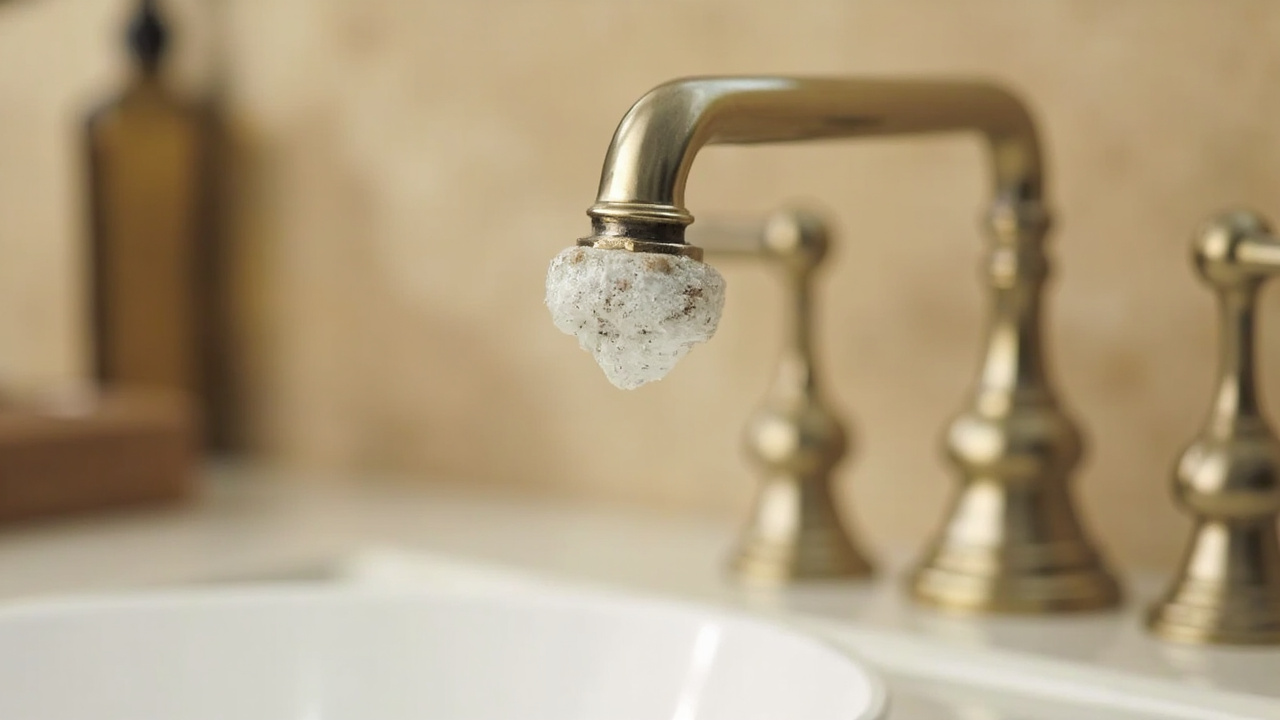
Hard water mineral deposits form scale inside your pipes, on valve seats, around heating elements, and across aerators. You see white crust on your faucets. What you do not see is the same buildup choking your supply lines, reducing water pressure by 30 to 40 percent over five to seven years. Your water heater works harder, cycling more frequently to maintain temperature as scale insulates the heating element from the water. Energy use climbs. Component failure accelerates.

The advantages of water softening systems become obvious when you compare two identical homes over a decade. The home with soft water replaces fewer faucet cartridges, experiences fewer pressure-balancing valve failures, and extends water heater lifespan by three to five years. Scale-free pipes deliver consistent pressure. Fixtures operate smoothly. The reasons to install a water softener in Phoenix are not cosmetic. They are structural and financial. Hard water treatment benefits show up in lower repair frequency and reduced energy consumption, two variables that matter in a city where water flows constantly for irrigation, cooling, and daily use.

Why Phoenix Water Destroys Your Plumbing Faster Than You Think
How Ion Exchange Technology Protects Your Home's Plumbing System

How Ion Exchange Technology Protects Your Home's Plumbing System

Water softeners use ion exchange resin beads to remove calcium and magnesium ions before they enter your distribution system. Hard water flows into the resin tank where sodium ions bonded to the resin trade places with hardness minerals. The calcium and magnesium stick to the resin. The sodium releases into the water. Soft water exits the tank and feeds your entire home.

The resin bed eventually saturates with hardness minerals. The control valve initiates a regeneration cycle, flushing the resin with brine solution from the salt tank. The high sodium concentration reverses the ion exchange, pulling calcium and magnesium off the resin and sending them to the drain. The resin recharges with sodium ions and the system returns to service. A typical regeneration cycle takes 90 to 120 minutes and uses 40 to 60 gallons of water depending on system size and hardness level.

Peak Plumbing Phoenix sizes water softeners based on your water test results, household size, and daily usage patterns. A three-person home using 200 gallons per day with 15 grains per gallon hardness requires different capacity than a five-person home with 12 grains per gallon. We calculate grain capacity, regeneration frequency, and peak demand to match equipment to load. Undersized systems regenerate too often, wasting salt and water. Oversized systems cost more upfront and regenerate inefficiently.

The pros of water softeners extend beyond scale prevention. Soft water improves detergent efficiency, reduces soap scum, and leaves skin and hair feeling different after showering. But the real value is invisible. It is the supply line that does not clog. The pressure-balancing valve that does not seize. The water heater that lasts 12 years instead of eight.

What Happens During Your Water Softener Evaluation and Installation

Benefits of Water Softeners in Phoenix – Cut Mineral Buildup and Extend Your Plumbing's Lifespan
01

Water Hardness Testing

We test your water at the point of entry using titration methods that measure total dissolved hardness in grains per gallon. We also check pH, iron content, and total dissolved solids because these variables affect softener performance and system selection. High iron requires pre-filtration. Low pH suggests corrosion potential that changes equipment recommendations. Accurate testing prevents undersizing and ensures we address secondary water quality issues that impact softening efficiency.
02

System Sizing and Placement

We calculate daily softening demand by multiplying household water usage by hardness level. A family using 300 gallons daily with 14 grains per gallon needs a system capable of removing 4,200 grains between regenerations. We add capacity buffer for peak demand days and select a unit that regenerates efficiently without excessive cycling. Placement considers access to drain lines, electrical supply, and clearance for salt delivery. Garage installations are common in Phoenix, but we adapt to your home's layout and existing plumbing configuration.
03

Installation and System Programming

We install the softener on your main supply line after the pressure regulator and before branch lines split to fixtures. Bypass valves allow system isolation for maintenance. We program the control valve based on your water test results, setting hardness level, regeneration schedule, and backwash duration. After startup, we verify soft water delivery, check for leaks, and explain salt maintenance. You receive documentation showing system capacity, regeneration frequency, and expected salt usage so you know what normal operation looks like.

Why Phoenix Homeowners Trust Peak Plumbing Phoenix for Water Softening Systems

Phoenix water chemistry varies block by block. Municipal supply differs from well water. Surface water from the canals carries different mineral profiles than groundwater pumped from deeper aquifers. We test every home individually because generic softener recommendations fail when applied to our city's diverse water sources.

Our service area spans from Carefree in the north to Ahwatukee in the south, covering neighborhoods with 30-year-old galvanized pipes and new construction with PEX supply lines. Older homes need pre-filtration considerations that new builds do not. We account for existing plumbing condition when sizing and recommending systems because advantages of soft water mean nothing if your distribution system cannot handle the change in water chemistry.

Phoenix's heat affects softener placement. Garage installations expose equipment to 120-degree summer temperatures that accelerate salt bridging and reduce control valve lifespan. We recommend ventilation strategies or alternative placement when thermal conditions threaten system longevity. These are local considerations that out-of-area installers miss.

We stock parts for the systems we install. When a control valve fails or a resin tank cracks, you do not wait for shipping from a regional warehouse. Our trucks carry bypass valves, resin tanks, brine tanks, and control heads for the major brands we service. Fast parts access reduces downtime and prevents hard water from circulating through your freshly protected plumbing.

The advantages of water softening systems include fewer service calls for scale-related plumbing failures. Our clients report extended intervals between faucet repairs, reduced water heater maintenance, and smoother operation of pressure-balancing shower valves. These outcomes confirm proper system sizing and installation quality. We measure success by the problems that do not happen.

What You Can Expect From Professional Water Softener Service

Same-Day Testing and Evaluation

We schedule water testing within 24 hours of your call. The test takes 15 minutes. Results determine system size and configuration. You receive a written report showing hardness level, recommended capacity, and estimated salt usage. We explain how your specific water chemistry affects your plumbing and what soft water will change. No pressure, no upselling. Just data and recommendations based on your test results and household demand. If your water hardness sits below eight grains per gallon, we tell you a softener might not deliver enough benefit to justify the cost.

Detailed Installation Planning

We map your plumbing layout to identify the optimal installation point. The softener must sit after your pressure regulator but before water branches to fixtures. We verify adequate drain access for backwash discharge and confirm electrical supply for the control valve. If your water heater sits in the attic or your main supply runs through a cramped crawlspace, we adapt the installation to your home's physical constraints. You see the plan before we start work. We explain what modifications are necessary, if any, and how long installation will take. Most residential installations complete in four to six hours.

Verified Soft Water Delivery

After installation, we test water hardness at multiple fixtures to confirm soft water reaches every tap. We check for leaks at all connection points and verify the control valve cycles correctly through regeneration. You learn how to add salt, what salt type to use, and how to check brine tank levels. We explain what normal operation sounds like so you recognize when something changes. Soft water feels different. Your soap lathers more. Your skin feels slicker after washing. These sensations confirm the system is working. We verify performance with test strips before we leave.

Annual Maintenance and System Checks

Water softeners require annual maintenance to sustain performance. We inspect the brine tank for salt bridges and sediment buildup, clean the venturi and injector assembly, and test control valve operation. The resin bed lasts 10 to 15 years if maintained properly, but we check resin integrity and replace it when capacity drops. We verify regeneration frequency matches your current water usage because household size changes over time. Maintenance visits take 30 to 45 minutes and prevent the small failures that cause system downtime. You receive a service report documenting system condition and any adjustments we made.

Frequently Asked Questions

You Have Questions,
We Have Answers

What are the downsides of a water softener? +

Water softeners add sodium to your water during the ion exchange process. If you are on a low-sodium diet, this can be a concern. Softeners also require regular salt refills and periodic maintenance. They discharge brine during regeneration, which some municipalities restrict. In Phoenix, where water conservation matters, the backwash cycle uses extra water. Softened water can feel slippery on skin, which takes adjustment. Lastly, the upfront cost and installation expense can be significant. Despite these downsides, most Phoenix homeowners find the benefits outweigh the drawbacks given our extremely hard water.

Does water softener have health benefits? +

Soft water reduces skin irritation and dryness, which benefits people with eczema or sensitive skin. Phoenix's low humidity makes this especially relevant. Softer water helps soap rinse off completely, reducing residue that can clog pores. Your hair may feel smoother and less brittle. However, soft water does add small amounts of sodium, which can be a consideration for those with hypertension or heart conditions. The health benefits are mostly indirect, stemming from reduced mineral buildup on skin and better cleaning efficiency. Consult your doctor if sodium intake is a medical concern.

Is it healthier to drink hard or soft water? +

Hard water contains calcium and magnesium, which provide trace minerals your body can use. Soft water contains sodium added during the softening process. If you drink municipal water in Phoenix, the sodium increase is typically minimal and safe for most people. Hard water is not harmful, but the mineral content can taste metallic. For general health, drinking hard water is fine and may even offer slight nutritional benefits. If you have kidney disease, high blood pressure, or are on a sodium-restricted diet, hard water is the better choice. Install a reverse osmosis system for drinking water if needed.

Who should not drink softened water? +

People on low-sodium diets should avoid drinking softened water. This includes individuals with high blood pressure, congestive heart failure, kidney disease, or cirrhosis. Infants under six months should not consume softened water for formula preparation because their kidneys cannot handle the extra sodium. Pregnant women monitoring sodium intake should also use caution. In Phoenix, where water hardness levels are high, the ion exchange process adds more sodium than in areas with moderately hard water. Install a separate tap with unsoftened water or a reverse osmosis system for drinking and cooking to avoid these risks.

Why are states banning water softeners? +

Some states restrict or ban certain water softeners because of environmental concerns. The salt brine discharged during regeneration can overwhelm wastewater treatment plants and harm aquatic ecosystems. California, Texas, and parts of Arizona have enacted regulations limiting salt-based systems in specific areas. Phoenix does not currently ban water softeners, but you must follow local discharge rules. High-efficiency models and alternative systems like salt-free conditioners are becoming more common. Check with your local municipality before installation. The restrictions target environmental impact, not the technology itself, so compliant systems remain legal and effective.

How long does a 40 lb bag of water softener salt last? +

A 40-pound bag of water softener salt typically lasts one to two months for an average household. Your usage depends on water hardness, household size, and daily water consumption. Phoenix water averages 12 to 18 grains per gallon of hardness, which is very hard. This means your softener regenerates more often, using more salt. A family of four may go through a bag every three to four weeks. Check your brine tank monthly and refill when salt drops to the waterline. High-efficiency softeners use less salt, so your mileage may vary based on your specific system.

Can you brush your teeth with softened water? +

Yes, you can safely brush your teeth with softened water. The sodium added during softening is minimal and does not pose a health risk for oral hygiene. You would need to swallow large amounts to see any effect. Softened water may actually help your toothpaste lather better and rinse more completely. Phoenix residents have used softened water for decades without dental issues. If you are on a strict sodium-restricted diet, you may prefer unsoftened water, but for most people, brushing with soft water is perfectly safe. Focus on fluoride content for dental health, not water hardness.

Do water softeners make your water bill go up? +

Water softeners do not directly increase your water bill, but they use water during the regeneration cycle. Most systems backwash every few days, using 25 to 65 gallons per cycle. For Phoenix households, this adds a small amount to monthly usage. The real savings come from increased appliance efficiency and reduced energy costs. Soft water heats faster and prevents scale buildup in pipes, which can lower your gas or electric bill. Your water heater lasts longer, and you use less soap and detergent. The net effect is often cost-neutral or slightly positive over time, depending on your usage patterns.

Is soft water good for the kidneys? +

Soft water is not harmful to healthy kidneys. Your kidneys filter sodium efficiently under normal conditions. However, if you already have chronic kidney disease or impaired kidney function, the added sodium from softened water can stress your system. Phoenix water is very hard, so the ion exchange process adds more sodium than in other areas. People with kidney concerns should consult their doctor and consider installing a reverse osmosis system for drinking water. Soft water is fine for bathing and cleaning. The health impact depends on your baseline kidney function and overall sodium intake from all sources.

What are 5 signs of hard water? +

First, white chalky deposits appear on faucets, showerheads, and glassware. Second, soap does not lather well, leaving a filmy residue on skin and hair. Third, your water heater works harder and your energy bills climb as scale builds up inside the tank. Fourth, clothing feels stiff and fades faster after washing. Fifth, you notice spots on dishes even after running the dishwasher. Phoenix water hardness causes all five signs to appear quickly. If you see these problems, test your water. A professional can confirm hardness levels and recommend the right softener size for your home.

How Phoenix's Alkaline Soil and Hard Water Combine to Accelerate Plumbing Wear

Phoenix sits in the Salt River Valley where alkaline soil deposits leach into groundwater supplies. Municipal water treated from surface sources still carries dissolved minerals picked up during transport through concrete-lined canals. The combination of calcium-heavy source water and alkaline soil chemistry creates water with pH levels between 7.8 and 8.4. This elevated pH accelerates scale formation on metal surfaces and increases the rate of mineral deposition inside pipes. Hard water treatment benefits become critical when water chemistry combines with our desert environment to create conditions that shorten plumbing component lifespan.

Peak Plumbing Phoenix has installed water softeners across the Valley since our founding. We understand how water quality shifts between neighborhoods because we test homes in Scottsdale, Tempe, Chandler, and Glendale weekly. Our technicians recognize the difference between canal water and well water, and we adjust system recommendations accordingly. Local expertise matters when equipment performance depends on accurate assessment of your specific water source. We carry the test equipment and technical knowledge to size systems correctly the first time, preventing the undersizing and performance issues that plague generic installations.
Plumbing Services in The Phoenix Area

We proudly serve residential and commercial customers throughout the Phoenix area. Whether you're located in the city center, suburbs, or surrounding communities, our team is ready to help with fast, reliable plumbing solutions. Use the map below to locate us, or reach out for directions and service area confirmation. At Peak Plumbing, we make it easy for you to access professional plumbing services wherever you are in the region.

Address:
Peak Plumbing Phoenix, 4041 E Thomas Rd, Phoenix, AZ, 85018

Additional Services We Offer

Our news updates

Latest Articles & News from The Blogs

Living in the Biltmore area comes with certain expectations of quality and preservation. Many homes in this historic Phoenix pocket…

Trenchless Sewer Pipe Repair Options for Biltmore Estate Homes

Living in the Biltmore area comes with certain expectations of quality and preservation. Many homes in this historic Phoenix pocket…

How to Fix Underground Water Main Leaks in Peoria Without Wrecking Your Yard

How to Fix Underground Water Main Leaks in Peoria Without Wrecking Your YardA water main leak under your Peoria property…

Removing Stubborn Calcium Buildup from Your High End Ocotillo Bathroom Fixtures

Living in the Ocotillo area of Chandler means you likely enjoy a custom home with high end bathroom fixtures. These…

Contact Us

Hard water costs you money every month through wasted energy and premature component failure. Peak Plumbing Phoenix tests your water, sizes the right system, and installs it correctly. Call (623) 288-0099 now to schedule your evaluation and stop scale buildup before it damages your plumbing infrastructure.