menu

Commercial Toilet & Urinal Repair in Phoenix – Minimize Downtime, Maximize Facility Uptime

Peak Plumbing Phoenix delivers rapid commercial restroom fixture repair across the Valley, engineered to keep your business operational while we handle flushometer repair, commercial flush valve replacement, and industrial toilet repair services without disrupting your workflow.

Slider Image 1
Slider Image 2
Slider Image 3
Slider Image 4
Slider Image 5
Slider Image 7
Slider Image 8
Slider Image 9
Slider Image 10
Slider Image 11

Why Commercial Restrooms Fail Faster in Phoenix

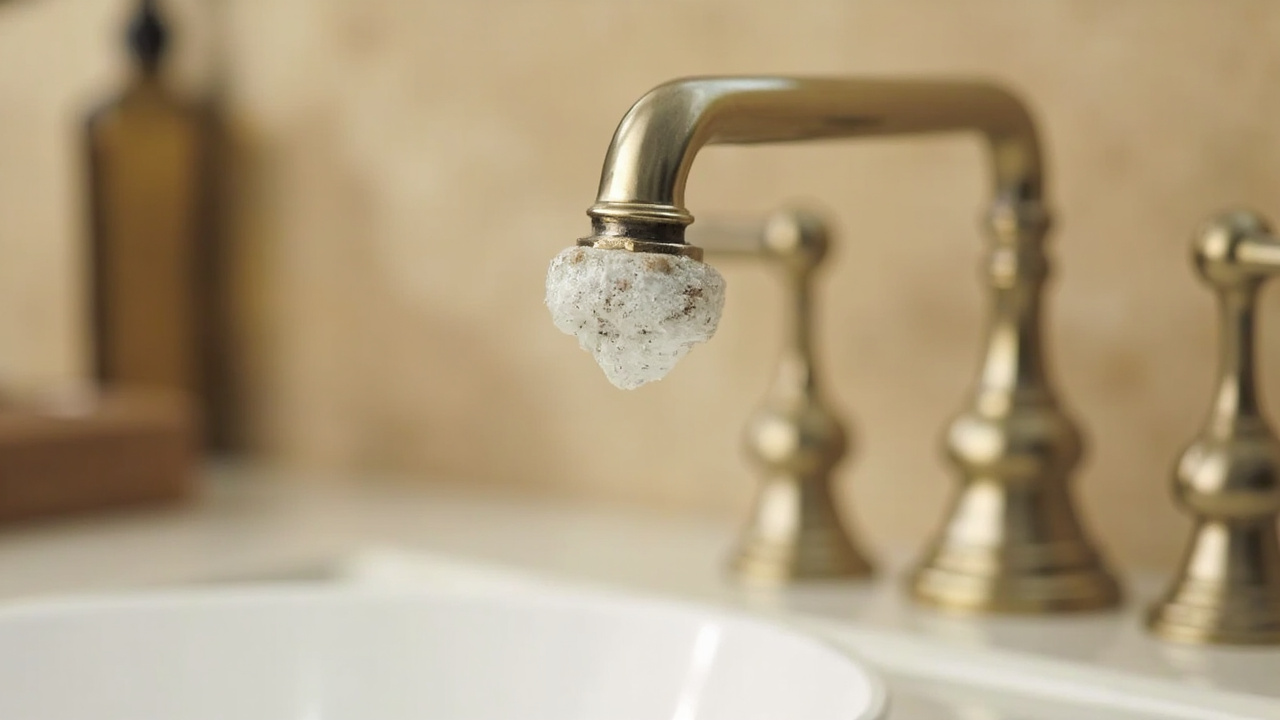
Phoenix's combination of high mineral content water and extreme temperature swings creates operational stress on commercial plumbing systems that residential fixtures never experience. The calcium and lime deposits in municipal water supplies clog flushometer diaphragms, corrode commercial flush valves, and reduce the effective lifespan of industrial toilet components by 30 to 40 percent compared to national averages.

Add to this the usage volume. A single restaurant restroom on Camelback Road serves 200 to 400 patrons daily. Office buildings downtown cycle 50 to 100 flushes per fixture during business hours. Retail centers near Christown Spectrum push that number higher during peak shopping seasons. Each flush introduces more mineral-laden water into valve assemblies, gaskets, and pressure-assisted tank mechanisms.

When a commercial urinal starts leaking or a toilet runs constantly, you are not just facing a repair bill. You face ADA compliance risk, water waste that drives utility costs up, and the reputational damage of sending customers into malfunctioning restrooms. Industrial toilet repair services require diagnostic precision because downtime means lost revenue and employee productivity.

The Phoenix Commercial Building Code requires backflow prevention on all commercial restroom fixtures, and older properties often have outdated flushometer systems that do not meet current water efficiency standards. Addressing commercial urinal maintenance and commercial restroom fixture repair correctly means understanding both the hardware and the regulatory framework that governs your facility.

Why Commercial Restrooms Fail Faster in Phoenix
How We Execute Commercial Restroom Repairs Without Halting Operations

How We Execute Commercial Restroom Repairs Without Halting Operations

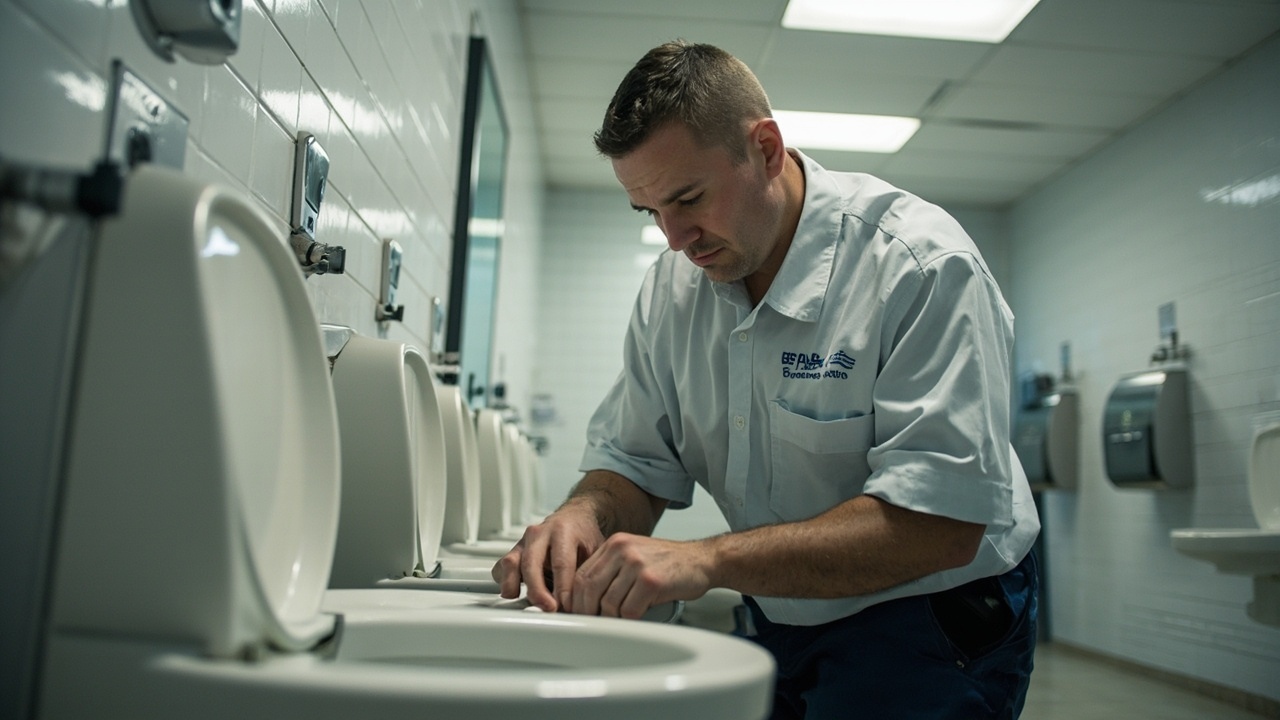
We deploy commercial restroom fixture repair using a phased approach that isolates affected zones and maintains facility functionality. Our technicians carry pre-staged commercial flush valve replacement kits tailored to Sloan, Zurn, and American Standard flushometer systems common in Phoenix commercial properties. This eliminates the delay of ordering parts after diagnosis.

When we arrive, we map your plumbing infrastructure to identify isolation valves. For multi-stall restrooms, we shut down one section at a time. This allows continued use of unaffected fixtures while we execute industrial toilet repair services on damaged units. For single-fixture failures in high-traffic environments, we coordinate repairs during off-peak hours to reduce impact on your operations.

Flushometer repair starts with pressure testing. We check the supply line PSI, verify the vacuum breaker is not backfeeding, and disassemble the flush valve to inspect the diaphragm, guide assembly, and relief valve. Most commercial failures stem from diaphragm deterioration caused by sediment accumulation. We replace the diaphragm, flush the supply line to clear debris, and recalibrate the flush volume to match your water pressure and fixture type.

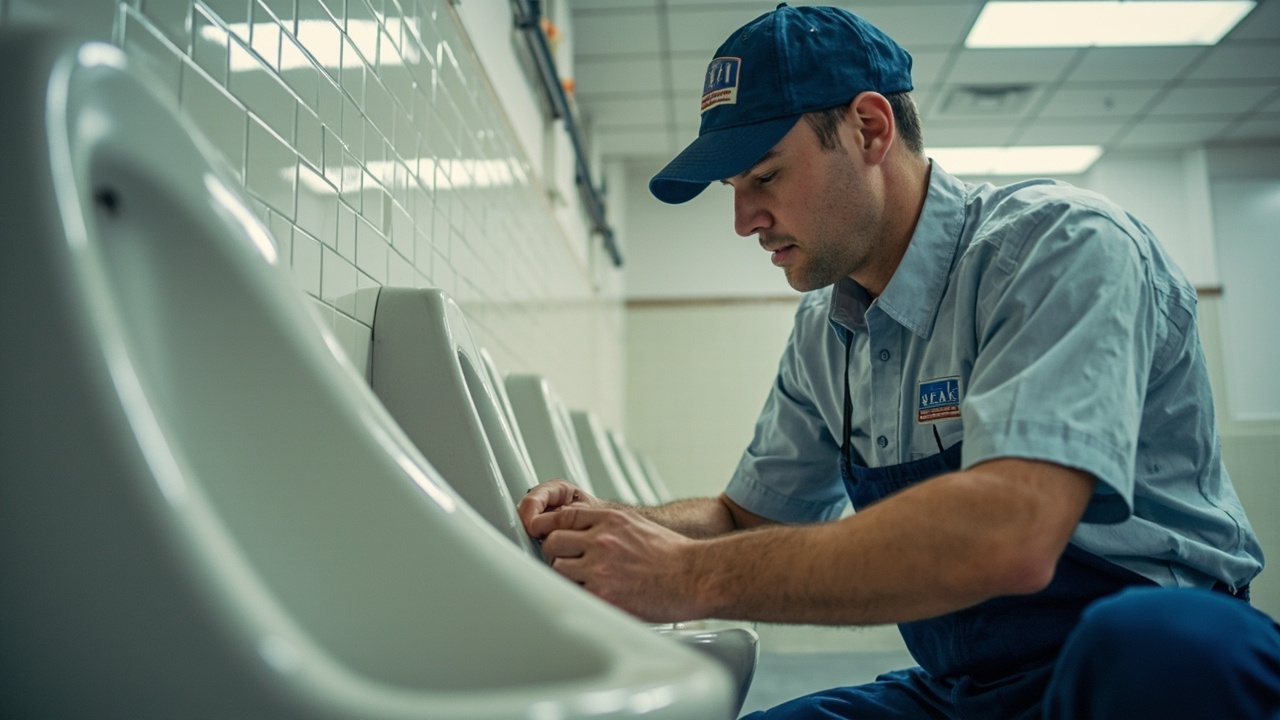
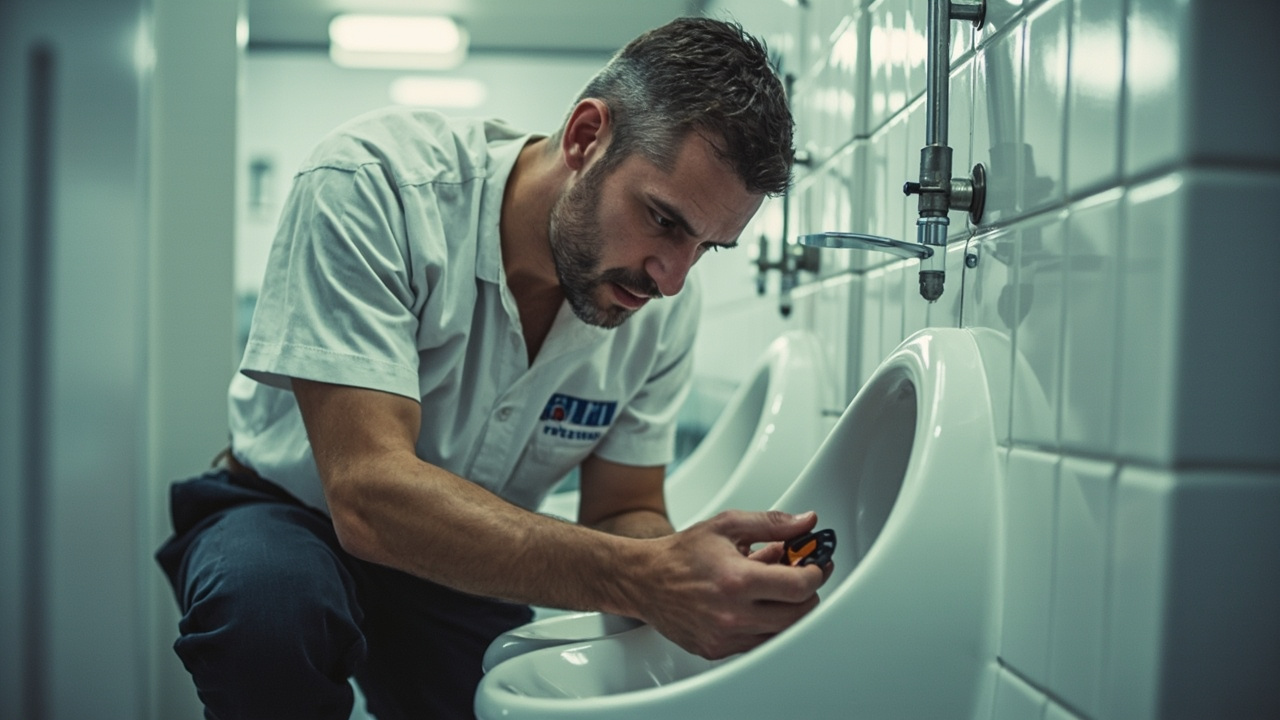
Commercial urinal maintenance involves checking the spud coupling, trap integrity, and sensor function on automatic flush systems. Sensor failures often result from battery depletion or lens obstruction, but mineral buildup on the solenoid valve creates false triggers that waste water and increase your utility spend. We clean or replace solenoid assemblies, recalibrate sensor range, and verify proper flush duration.

For pressure-assisted toilets common in office buildings, we inspect the inner tank assembly, pressure regulator, and air inducer. These systems fail catastrophically when the pressure vessel cracks or the fill valve malfunctions, flooding restrooms in minutes.

What Happens During Your Commercial Fixture Service Call

Commercial Toilet & Urinal Repair in Phoenix – Minimize Downtime, Maximize Facility Uptime
01

Facility Assessment and Isolation

We begin by evaluating your facility's plumbing layout, identifying shut-off valves, and determining which restroom zones can remain operational during repairs. Our technicians verify ADA compliance requirements, assess whether replacement parts meet current code, and establish a repair sequence that minimizes disruption to your employees and customers. For emergency failures, we isolate the affected fixture within 15 minutes of arrival.
02

Diagnostic Testing and Repair

Using pressure gauges and flow meters, we test each flushometer and valve assembly to pinpoint failure points. We disassemble commercial flush valves, inspect diaphragms and seals for wear, and check mounting hardware for corrosion. Repairs involve replacing worn components, flushing supply lines to remove sediment, and recalibrating flush volume. For sensor-operated systems, we test infrared function, battery voltage, and solenoid response to confirm proper operation.
03

Functional Verification and Documentation

After completing repairs, we cycle each fixture through 10 to 20 test flushes to verify performance under load. We measure flush duration, check for leaks at supply connections, and confirm proper bowl evacuation. You receive a detailed service report documenting the repairs, replacement parts installed, and recommendations for preventive maintenance. For properties managing multiple locations, we provide standardized reporting that integrates with your facility management software.

Why Phoenix Facility Managers Choose Peak Plumbing Phoenix

Commercial plumbing failures do not wait for convenient timing. A malfunctioning toilet in a restaurant during lunch service or a flooded office restroom during business hours creates immediate liability and revenue loss. Peak Plumbing Phoenix maintains a mobile inventory system with commercial-grade replacement parts for the most common flushometer brands installed across the Valley. This eliminates the 24 to 48 hour delay typical of competitors who order parts after diagnosis.

Our technicians are trained on the specific flushometer systems prevalent in Phoenix commercial construction. Sloan Royal and Regal series valves dominate office buildings in the central business district. Zurn AquaVantage systems are standard in hospitality properties along the I-10 corridor. Knowing the failure patterns and parts compatibility for these systems reduces your repair time by 40 to 60 percent compared to general plumbers who troubleshoot from scratch.

We understand the Phoenix Municipal Code requirements for commercial restroom fixture compliance, including backflow prevention and water efficiency standards that apply when you upgrade older systems. If your property was constructed before 1995, your flushometers likely exceed the 1.6 gallons per flush maximum allowed under current code. When we replace commercial flush valves, we ensure compliance to avoid citation during routine inspections.

For property management companies overseeing multiple locations, we provide consolidated billing, standardized service reporting, and scheduled preventive maintenance that reduces emergency calls by identifying wear patterns before failures occur. Our service agreements include priority response, discounted parts pricing, and quarterly inspections that extend fixture lifespan and reduce total cost of ownership across your portfolio.

What to Expect From Our Commercial Repair Service

Response Time and Scheduling Flexibility

For non-emergency commercial restroom fixture repair, we schedule service windows that align with your operational requirements. Early morning, late evening, and weekend appointments accommodate businesses that cannot afford daytime disruptions. Emergency calls receive response within 90 minutes across the greater Phoenix metro, with technicians dispatched directly from their service zones to minimize travel time. Our mobile units carry diagnostic equipment and common replacement parts to complete most repairs on the first visit, eliminating the need for return trips that extend downtime.

Diagnostic Process and Transparent Pricing

Our technicians perform a comprehensive assessment before beginning work, testing water pressure, inspecting valve assemblies, and checking supply line condition. You receive a detailed explanation of the failure, the repair options available, and the cost breakdown before we start. For facility managers operating under budget constraints, we provide tiered repair options that range from component replacement to full fixture upgrades, allowing you to make informed decisions based on remaining useful life and total cost of ownership. No hidden fees, no upselling, no surprises on the invoice.

Quality of Workmanship and Parts

We install only OEM or equivalent commercial-grade components rated for high-cycle environments. Residential-grade parts fail prematurely under commercial usage loads, creating repeat failures that compound your maintenance costs. Our flushometer diaphragms, flush valve seals, and pressure regulators meet or exceed manufacturer specifications for cycle life and pressure tolerance. All installations comply with Phoenix plumbing code, UPC standards, and ADA requirements. You receive documentation of parts installed, including model numbers and specifications, for your facility maintenance records and future service reference.

Service Documentation and Preventive Recommendations

After completing repairs, we provide a comprehensive service report detailing the work performed, parts replaced, and current condition of your restroom plumbing infrastructure. For properties with recurring maintenance needs, we identify patterns that indicate systemic issues like water pressure problems or sediment accumulation in supply lines. Our preventive maintenance recommendations include flush valve inspections every six months, annual supply line flushing to remove mineral buildup, and sensor battery replacement on predictive schedules. These measures reduce emergency repair frequency by 50 to 70 percent and extend fixture service life.

Frequently Asked Questions

You Have Questions,
We Have Answers

How to fix a commercial toilet that won't flush all the way? +

Incomplete flushing in commercial toilets typically stems from low water volume in the tank, a misadjusted flapper, or mineral buildup restricting flow. Phoenix's hard water accelerates calcium deposits on jets and the flush valve. Check if the tank fills to the marked water line. Inspect the flapper for wear or misalignment. Clean rim jets with a wire or descaling solution to restore full flow. For high-traffic facilities, a weak flush disrupts operations and creates liability. A licensed commercial plumber can diagnose pressure issues, replace worn flush mechanisms, and ensure ADA compliance for your Phoenix property.

What is the most common toilet flush problem? +

Weak or incomplete flushing is the most common commercial toilet problem. This happens when the flapper deteriorates, the fill valve fails to refill the tank properly, or mineral deposits clog the rim jets. In Phoenix, hard water compounds these issues by leaving calcium scale that restricts water flow. High-use environments accelerate flapper wear. Partial flushes waste water and frustrate occupants. Regular maintenance prevents most flush failures. Replace flappers annually in commercial settings. Descale jets quarterly to maintain performance. Addressing flush problems immediately minimizes downtime and protects your facility's reputation.

How much does it cost for a plumber to repair a toilet flange? +

Toilet flange repair costs vary based on access, damage severity, and installation method. Factors include concrete vs. wood subfloor, flange material, and whether the toilet must be removed. Phoenix commercial properties often have slab foundations, which complicate repairs. A broken flange causes leaks that damage subflooring and create slip hazards. Commercial plumbers assess structural impact and code compliance. Repair methods range from simple flange extenders to full replacement with concrete anchor systems. Request a detailed estimate that includes labor, materials, and any subfloor remediation. Timely repairs prevent costly water damage and business interruption.

How much would it cost to fix a broken toilet flush? +

Flush mechanism repair costs depend on the component failing and labor complexity. Replacing a flapper or fill valve is straightforward. Flush valve replacement requires more labor. Commercial toilets experience higher usage than residential units, accelerating wear. Phoenix's mineral-heavy water causes premature valve failure. Facilities with multiple units should budget for regular maintenance to avoid emergency repairs during business hours. A professional evaluation identifies the root cause and prevents repeat failures. Proper repairs restore water efficiency and reduce liability. Contact a licensed commercial plumber for transparent pricing and code-compliant work.

How do I know if my fill valve or flapper is bad? +

A faulty fill valve hisses continuously or fails to shut off after flushing. You will see water trickling into the overflow tube or hear constant running. A bad flapper allows water to leak from the tank into the bowl, causing phantom flushes or a running toilet. Add food coloring to the tank. If color appears in the bowl without flushing, the flapper leaks. In Phoenix commercial facilities, hard water degrades rubber components faster. Both issues waste water and increase utility costs. Replace flappers every 12 months and fill valves when adjustment fails to stop running.

Why put aluminum foil in a toilet tank? +

Aluminum foil in toilet tanks is an unproven DIY method claiming to reduce mineral buildup or repel pests. This approach lacks technical merit and creates potential plumbing hazards. Foil can break apart, clog flush valves, or interfere with moving components. Phoenix's hard water requires professional descaling solutions and regular maintenance, not improvised remedies. Commercial facilities need reliable, code-compliant systems. Use approved descaling agents, water softeners, or regular professional cleaning to manage mineral deposits. Avoid DIY fixes that risk downtime or damage. Implement a documented maintenance schedule to protect your investment and maintain compliance.

Can you replace a flush valve without removing the tank? +

Flush valve replacement without removing the tank is possible with specific valve designs that allow compression fitting or internal access. Most commercial installations require tank removal for proper seal installation and to prevent leaks. Attempting shortcuts risks improper seating, water damage, and code violations. Phoenix commercial properties must meet strict plumbing codes. Tank removal allows full inspection of mounting bolts, gaskets, and potential crack damage. A licensed plumber has tools to work efficiently while ensuring watertight connections. Proper installation prevents callbacks and maintains your facility's operational integrity. Request professional service for flush valve work.

Will hydrogen peroxide dissolve toilet paper? +

Hydrogen peroxide does not effectively dissolve toilet paper. It works as a mild bleach and disinfectant but lacks the chemical structure to break down cellulose fibers in paper. Excessive toilet paper causes clogs in commercial facilities, particularly with older drain lines common in Phoenix properties. Mechanical removal with an auger or high-pressure water jetting resolves paper blockages. Enzyme-based drain treatments can help prevent buildup but will not clear active clogs. Educate occupants about proper paper usage. Install commercial-grade toilets with adequate flush power. Address recurring clogs professionally to identify underlying drain line issues.

Why is my toilet not flushing all the way but not clogged? +

Incomplete flushing without a clog indicates insufficient water volume or flow velocity. The tank may not fill completely due to a misadjusted fill valve. Rim jets may be partially blocked by mineral deposits, common in Phoenix due to hard water. The flapper may close prematurely, cutting flush short. Check the tank water level against the marked line. Inspect jets for calcium buildup. Test the flapper for proper timing and seal. Commercial toilets require adequate siphon action for complete waste removal. A weak flush creates sanitation concerns and ADA compliance issues. Professional diagnosis identifies the specific cause.

What are the symptoms of a broken toilet flange? +

A broken toilet flange causes rocking or movement when sitting on the toilet. You may see water leaking at the base after flushing or smell sewer gas from a broken wax seal. The toilet may feel unstable. In Phoenix commercial facilities with concrete slabs, flange damage often results from overtightened bolts or corrosion. Broken flanges allow wastewater to seep into subflooring, creating structural damage and health hazards. Immediate repair prevents mold growth and costly remediation. A licensed plumber removes the toilet, assesses damage, and installs a code-compliant flange with proper sealing to restore stability and sanitation.

How Phoenix Water Quality Accelerates Commercial Fixture Failure

Phoenix municipal water contains 12 to 18 grains of hardness per gallon, nearly triple the national average. This mineral concentration deposits calcium carbonate and magnesium scale inside commercial flush valves, clogging relief ports and degrading diaphragm elasticity. Over 18 to 24 months, these deposits restrict water flow, increase flush cycle time, and eventually cause valve seizure. Commercial properties near treatment plants in Deer Valley and South Phoenix experience even higher mineral loads. Without scheduled commercial urinal maintenance and flushometer cleaning, replacement intervals drop from five years to 24 months.

Peak Plumbing Phoenix has serviced commercial properties across the Valley since our founding, from office complexes in Tempe to retail centers in Scottsdale. Our technicians understand how Phoenix building construction timelines correlate with plumbing system specifications. Properties built between 1985 and 1995 typically use brass flushometer bodies that resist corrosion better than the chrome-plated zamak alloys common in newer construction. Knowing these material differences allows us to predict failure modes and carry the correct replacement components. We work directly with property managers and facility directors who need reliable service partners familiar with local code enforcement patterns and inspection protocols.
Plumbing Services in The Phoenix Area

We proudly serve residential and commercial customers throughout the Phoenix area. Whether you're located in the city center, suburbs, or surrounding communities, our team is ready to help with fast, reliable plumbing solutions. Use the map below to locate us, or reach out for directions and service area confirmation. At Peak Plumbing, we make it easy for you to access professional plumbing services wherever you are in the region.

Address:
Peak Plumbing Phoenix, 4041 E Thomas Rd, Phoenix, AZ, 85018

Additional Services We Offer

Our news updates

Latest Articles & News from The Blogs

Living in the Biltmore area comes with certain expectations of quality and preservation. Many homes in this historic Phoenix pocket…

Trenchless Sewer Pipe Repair Options for Biltmore Estate Homes

Living in the Biltmore area comes with certain expectations of quality and preservation. Many homes in this historic Phoenix pocket…

How to Fix Underground Water Main Leaks in Peoria Without Wrecking Your Yard

How to Fix Underground Water Main Leaks in Peoria Without Wrecking Your YardA water main leak under your Peoria property…

Removing Stubborn Calcium Buildup from Your High End Ocotillo Bathroom Fixtures

Living in the Ocotillo area of Chandler means you likely enjoy a custom home with high end bathroom fixtures. These…

Contact Us

Call Peak Plumbing Phoenix at (623) 288-0099 for immediate commercial toilet and urinal repair. We dispatch technicians across the Phoenix metro with the parts and expertise to restore your facility operations fast. No voicemail runaround, no waiting days for callbacks.